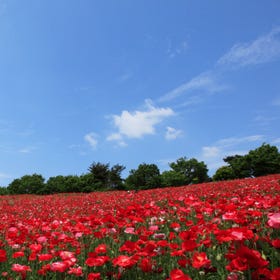
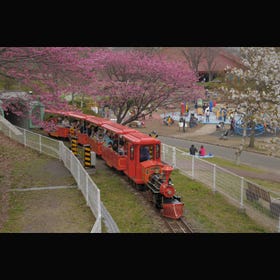
A vast national park with beautiful flowers blooming throughout the year. You can also enjoy swimming pools in summer and illumination in winter.
Fully equipped to accommodate international visitors. Offers cashless payment options, towel rentals, and discount coupons specifically for travelers from abroad.
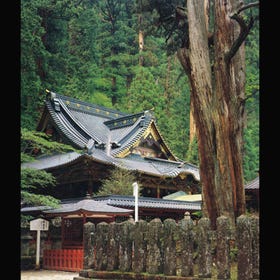
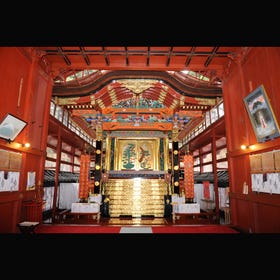
This is a shrine founded on the vast premises surrounded by the mountains of Nikko. It is familiar to people as the god of luck and marital matchmaking.
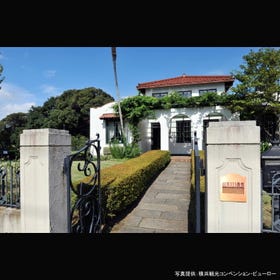
Yamate 111 Ban-Kan, or the Yamate #111 Residence, is a Spanish-style mansion with red roofing tiles and white exterior walls built inside the Harbor View Park.
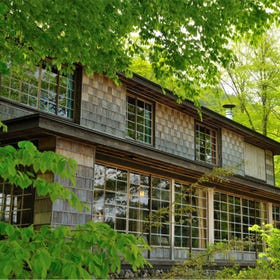
A place where you can immerse yourself in nature and play in an atmosphere of undeveloped woodlands.
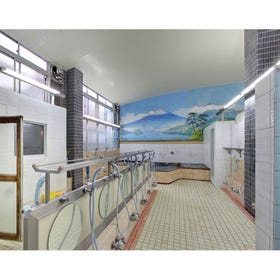
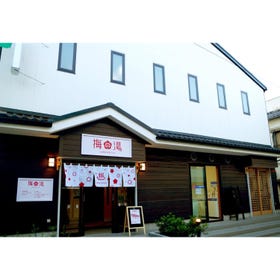
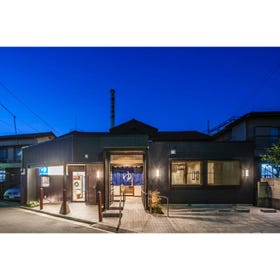
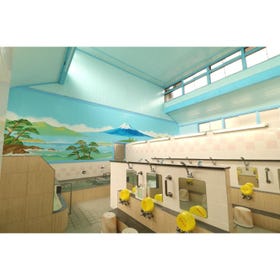
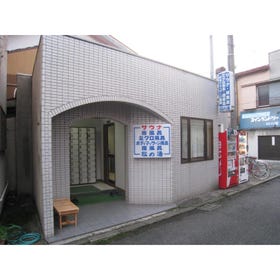
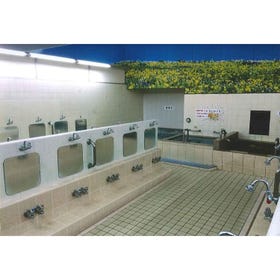
Traditional Japanese bathhouses(SENTO).
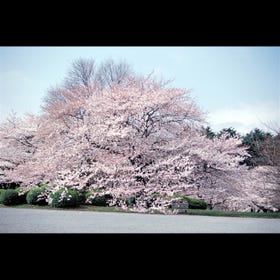
Shinjuku Gyoen is one of the few landscape gardens in Japan. The garden is a popular spot where you can enjoy the skillfully arranged gardens as well as historical buildings.
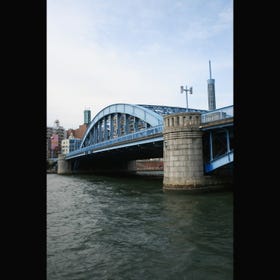
Komagata Bridge on the Sumida River is 150 meters long and has over 80 years of history.
The gateway to Mt. Fuji, this shrine lets you purify body and mind in an atmosphere both solemn and cooling (you might even get a chance to see Shinto ceremonies like festivals, benedictions, or weddings!)
Amuse Museum is an art complex where a museum of the textile culture and ukiyoe (paintings of everyday life in the Edo period 1603 – 1868), a select shop of Japanese-style products, and an event hall are combined.
Enjoy the grand view of Lake Chuzenji beloved by generations of Italian ambassadors
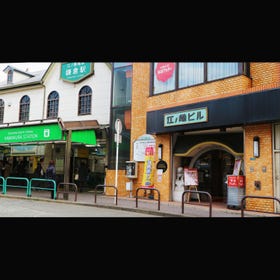
We are providing useful information of sightseeing in Kamakura City. To help ensure all the visitors spend a great time in the city, we also provide luggage keeping services and sell Kamakura original goods as well.
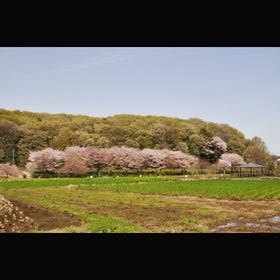
One of the four metropolitan parks at Sayama hill. Enjoy walking in the thicket that stretches through the entire park.
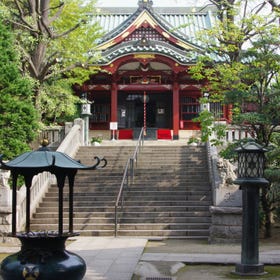
The Matsuchiyama Shoden Honryu-in Temple close to Senso-ji Temple, is recognized as a ”power spot” by the common people. On this spot they pray for the material benefits in this world. With Y-shaped daikon radishes and kinchaku (Japanese traditional style pouch) people pray for finding a suitable marriage partner and for matrimonial happiness.
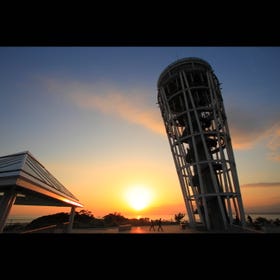
A lighthouse with an observation platform that is affectionately considered a symbol of Shonan. Its distinctive features are a majestic view of the ocean and illumination that changes color with the seasons.