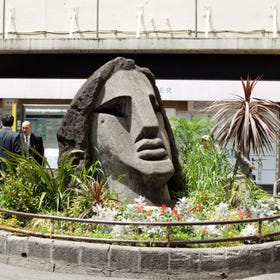
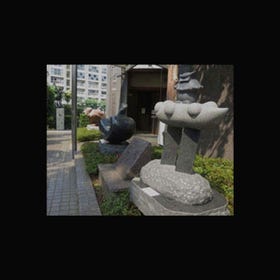
The Moyai statue is well-known as a meeting place at the Shibuya Station. It is a unique stone sculpture that has different faces carved on the front and the back.
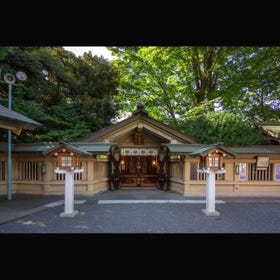
Enshrines Heihachiro Togo, Commander-in-Chief of the Imperial Japanese Navy, who defeated the Baltic Fleet.
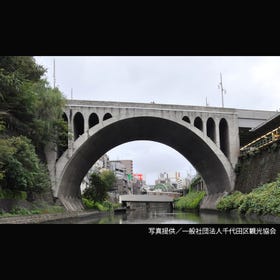
Hijiri-bashi is a bridge over the Kanda River. Its three-dimensional piers are beautiful.
Daimyo Tokei Hakubutsu-kan, or Daimyo Clock Museum, is the museum of the Edo period's art and craftwork, daimyo clocks (Japanese clocks), and is located in the popular Yanaka area in the shitamachi (the geographically lower side) of Tokyo.
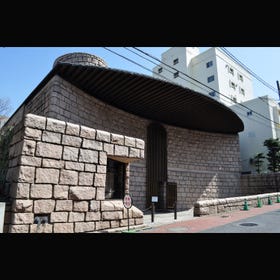
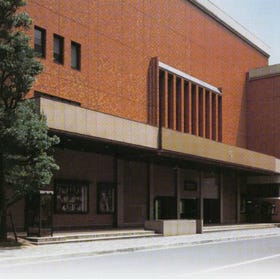
This art museum is located in the residential area of Shoto, Shibuya Ward. It features a unique, beautiful facade by architect Seiichi Shirai.
A wide variety of plays such as kabuki, comedy, modern, and melodramatic shinpa can be enjoyed in the theater. It is also an ideal theater to feel close to the Japanese traditional performing arts.
A museum where you can enjoy contemporary sculpture in the sleek, hexagonal main building and the four outdoor exhibition areas.
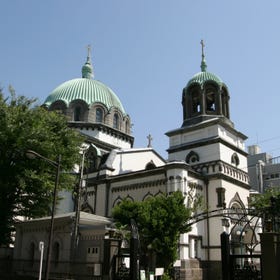
The Nicholai-do Cathedral (commonly spelled as Nikorai-do in Japan) is a Byzantine-style cathedral with a characteristic dome roof. In addition to a tour to see cultural assets, you can also participate in a mass service.
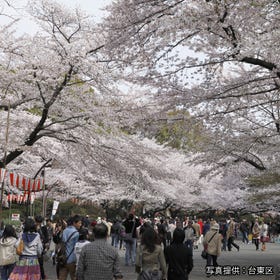
This park is one of the most famous sites for cherry blossom viewing in Japan and is also popular among foreign visitors. Other than cherry blossoms, the park offers its appeals any time of the year. There are festivals held in summer, tree leaves change colors in autumn, and peonies blooming in winter.
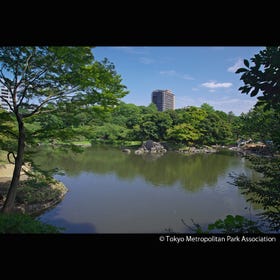
The Koishikawa Korakuen Garden is designated as a National Special Historic Site and Special Place of Scenic Beauty. Highlights of the garden include a lake, a hill, a river, and a pastoral scenery that resembles the scenic beauty from various places in Japan.
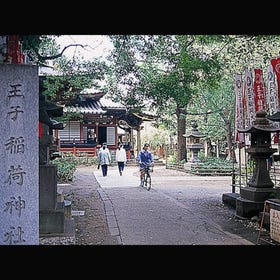
The shrine was established by the then Shogun, Tokugawa Ienari. It is also known as an old Kanto Inari Sotsukasa shrine (the top Kanto area shrines enshrining the Inari.)
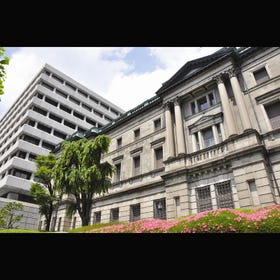
The central bank in Japan. The public can visit the Main Building (Old Building), designated as a National Important Cultural Property, as well as part of the New Building. (Photo provided by: Bank of Japan)
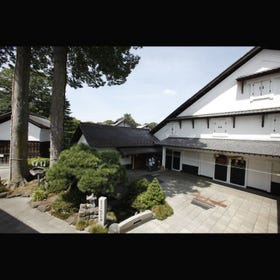
Ishikawa Brewery is where numerous traditional Japanese-style warehouses stand. It also has restaurants where you can enjoy sake and local beer.
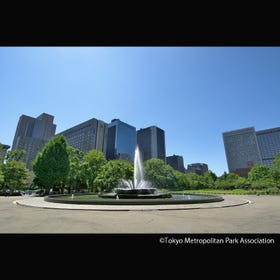
Hibiya Park is Japan's first modern, Western-style park with a large symbolic fountain. It provides an oasis for the business people who work in the Ginza or Kasumigaseki business districts.
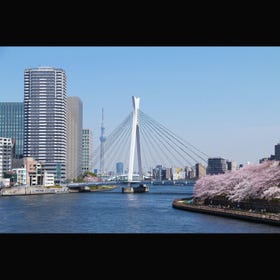
This is a cable-stayed bridge over the Sumida River. Its 32 cables stage the presence of this beautiful bridge.
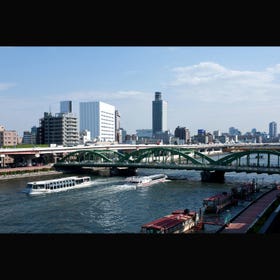
The bridge carrying traffic from Kasuga-dori Street over the Sumida River. One of the viewing areas for the fireworks festival is near this bridge.
This is the site where the revenge of the 47 Ronin (Ako-roshi) took place. On the same property is Matsuzaka-inari shrine, which enshrines Kira and the well said to have been used to clean his head.
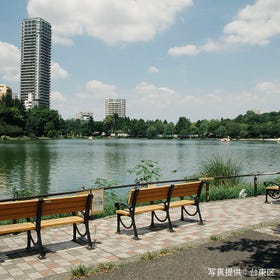
This is a natural pond in the premises of Ueno Park, with a circumference of about two kilometers. In the summer, beautiful lotuses are in full bloom. You can also enjoy boating.
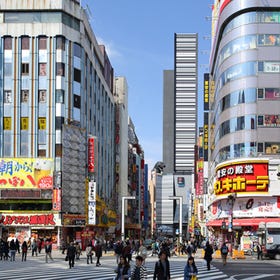
This huge 12-meter tall model of ”Godzilla” was established as the symbol of Kabukicho, Shinjuku.
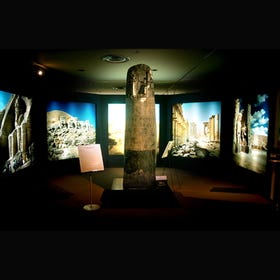
The museum has the ancient Orient as its theme. Visitors can learn about the hunting and gathering life of 5,000 years ago as well as the invention of writing.