Built as Japan's first suburban park. Has a variety of attractions for a fun stroll including Inokashira Pond, Gotenyama, sports facilities and a park.
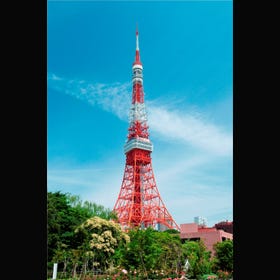
Tokyo's iconic Tokyo Tower offers visitors a panoramic view of central Tokyo from its two observation decks. The tower itself is also popular for its night-time illumination.
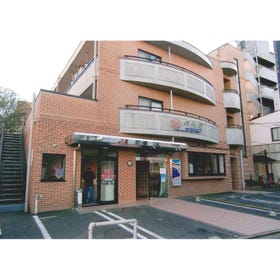
Fully equipped to accommodate international visitors. Offers cashless payment options, towel rentals, and discount coupons specifically for travelers from abroad.
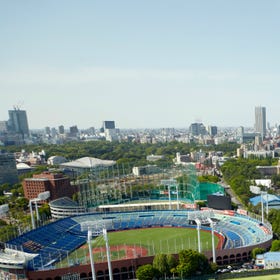
There are historical sites and ancient trees that date back to the Meiji period and also many sports facilities on this vast premises. The rows of ginkgo trees with their yellow leaves are also famous.
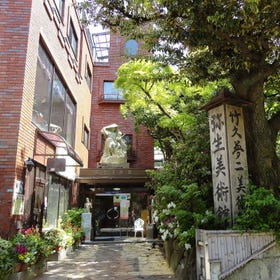
A museum were you can enjoy the modern works painted by the illustrators such as Takabatake Kasho who swept through the art publication world.
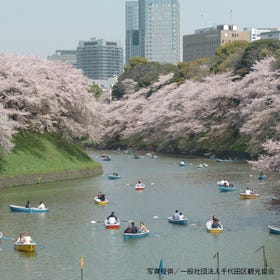
The Chidori-ga-fuchi Moat is located northwest of the Imperial Palace. The nature-rich sidewalk along the moat is called the Chidori-ga-fuchi Ryokudo (a green road), which runs for 700 meters. It is one of the most famous cherry blossom viewing sites in Japan.
Enjoy Shopping and Gourmet Food!
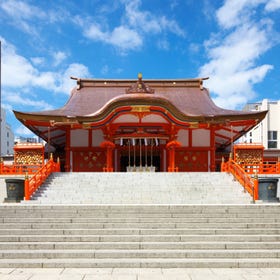
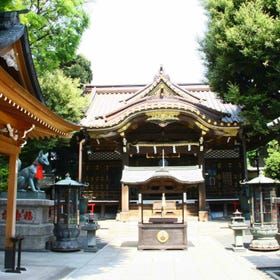
Hanazono-jinja Shrine in Shinjuku, loved by many as an urban oasis.
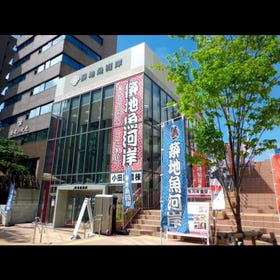
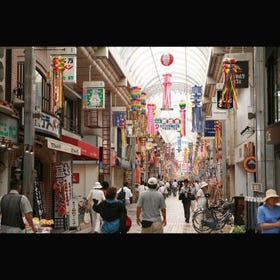
An 800-meter-long shopping street with retractable roof for all-weather shopping. An area that continues to develop while retaining its old-world charm.
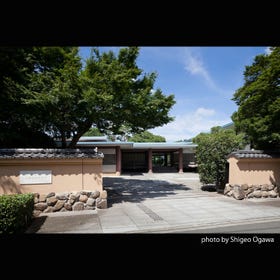
It has over 5,000 pieces of Japanese and Oriental antique art. The building in the shinden-zukuri aristocratic architectural style (developed between the late 7th to early 11th century) and the Japanese garden are worthy of a viewing.
A museum located in Ueno Park. Visitors can enjoy a variety of artworks including ones designated as Important Cultural Properties.
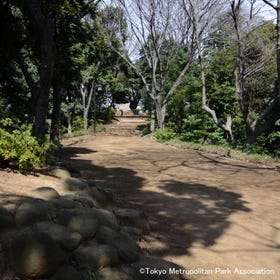
It is a 106-meter-long zenpo-koen-fun that is a mound shaped like a keyhole. This tumulus is the largest in Tokyo and is said to have been built in the 5th century.
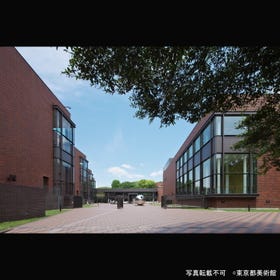
Tokyo Metropolitan Art Museum is in Ueno Park. Special exhibitions of domestic and foreign famous paintings, variety of planned exhibitions, and exhibitions of works by the general public are held there.
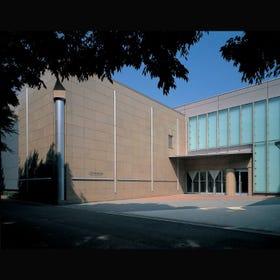
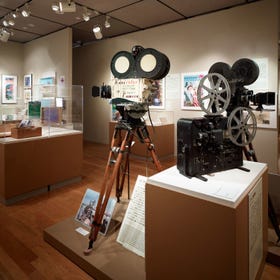
The National Film Center is the only national institution devoted to cinematography. It keeps movie films as well as many valuable materials related to movies. They are shown on the screens or displayed in the exhibition hall.
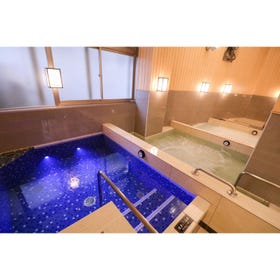
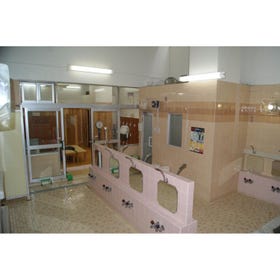
Traditional Japanese bathhouses(SENTO).
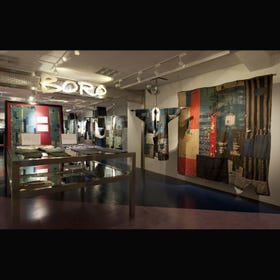
Amuse Museum is an art complex where a museum of the textile culture and ukiyoe (paintings of everyday life in the Edo period 1603 – 1868), a select shop of Japanese-style products, and an event hall are combined.
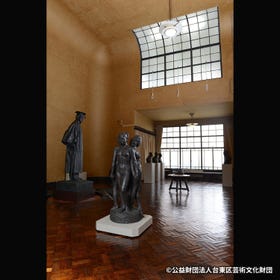
This museum displays the works of leading Japanese modern sculptor Fumio Asakura: the site is registered nationally as a Place of Scenic Beauty and the structure itself as a Tangible Cultural Property.
A soto-zen Buddhist temple, better known as Toyokawa Inari, which had been worshiped by both the mighty warriors of each era and common people of Edo-Tokyo. You can make a pilgrimage to the seven lucky gods and enjoy viewing lit paper lanterns.
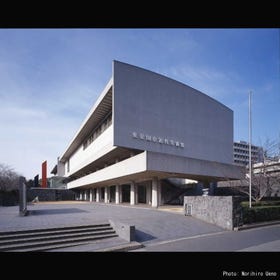
Japan's first national art museum located next to the Imperial palace, and it houses more than 12,500 artworks.