




Events
-
 Limited time
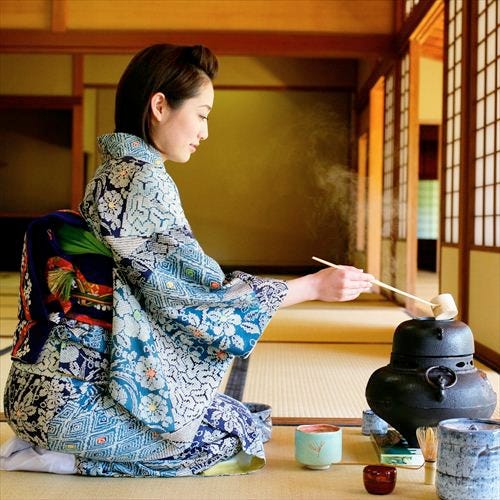
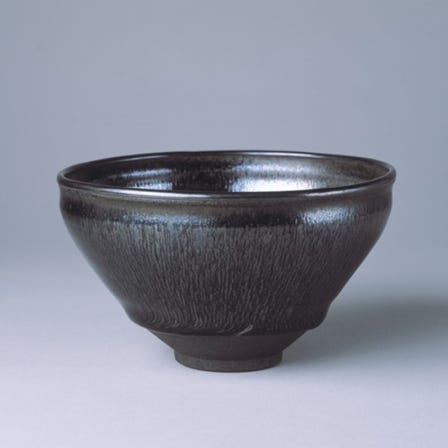
Tea Ceremony Until 19 April 2026
View Event Description & Conditions- Dates 10 February 2026, 9:30AM - 19 April 2026, 5:00PM
-
Event Details
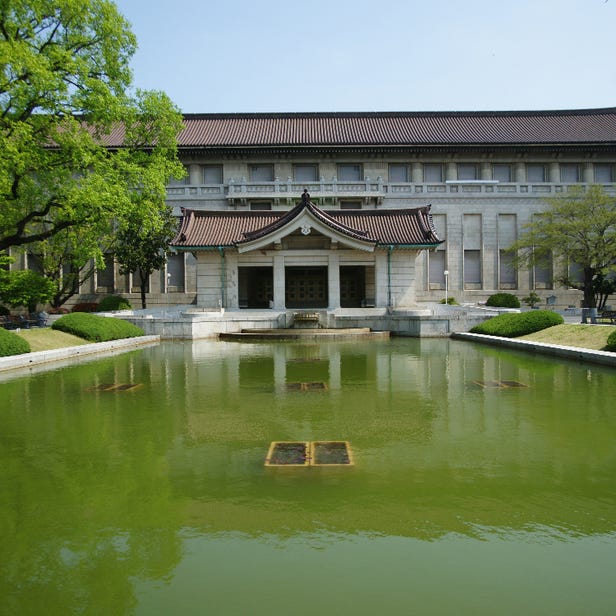
Japanese Gallery (Honkan) Room 4
Tea drinking and its role in society changed over time. In the 12th century, Zen monks introduced a new kind of tea drinking from China: green tea was ground into a powder and mixed with hot water. Monks drank this tea as a medicine and to stay awake during meditation.
Before long, the samurai also began to drink tea and competed for prizes in blind tasting competitions. In the 14th and 15th centuries, the elite samurai who ruled Japan focused on the aesthetics of tea drinking. They collected valuable Chinese works like paintings and tea bowls, displaying and using them during tea gatherings.
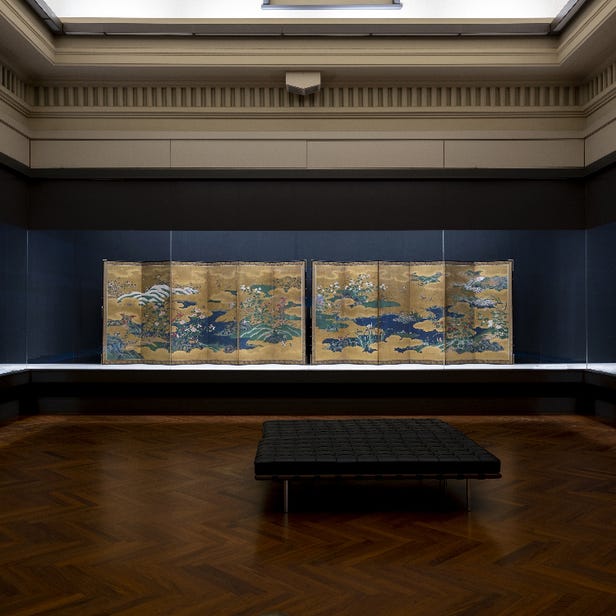
A century later, Sen no Rikyū (1522–91) established the foundations of the tea ceremony. When serving tea, he used valuable Chinese works together with simple utensils. He also stressed humility and the beauty of imperfection. Elite samurai practiced his style and its variations as a social, aesthetic, and spiritual pursuit.
10 result(s)
-
 Limited time
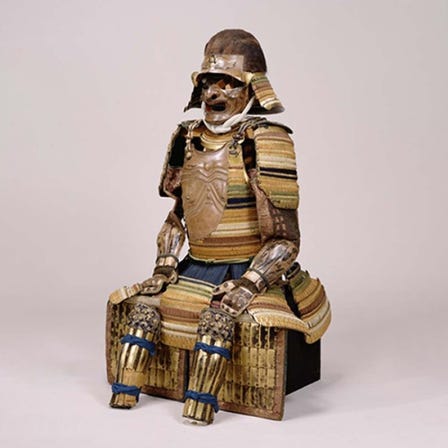
Arms and Armor of the Samurai | 12th–19th century Until 12 April 2026
View Event Description & Conditions- Dates 10 February 2026, 9:30AM - 12 April 2026, 5:00PM
-
Event Details
Japanese Gallery (Honkan) Rooms 5 & 6
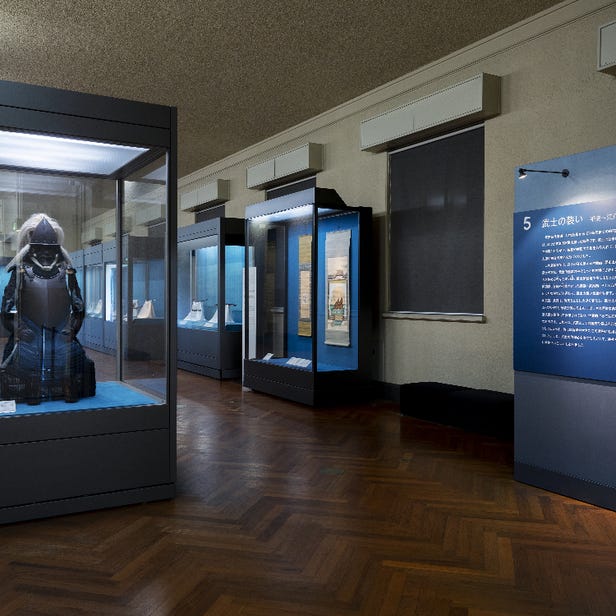
The samurai ruled Japan for nearly 700 years, from the late 12th to the 19th century. They emulated the imperial court, which was the home of high culture, but also borrowed from the practices of common people. Wishing for divine protection in this life and salvation in the next, they worshipped both Shinto and Buddhist deities. The culture of the samurai was complex and ever–changing, but always reflected their authority as the warrior class of Japan.
This gallery focuses on the most prominent symbols of samurai authority: swords, armor, and other military equipment. These had many purposes. Through diverse colors and materials, they showed the tastes of their owners. Differences in shape and construction reflected differences in rank and social standing. Many samurai passed down this equipment as heirlooms, while high–ranking samurai exchanged it as diplomatic gifts. Swords and armor were also donated to Buddhist temples and Shinto shrines in prayer for victory in battle.
-
Limited time
Tea Ceremony Until 19 April 2026
View Event Description & Conditions- Dates 10 February 2026, 9:30AM - 19 April 2026, 5:00PM
-
Event Details
Japanese Gallery (Honkan) Room 4
Tea drinking and its role in society changed over time. In the 12th century, Zen monks introduced a new kind of tea drinking from China: green tea was ground into a powder and mixed with hot water. Monks drank this tea as a medicine and to stay awake during meditation.
Before long, the samurai also began to drink tea and competed for prizes in blind tasting competitions. In the 14th and 15th centuries, the elite samurai who ruled Japan focused on the aesthetics of tea drinking. They collected valuable Chinese works like paintings and tea bowls, displaying and using them during tea gatherings.
A century later, Sen no Rikyū (1522–91) established the foundations of the tea ceremony. When serving tea, he used valuable Chinese works together with simple utensils. He also stressed humility and the beauty of imperfection. Elite samurai practiced his style and its variations as a social, aesthetic, and spiritual pursuit.
-
 Limited time
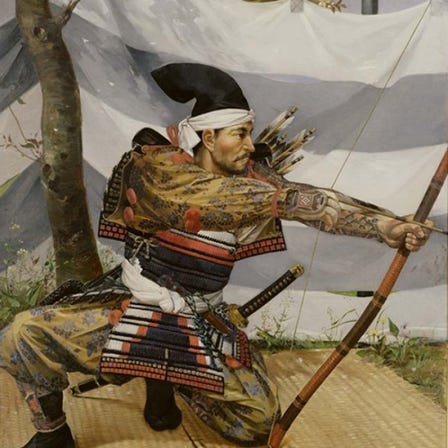
Art of the Modern Era | Late 19th–first half of 20th century Until 19 April 2026
View Event Description & Conditions- Dates 10 February 2026, 9:30AM - 19 April 2026, 5:00PM
-
Event Details
Japanese Gallery (Honkan) Room 18
Drastic changes in the late 19th century created new challenges for artists. The samurai government that had strictly regulated contact with the outside world collapsed in a civil war. Japan's new leaders announced the start of the Meiji era (1868–1912), engaging with the world and reforming their nation to be more like “the West” (mainly Europe and the United States).
These leaders soon realized that works produced in Japan were not seen as “fine art” in the West. Artisans often mounted paintings on sliding doors and folding screens, but this practice made them look like furniture to Europeans and Americans. Japan's ceramics, lacquerware, metalwork, and textiles were also labeled as “decorative art” rather than “fine art.”
In response, artistic traditions were changed to meet Western standards. Japan's leaders established schools of fine art, organized national exhibitions, and urged artists to participate in world fairs. They intended to show the world that Japan was a “modern” nation with sophisticated arts and culture. The works on display reflect how Japanese artists met these challenges.
-
 Limited time
Sculptures from India and Gandhara Until 28 June 2026
View Event Description & Conditions- Dates 10 February 2026, 9:30AM - 28 June 2026, 5:00PM
-
Event Details
Asian Gallery (Toyokan) Room 3
This gallery introduces Buddhist and Hindu sculptures from India and Gandhara. Buddhist art flourished in northern India during the Kushan dynasty (1st–3rd century). The production of Buddhist statues began in Gandhara (northwestern Pakistan) and Mathura (northern and central India) around the 1st century, with a particular emphasis on sculptures depicting the life of Gautama Buddha in Gandhara.
-
 Limited time
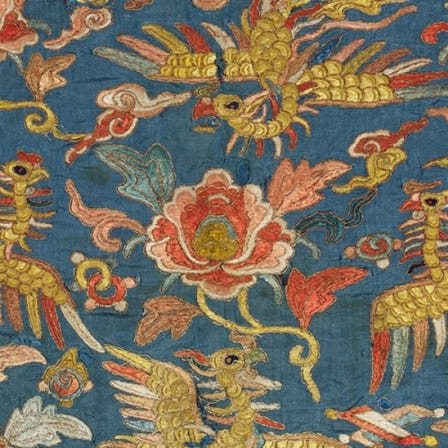
Symbols of Good Fortune in Chinese Textiles Until 19 April 2026
View Event Description & Conditions- Dates 10 February 2026, 9:30AM - 19 April 2026, 5:00PM
-
Event Details
Asian Gallery (Toyokan) Room 5
Since ancient times, people in China have expressed their hopes for health and happiness by decorating their clothing and everyday items with symbols associated with good fortune.
For example, the dragon was used to signify good fortune and virtue, while also serving as a symbol of strength and the emperor. Similarly, the peony represented wealth and nobility, while chrysanthemums, peaches, and butterflies symbolized eternal youth and longevity.
-
 Limited time
Korean Ceramics Until 28 June 2026
View Event Description & Conditions- Dates 10 February 2026, 9:30AM - 28 June 2026, 5:00PM
-
Event Details
Asian Gallery (Toyokan) Room 10
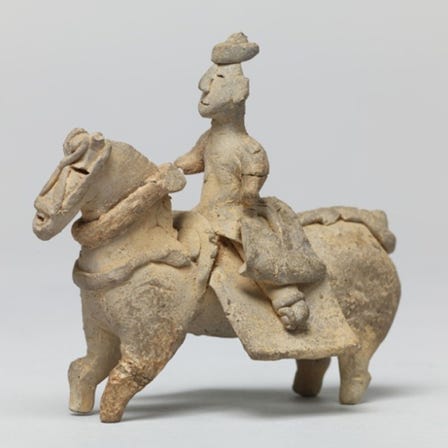
This gallery introduces Korean ceramics from the Proto-Three Kingdoms period (ca. 1st century BC–3rd century AD) to the Joseon dynasty (1392–1910). The development of Korean ceramics during the Proto–Three Kingdoms period was influenced by the Lelang Commandery, an outpost established by China’s Han dynasty in the northern part of the Korean Peninsula. Rulers of powerful states struggled for supremacy during this period, resulting in a rich variety of distinct ceramic aesthetics in each region. Under Chinese influence, a blue-green glaze called celadon began to be produced in Korea during the Goryeo dynasty (935–1392). Over time, celadon wares took on a distinct gray-green coloring that came to be known as Goryeo celadon. The production of pottery then diversified during the Joseon dynasty to include white porcelain and Buncheong ware, a type of stoneware often featuring designs in white slip and iron pigment.
-
 Limited time
Art of the Joseon Dynasty Until 19 April 2026
View Event Description & Conditions- Dates 10 February 2026, 9:30AM - 19 April 2026, 5:00PM
-
Event Details
Asian Gallery (Toyokan) Room 10
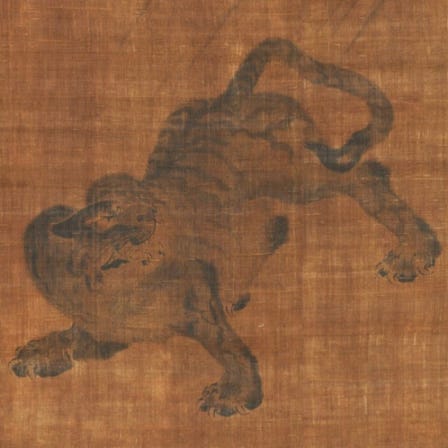
This gallery features Korean furniture, clothing, and room decor from the Joseon dynasty (1392–1910). While the costumes, furniture, tableware, and stationery each possessed individual beauty, their appeal was enhanced by their placement in living spaces.
-
 Limited time
Khmer Sculpture Until 19 April 2026
View Event Description & Conditions- Dates 18 June 2025, 9:30AM - 19 April 2026, 5:00PM
-
Event Details
Asian Gallery (Toyokan) Room 11
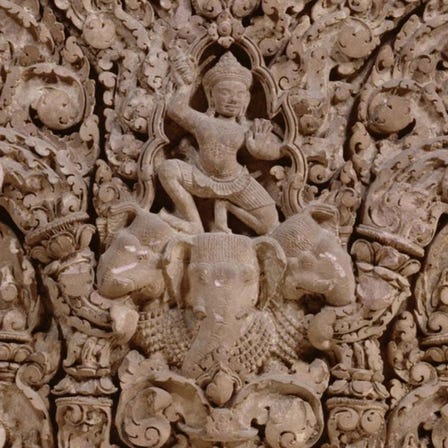
Cambodia’s Angkor period (ca. 9th century–15th century) saw the development of a unique Khmer culture, as epitomized by Angkor Wat, a huge temple complex built from the end of the 11th century to the 12th century during the golden age of the Khmer Empire. This section introduces Khmer sculpture, with a focus on Buddhist and Hindu statues and reliefs from Angkor’s temples. These were acquired in 1944 through an exchange project with the French research institute the French School of the Far East.
-
 Limited time
Chinese Buddhist Sculpture Until 19 April 2026
View Event Description & Conditions- Dates 8 May 2025, 9:30AM - 19 April 2026, 5:00PM
-
Event Details
Asian Gallery (Toyokan) Room 1
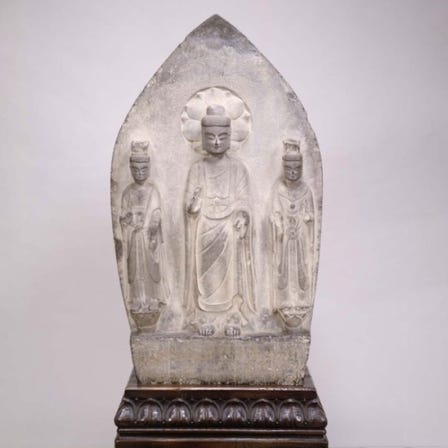
Buddhism began to spread in China around the turn of the first millennium, about 500 years after its founding in India. In the 5th and 6th centuries, the number of Chinese Buddhists rapidly increased and numerous temples were established. This gallery presents Buddhist statues created from the 5th to 9th century, a golden age in the history of Chinese sculpture.
-
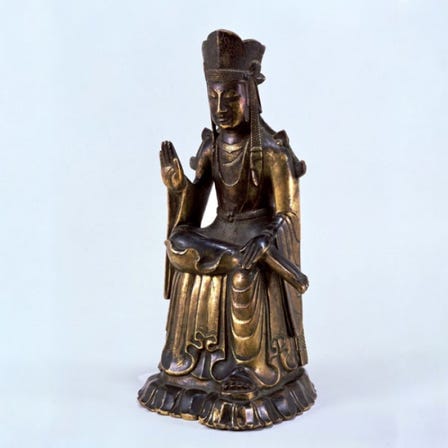 Limited time
Gilt Bronze Buddhist Statues, Halos and Repoussé Buddhist Images Until 19 April 2026
View Event Description & Conditions- Dates 8 May 2025, 9:30AM - 19 April 2026, 5:00PM
-
Event Details
The Gallery of Horyuji Treasures Room 2
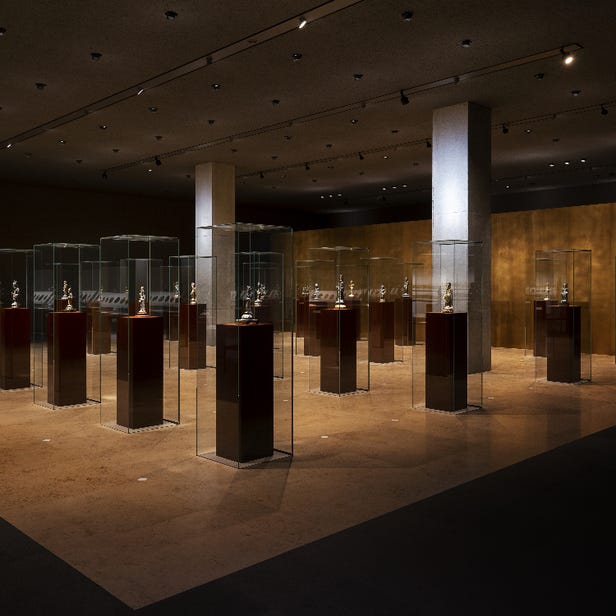
All of the 48 works of gilt bronze Buddhist statues in the Hōryūji Treasures are no more then 30–40 cm in height, and many of them are believed to have been used for private worship by local rulers. The halos date from around the same time as these gilt bronze statues, but they are displayed separately.
Repoussé Buddhist images could be mass-produced by placing a thin sheet of bronze over a relief image of a Buddhist divinity and hammering it into shape. In Japan, repoussé images flourished from the second half of the 7th to the early 8th century and were mostly hung on the walls of temple halls or kept in small shrines for private worship. The repoussé Buddhist images among the Hōryūji Treasures are a very important collection, not only in terms of age and number, but also for the variety of images.
※ The above information was correct at the time of updating, but there may be changes to actual prices. Please confirm the current prices when visiting.