




Japan and South Korea may be close neighbors, but spend a few days in each and the little differences quickly start piling up.
From buses and convenience stores to eating alone, customer service, public baths, and just how spicy “spicy” really is, everyday life can feel surprisingly different.
We asked a Korean woman about the things that stood out most to her while visiting Japan. Here are eight that caught her attention.
1. “The buses feel so calm!”
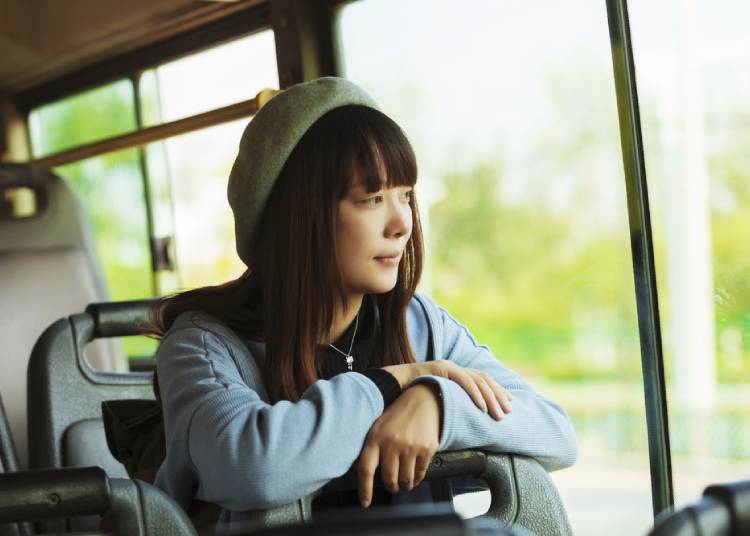
“One thing that surprised me was how relaxed I felt riding buses in Japan. The driving often feels very smooth and careful, so I can just sit back without worrying too much.”
For many travelers, Japanese public transportation can feel remarkably orderly. City buses tend to accelerate and brake gently, stops are clearly announced, and drivers usually take plenty of care when passengers are getting on or off.
Of course, driving styles vary from city to city in both Japan and Korea. But for her, Japan’s buses immediately felt calmer and more leisurely than what she was used to back home.
2. Eating alone is totally normal
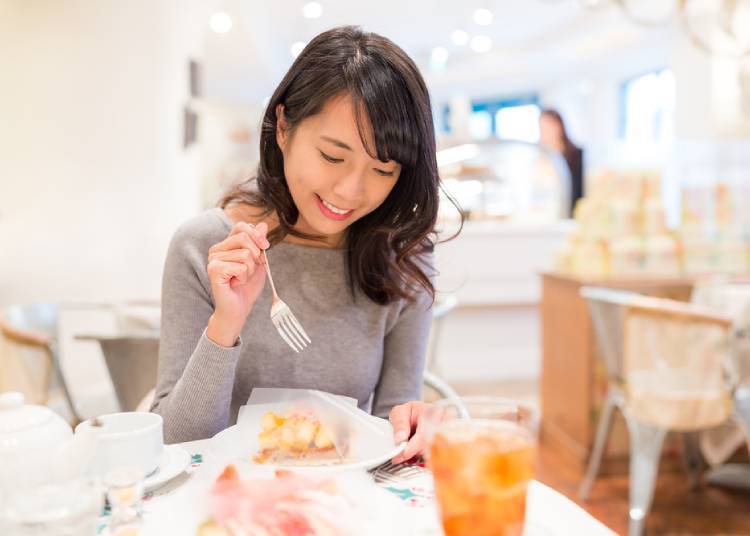
“In Korea, I used to feel a little self-conscious going to restaurants or cafés by myself. In Japan, I noticed lots of people eating alone, and nobody seemed to think twice about it.”
Japan is particularly friendly to solo diners. Ramen shops, beef-bowl restaurants, cafés, sushi counters, and even some yakiniku restaurants have seats designed specifically for one person.
Some restaurants even use partitions between seats, making it easy to enjoy a quick meal without feeling awkward.
And it goes beyond food. Solo karaoke rooms are common, while attractions and theme parks sometimes have systems that make it easier for individual visitors to enjoy rides without waiting for a full group.
For anyone who enjoys doing things at their own pace, Japan can feel wonderfully low-pressure.
3. Convenience stores are ridiculously good
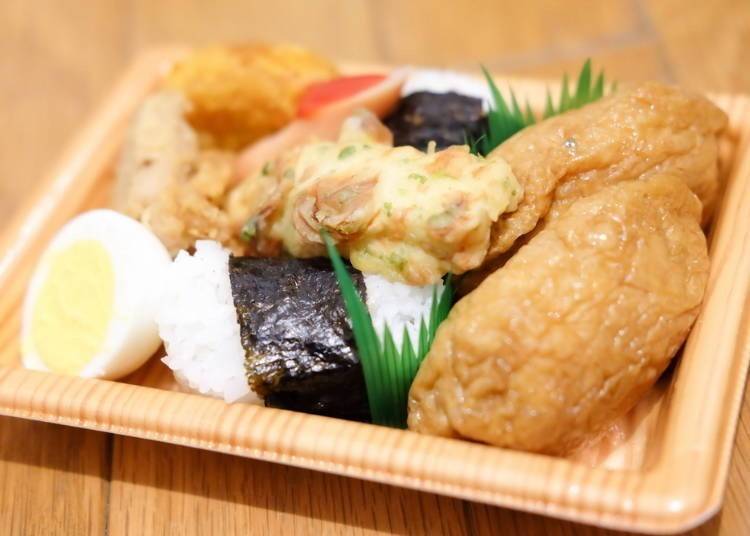
“Japanese convenience stores really shocked me. There’s so much food! Hot snacks, desserts, bento boxes, healthier options...sometimes it feels more like a tiny deli than a convenience store.”
Japanese convenience stores, or konbini, have long been a favorite discovery among international visitors.
Beyond drinks and snacks, you’ll find rice balls, sandwiches, noodles, fried chicken, steamed buns, salads, desserts, seasonal sweets, and surprisingly elaborate bento boxes.
And food is only half the story. Depending on the store, you may also be able to use an ATM, print documents, pay bills, buy tickets, or have packages delivered.
Korean convenience stores are impressive in their own right, especially when it comes to drinks, instant noodles, and trendy new products. But she was particularly struck by the sheer variety of ready-to-eat food available in Japan.
4. The customer service feels incredibly attentive

“Staff in Japanese shops always seem so focused on their work. Even when the store is quiet, they’re cleaning, arranging products, or doing something.”
Japan is famous for its customer service, and it is often one of the first cultural differences visitors notice.
Walk into a shop and you may immediately hear a cheerful irasshaimase. Purchases are carefully handled, bags are neatly packed, and staff frequently use highly polite language even for the smallest interaction.
What stood out to her was not just the politeness, but the sense that employees seemed constantly attentive to what was happening around them.
It can feel surprisingly formal, especially if you come from somewhere where service interactions are more casual.
5. But Korean shop staff can feel more chatty and familiar

“Japanese service is extremely polite, but sometimes it feels a little formal. In Korea, it can be much easier to joke around with the person working at a restaurant, even if you’ve only just met.”
This was one difference where she actually preferred the Korean style.
In small Korean restaurants, customers and owners may chat casually, ask for a little extra food, or joke with each other. Depending on the setting, staff can feel less like service professionals and more like friendly neighborhood acquaintances.
In Japan, relationships with shop owners can certainly become warm and familiar too, but that usually happens after becoming a regular.
Neither approach is necessarily better. They simply create very different atmospheres: polished and courteous in one place, casual and conversational in another.
6. Public transportation in Japan can get expensive fast
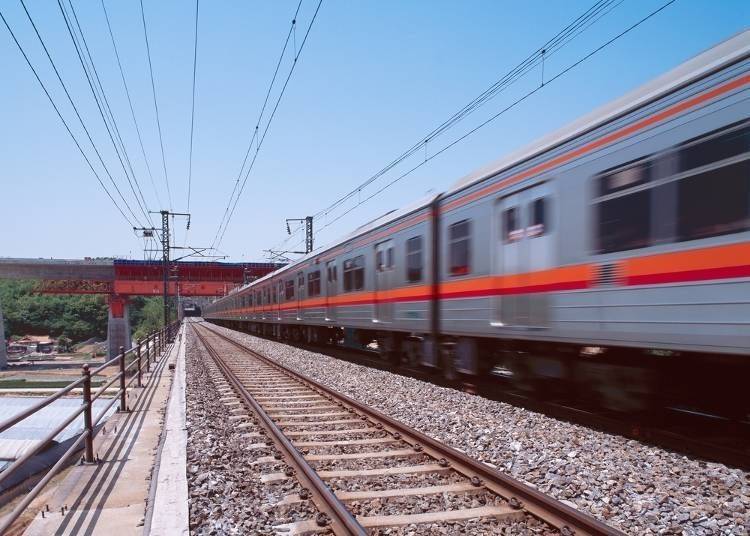
“Japan’s trains are extremely convenient, but I was surprised by how quickly transportation costs added up. In Korea, getting around by public transport often feels much cheaper.”
Japan’s railway network is one of the most extensive in the world, especially in major cities such as Tokyo and Osaka.
The downside? Fares can add up.
Different railway companies operate separate networks, and transferring between operators may mean paying a new fare. Visitors hopping between attractions all day can therefore spend more than expected.
South Korea also has a highly developed public transportation system, but integrated fare systems and transfer discounts can make journeys feel comparatively inexpensive.
For travelers in Japan, this is one reason unlimited subway passes, regional rail passes, and carefully planned sightseeing routes can sometimes be worth considering.
7. “Wait...Japanese people don’t scrub at the bathhouse?”
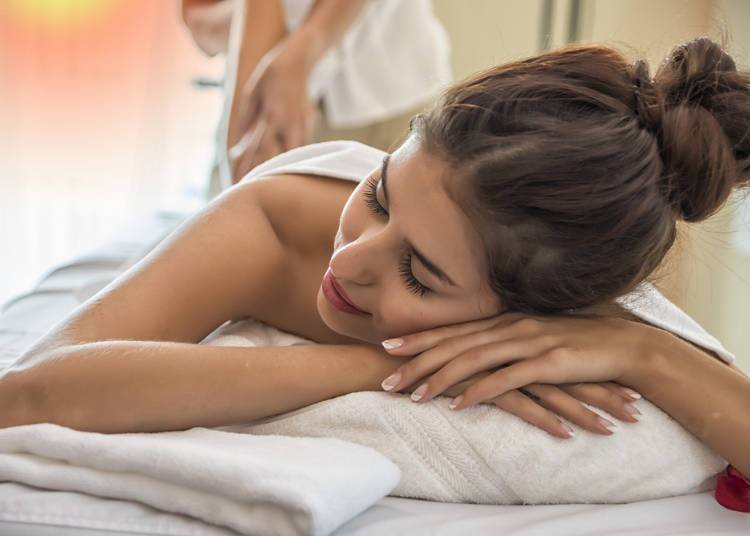
“One thing I genuinely found surprising was that body scrubbing isn’t nearly as common in Japan. In Korea, bringing a scrubbing towel to the public bath is completely normal!”
This is a fun example of how two countries with strong public-bathing cultures can still do things very differently.
At Korean public bathhouses and jjimjilbangs, vigorous body scrubbing is a familiar part of the experience. Some facilities even have professional scrubbers who provide the service.
Japan has body-scrubbing treatments too, but they are nowhere near as central to everyday bathing culture.
Japanese onsen etiquette instead focuses heavily on washing yourself thoroughly before entering the communal bath, then relaxing quietly in the hot water.
So despite the similarities between Japanese and Korean bath culture, this particular ritual can come as a genuine surprise.
8. “Japan’s idea of spicy is...not spicy!”
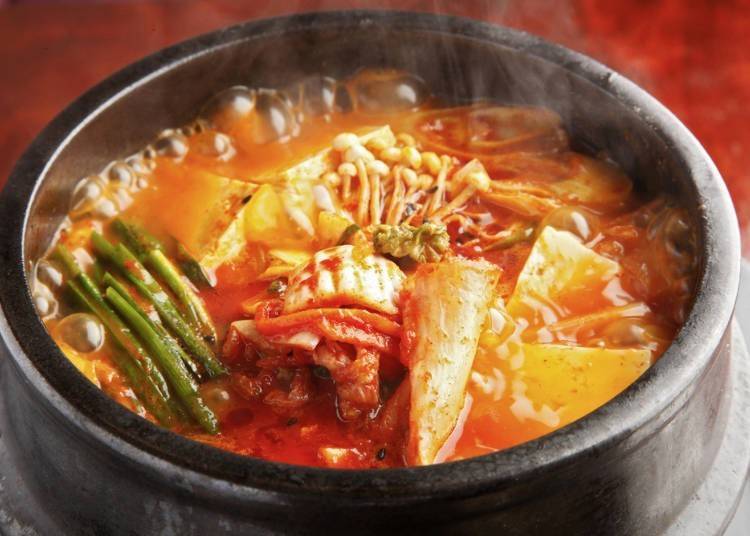
“Sometimes I order something in Japan labeled ‘very spicy,’ take one bite, and wonder where the spice went! Our definitions of spicy are definitely different.”
For someone raised on kimchi, spicy stews, gochujang, and fiery instant noodles, Japan’s standard spice level can sometimes feel rather gentle.
Japanese cuisine certainly has its spicy side, from wasabi and karashi mustard to spicy ramen and increasingly popular super-hot curry dishes. But the everyday baseline is generally milder than in Korea.
That can lead to some amusing misunderstandings.
A Japanese friend might warn you that something is “really spicy,” while a Korean diner happily keeps eating without breaking a sweat. Meanwhile, a dish described by a Korean friend as “not spicy at all” could leave an unprepared visitor desperately reaching for water.
When it comes to spice, apparently everything is relative.
Different countries, different everyday surprises
Japan and South Korea share plenty of cultural similarities, but small differences in transportation, eating habits, customer service, bathing culture, and food can make traveling between the two surprisingly interesting.
And that is part of the fun of visiting another country. Sometimes the most memorable discoveries are not famous landmarks at all, but the tiny everyday things you never expected to notice.
- Area
- Category
*Prices and options mentioned are subject to change.
*Unless stated otherwise, all prices include tax.
Popular Tours & Activities
Recommended places for you
-
Tokyo Metropolitan Government
Landmarks
Shinjuku
-
Naritasan Shinshoji Temple
Temples
Narita
-
The Tokyo Station Marunouchi Building
Landmarks
Tokyo Station
-
Ameyoko Shopping Street
Old Towns (Shitamachi)
Ueno
-
Tsukiji Outer Market
Old Towns (Shitamachi)
Tsukiji
-
The Imperial Palace
Other Architecture
Tokyo Station
-

The Best Sumo Experiences in Tokyo: Morning Practices vs. Sumo Shows
-
Just 2 Hours from Tokyo! Escape to Yamanashi's NIPPONIA Kosuge, Where an Entire 700-Person Village Becomes Your Hotel
by: Alice Lee
-
Autumn in Japan 2026: Fall Foliage Forecast & Where to Enjoy the Colorful Leaves (+Tour Info)
-
Japan's New GREEN LIFESTYLE TRAIN Connects Tokyo, Yokohama, and a Greener Future
by: Guest Contributor
-
Ad
Pocket WiFi Rental in Japan 2026: Complete Price Comparison & Where to Get the Best Deal
-
Haneda Airport Duty-Free Shopping Guide: What to Buy, How to Save & Where to Eat Before Your Flight
by: Guest Contributor
Inspiration for Accommodations
-

Family-Friendly Hotels with Free Shuttle to Disneyland: Convenient Access for a Magical Stay
-
Top Ranked Hakone Hotels with Mt. Fuji View: Enjoy Stunning Scenery from Your Private Space
-
Convenient Tokyo Hotels with Airport Shuttle: Ideal for Families and Heavy Luggage
-
9 Family-Friendly Hotels with Comfortable Family Rooms in Asakusa
-
10 Open-air bath Onsen Ryokans in Hakone for Ultimate Relaxation
-
Healthcare in Japan for Tourists: What to Do When You Get Sick or Injured in Japan
-
Meiji Shrine (Meiji Jingu): Exploring the Sacred Sanctuary of Peace in Bustling Tokyo
-

'Japanese People Are so Different at Rush Hour!' 8 Things That Shocked Foreign Visitors
-

So why do you get naked? 6 Japanese customs that shocked foreigners
-
So You Think Your Commute Is Tough? Check Out Japan's Top 10 Most Crowded Commuter Trains!
-
16 Secrets About Mt. Fuji, the Symbol of Japan: Even Japanese People Don’t Know That?!
by: Guest Contributor
- #best ramen tokyo
- #what to buy in ameyoko
- #what to bring to japan
- #new years in tokyo
- #best izakaya shinjuku
- #things to do tokyo
- #japanese nail trends
- #what to do in odaiba
- #onsen tattoo friendly tokyo
- #daiso
- #best sushi ginza
- #japanese convenience store snacks
- #best yakiniku shibuya
- #japanese fashion culture
- #best japanese soft drinks