





Tokyo's Edo-Tokyo Museum Is Back! Inside the Huge 2026 Reopening
- Written by: Shingo Teraoka
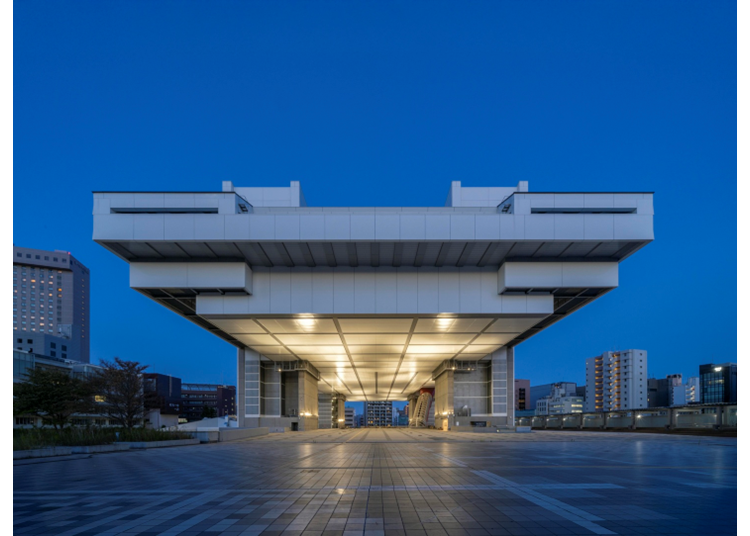
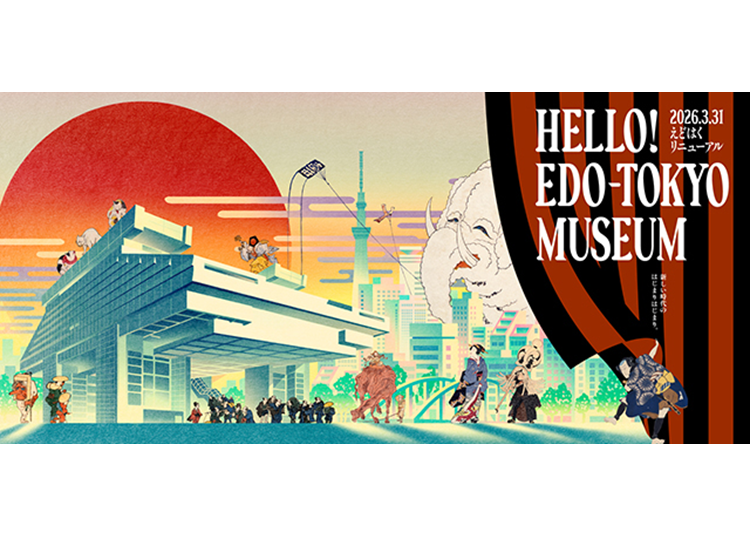
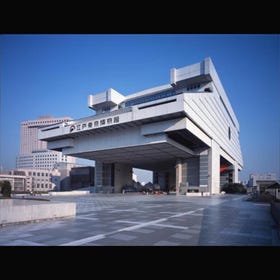
In 2026, one of Tokyo’s most iconic landmarks returns, newly renewed and more engaging than ever. The Edo-Tokyo Museum, affectionately known as Edo-haku, has announced its long-awaited reopening on March 31, 2026, following a major four-year renovation.
Since first opening in 1993, the museum has been loved by generations of visitors for its immersive look at Tokyo’s history, from the Edo period to the modern day. With its transformation now complete, the museum is set to reintroduce itself as a renewed symbol of Ryogoku and a must-see destination in Tokyo.
This article was created based on the press release issued by the Tokyo Metropolitan Foundation for History and Culture.
So… What Exactly Is “Edo”?
You might hear the name Edo-Tokyo Museum and wonder, What is “Edo,” anyway? You are not alone.
“Edo” is the former name of what we now call Tokyo. The area where today’s Imperial Palace stands was once Edo Castle, the seat of power for the Tokugawa shoguns. For roughly 260 years, from 1603 to 1868, Japan was ruled from here. This period is known as the Edo period.
It was an era that shaped much of what people associate with Japan today. Sushi and tempura took root as everyday foods. Kabuki theater and ukiyo-e woodblock prints flourished. A vibrant merchant culture emerged, giving rise to fashion, entertainment, and city life that still influence Tokyo’s identity.
The Edo-Tokyo Museum brings this story to life by tracing nearly 400 years of history, from Edo to modern Tokyo. Walking through the exhibits feels less like reading a timeline and more like stepping into a time machine that shows how a samurai-era city grew into one of the world’s most dynamic capitals.
The New Evolution: Highlights of the Renovation
This reopening is more than a refresh. It is a full rethink of how visitors experience Tokyo’s past.
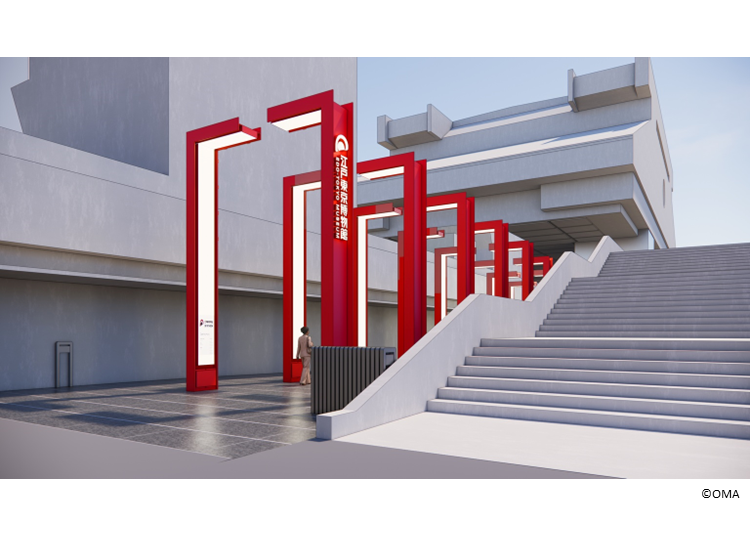
The renovation was overseen by world-renowned architect Shohei Shigematsu, who supervised the spatial design with a focus on immersion. At the ground-floor approach, a striking object inspired by a torii gate now marks the transition from modern Tokyo into the world of Edo, setting the tone from the moment you arrive.
Inside, the museum leans heavily into large-scale visuals. Dynamic projections using items from the collection appear throughout the space, while the permanent galleries feature immersive sky imagery that shifts between Edo-era and contemporary Tokyo. The result is a more atmospheric, cinematic way to move through history.
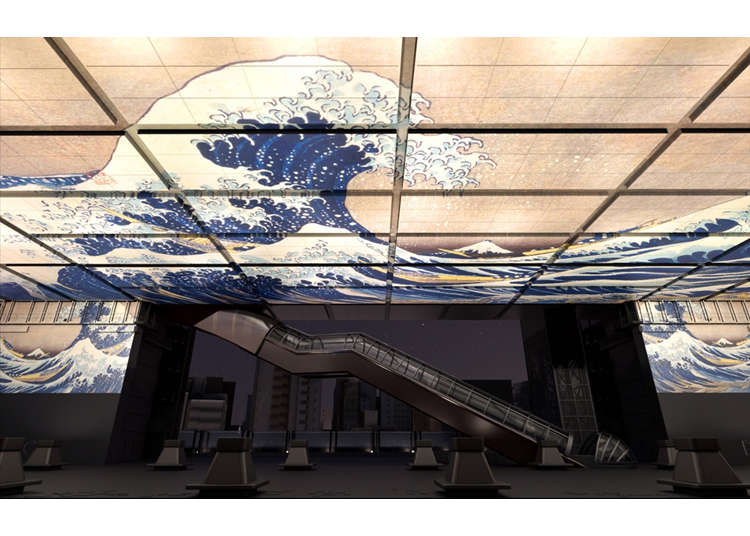
One of the biggest crowd-pleasers is the expanded Edo streetscape. New stall displays, including an asagao (morning glory) seller and a tempura stand, recreate the everyday bustle of the old city. Visitors can also step inside the legendary kabuki playhouse Nakamuraza, offering a rare look at what theatergoing was like centuries ago.
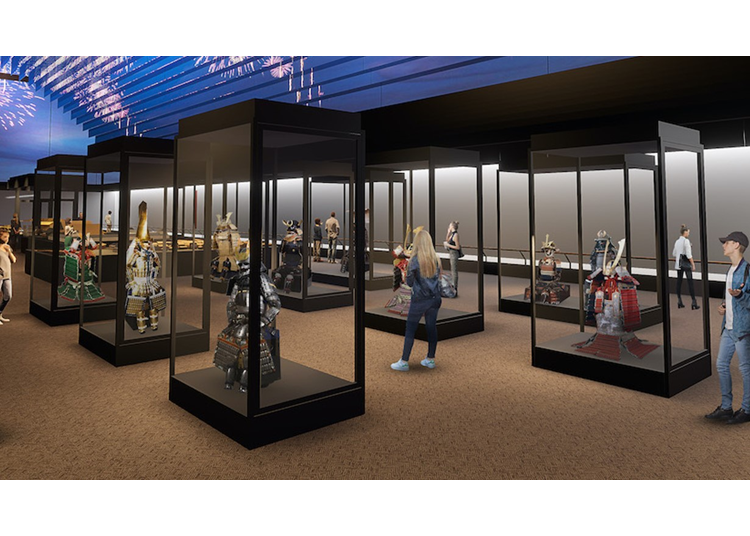
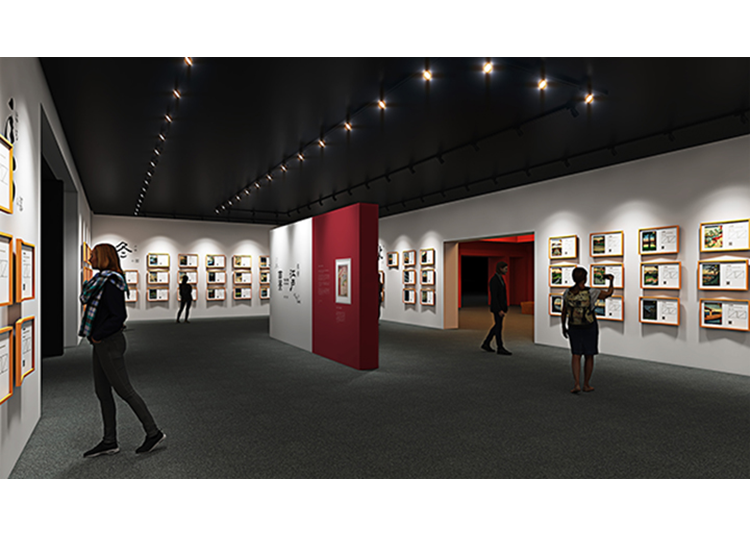
Behind the scenes, major upgrades were made as well. Both the interior and exterior have been renewed, the massive roof improved for insulation and waterproofing, and climate control systems modernized. Energy efficiency has been enhanced, and barrier-free access has been significantly improved, making the Edo-Tokyo Museum more comfortable and accessible for all visitors.
Gourmet Delights: New Restaurants & Cafes
The museum's offerings extend beyond exhibits to the D!G TOKYO gift shop and revamped dining venues.
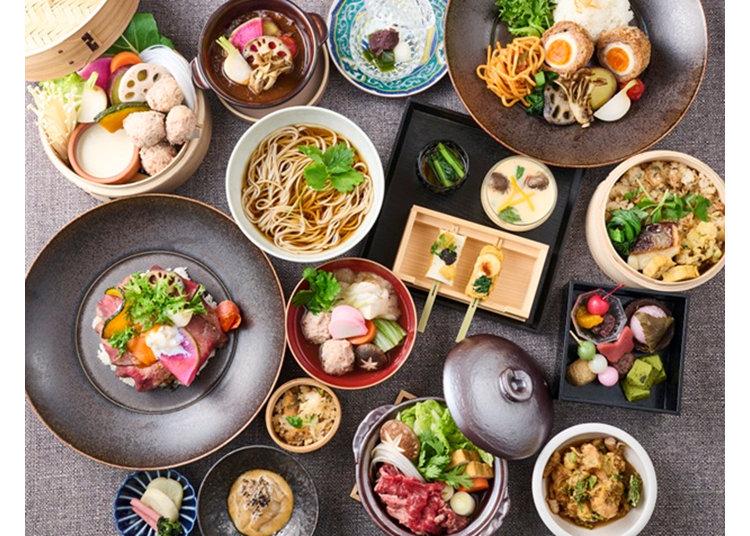
Koyomi
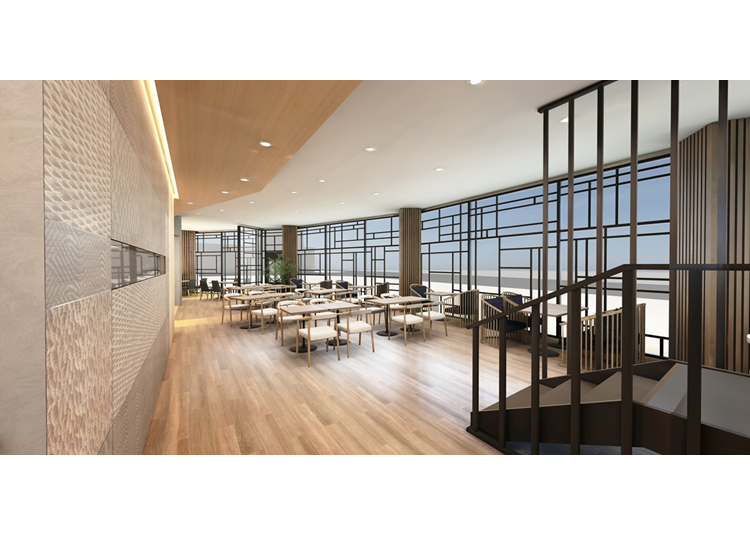
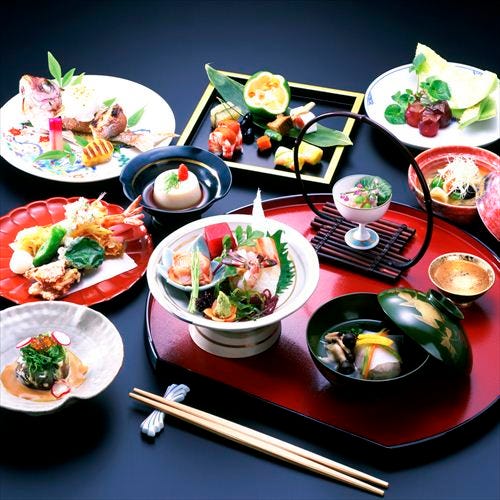
This Japanese dining restaurant serves classic Edomae flavors such as soba, tempura, and sushi, alongside Western-style dishes that originated in Japan, all in a clean, modern setting.
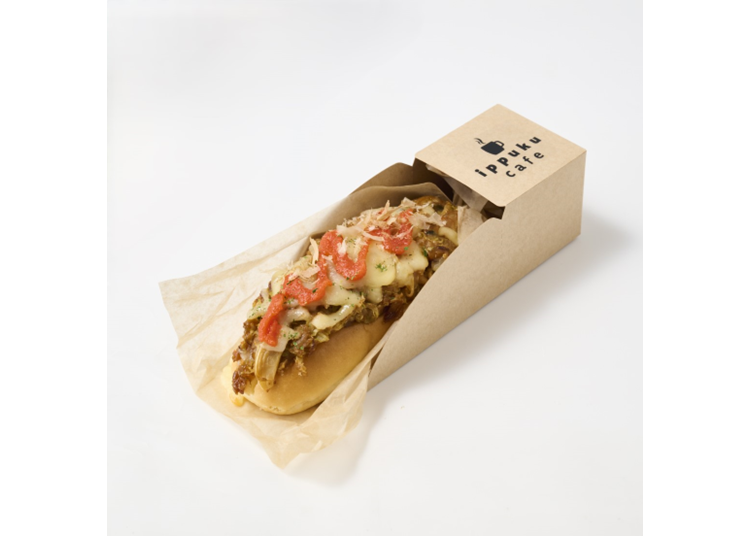
ippuku cafe
A calm stop for after your tour, offering charming Japanese sweets and matcha-based desserts, ideal for a relaxed break before heading back into the city.
Watch this video to see the exhibits from the Edo-Tokyo Museum before its renovation (note: this is not the Oedo Museum). Given the scale of the museum, you will need at least one hour to explore. We highly recommend adding this to your 2026 Tokyo itinerary now!
-

-
Address
1-4-1, Yokoami, Sumida-ku, Tokyo, 130-0015
View Map -
Nearest Station
Ryogoku Station (Toei Oedo Line / JR Sobu Line)
1 minute on foot
- Phone Number 03-3626-9974
-
Address
1-4-1, Yokoami, Sumida-ku, Tokyo, 130-0015
FAQ
Q1.When will the museum be open to the public?
A: March 31, 2026.
Q2.How do I get to the museum?
A: 3-min walk from JR Ryogoku Station West Exit.
1-min walk from Toei Oedo Line Ryogoku Station Exit A3/A4.
Q3.What is the admission fee?
A: Adults: 800 yen, Seniors (65+): 400 yen, Students: 300-480 yen, Junior High & below: Free.
Image Source & Press Release: Tokyo Metropolitan Foundation for History and Culture (via PR TIMES)


Deputy General Manager
LIVE JAPAN
From Chiba Prefecture, he works extensively with Japan's Tourism Agency and local governments to promote the country's appeal worldwide, frequently traveling across Japan. His diverse achievements include the comprehensive production of a Japanese cuisine event at the National Treasure Geihinkan Akasaka Palace and delivering seminar lectures for the Tokyo Olympic and Paralympic Games Preparation Bureau. Drawing from past experiences, he developed a multilingual information system to assist foreign tourists during major disasters. Recognized by the Japan Institute of Information Technology as an "exceptional professional in IT-related fields," he brings a wealth of expertise to his work. In his free time, he enjoys visiting onsen, exploring cities, and savoring good drinks. Driven by the philosophy of "striving for the 1%," he oversees service operations, aiming to create truly valuable experiences.
- Area
- Category
*Prices and options mentioned are subject to change.
*Unless stated otherwise, all prices include tax.
Popular Tours & Activitiess
Recommended places for you
-

No Suitcases, No Stress! Tokyo's Haneda Airport Begins New Same-Day Haneda Luggage Delivery
by: Guest Contributor
-
This Spring, Taste Japan's Finest Sake in Tokyo! CRAFT SAKE WEEK Returns to Roppongi Hills
by: Timothy Sullivan
-

Front-Row Seat by the Sea: Inside the Newly Opened La Vista Atami Terrace and Its Unique Everyday Escape
by: Yukiko Honda
-
Feel Shibuya in a New Way! Enjoy A Cultural Ride on the Open-Top SHIBUYA STREET RIDE
by: Guest Contributor
-
Ad

Sharing Japan's Secrets of Longevity with the World: "Noage International" Delivers a New Medical Tourism Experience
-
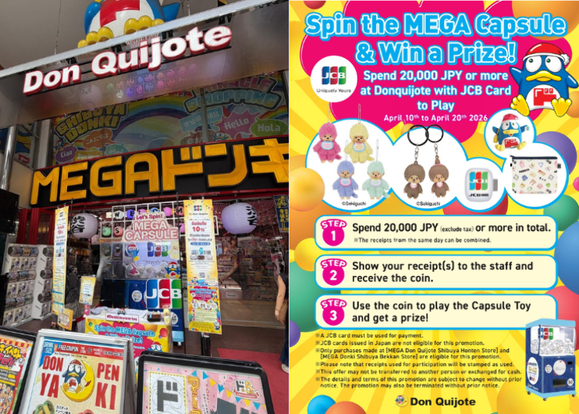
Giant Gacha Machine Appears at MEGA Don Quijote Shibuya! Shop with Your International JCB Card to Win Exclusive Prizes
Inspiration for Accommodations
-
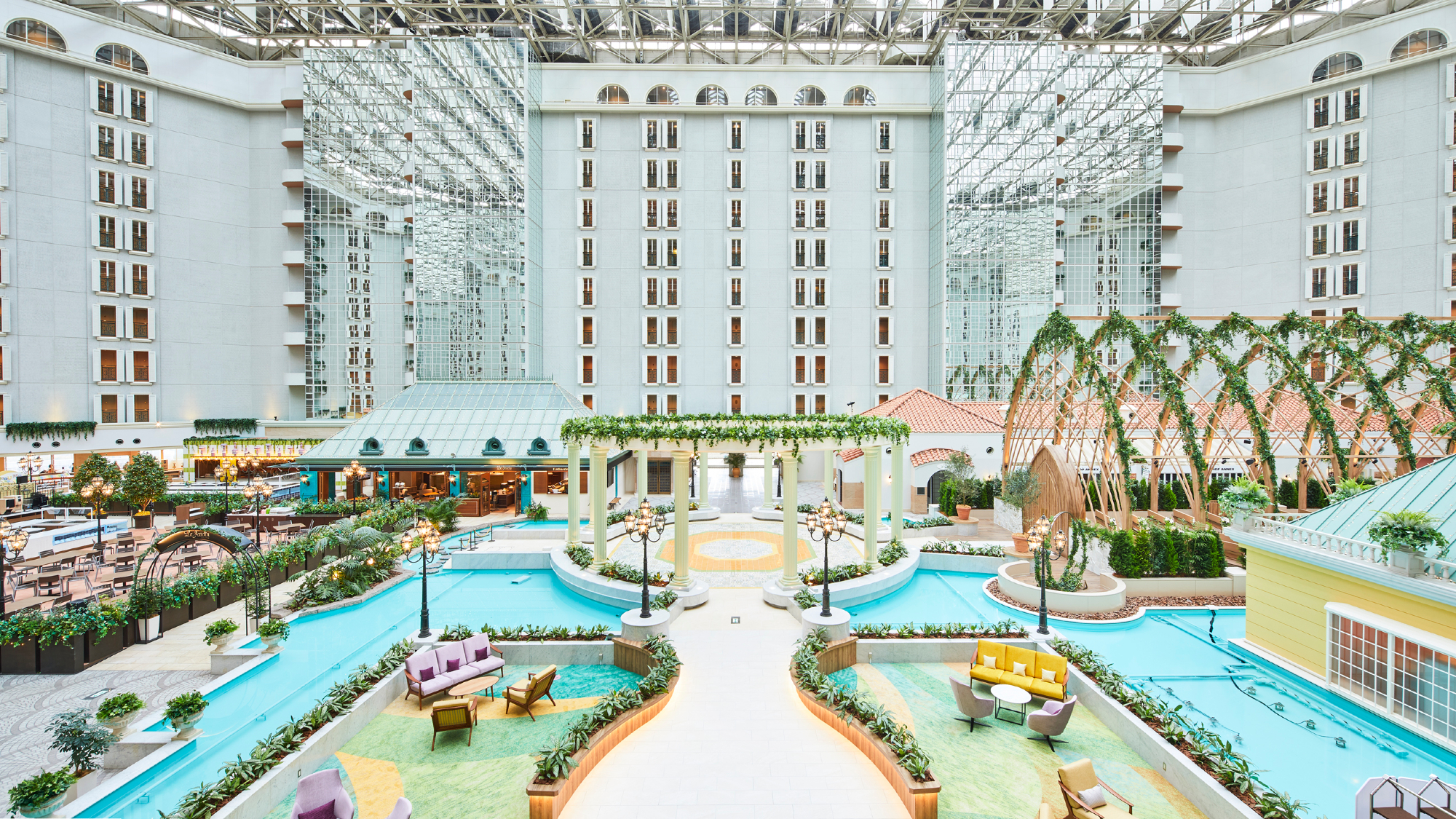
Family-Friendly Hotels with Free Shuttle to Disneyland: Convenient Access for a Magical Stay
-
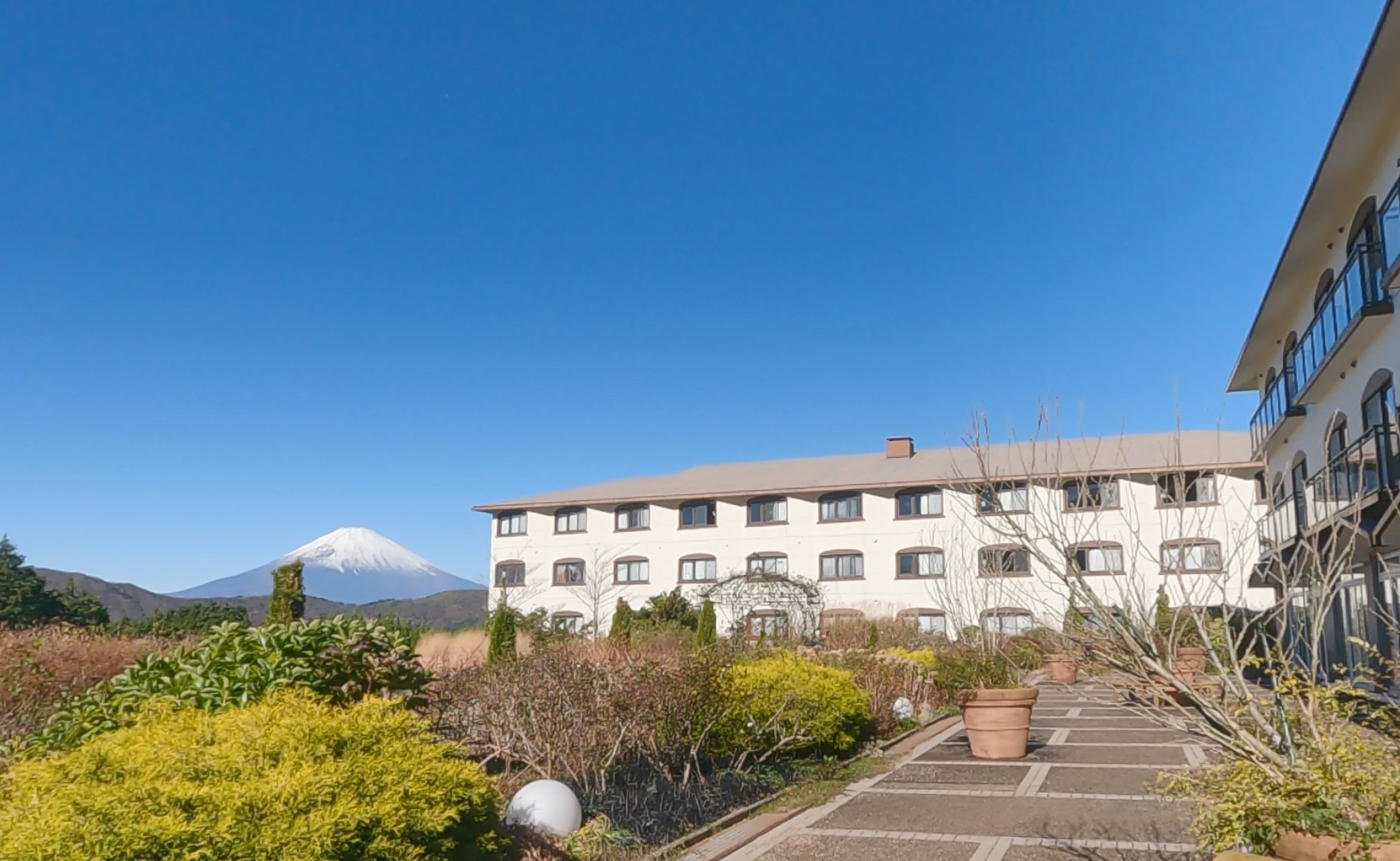
Top Ranked Hakone Hotels with Mt. Fuji View: Enjoy Stunning Scenery from Your Private Space
-
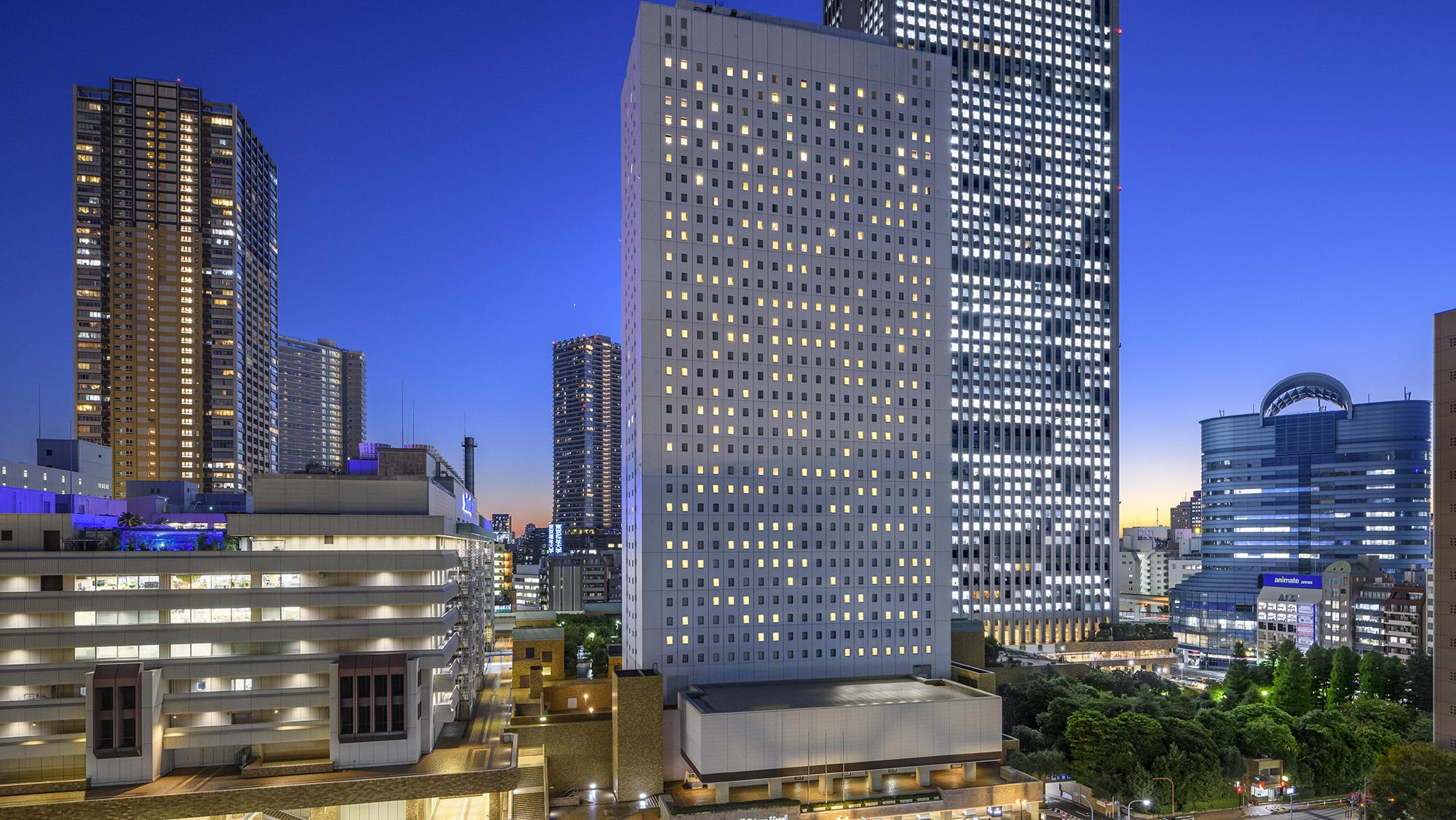
Convenient Tokyo Hotels with Airport Shuttle: Ideal for Families and Heavy Luggage
-
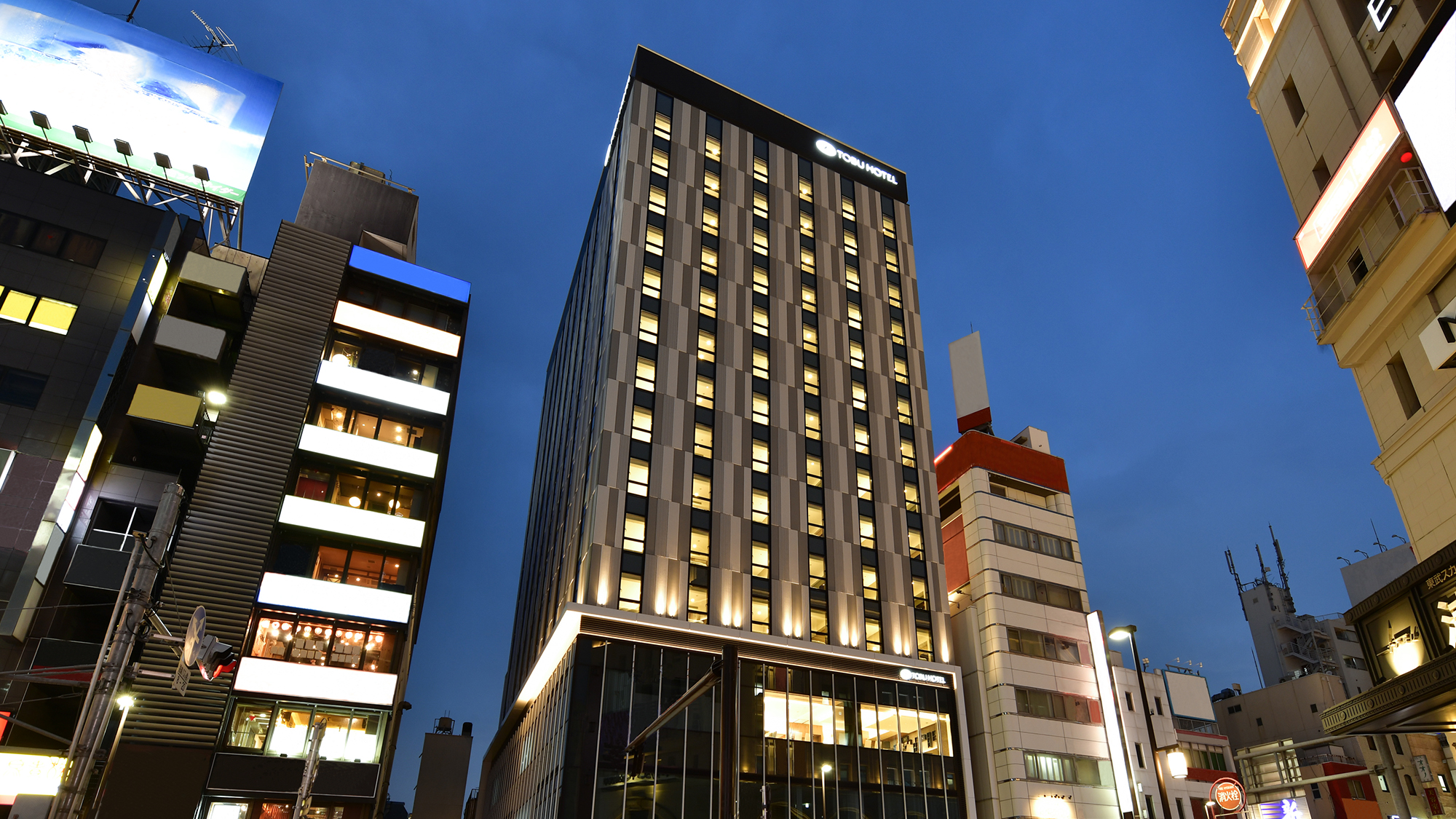
9 Family-Friendly Hotels with Comfortable Family Rooms in Asakusa
-
10 Open-air bath Onsen Ryokans in Hakone for Ultimate Relaxation
-
Numazuko Kaisho in Ueno: Good Quality, All-You-Can-Eat Seafood for Just US$12!?
-
Easy Day Trip from Tokyo! Ultimate Sightseeing Guide for Hakone & Lake Ashinoko!
-
Ultimate Tokyo Transit Guide: JR, Subways, and Private Railways Explained, Plus Suica/PASMO and Money-Saving Passes
-
Kichijoji – Explore Tokyo’s Top-Rated Stylish Suburb in Half a Day!
-

Zoshigaya: Explore Tokyo’s unknown side
-
Autumn in Japan 2026: Fall Foliage Forecast & Where to Enjoy the Colorful Leaves (+Tour Info)
- #best ramen tokyo
- #what to buy in ameyoko
- #what to bring to japan
- #new years in tokyo
- #best izakaya shinjuku
- #things to do tokyo
- #japanese nail trends
- #what to do in odaiba
- #onsen tattoo friendly tokyo
- #daiso
- #best sushi ginza
- #japanese convenience store snacks
- #best yakiniku shibuya
- #japanese fashion culture
- #best japanese soft drinks