






Best Sumo Shows & Experiences in Tokyo (2026): Prices Compared
- Written by: LIVE JAPAN Editor
Compare 6 Tokyo sumo shows — Asakusa Sumo Club, Shibuya Sumo Club, Yokozuna Tonkatsu Dosukoi Tanaka and more — by price and food, plus morning practice tours.
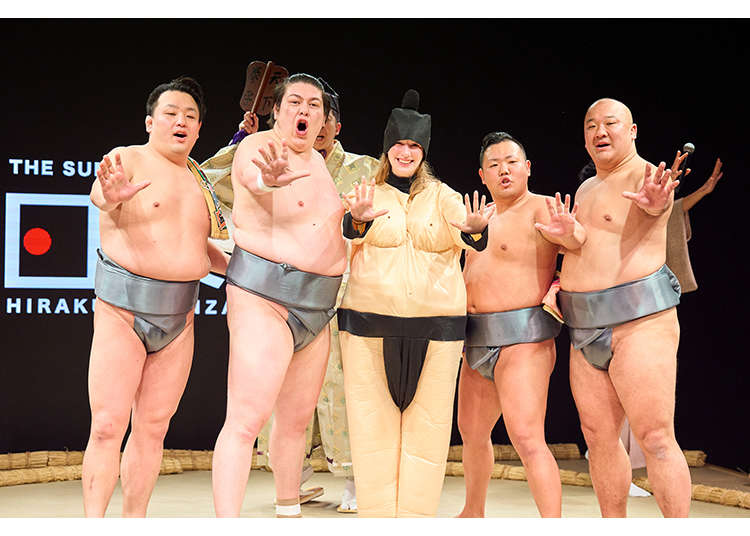
main Photo: Hirakuza Ginza Tokyo
(This article may contain affiliate links or coupons. All featured facilities, stores, and products are selected based on our editorial standards)
Scoring tickets to a honbasho, or Grand Sumo Tournament, in Tokyo can feel nearly impossible, as they often sell out within minutes — and tournaments are held in Tokyo only in January, May, and September. But Tokyo offers year-round sumo shows and morning practice tours that get you even closer to the action than a standard arena seat.
To save you hours of research, we compared Tokyo's top sumo shows and morning practice tours by price, food, atmosphere, and who they suit best. Below are our seven picks, all bookable online.
Whether you want to quietly observe the intense discipline of an authentic morning practice or enjoy a lively sumo-themed dinner with your family, we have you covered.
Time-Short? Here are our top picks:
- Editor's pick (reviewed on-site): Shinjuku Sumo Show — 90 minutes with a welcome drink, rated 4.9/5 from 4,400+ travelers on Viator
- Best show with dinner: Asakusa Sumo Club — show plus all-you-can-eat chanko, rated 4.8/5 on Viator and Klook
- Best lunch show: Dosukoi Tanaka (Sumida) — tonkatsu and chanko lunch with a show, rated 4.9/5 from 2,400+ reviews on Viator
- Best premium dinner show: Hirakuza Ginza — kaiseki meal and sake bar
- Best morning or afternoon show: Shibuya Sumo Club (Yoyogi) — 9:30 AM and 2:30 PM shows, rated 5.0/5 on Viator and Klook
- Best for hands-on training: Tokyo Sumo Festival Ginza — about 1 hour of training with a former Makuuchi wrestler
- Best for seeing active wrestlers: Ryogoku Morning Practice — with a veteran sumo journalist
Compare our seven picks at a glance:
| Experience | Book On | Area | Price (Approx.) | Food & Drinks | Wrestlers | Enter the Ring? | Kids |
|---|---|---|---|---|---|---|---|
| 1. Shinjuku Sumo Show (Editor's Pick) |
Viator | Shinjuku | From 12,000 yen (Viator) | Welcome drink only (no meal) | Retired | Yes (selected guests) | All ages |
| 2. Asakusa Sumo Club | Viator / Klook | Asakusa | 16,000–20,000 yen | All-you-can-eat chicken chanko + 1 drink | Retired | Yes (limited; lottery when busy) | All ages |
| 3. Dosukoi Tanaka | Viator / Klook | Sumida | From 12,700 yen (Viator) | Tonkatsu + chanko lunch | Retired | Yes (sumo challenges) | Families welcome |
| 4. Hirakuza Ginza | Viator / Klook | Ginza | 15,000–27,000 yen + 700-yen service charge | Kaiseki meal at every show (1 drink included at 20:30) | Retired | Yes (guest matches) | Children's tickets (ages 3–12) |
| 5. Shibuya Sumo Club | Viator / Klook | Yoyogi (Shibuya City) | From 8,000 yen (Viator) | 1 drink (bottled water on Viator) | Retired | Yes (lottery; up to 6 per show) | See booking page |
| 6. Tokyo Sumo Festival Ginza | Viator / Klook | Ginza | From 12,000 yen (Viator) | All-you-can-eat chanko on the show plan (varies by plan) | Retired | Yes (show: lottery; training plan: hands-on) | Training plan not for under 5 |
| 7. Morning Practice Tours | Viator (Kiyosumi) / Klook (Ryogoku) | Ryogoku / Kiyosumi-Shirakawa | 14,000–20,000 yen | None (lunch on select tours) | Active | No (watch only) | Most tours 12+ (Ryogoku 4+) |
*Prices are approximate as of September 2026 and vary by plan and date. Check the booking page for the latest prices.
Sumo Show vs. Morning Practice: Which Should You Book?
Not sure which experience fits your Tokyo itinerary? Here is a quick breakdown to help you decide:
- The Vibe: Serious, traditional, and deeply respectful. You are watching active or rising wrestlers train in their actual home, or heya.
- The Rules: Strict silence is required. No walking around or eating during the practice. However, some tours include a traditional sumo lunch (chanko nabe) after the viewing.
- Best For: Travelers seeking an authentic, unfiltered look into the rigorous daily life and traditions of sumo.
- The Vibe: Energetic and fun. Retired wrestlers perform simulated matches, demonstrate techniques, and even invite guests to the ring.
- The Perks: Many options include a hearty Japanese meal, such as tonkatsu or chanko nabe, while others focus purely on the entertainment and drinks. Both types typically offer a chance to take photos directly with the wrestlers.
- Best For: Families with children, or anyone looking for a relaxed, entertaining cultural night out.
Best Sumo Shows in Tokyo
Whether you want to enjoy delicious Japanese food while watching heavyweights clash right in front of your table, or simply want to focus on an interactive performance with drinks, these sumo shows are your best bet.
1. Editor's Pick: High-Energy Sumo Show & Challenge in Shinjuku

Located in the bustling heart of Shinjuku, this theater-style sumo performance is one of the most popular experiences in Tokyo. Retired professional wrestlers demonstrate authentic techniques, explain fundamental rules with bilingual English commentary, and invite select audience members to put on a sumo suit and enter the ring for a lighthearted match. The experience includes a welcome drink and a commemorative photo session with the wrestlers.
LIVE JAPAN Editor's On-Site Review:
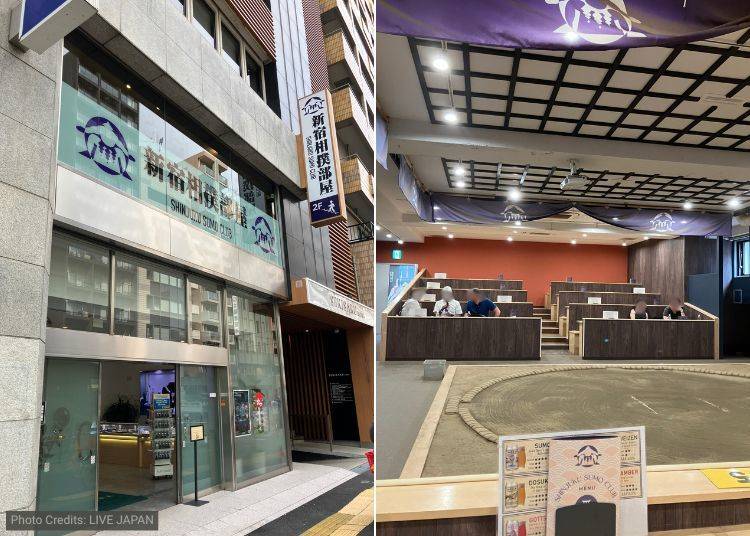
During our on-site visit, we were impressed by the tiered, stadium-style seating, which ensures a clear, unobstructed view of the ring from any row. Led by engaging English commentary, the 90-minute show balances fun audience participation with the intense realism of sumo. The room roars with laughter during the Q&A and interactive quiz (where everyone chants "Yoisho!" and "Dame!"), then falls into dead silence during real match demos—allowing you to hear every breath and heavy impact up close. Seeing a diverse crowd of families, couples, and solo travelers united in cheering on the brave audience challengers adds a fantastic energy to the show. Afterwards, staff thoughtfully use your own smartphone to take free commemorative photos with the wrestlers.
- Smart Access Hack:
Always use Exit B3 of Higashi-Shinjuku Station. While walking from the subway platform to the exit takes 3–4 minutes, the flat walk along the main street from Exit B3 to the venue is just another 3–4 minutes right to the entrance. - Seating & Timing:
The tiered seating offers a great view from any row. During our visit, seating proceeded from front to back as guests arrived, so coming early is recommended. The punctual 90-minute program also makes it easy to plan dinner in nearby Shinjuku or Kabukicho afterward. - Show & Drinks Only:
Rated 4.9/5 from over 4,400 travelers on Viator. Note that this venue focuses on the interactive performance and welcome drinks rather than a full meal.
2. Sumo Show with All-You-Can-Eat Chanko: Asakusa Sumo Club

Located in Asakusa at 2-10-12 Asakusa, Taito City (ground floor of the ROCKZA Building), Asakusa Sumo Club is one of the most-booked sumo shows in Tokyo, with over 70,000 bookings on Klook. Inside a restaurant built around a real dohyo (sumo ring), retired wrestlers explain sumo rituals, training, and winning techniques with bilingual Japanese–English commentary, then fight a three-bout match to decide the "champion of the day." Guests can also step into the ring to challenge a wrestler (limited spots; chosen by lottery when busy).
- Show & All-You-Can-Eat Chanko:
Every plan includes all-you-can-eat chicken chanko nabe and Japanese dishes, a geisha dance performance, one drink (all-you-can-drink on select plans), a group photo with the wrestlers, and a souvenir set. - Price:
16,000–20,000 yen, depending on seat and drink plan. - Good to Know:
This is an entertainment show by retired wrestlers. To see active wrestlers, choose a morning practice tour below. Vegetarian and vegan meals are available with advance request, and free cancellation is available up to 24 hours before. - Rated:
4.8/5 from over 1,500 reviews each on Viator and Klook.
3. Sumo Show with Tonkatsu & Chanko in Sumida (Dosukoi Tanaka)

For travelers who want a hearty meal alongside an interactive performance, this restaurant experience at "Yokozuna Tonkatsu Dosukoi Tanaka" in Sumida City's Tatekawa district is an ideal choice. Hosted by former wrestlers, you will watch live sparring bouts, participate in sumo challenges, and enjoy an authentic meal featuring crisp tonkatsu (breaded pork cutlet) and traditional chanko nabe hot pot—the nutritious staple diet of active rikishi.
- Vegetarian and special dietary accommodations are available upon advance notice during booking.
- Perfect for families and groups looking for an intimate, lunch-and-show combo in eastern Tokyo.
- Rated 4.9/5 from over 2,400 reviews on Viator.
4. Best Premium Dinner Show: THE SUMO LIVE RESTAURANT Hirakuza Ginza
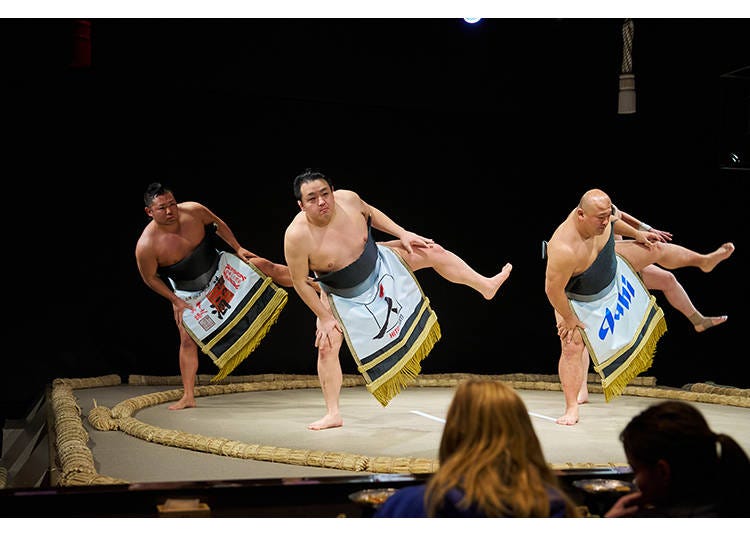
Opened in January 2026 in prime Ginza, 日楽座 (Hirakuza) delivers an upscale, theatrical sumo live show paired with Japanese gastronomy. Set around a state-of-the-art ring stage with dynamic lighting and large video screens, the show features retired wrestlers, full English guidance, interactive guest matches, and a dedicated sake bar offering rare brews from Hyogo's famous Nada-Gogo breweries.
LIVE JAPAN Editor's On-Site Review:
Disclosure: This review is based on our visit for a separate sponsored feature with Hirakuza. Hirakuza did not request or pay for its inclusion in this article.
The venue seats about 150 people at a U-shaped counter surrounding the central dohyo stage, and its tiered layout means every seat offers a great view of the ring. The show opened with taiko drums, and the wrestlers made their way to the ring along the audience seats, exchanging looks and high fives with guests.
The program moved from the chirichozu ritual and basic techniques to training bouts, a segment where the host warmed up the crowd, and three competitive matches (semifinals and a final), followed by a Sumo Challenge for guests. When the lights suddenly turned colorful, the atmosphere changed completely, and English captions appeared on the screens behind the dohyo.
Our meal included chanko nabe with a gentle, light broth, a ten-don (tempura rice bowl), appetizers, and Japanese-style desserts (the menu varies by showtime and plan). The sake bar offers 20 varieties from 20 breweries. After the show, staff took commemorative photos with the wrestlers using our own smartphones.
- Price (adults 13+):
15,000–25,000 yen for the 12:00 show and 17,000–27,000 yen for the 17:00 and 20:30 shows, depending on seat (Standard, Premium, or VIP), plus a 700-yen service charge per ticket. Children's tickets (ages 3–12) are also available. - Meal by Showtime:
Every show includes a kaiseki meal. Drinks are extra at the 17:00 show, while the 20:30 show includes one drink. Halal and vegan options are available at no extra charge for the 17:00 and 20:30 shows. - Rated:
4.8/5 on Klook and 4.9/5 on Viator. You can also read our full on-site review (sponsored) via the link above.
5. Newest Sumo Show with Daytime Slots: Shibuya Sumo Club (Yoyogi)

Opened in August 2026, Shibuya Sumo Club is one of Tokyo's newest sumo show venues, located on the B1 floor of the Daiichi Silver Building in Sendagaya, Shibuya City, about a 1-minute walk from the East Exit of JR Yoyogi Station. It is run by the same operator as the Shinjuku Sumo Show above. In a roughly 90-minute program with English and Japanese commentary, former professional wrestlers explain sumo's history, rules, and etiquette, then perform live demonstrations and bouts. Guests can take part in a sumo challenge, and the show ends with a commemorative photo session with the wrestlers. The venue holds up to 80 guests.
- Access Tip:
Despite its name, the venue is closest to JR Yoyogi Station (about a 1-minute walk from the East Exit), not Shibuya Station. - Price & Times:
From 8,000 yen per person on Viator, with a drink included (listed as bottled water on Viator). Klook offers 9:30 AM and 2:30 PM shows. Free cancellation is available up to 24 hours in advance. - Sumo Challenge:
Spots to challenge a wrestler are limited and chosen by lottery (up to six guests per show, according to Klook). - Rated:
5.0/5 on both Viator (900+ reviews) and Klook (1,100+ reviews).
6. Best for Hands-On Sumo Training: Tokyo Sumo Festival Ginza

Located on the B1 floor of Ginza INZ 1, about a 1-minute walk from Exit C9 of Ginza Station, Tokyo Sumo Festival offers two ways to experience sumo. The show plan seats you close to the dohyo (sumo ring) for a live entertainment show by retired wrestlers with English and Japanese commentary, including audience participation such as salt throwing and a chance to face off against a wrestler (chosen by lottery). The training plan is a hands-on session of about one hour taught by a former Makuuchi (top-division) wrestler, and participants can also take photos wearing a kesho-mawashi, the ornate ceremonial apron worn by top wrestlers.
- Access:
About a 1-minute walk from Exit C9 of Ginza Station and about 2 minutes from Yurakucho Station. - Price:
From 12,000 yen per person on Viator, with free cancellation up to 24 hours in advance. Payment at the venue is cashless only. - Food & Drinks:
Viator and Klook list all-you-can-eat chanko nabe for the show plan, but what's included varies by plan and booking site. Check "What's included" on the booking page before reserving. - Age & Health:
The training plan is not suitable for children under 5, pregnant guests, or anyone with serious health conditions. - Rated:
4.8/5 on Viator (310+ reviews) and 4.9/5 on Klook (940+ reviews, 10,000+ bookings).
Want to See Active Wrestlers? Sumo Morning Practice (Asageiko) Tours
Sumo stables are sacred training grounds, and gaining entry as an individual tourist is extremely difficult. Booking a guided sumo stable tour in Tokyo is not only essential for securing access but also ensures you understand the deep cultural significance of what you are watching, with an English-speaking guide by your side.
7. Sumo Morning Practice Tours in Ryogoku & Kiyosumi-Shirakawa

For those seeking a reverent cultural immersion, guided stable tours take you into the historic sumo neighborhoods of Ryogoku (Klook option) or Kiyosumi-Shirakawa (Viator option). With an expert English-speaking guide—such as a veteran sumo journalist on the Ryogoku tour—explaining ancient Shinto-rooted rituals and daily training regimens, you will sit within feet of active wrestlers practicing full-contact sparring and collision drills.
- Expert Insights:
The Ryogoku tour (Klook) includes a dedicated Q&A session with a professional sumo reporter, plus a stroll through Ryogoku Kokugikan and Former Yasuda Garden. - Age Guidelines:
While many morning practice tours strictly limit entry to guests aged 12 and above, the Ryogoku option welcomes participants aged 4 and up, making it a rare option for families with older young children. - Seating Conditions:
Guests sit directly on tatami straw mats (chairs are generally not provided). Absolute silence is required during practice, and re-entry is not permitted.
FAQ About Sumo Experiences
Is a sumo show in Tokyo worth it?
For most first-time visitors, yes. Grand Sumo Tournament tickets are hard to get and tournaments are held in Tokyo only in January, May, and September, while sumo shows run almost year-round and are easy to book online. In about 90 minutes to 2 hours, retired professional wrestlers explain the rules and rituals in English, perform live match demonstrations, and often invite guests into the ring, followed by a photo session. Shows with a drink start from about 8,000 yen, while shows that include a meal cost about 13,000–27,000 yen, depending on the venue, plan, and seat. If you want to see active wrestlers rather than an entertainment show, a morning practice tour is the better choice.
Where can I see a sumo show in Tokyo?
Tokyo's main sumo shows are spread across five areas. In Shinjuku, a theater-style show offers a 90-minute program with a welcome drink. In Asakusa, Asakusa Sumo Club pairs a show with all-you-can-eat chanko nabe. In Sumida City, Yokozuna Tonkatsu Dosukoi Tanaka serves tonkatsu and chanko with a show hosted by former wrestlers. In Ginza, Hirakuza offers a premium show with a kaiseki meal, while Tokyo Sumo Festival offers both a show and a hands-on training session with a former Makuuchi wrestler. Near JR Yoyogi Station in Shibuya City, Shibuya Sumo Club holds 90-minute shows at 9:30 AM and 2:30 PM. All of these can be booked online in advance.
Are sumo shows in Tokyo "real" sumo?
Sumo shows are performed by retired professional wrestlers, and the bouts are demonstrations designed to entertain and explain the sport. If you want to see active wrestlers, choose a morning practice (asageiko) tour or attend a Grand Sumo Tournament.
Which sumo show in Tokyo is best for first-timers?
If you want a focused, easy-to-follow introduction, choose the Shinjuku sumo show — our editors' pick after an on-site visit, with a 90-minute format and English commentary. If you'd rather enjoy dinner with the show in a central sightseeing area, Asakusa Sumo Club is a great choice.
Can I watch sumo in Tokyo outside of the main tournament months?
Yes. While the Grand Tournaments in Tokyo are only held in January, May, and September, you can book sumo shows or morning practice tours almost all year round. If you still wish to check official tournament schedules and ticket availability, see our Complete Guide to Seeing Sumo Live in Tokyo.
Is a sumo experience suitable for families with children?
Sumo Shows & Restaurants:
Absolutely yes. Venues in Asakusa, Shinjuku, Sumida, and Ginza welcome children with lively music, entertaining matches, and dedicated kids' meal sets (such as Hirakuza's Okosama Gozen).
Morning Practices (Asageiko):
Generally no. Morning practice tours require complete stillness and silence for 60 to 90 minutes while seated on the floor, and most stables strictly restrict entry to guests aged 12 and above.
How far in advance should I book?
Both morning practices and sumo shows are incredibly popular and operate with limited seating. You should secure your spots at least one to two months before your trip to Japan — don't wait, as the highly sought-after tours above tend to sell out first.
- If your Japan itinerary includes the Kansai region, check out our dedicated guide to the best sumo shows, chanko nabe restaurants, and interactive experiences in Osaka and Kyoto:

The LIVE JAPAN editorial team is a multinational group made up of native editors who have lived in Japan for over five years and Japanese editors who love to travel. Together, we share the best of Japan, offering cultural insights, historical context, event updates, and travel-friendly deals, to support your journey every step of the way.
- Area
- Category
*Prices and options mentioned are subject to change.
*Unless stated otherwise, all prices include tax.
Popular Tours & Activities
Recommended places for you
-
Ameyoko Shopping Street
Old Towns (Shitamachi)
Ueno
-

Ueno Zoo (Ueno Zoological Gardens)
Zoos, Aquariums & Botanical Gardens
Ueno
-

Tokyo Disney Sea®
Theme Parks
Chiba Suburbs
-
The Tokyo Station Marunouchi Building
Landmarks
Tokyo Station
-
Senso-ji Temple
Temples
Asakusa
-
Tokyo Metropolitan Government
Landmarks
Shinjuku
-
(Japan Travel Etiquette) Eyes Up! Why You Shouldn't Walk and Scroll in Japanese Train Stations
by: Guest Contributor
-
5 Stationery Shops in Shinjuku: One Walking Route for Art Supplies, Suica Penguin Gifts, and More
-

Seibu Group Launches New Chichibu Adventure Tourism Experience for International Travelers in 2026
by: Guest Contributor
-
Cracked Phone Screen in Japan? Smahospital Repair Guide: Keep Your Data, Fixed in 15 Min, Multilingual Support | Up to 10,000 Yen Off with LIVE JAPAN Coupon
-
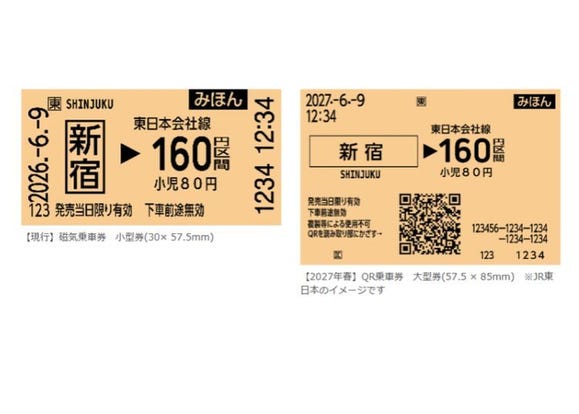
[Starting Spring 2027] Japan's Railways Evolve Further! Why Tickets Are Changing to "QR Tickets" and a Riding Guide for Foreign Visitors
by: Guest Contributor
-

Don Quijote (Donki) Tax Refund from Nov 1, 2026: No Refund Service Fee
Inspiration for Accommodations
-
Family-Friendly Hotels with Free Shuttle to Disneyland: Convenient Access for a Magical Stay
-
Top Ranked Hakone Hotels with Mt. Fuji View: Enjoy Stunning Scenery from Your Private Space
-
Convenient Tokyo Hotels with Airport Shuttle: Ideal for Families and Heavy Luggage
-
9 Family-Friendly Hotels with Comfortable Family Rooms in Asakusa
-
10 Open-air bath Onsen Ryokans in Hakone for Ultimate Relaxation
-

10 Tokyo Cultural Experiences to Get to Know Japan First-Hand
-

Suit and Kimono: Japan’s Coming of Age Day (January 9)
-

What is a Goshuin? All About Traditional Japanese Shrine Seals (and why you'll be addicted to collecting them!)
by: Lucio Maurizi
-

All About Kimono: Designs, Patterns, Where (and How) To Buy!
-
Tokyo Roppongi|Roppongi Station Area Map & Sightseeing Information
-
Kichijoji – Explore Tokyo’s Top-Rated Stylish Suburb in Half a Day!
- #best ramen tokyo
- #what to buy in ameyoko
- #what to bring to japan
- #new years in tokyo
- #best izakaya shinjuku
- #things to do tokyo
- #japanese nail trends
- #what to do in odaiba
- #onsen tattoo friendly tokyo
- #daiso
- #best sushi ginza
- #japanese convenience store snacks
- #best yakiniku shibuya
- #japanese fashion culture
- #best japanese soft drinks