




Samurai Swordsmanship: Taking a Real Battōjutsu Class in Tokyo! (Video)
- Written by: Quentin Weinsanto
Battōjutsu: the art of drawing out the sword. It is a rare opportunity to be able to use a real katana in Tokyo without several months of prior training. The workshop held at Hisui allows to learn more about battōjutsu in an entertaining way, a rather disregarded art compared to kendo.
Since I moved to Japan, I always wanted to try Japanese martial arts, in particular those linked to Japanese swordsmanship. However, mainly due to a lack of time but also to the fact that I wouldn’t be able to commit to weekly practice, I always pushed back any opportunity. The trial at Hisui, therefore, came as a real chance.
Battōjutsu is harder than it looks!
Battōjutsu has the particularity that it is clearly designed as a means of combat for samurai. Here, efficiency in a dangerous situation is the key element. Most people have a preconceived idea of what the art of wielding the katana may look like.
Although tameshigiri, or target test cutting, may seem relatively simple when you attend it as an observer for the first time, it clearly isn’t. The art of cutting requires extreme concentration, either for the positioning of legs, the back, in the way the katana is held, or when focusing on a specific spot.
While there are plenty of videos available online, in my opinion they don’t really do justice to the skills that are required to achieve a clear cut. It is therefore not surprising that, upon entering the dōjō, a sense of excitement and apprehension came over me.
First Step: Greeting the Teacher
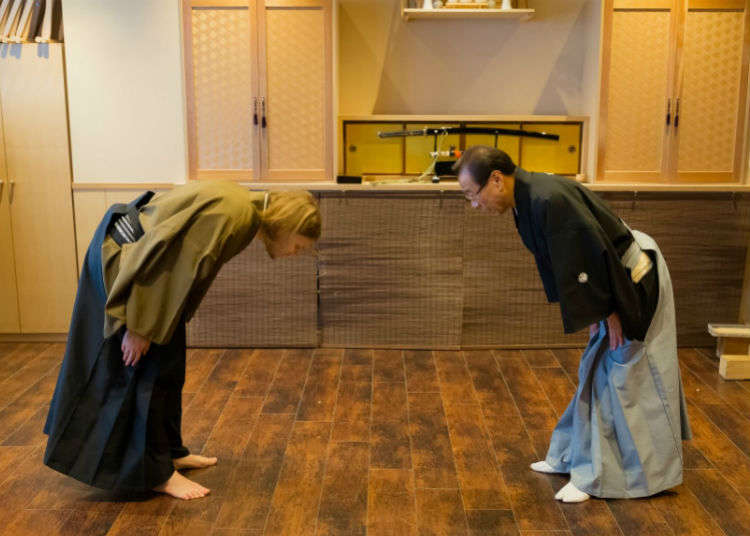
Today’s sensei, Suiju Kaito, naturally commands respect. He speaks little English, but if needed, Hisui's staff is ready to help and translate. The first part of the training requires the use of an unsharpened metal training sword, he explains to me. Obviously, this is a precaution.
Learning the Basics
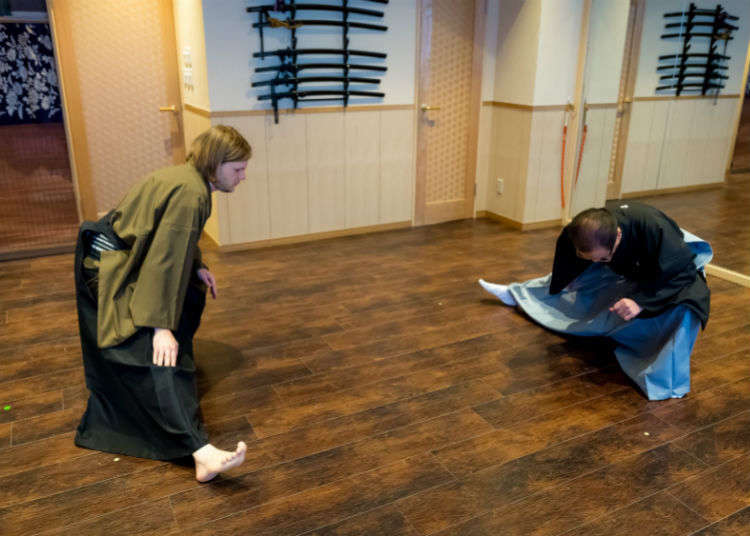
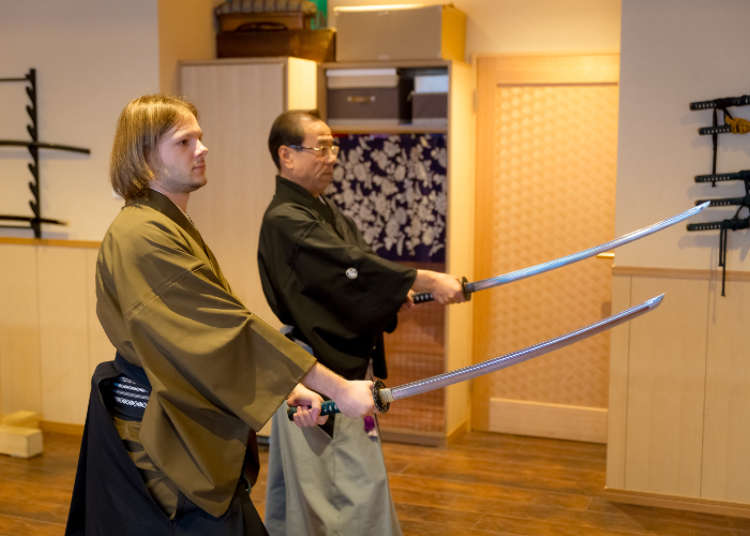
Before beginning the practice, we start with a quick warm-up. Then comes the first step, foot positioning. Right foot forward, knees bent 90 degrees, with the left leg behind and slightly outwards toward the left side. Meanwhile, the back should remain straight.
It is only when I manage to keep a fairly stable position that I can move on to the next step, following the instructions of my teacher: drawing the katana and getting in the seigan no kamae, a posture of middle guard that keeps the point of the blade to the throat of the opponent.
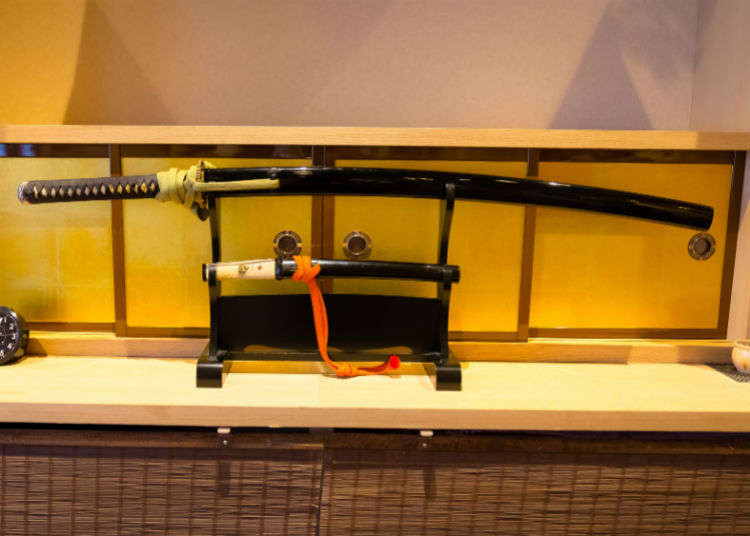
How to hold the weapon? Here, learning the right-handed way is required. The right hand near the tsuba (guard), the left just below.
First Moves with the samurai sword
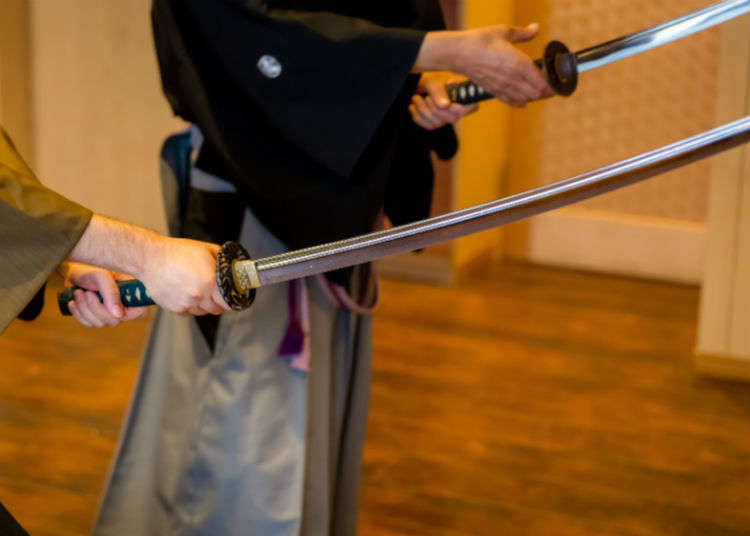
The practice is then followed by jōdan, a basic posture in which the sword is raised above the head. From here, Kazutomo Kaito instructs me to follow his move: striking the sword downward. We repeat the move several times.
As I am naturally left-handed, the sword feels strange in my hand at first. However, this feeling tends to slowly disappear as I continue to perform to follow the teacher’s instructions. After several repetitions, we move on to a little more complex move: migi kesagiri, a cut that strikes down diagonally from right to left.
Unique chance to try bamboo cutting with a real katana!
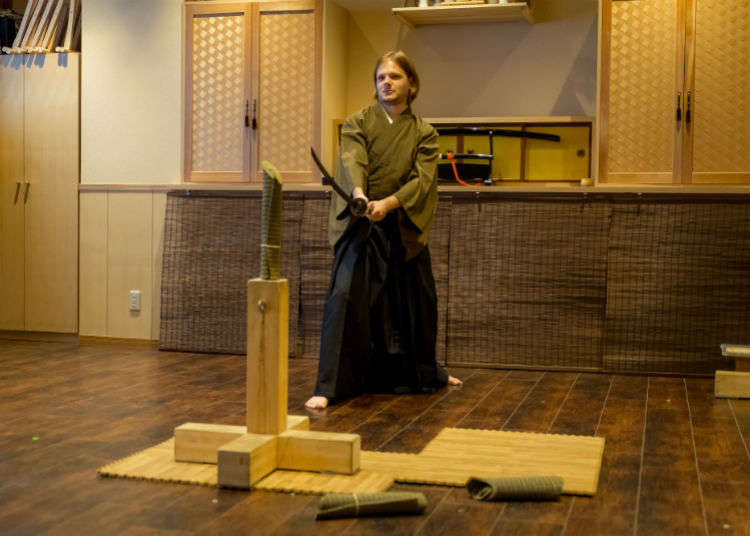
Then, after a final revision, comes my turn. My teacher clearly instructs me to focus on a specific point and to absolutely never look away from it, especially after the cut.
The first cut is, undoubtedly, a failure. The angle, poorly adjusted, failed to obtain a clean and precise cut. The sensei comes back to explain the point I should be aiming for but also the angle that I must try to achieve. The second time is the good one, with a much clearer cut. The difference between the two is actually quite obvious.
It is only after trying the tameshigiri for myself that I realized how hard it can be. This experience has further strengthened the respect I had for those who train literal decades to achieve a perfect cut. Undoubtedly, I will be back for more.
How to experience Battōjutsu in Japan for yourself!
HiSUi TOKYO is located in the heart of Tokyo, only a few minutes away from Ginza Station. For short-term visitors, an “Experience Plan” is available in which you can try between one and four art forms.
This includes battōjutsu, sadō (tea ceremony), shodō (calligraphy) and wasō (kimono). Prices start from around 10,000 yen per person. Maximum of 20 people per booking. Reservation by email or phone.
-
HiSUi TOKYOHiSUi TOKYO
-
Address
4-3-13, Ginza, Chuo-ku, Tokyo, 104-0061, Japan
View Map
-
Address
4-3-13, Ginza, Chuo-ku, Tokyo, 104-0061, Japan
Quentin Weinsanto is a journalist living in the area of Adachi-ku in Tokyo. Being in Japan since 2011, he always love to write about interesting stories or places to visit.
- Area
- Category
*Prices and options mentioned are subject to change.
*Unless stated otherwise, all prices include tax.
Popular Tours & Activities
Recommended places for you

-
Just 2 Hours from Tokyo! Escape to Yamanashi's NIPPONIA Kosuge, Where an Entire 700-Person Village Becomes Your Hotel
by: Alice Lee
-
Ad

Pocket WiFi Rental in Japan 2026: Complete Price Comparison & Where to Get the Best Deal
-

Daikoku PA Car Meet: What Is JDM, and Why Do Enthusiasts Flock Here?
-
Ad
Do’s and Don’ts: The Complete Guide to Sento Baths! Getting the Full Experience In Ueno’s Famous Kotobuki-yu
-

Best Sumo Shows & Experiences in Tokyo (2026): Prices Compared
-

Haneda Airport Duty-Free Shopping Guide: What to Buy, How to Save & Where to Eat Before Your Flight
by: Guest Contributor
Inspiration for Accommodations
-

Family-Friendly Hotels with Free Shuttle to Disneyland: Convenient Access for a Magical Stay
-
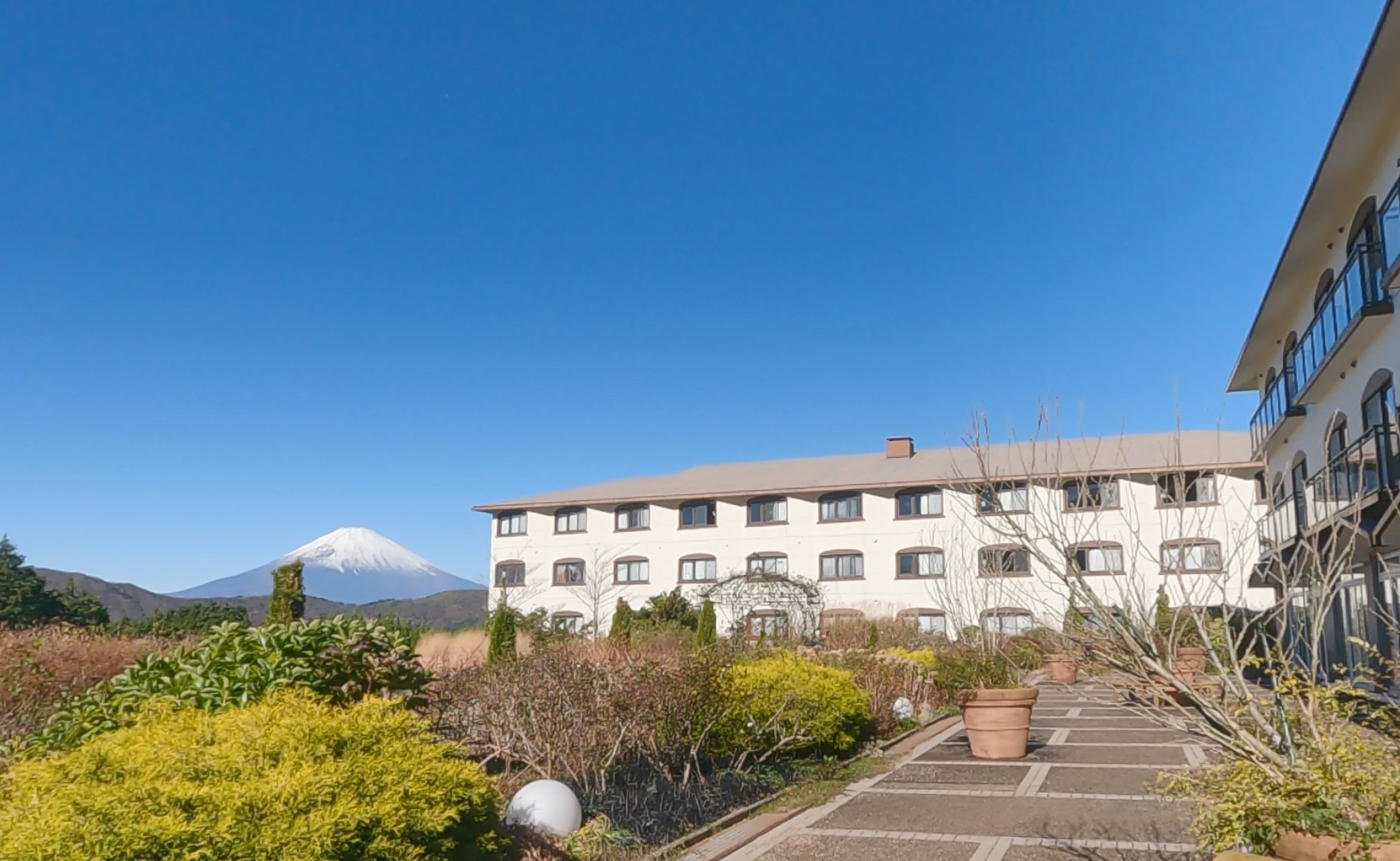
Top Ranked Hakone Hotels with Mt. Fuji View: Enjoy Stunning Scenery from Your Private Space
-
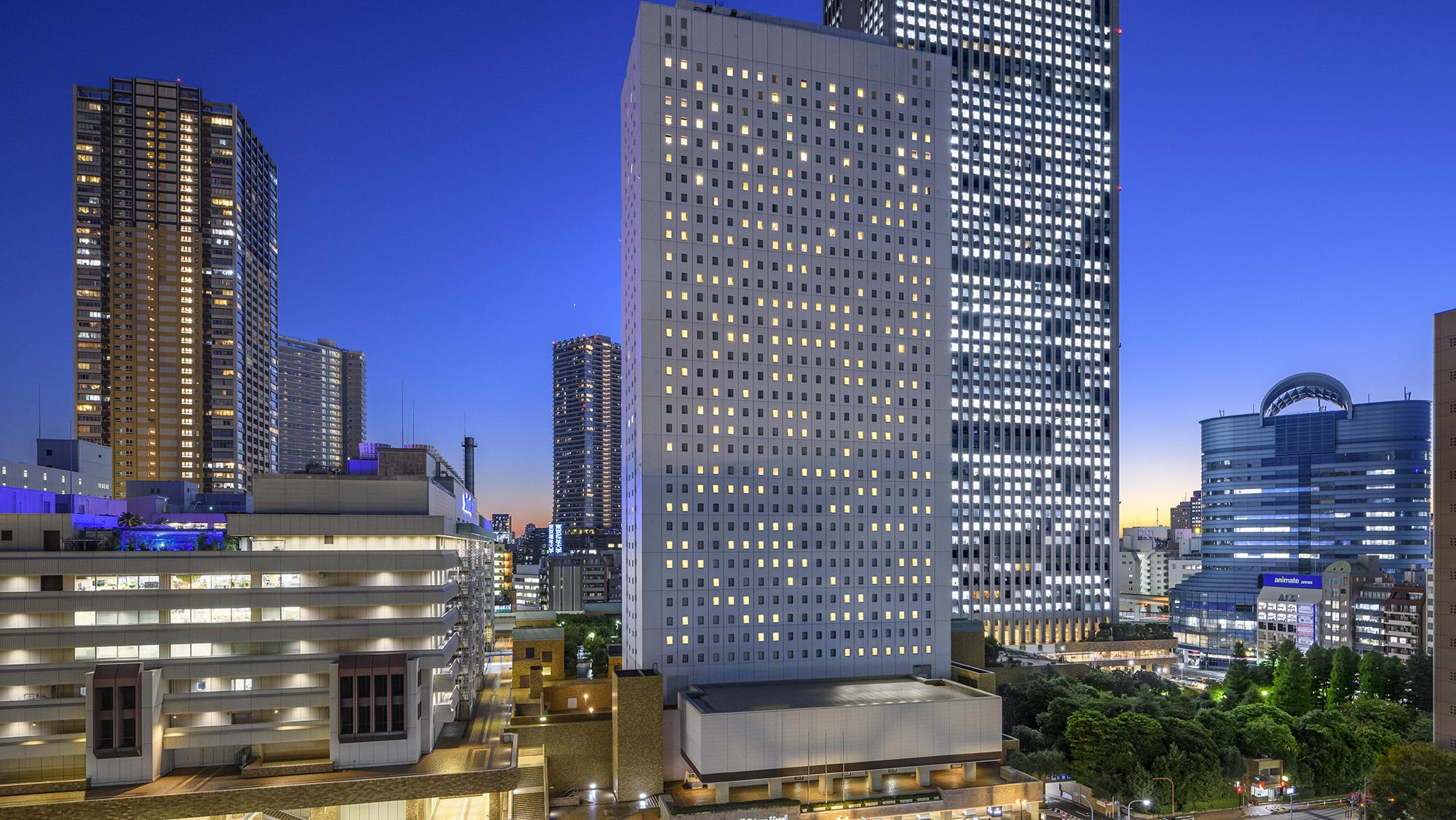
Convenient Tokyo Hotels with Airport Shuttle: Ideal for Families and Heavy Luggage
-
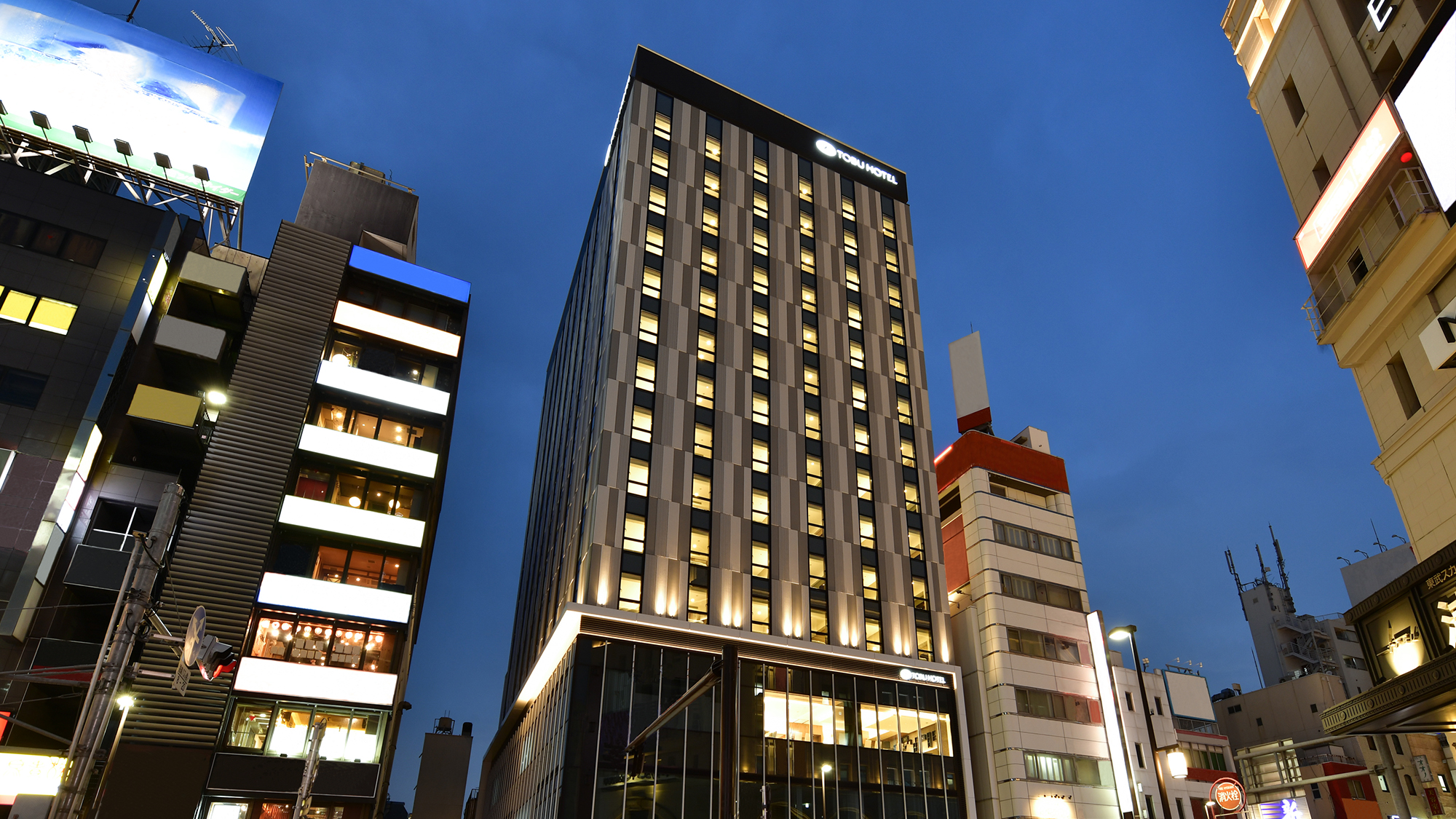
9 Family-Friendly Hotels with Comfortable Family Rooms in Asakusa
-
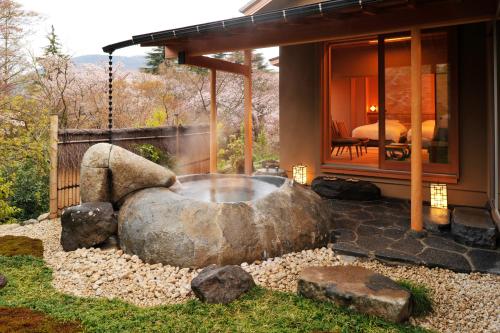
10 Open-air bath Onsen Ryokans in Hakone for Ultimate Relaxation
-

12 Fun Tokyo Food Tours for Street Eats, Local Bars, and Hidden Gems
by: Hiroko Ariga
-
Numazuko Kaisho in Ueno: Good Quality, All-You-Can-Eat Seafood for Just US$12!?
-
Enjoy Japanese Culture When Traveling to Tokyo With These Specially Curated Experiences
by: James Davies
-

Luxury Tokyo Girls Trip: Exclusive 3-Day Itinerary & Unique Experiences by Ms. Mentaiko
-
Tokyo Station Top 10 Sweets Ranking!
-
Exploring Tokyo: 4 Must-Visit Spots around Tokyo Station
- #best ramen tokyo
- #what to buy in ameyoko
- #what to bring to japan
- #new years in tokyo
- #best izakaya shinjuku
- #things to do tokyo
- #japanese nail trends
- #what to do in odaiba
- #onsen tattoo friendly tokyo
- #daiso
- #best sushi ginza
- #japanese convenience store snacks
- #best yakiniku shibuya
- #japanese fashion culture
- #best japanese soft drinks