




Visiting Japan for a week is one thing. Actually living here for five years gives you plenty of time to notice the little things that tourists might completely miss.
So what stands out after the novelty wears off?
LIVE JAPAN spoke with a Korean man who had been living in Japan for around five years and asked what he liked, what confused him, and what still surprised him about everyday life here.
From all-you-can-drink restaurants and mysteriously absent trash cans to considerate drivers and convenience-store service, here are eight things that caught his attention.
(The following comments are based on the interviewee's personal experiences and opinions.)
1. “How do all-you-can-eat and all-you-can-drink places make money?!”
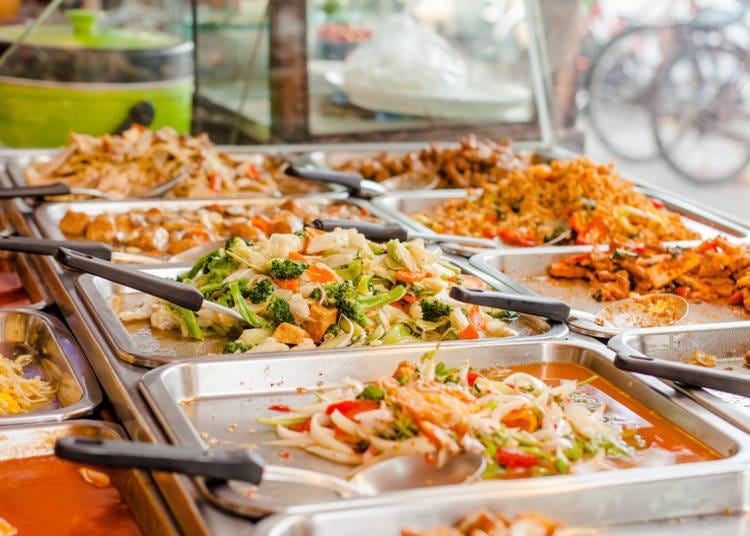
“Japan has so many restaurants offering all-you-can-eat or all-you-can-drink plans. Yakiniku, sushi, hot pot...you can find them for all kinds of food and alcohol. As a customer, obviously I love it. But I can't help wondering how the restaurants make money!”
For anyone who has spent time in Japan, the phrases tabehodai and nomihodai quickly become familiar.
Tabehodai means “all you can eat,” while nomihodai means “all you can drink,” usually within a set time limit. You'll find these plans everywhere from izakaya and yakiniku restaurants to hotel buffets and hot-pot chains.
According to our interviewee, all-you-can-drink deals in particular felt much more common in Japan.
“If you offered unlimited alcohol like this in Korea, I feel like some people would really put the restaurant to the test,” he joked.
For Japanese diners planning a group night out, whether a restaurant offers nomihodai can sometimes be almost as important as what's actually on the menu.
2. “Seriously...where are all the trash cans?”
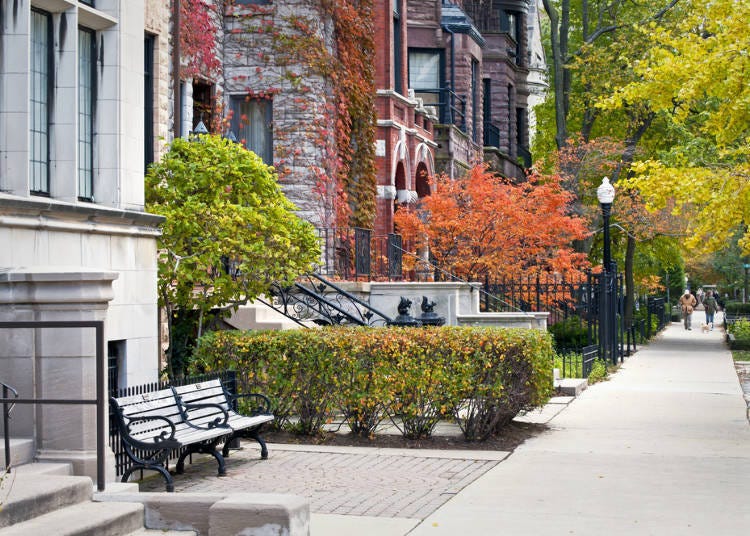
Buy a drink, finish it while sightseeing, and suddenly discover that you're carrying the empty bottle around for the next hour.
Welcome to one of Japan's great travel mysteries: finding a public trash can.
“One thing that surprised me was how few trash cans there are outside. You sometimes find them at stations, convenience stores, or beside vending machines, but there aren't many on the street.”
Yet despite the shortage of bins, Japanese streets are generally remarkably tidy.
Many people simply hold onto their rubbish until they find an appropriate bin or take it home with them. For visitors, that can mean keeping a small plastic bag handy in your backpack until you come across somewhere to dispose of it.
Not glamorous, perhaps, but definitely useful Japan travel knowledge.
3. “Wait, the side dishes aren't free?”
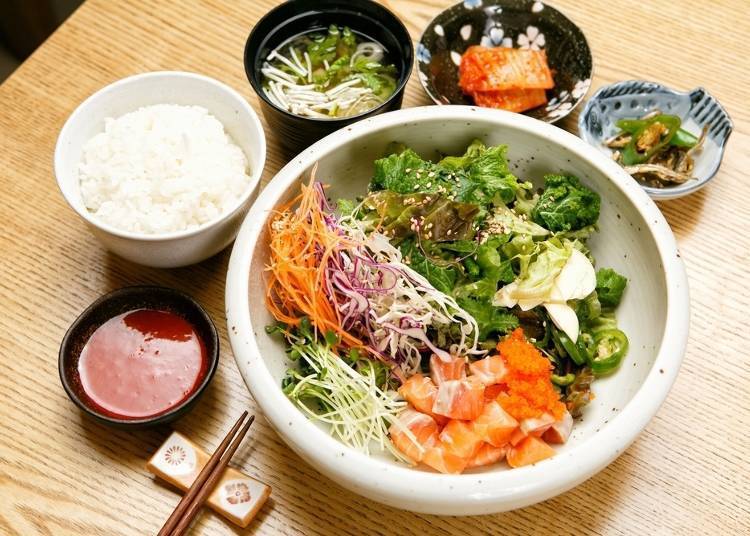
“In Korea, if you order a main dish, it's normal for several small side dishes to come with it. When I learned that in Japan you usually have to order side dishes separately, my first reaction was: Why?!”
If you've eaten at a Korean restaurant, you've probably encountered banchan: the little plates of kimchi, vegetables, pickles, and other side dishes that arrive alongside the main meal.
And often, there's more where that came from.
“You can usually ask for refills of the side dishes too. But it's considered bad manners to ask for more and then leave lots of food behind.”
Japan's dining culture works a little differently. A set meal might include rice, soup, pickles, and small side dishes, but at many restaurants anything extra is exactly that: extra.
For someone accustomed to a table suddenly filling up with banchan, a Japanese table can initially feel almost suspiciously empty.
4. “Driving in Japan is surprisingly easy”
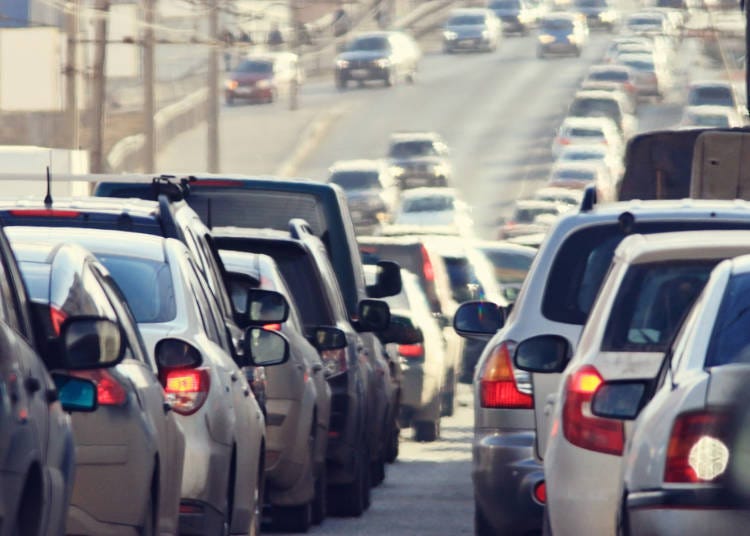
This was one of his biggest surprises.
“Driving manners in Japan are really good. When you need to merge, people often make space for you. In Korea, you sometimes have to judge the timing much more carefully because drivers may not let you in so easily.”
There was, however, one fairly major adjustment.
Japan drives on the left, while South Korea drives on the right.
“At first, driving on the opposite side of the road was difficult. But because other drivers were so considerate, I got used to it faster than I expected. Japan feels very friendly to less-confident drivers.”
Of course, road manners can vary enormously depending on the driver and region.
Still, after five years in Japan, his verdict was clear: getting behind the wheel felt much less stressful than he'd expected.
Driver's paradise? Maybe not quite. But close enough to make an impression.
5. “Japan's ‘spicy’ food isn't spicy!”
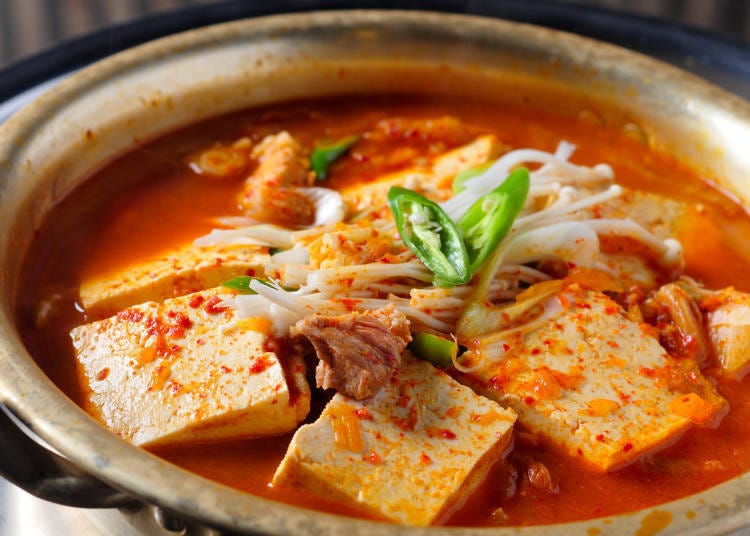
Here's one that Korean visitors may recognize immediately.
“One thing I miss in Japan is properly spicy food. Sometimes something is advertised as ‘extremely spicy,’ so I order it...and it barely tastes spicy to me,” he laughed. “Sometimes I wonder what Japan's definition of spicy actually is.”
Korean cuisine famously packs some serious heat, from kimchi and spicy stews to fiery noodles, tteokbokki, and dishes loaded with gochujang.
So someone who has grown up eating spicy food regularly may have a very different internal spice scale.
Japan certainly has its own spicy dishes, including increasingly extreme ramen and curry challenges. But everyday Japanese food tends to be milder.
Which creates an important cross-cultural warning.
If a Japanese friend tells you something is “really spicy,” a Korean diner might barely notice.
If a Korean friend tells you something “isn't spicy at all,” however...
Proceed with caution.
6. “The buses feel incredibly calm”
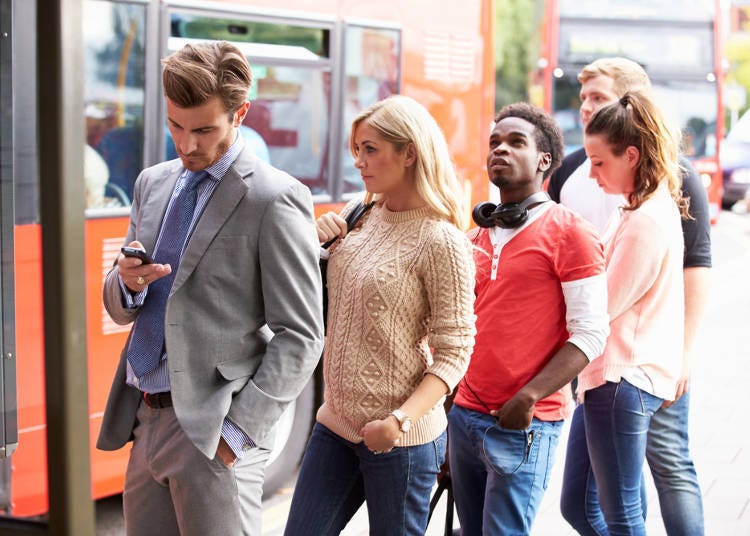
“Japanese buses feel very safe and relaxed to me. The driving tends to be smooth, so I don't feel nervous sitting on one.”
For him, the difference was particularly noticeable compared with the faster pace he was accustomed to on some buses in Korea.
Japanese city buses tend to take things steadily, particularly when pulling away from stops or allowing passengers to get on and off.
Drivers may also make announcements before accelerating, turning, or stopping.
The downside? If you're in a hurry, that calm pace can occasionally feel very calm indeed.
But for travelers carrying luggage, families with children, or anyone who prefers a gentler ride, it can be reassuring.
7. Convenience-store staff notice the tiniest things

Japan's convenience stores are already famous for their food, drinks, ATMs, ticket machines, and ability to rescue travelers at almost any hour.
But what surprised him most wasn't the products.
It was the staff.
“When I bought several different things, the clerk sometimes separated them depending on what they were. For example, magazines and food wouldn't be packed together, or hot food might be separated from cold items. I couldn't believe someone at a convenience store would pay attention to details like that.”
It's the sort of tiny interaction that's easy to overlook until someone points it out.
Japanese customer service often emphasizes anticipating what the customer might need before they have to ask.
And apparently, that philosophy extends all the way down to making sure your steaming-hot fried chicken doesn't end up pressed against your ice cream.
A small thing. But also strangely impressive.
Five years in Japan and still finding surprises
Some cultural differences jump out immediately when you arrive in another country. Others take months or even years to notice.
For this Korean resident, the biggest surprises weren't necessarily famous Japanese traditions. They were everyday details: how drivers behave, what comes free with dinner, where you throw away your rubbish, and how carefully a convenience-store clerk packs your shopping.
And perhaps that's when you've really started experiencing life somewhere new: when the things that surprise you aren't temples or bullet trains anymore, but the fact that your ice cream and fried chicken have been given separate bags.
*Prices and options mentioned are subject to change.
*Unless stated otherwise, all prices include tax.
Popular Tours & Activities
Recommended places for you

-

The Best Sumo Experiences in Tokyo: Morning Practices vs. Sumo Shows
-
Japan's New GREEN LIFESTYLE TRAIN Connects Tokyo, Yokohama, and a Greener Future
by: Guest Contributor
-
Top-Booked by International Visitors: Must-Try Italian & Pizza in Tokyo for First-Time Visitors
by: Guest Contributor
-
Ad
Pocket WiFi Rental in Japan 2026: Complete Price Comparison & Where to Get the Best Deal
-

Seibu Group Launches New Chichibu Adventure Tourism Experience for International Travelers in 2026
by: Guest Contributor
-

Haneda Airport Duty-Free Shopping Guide: What to Buy, How to Save & Where to Eat Before Your Flight
by: Guest Contributor
Inspiration for Accommodations
-

Family-Friendly Hotels with Free Shuttle to Disneyland: Convenient Access for a Magical Stay
-
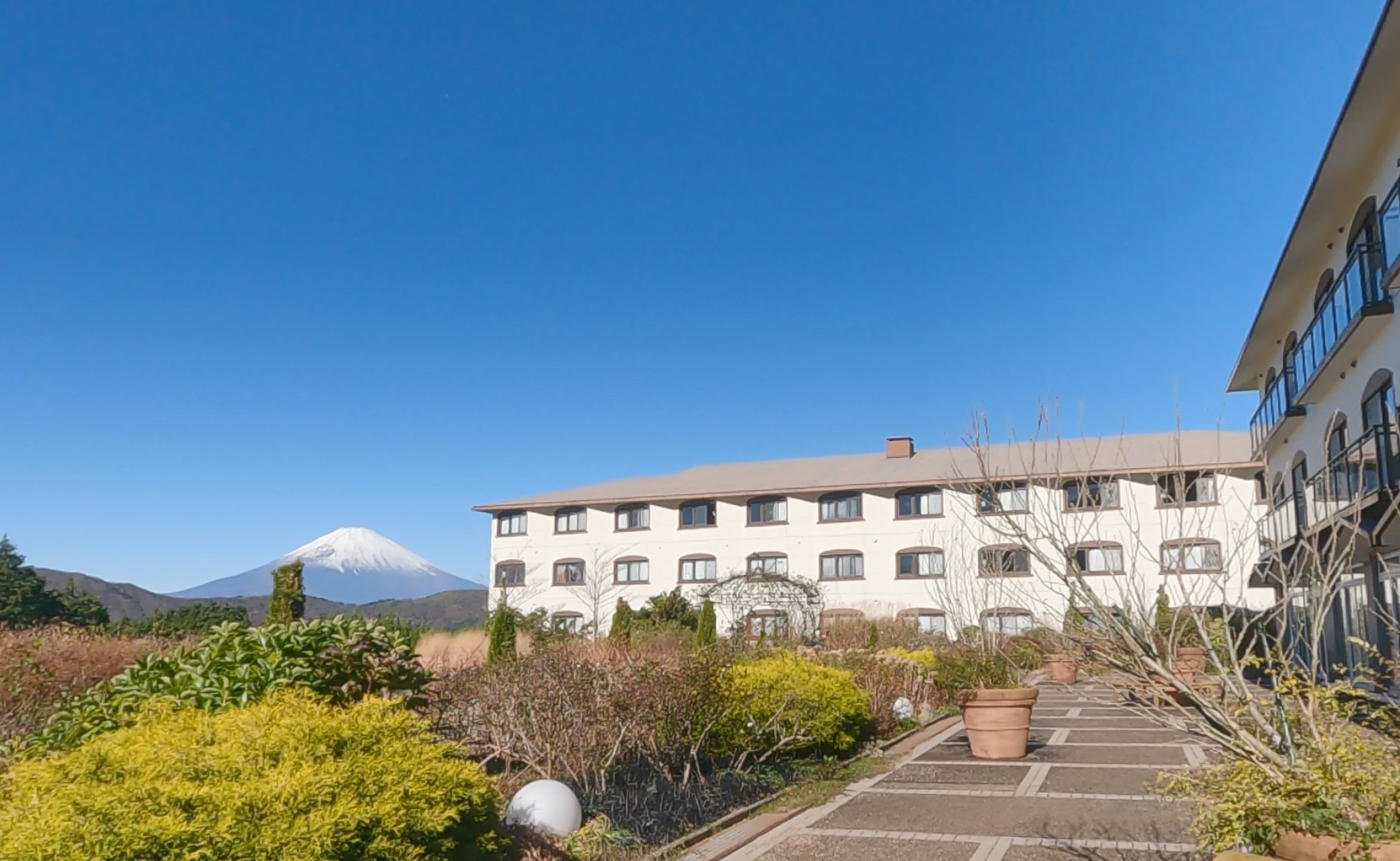
Top Ranked Hakone Hotels with Mt. Fuji View: Enjoy Stunning Scenery from Your Private Space
-
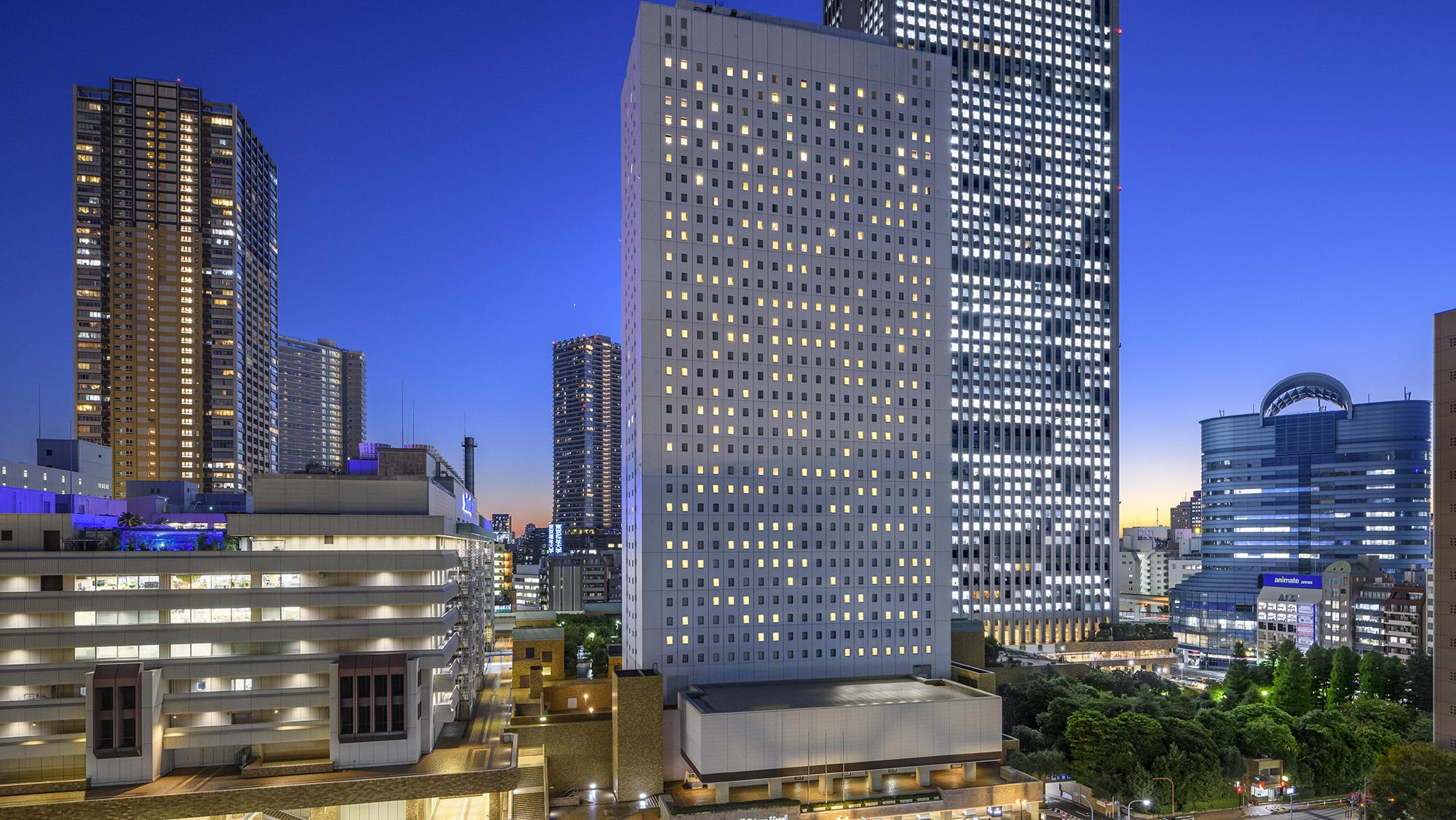
Convenient Tokyo Hotels with Airport Shuttle: Ideal for Families and Heavy Luggage
-
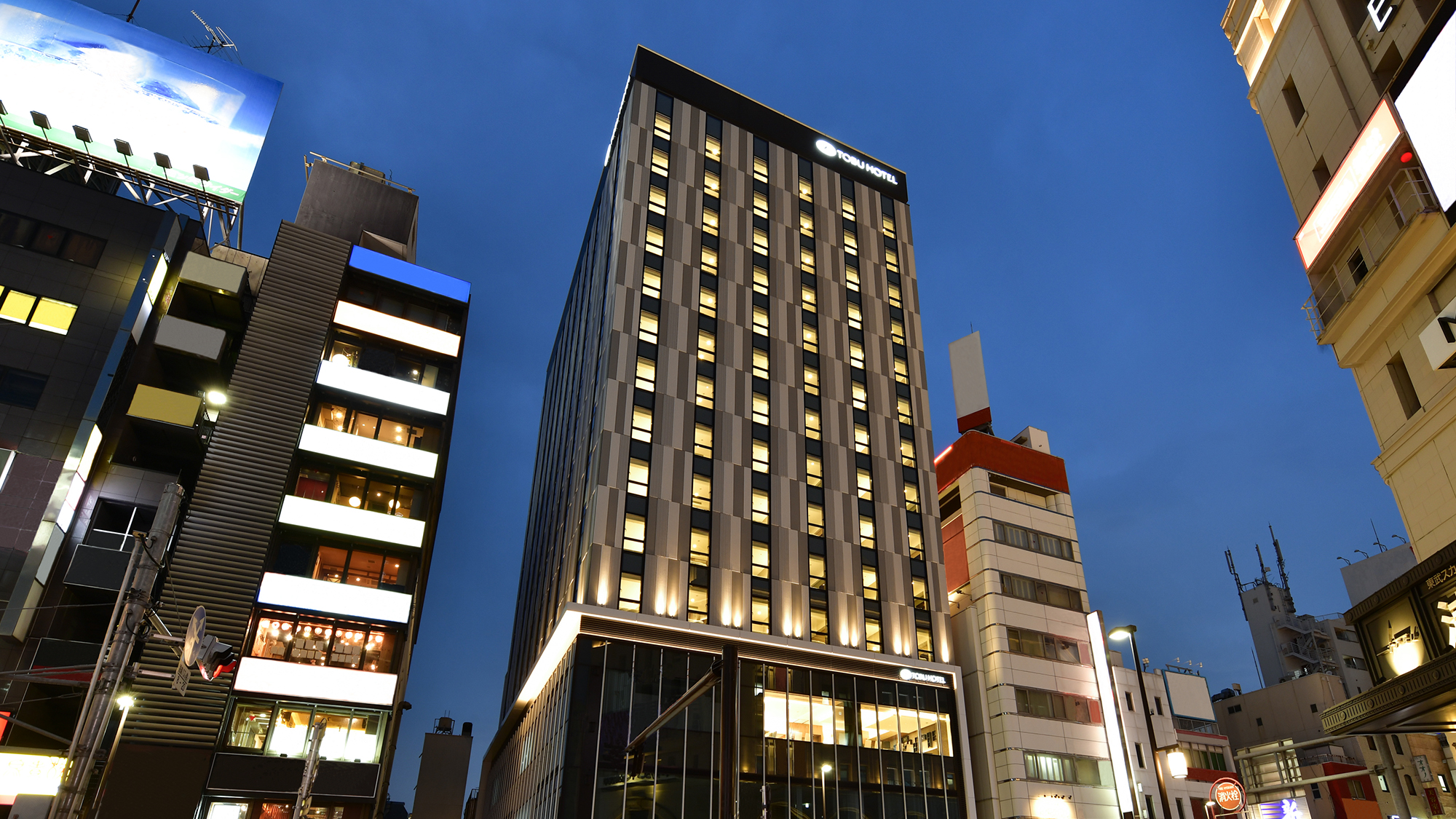
9 Family-Friendly Hotels with Comfortable Family Rooms in Asakusa
-
10 Open-air bath Onsen Ryokans in Hakone for Ultimate Relaxation
-

4 Reasons Why Italian Men and Women Were Shocked When They Came to Japan
-
Legacy of Tradition: Discover 5 of Nihonbashi's Oldest Shops with Over 100 Years of History
-
What The Heck Is A 'PET Bottle'? Deciphering the Most Confusing Japanese English Words
-
Exploring Tokyo Station: 11 Must-Visit Spots Around the Heart of Tokyo
-

“With Strangers...?!" Why Foreigners Are Shocked by Japan’s Onsen Culture
-
Meiji Shrine (Meiji Jingu): Exploring the Sacred Sanctuary of Peace in Bustling Tokyo
- #best ramen tokyo
- #what to buy in ameyoko
- #what to bring to japan
- #new years in tokyo
- #best izakaya shinjuku
- #things to do tokyo
- #japanese nail trends
- #what to do in odaiba
- #onsen tattoo friendly tokyo
- #daiso
- #best sushi ginza
- #japanese convenience store snacks
- #best yakiniku shibuya
- #japanese fashion culture
- #best japanese soft drinks