





Japan’s Land of Yokai Monsters and Spooky Stories! A Deep Journey to Mysterious San’in (Tottori & Shimane) for Seasoned Travelers
- Written by: LIVE JAPAN Editor
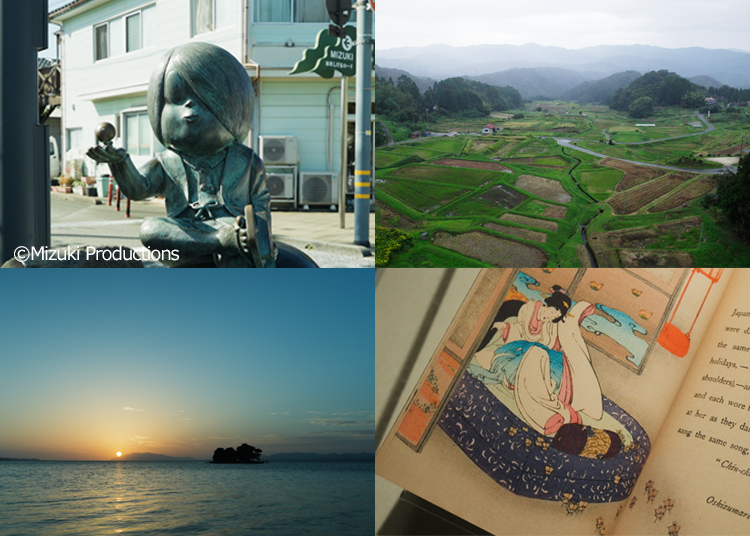
For travelers who have already checked Japan’s major cities off their list, the San’in region of Tottori and Shimane prefectures feels like stepping into a different layer of the country. This is a place where imagination and folklore shape the landscape itself. Through the writings of Lafcadio Hearn (naturalized name: Koizumi Yakumo), the literary master who introduced the world of kaidan scary folklore stories to the rest of the world, and vivid works of Shigeru Mizuki, the manga artist who gave form to countless yokai, San’in became a cradle of supernatural culture. The result is a region with a quiet, mysterious pull, offering a kind of Deep Japan journey that goes beyond conventional sightseeing.
- Table of Contents
-
- Taking seasoned travelers on a journey to Unseen Japan
- Where in Japan is the San’in region?
- Getting to San’in: International flights and domestic routes
- San’in: The land of yokai and kaidan culture
- Recommended spots to immerse yourself in yokai and kaidan culture in San’in
- Discover the profound charm of Japan in San’in
Taking seasoned travelers on a journey to Unseen Japan
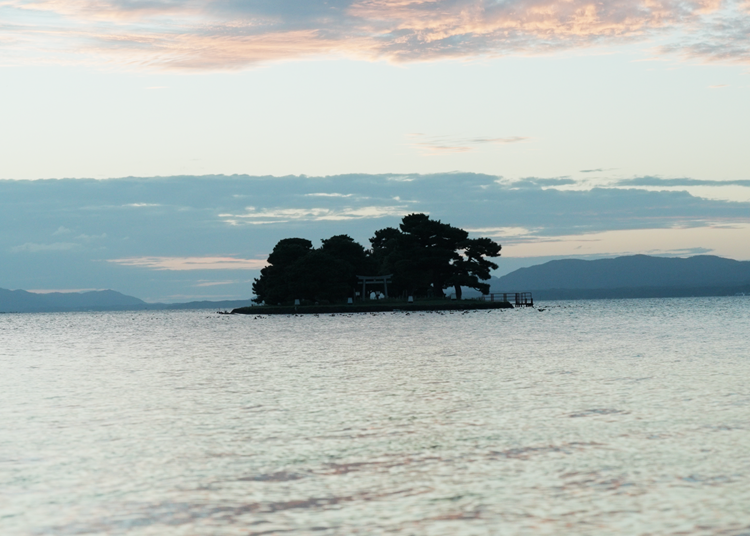
The number of visitors to Japan from East Asia continues to rise, and many of them have probably already explored the Golden Route, from Tokyo to Osaka and Kyoto. What seasoned travelers are now looking for is, without a doubt, a deeper, more personal experience of Japan. In this article, I will introduce the San’in region, which you should definitely visit if you are craving a new Japan. Here, you will get exposed to Japanese mythology, folklore, and its unique kaidan culture.
Where in Japan is the San’in region?
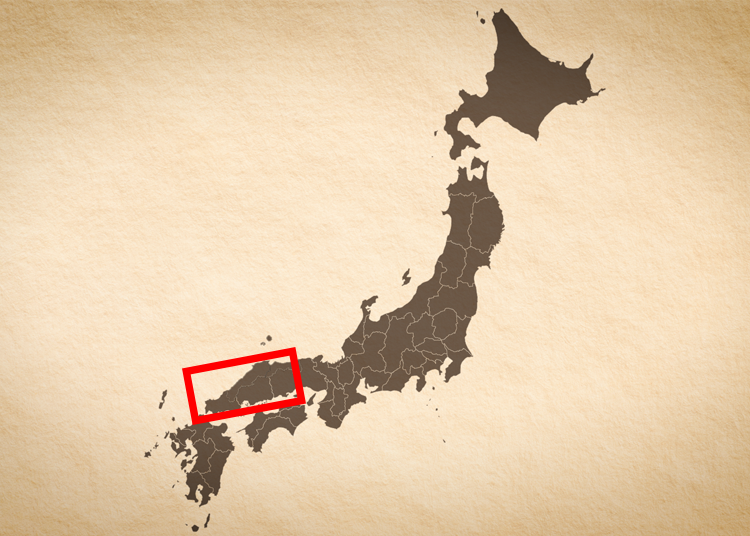
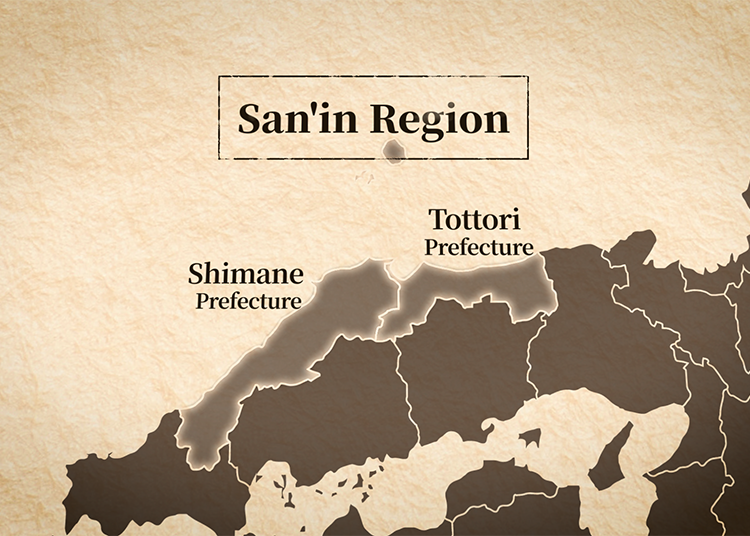
The San’in region refers to Tottori and Shimane Prefectures, located in the northern part of Japan’s Chugoku region on the western coast. It is separated by the deep Chugoku Mountains to the south and faces the rough yet beautiful Sea of Japan to the north. Its topography has given it a unique culture and history since ancient times.
Shimane Prefecture is known as the Land of Myths and is home to Izumo Taisha Shrine , while Tottori Prefecture, an area of rich nature and legends, is home to Mt. Daisen, the highest peak in the Chugoku region. It has recently been gathering attention as a quiet, mystical place, different from big cities.
Getting to San’in: International flights and domestic routes
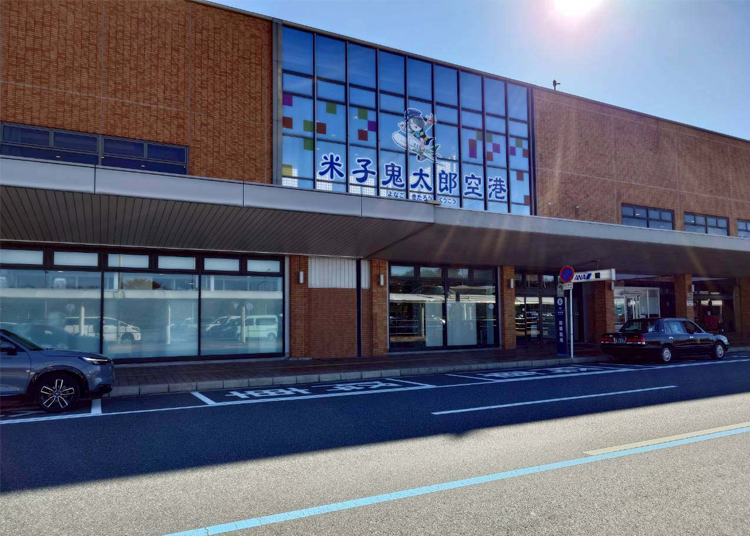
Visitors traveling from East Asia should fly via airports that have many international flights, such as Kansai International Airport or Fukuoka Airport , or use Yonago Airport (Sakaiminato City, Tottori Prefecture), which operates direct flights from Taiwan and Seoul. From Yonago Airport, it’s a short trip to Mizuki Shigeru Road and a quick journey to Matsue City (Shimane Prefecture). You can also travel by land from Okayama Airport or Hiroshima Airport by express bus, train, or rental car. You will encounter magnificent scenery on the way, providing an excellent opportunity to bask in the tranquil atmosphere of the San’in region.
Additionally, the San’in region is home to numerous airports outside Yonago Airport, including Tottori Airport , Izumo Airport , Hagi-Iwami Airport , and Oki Airport . These airports offer connections from Haneda Airport (Tokyo), Chubu Centrair International Airport (Aichi), and Osaka Itami Airport (Osaka).
San’in: The land of yokai and kaidan culture
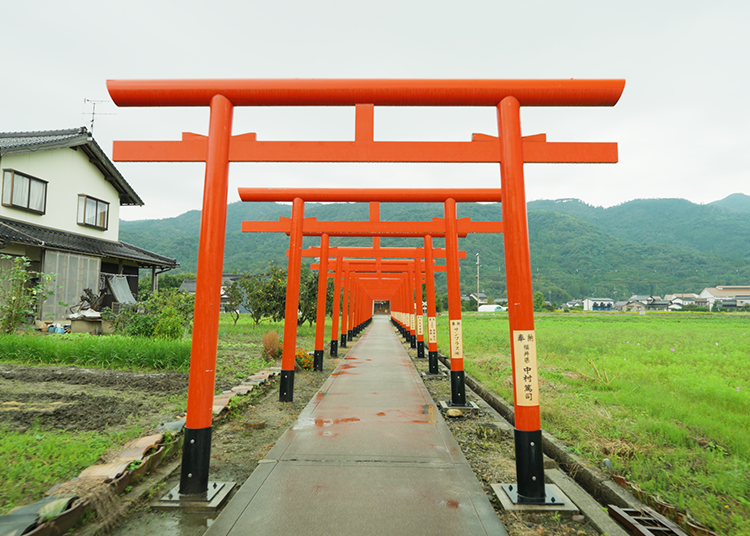
The San’in region is a key setting in Japan’s myths and is dotted with various shrines. Since ancient times, it has been deeply intertwined with the spiritual world of its residents. Myths and legends have blended into the everyday landscape, such as the abundant fields, rivers, and mountains, establishing a culture where people perceive natural phenomena and inexplicable events as the work of deities and spirits.
For three key reasons, this environment has nurtured the traditional Japanese culture of yokai and kaidan, and is still considered to this day a special, mysterious place.
1. A Harsh yet Abundant Natural Environment
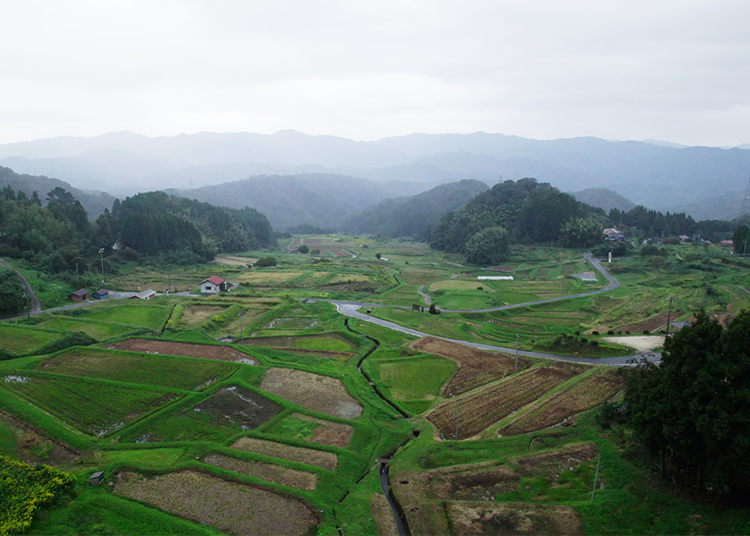
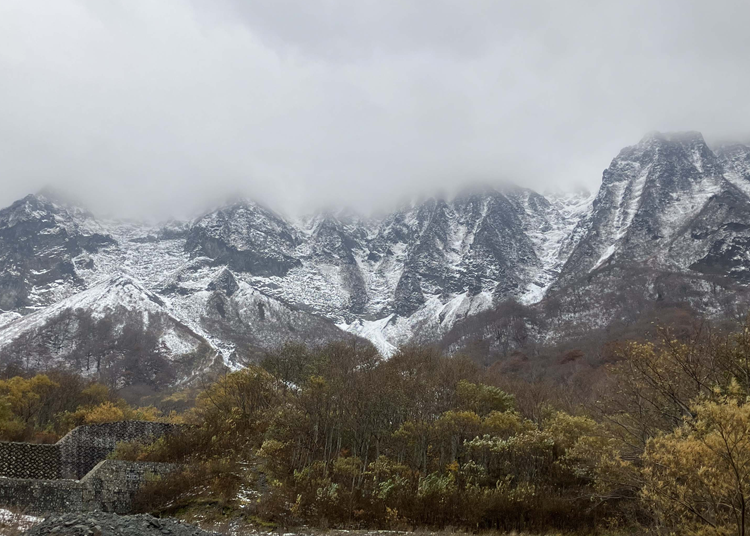
The San’in region is surrounded by harsh yet bountiful nature, with winter snow driven by seasonal winds blowing from the Sea of Japan, as well as the deep Chugoku Mountains to the south. The area’s topography historically made it difficult to interact with the outside world, in turn making a unique culture bloom. The residents viewed the rugged environment not merely as a natural phenomenon but as a divine place inhabited by deities and fierce spirits, inspiring both awe and respect.
The vague boundary between the power of nature and the human world blended with local folklore and popular beliefs, creating the perfect land for expressing its mystique through yokai and kaidan.
2. Lafcadio Hearn’s Work Collecting Folklore and Horror Tales in Matsue
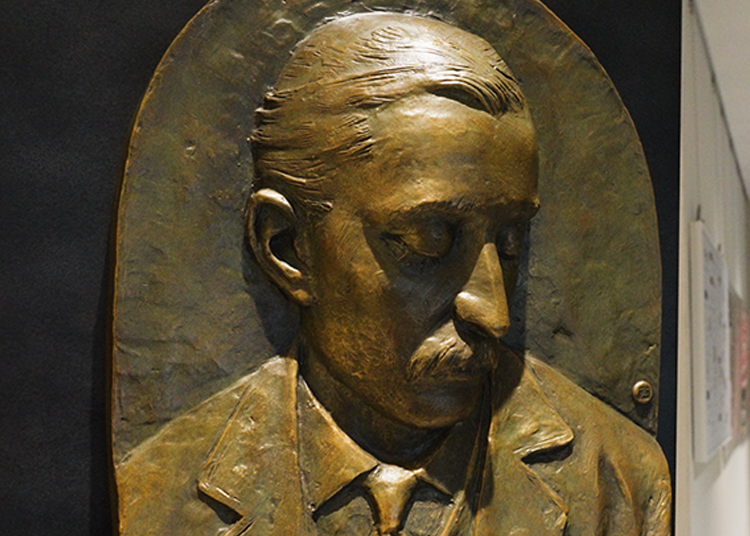
The key figure who introduced Japanese yokai stories to the world was the Greek-born literary figure Lafcadio Hearn. He arrived in Japan in 1890 and was deeply captivated by the landscape of Matsue, in Shimane, as well as the spiritual world of old Japan that was still present there. While he was in Matsue, he collected and compiled folklore and horror stories from a Western lens and with beautiful prose. His famous book Kwaidan is considered the author’s masterpiece. Lafcadio Hearn’s presence was a major factor in nurturing the kaidan culture in the San’in region.
・Lafcadio Hearn Memorial Museum and Former Residence
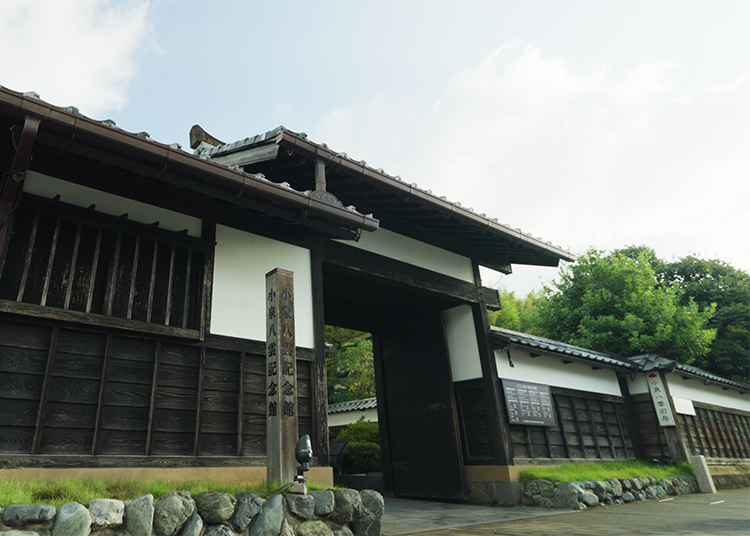
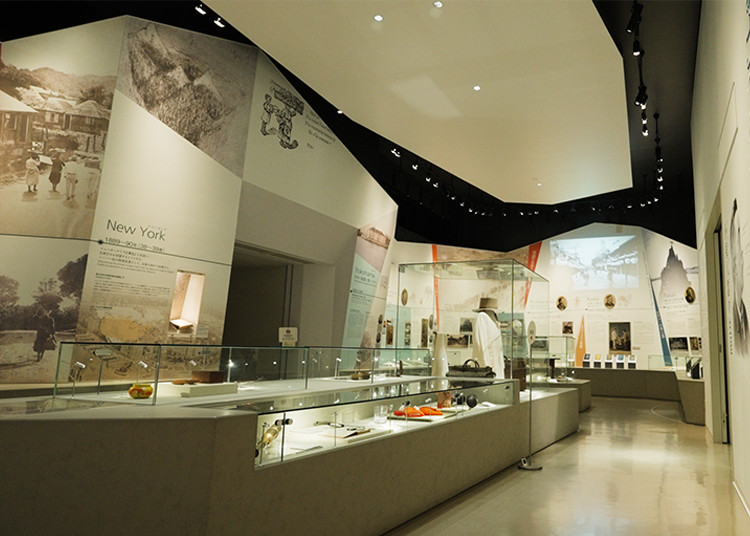
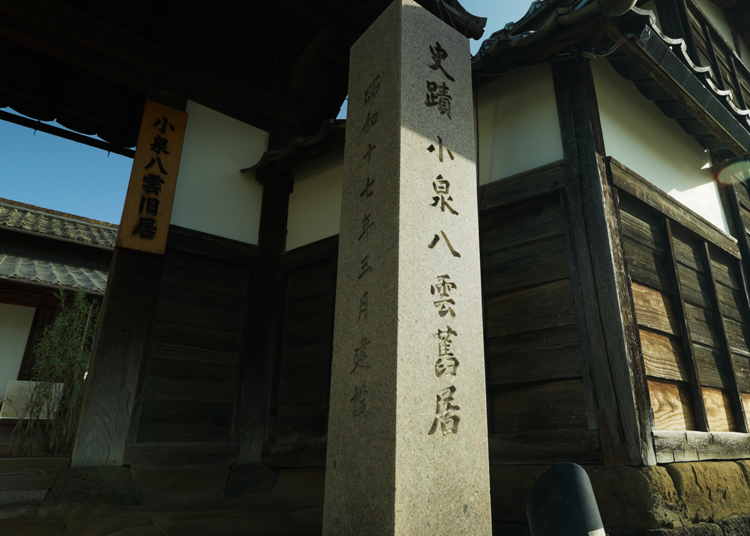
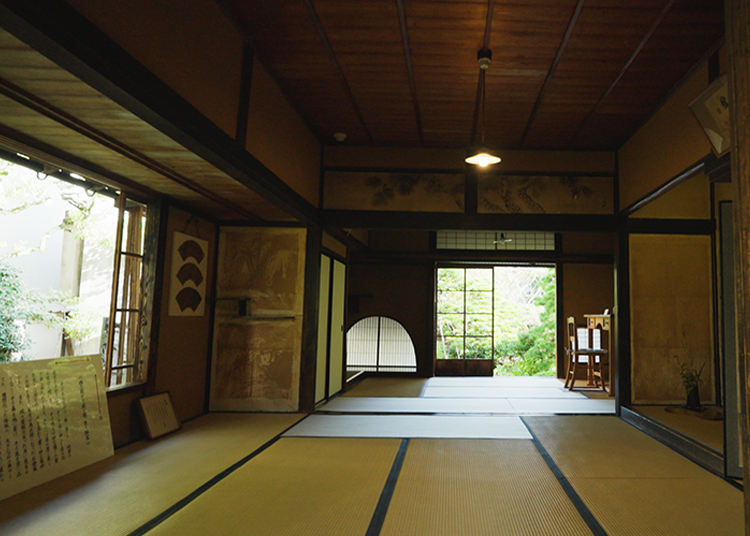
Matsue, Shimane, is where Lafcadio Hearn lived and encountered Japanese kaidan. Lafcadio Hearn’s Former Residence preserves the writer’s life as it was and allows visitors to see the Japanese garden he loved and the serene space that likely inspired his kaidan. Next to it is the Lafcadio Hearn Memorial Museum, which introduces his life, literary works, and other valuable materials.
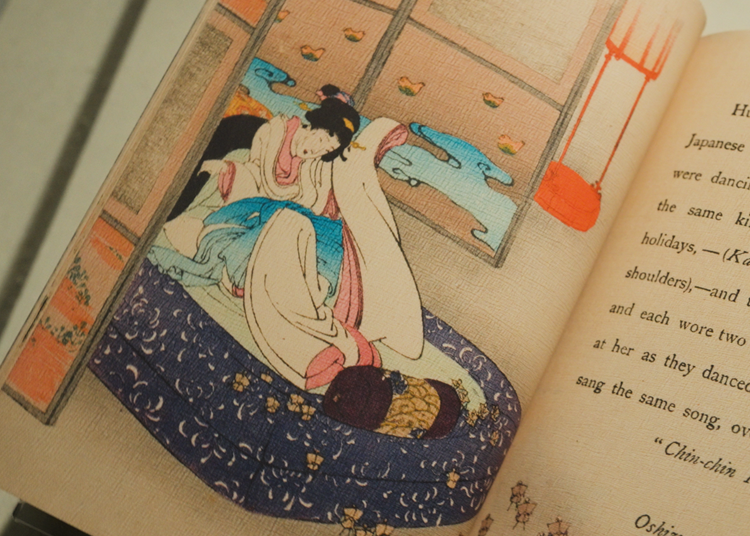
-
Lafcadio Hearn Memorial Museum322 Okudani-cho, Matsue, Shimane
- Address 島根県松江市奥谷町322
- Phone Number 0852-21-2147
-
Lafcadio Hearn’s Former Residence小泉八雲旧居
- Address 315 Kitabori-cho, Matsue, Shimane
3. Shigeru Mizuki, Who Brought Yokai into the Mainstream
Shigeru Mizuki was a central figure in the spread of yokai through manga. A manga artist born in Sakaiminato, Tottori, he is said to have been familiar with local yokai and folklore from a young age. This is what inspired him to create his masterpiece, GeGeGe no Kitaro , where he reimagined Japan’s ancient yokai with funny, friendly characters and contemporary stories. Thanks to him, yokai monsters transformed into beloved figures cherished by both children and adults in Japan and around the world. Shigeru Mizuki’s stories played a key role in the San’in region’s reputation as the Land of Yokai.
・Mizuki Shigeru Museum
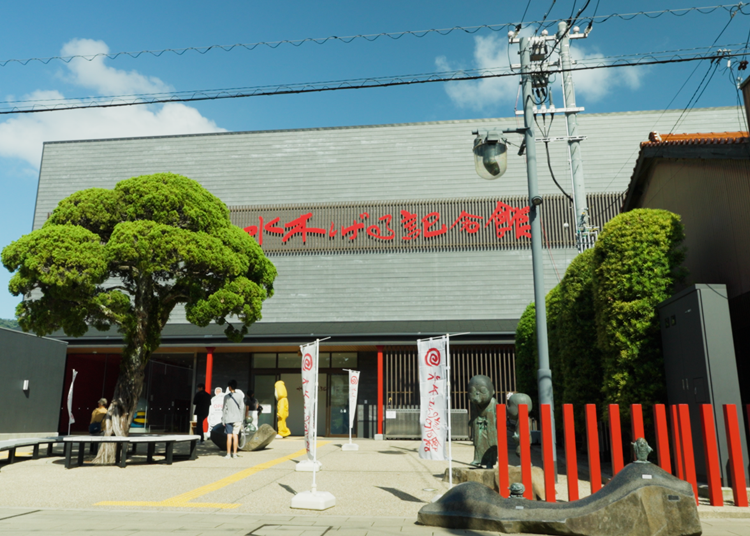
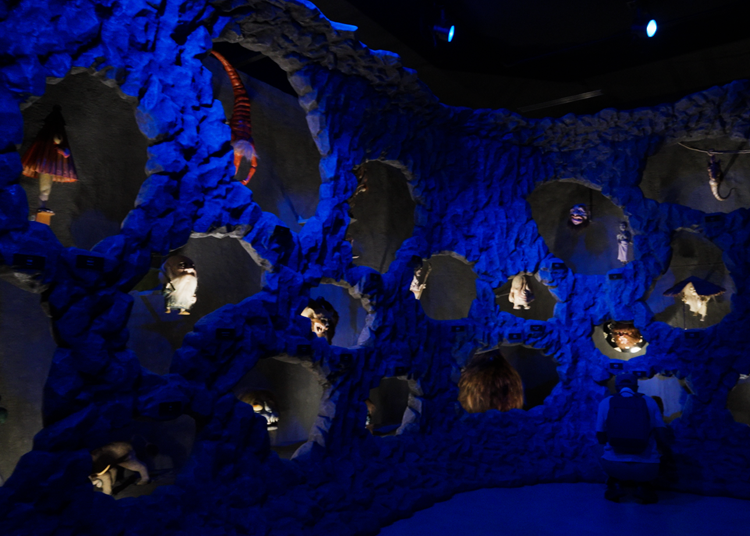
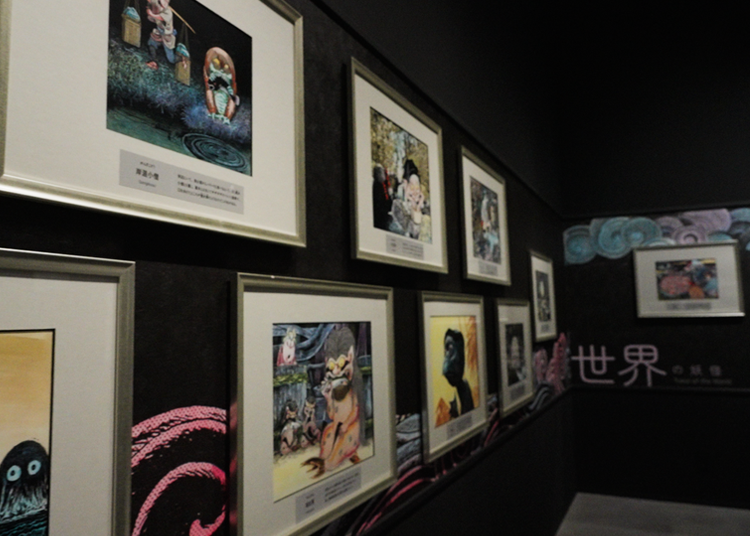
The Mizuki Shigeru Museum displays valuable materials showcasing the manga artist’s eventful life, his experience with the war, as well as yokai statues and paintings. Do not miss the 3D representations of the unique yokai he created. More than an introduction to Shigeru Mizuki’s characters, this museum is a place where visitors can understand his life philosophy and the “admiration for nature and the unknown” he wanted to convey through his yokai. There is also a museum shop on the first floor.
-
Mizuki Shigeru Museum水木しげる記念館
- Address 5 Honmachi, Sakaiminato, Tottori
- Phone Number 0859-42-2171
・Mizuki Shigeru Road
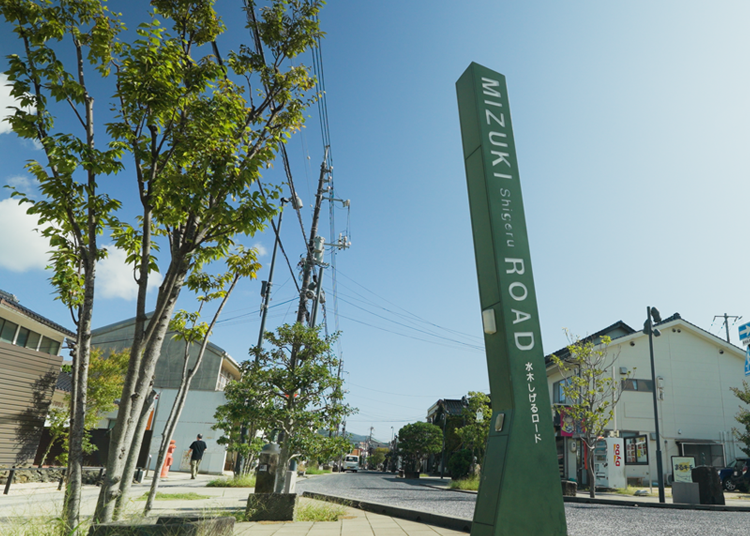
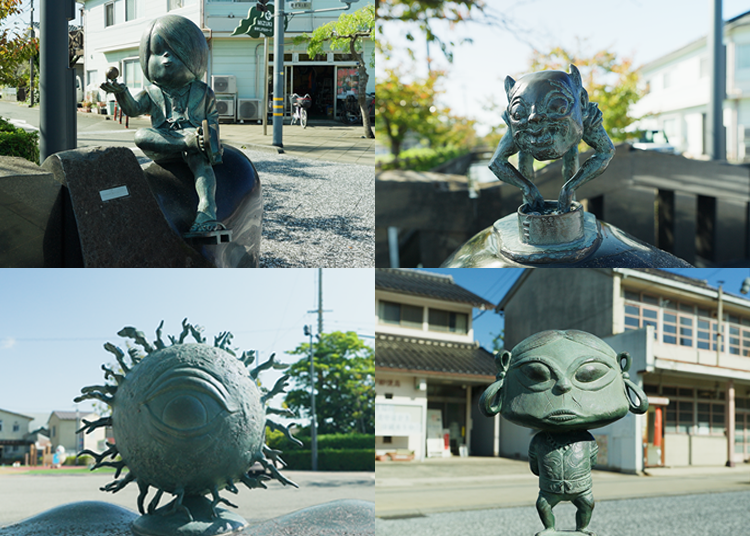
Mizuki Shigeru Road stretches approximately 800 meters from JR Sakaiminato Station and features bronze statues of 178 yokai, including characters from GeGeGe no Kitaro. Illuminated at night, it offers a magical and eerie atmosphere distinct from daytime.
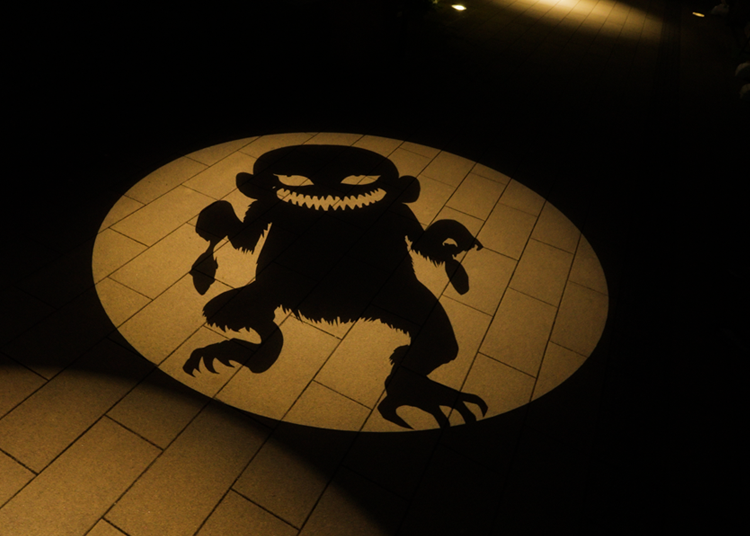
Recommended spots to immerse yourself in yokai and kaidan culture in San’in
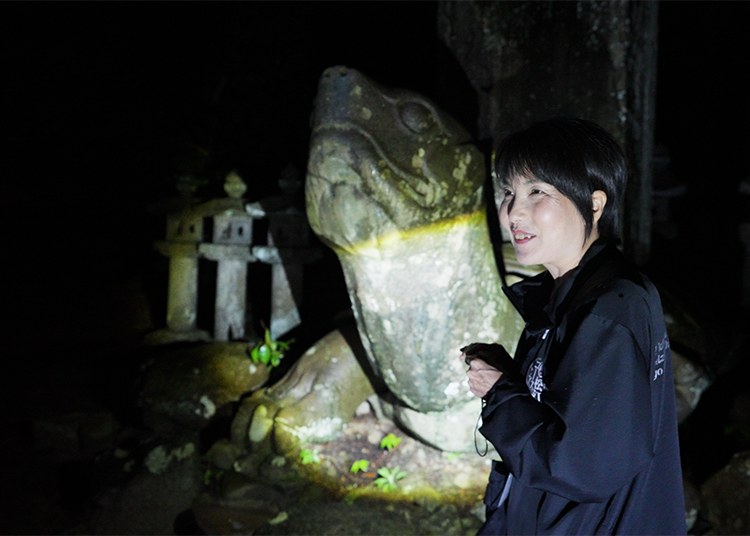
Many of Lafcadio Hearn’s stories in his famous Kwaidan are set in real locations within Matsue’s castle town, such as Gesshoji Temple . One of Lafcadio Hearn’s favorite temples, it is where the legend of the stone statue of the giant turtle that walks at night is born. Fumon-in Temple and Daio-ji Temple also appear in his works. Walking through Matsue’s serene streets full of history, you can experience firsthand the areas where kaidan stories were born and the mystique of Japan through Lafcadio Hearn’s eyes. Additionally, you can participate in the Matsue Ghost Tour offered by the Matsue Tourism Association to explore the city with local storytellers guiding you into the world of kaidan through the darkness of the night.
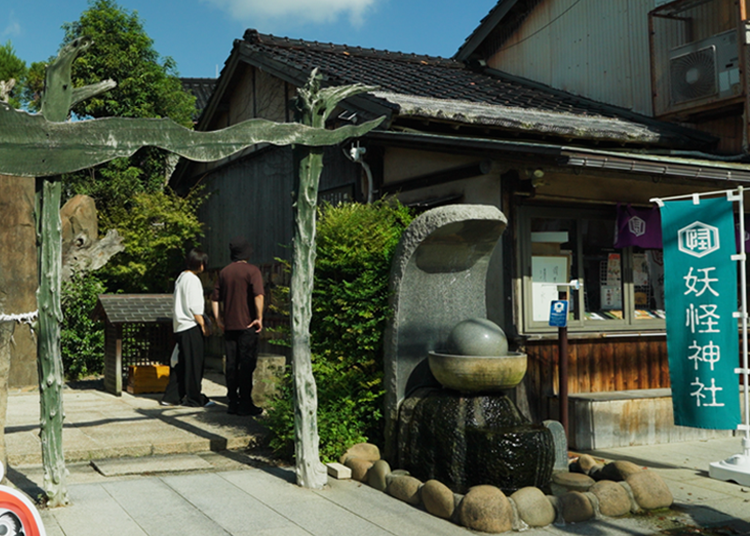
It takes about an hour from Matsue to reach Sakaiminato, where Shigeru Mizuki wrote his stories. This is where you will find the very rare Yokai Shrine, with a 300-year-old zelkova tree and a nearly 10-foot-tall black granite stone as objects of worship. The yokai fortune-telling machine and the unique ema plaques featuring yokai illustrations are extremely popular with international tourists who love mascot characters.
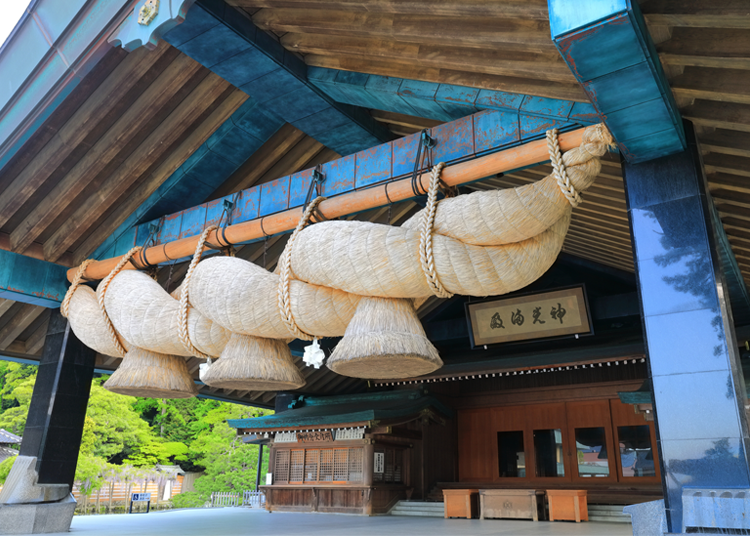
If you are visiting San’in, you cannot miss the Izumo Taisha Shrine. One of Japan’s oldest shrines, it enshrines Okuninushi-no-Okami, a central deity in Japanese mythology renowned as the deity of matchmaking. It is also where all the deities of Japan gather each year in the tenth month of the lunar calendar during Kamiarizuki (the month of the gods) .
Discover the profound charm of Japan in San’in

San’in is the birthplace of Japan’s yokai and kaidan culture, nurtured by mythology and harsh nature. Experience the tranquility of Matsue, beloved by Lafcadio Hearn, and the humorous Sakaiminato yokai depicted in Shigeru Mizuki’s stories. The world of deities, represented by Izumo Taisha Shrine, still thrives here today. I recommend spending your next trip to Japan in San’in, where you will encounter the profound history and spiritual culture of Japan, unlike any other city on the Golden Route.
- Area
- Category
*Prices and options mentioned are subject to change.
*Unless stated otherwise, all prices include tax.
Popular Tours & Activitiess
-

Legends Return to the Skies! ANA Launches Three “Pokémon Jets” in 2026
by: Guest Contributor
-
Ad

Looking for a Top-Tier Japanese Tattoo in Tokyo? KAGEROU in Asakusa Makes It Easy
-
Ad
Discover Tokunoshima, The Hidden Paradise in Southern Japan
-
The Best of Japan's Flavors and Fun! Don Quijote's New "DONKI MEMORIES" Project is Mind-Blowing
-
Ad
Guide to Delicious Vegetarian-Friendly Japanese Restaurants to Visit in Saga
-
Road Trip Around Izu Peninsula: Stunning Views, Hidden Gems, and Relaxing Hot Springs
by: Hide
-
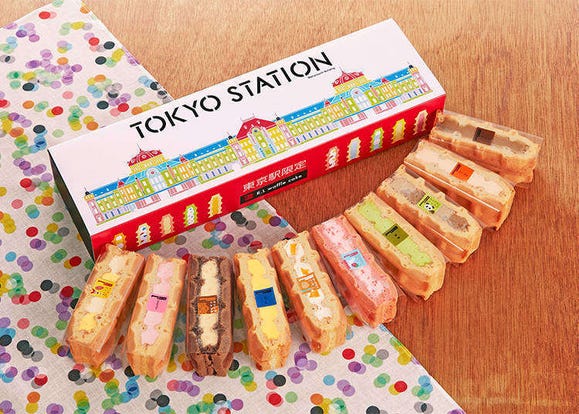
Tokyo Station Top 10 Sweets Ranking!
-
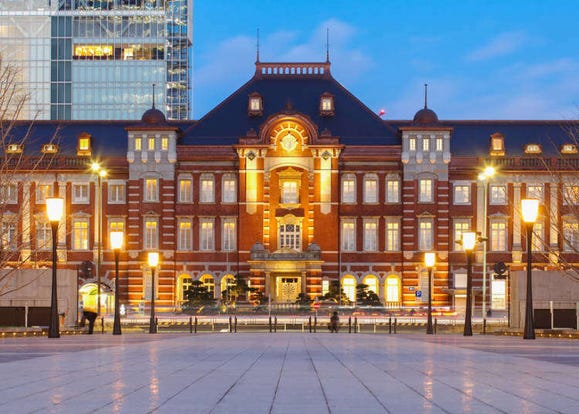
Exploring Tokyo: 4 Must-Visit Spots around Tokyo Station
-
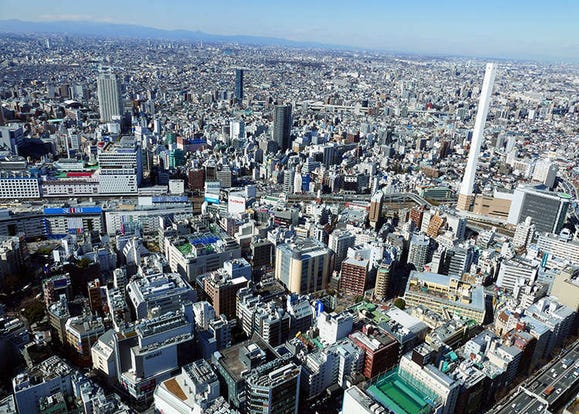
The past and present of Ikebukuro
-
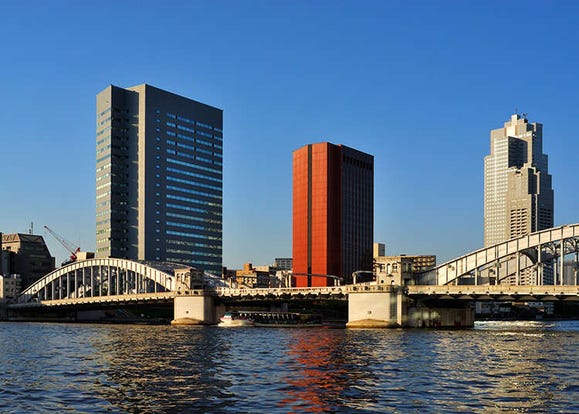
The past and present of Ginza and Tsukiji
-

The Complete Guide to Tokyo Station
-

'Japanese people are way too sly!' 8 reasons why foreigners were shocked at Japanese beauty salons
- #best ramen tokyo
- #what to buy in ameyoko
- #what to bring to japan
- #new years in tokyo
- #best izakaya shinjuku
- #things to do tokyo
- #japanese nail trends
- #what to do in odaiba
- #onsen tattoo friendly tokyo
- #daiso
- #best sushi ginza
- #japanese convenience store snacks
- #best yakiniku shibuya
- #japanese fashion culture
- #best japanese soft drinks