





Preserving the Beauty of World Heritage Site Shirakawa-go for the Future Through Responsible Travel
- Written by: LIVE JAPAN Editor
After being recognized as a World Heritage site, Shirakawa-go quickly became a well-known destination for travelers from Japan and overseas. Even so, people continue their everyday lives within this gassho-style village, named for the steep roofs shaped like praying hands.
When visiting a place that works hard to balance local life and tourism, it’s important to keep the spirit of responsible travel in mind. This article shares the essential etiquette to know before your trip, helping you enjoy Shirakawa-go while supporting the village and its residents.
Shirakawa-go, the World Heritage site captivating people from around the world
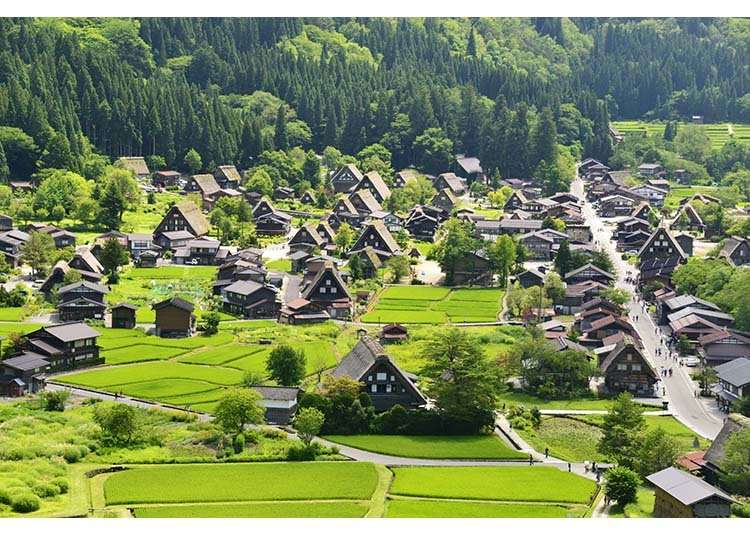
Shirakawa Village is located in Ono, in northwestern Gifu Prefecture. There are several villages along the river, threading its way through steep mountains, and among them is the Ogimachi district, lined with various gassho-style houses of different sizes.
It was registered as a UNESCO World Cultural Heritage site in 1995 together with Gokayama in Toyama Prefecture, under the name “Historic Villages of Shirakawa-go and Gokayama.” It is said that they were selected for their many structures, buildings, and crafts, telling the story of important eras in human history and the landscapes woven by them.
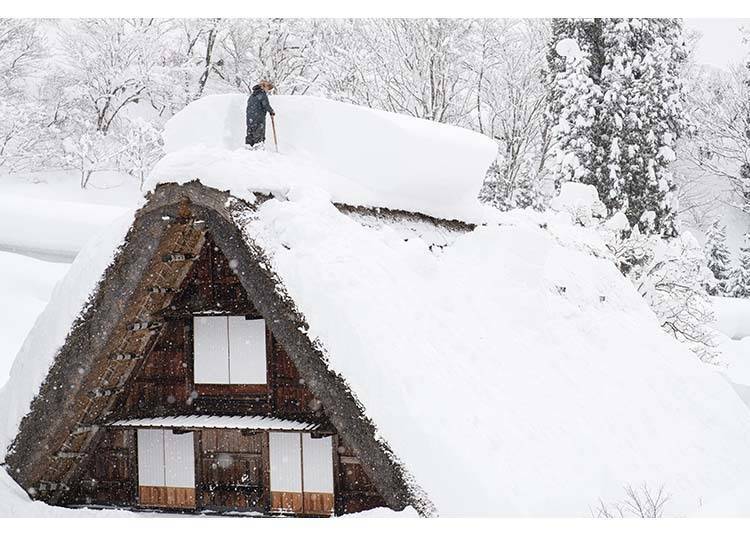
Not a theme park, but a village where people still live today
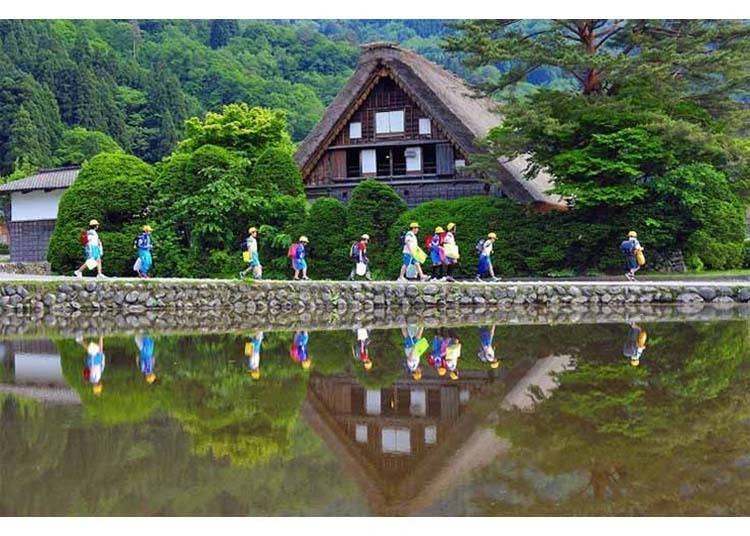
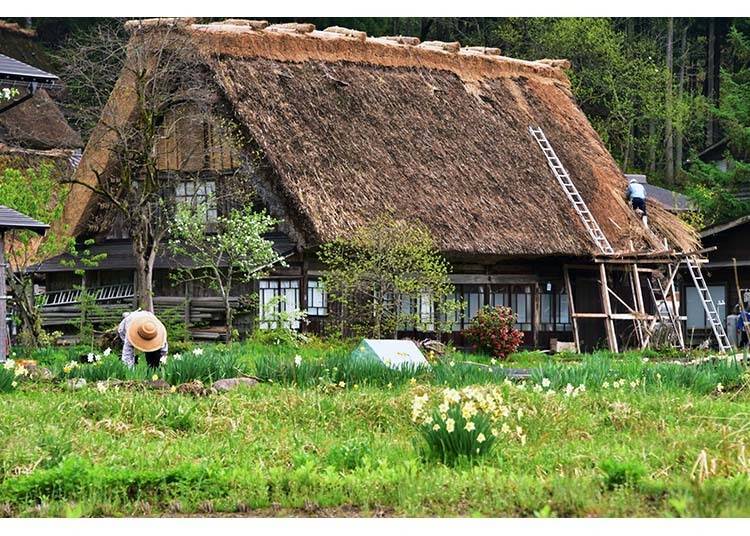
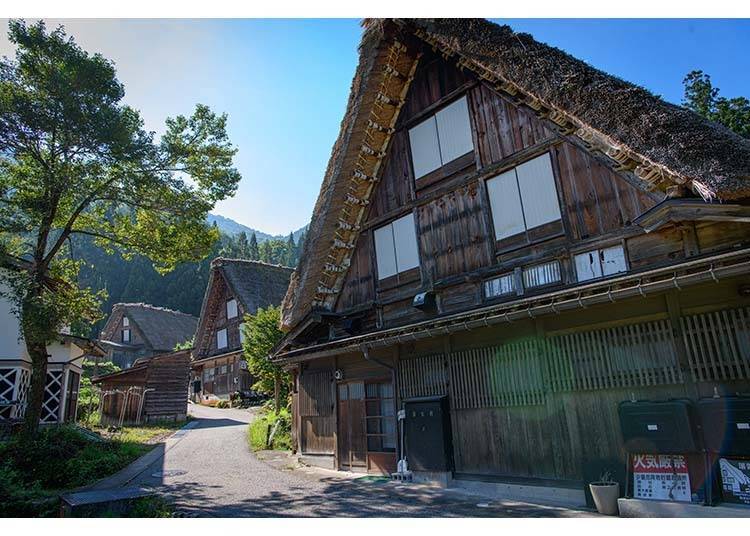
Nearly 500 people live in the gassho-style houses of Shirakawa-go, and their traditional lifestyle was an important factor in the village’s designation as a World Heritage site. This beautiful landscape has been preserved for centuries thanks to the villagers’ continuous efforts to protect the village and houses inherited from their ancestors.
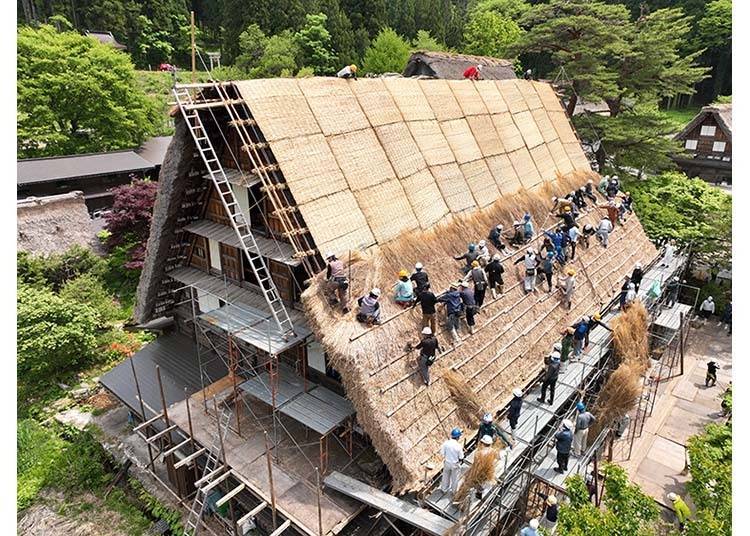
Additionally, the spirit of mutual aid known as “yui” is said to have been highly regarded in the village’s World Heritage designation. Villagers have helped each other in various aspects of their lives amidst Shirakawa-go’s harsh natural environment. This spirit has been passed down across generations, and even today, residents work together to replace the thatched roofs.
There are also many community activities rooted in the spirit of yui, such as daily fire prevention patrols, community cleanups, and celebrations like the Doburoku Festival in autumn. Mutual aid provides a precious opportunity to inherit the ancestors’ wisdom and remains at the core of life in Shirakawa-go.
Five etiquette essentials when visiting Shirakawa-go
The number of tourists visiting Shirakawa-go has been increasing and is starting to have an impact on the residents’ daily lives. There are concerns about congestion caused by cars and sightseeing buses, as well as tourists trespassing on private property. Villagers have raised five etiquette tips for tourists visiting the area.
#1. Use designated parking lots
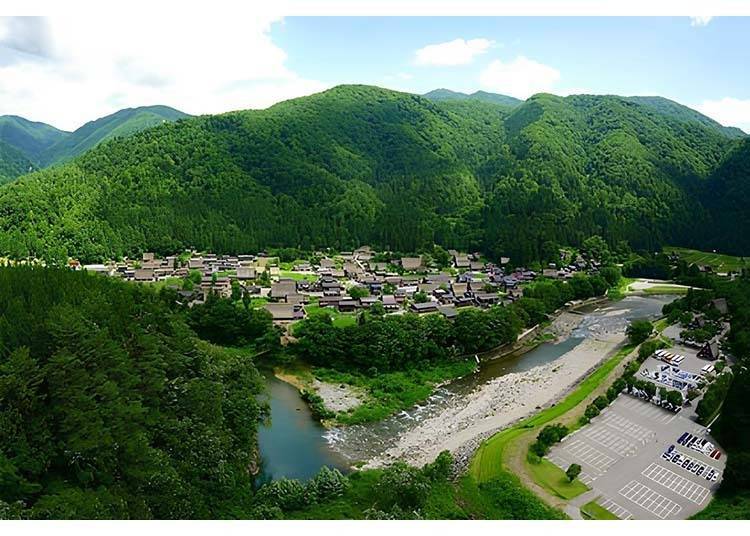
To minimize the impact on the traditional landscape, there are no parking spaces designated for tourists within the gassho-style village. Visitors arriving by car must park at the designated Seseragi Park Parking Lot located across the river from the village. Cross the picturesque suspension bridge, Deai Bridge, and you will find the World Heritage village.
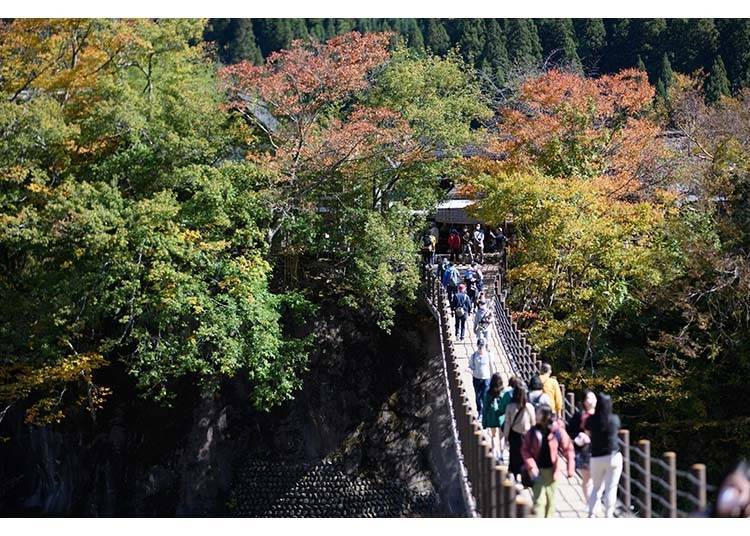
To truly appreciate Shirakawa-go, it helps to explore the village with the same calm perspective as residents. Slow down, follow the walking paths, and listen to the gentle flow of the river as you take in the powerful presence of the gassho-style houses.
A portion of the parking fees at Seseragi Park is dedicated to the preservation activities of the World Heritage village.
- Open all year
- From 8 AM to 5 PM (Last entry at 4:40 PM)
- Fee for standard-size cars: 2,000 yen
- *An additional charge will be applied during peak seasons
#2. No open flames
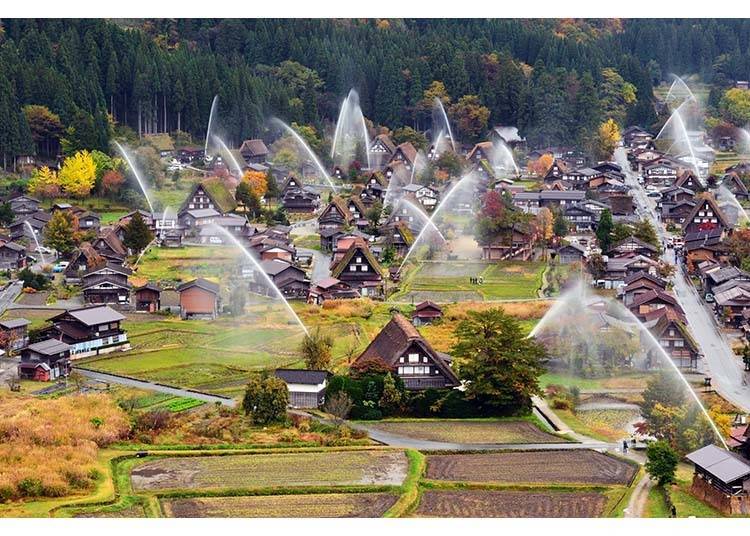
Do not throw cigarettes on the ground or set off fireworks. The thatched roofs of the gassho-style houses are very vulnerable to fire, and once ignited, there is a risk that flames could spread throughout the entire village and destroy the carefully preserved houses.
Villagers are actively engaged in fire prevention efforts and conduct daily patrols. Each household also manages 60 water cannons, and the mountain’s water system is constantly inspected.
Visitors who wish to smoke, including e-cigarettes, should do so at the designated smoking area in the Seseragi Park Parking Lot before entering the village. Smoking in the village is permitted only at three designated smoking areas.
#3. Carry your trash with you and do not litter
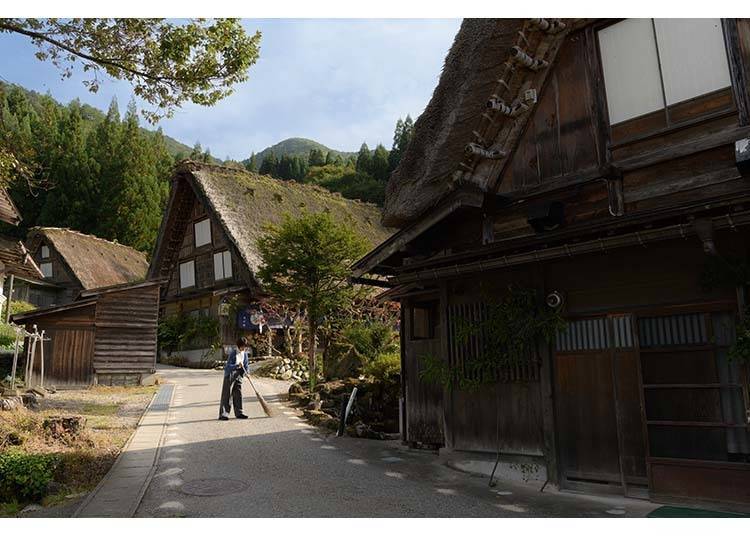
Trash discarded on roads, rice fields, and houses harms the landscape and environment. Waste brought in by tourists from outside the village also places a considerable burden on local residents. With around 1,500 inhabitants, the small village welcomes approximately 2.15 million visitors per year, equivalent to about 1,400 times its population. It lacks the resources and facilities needed to sort, collect, and manage the waste generated by tourists.
This is why there are no trash bins inside the village. Trash from items purchased in the village can be returned to where they were bought. Please carry all other waste with you and refrain from bringing it into the village or littering.
#4. Sightseeing is only permitted during the day
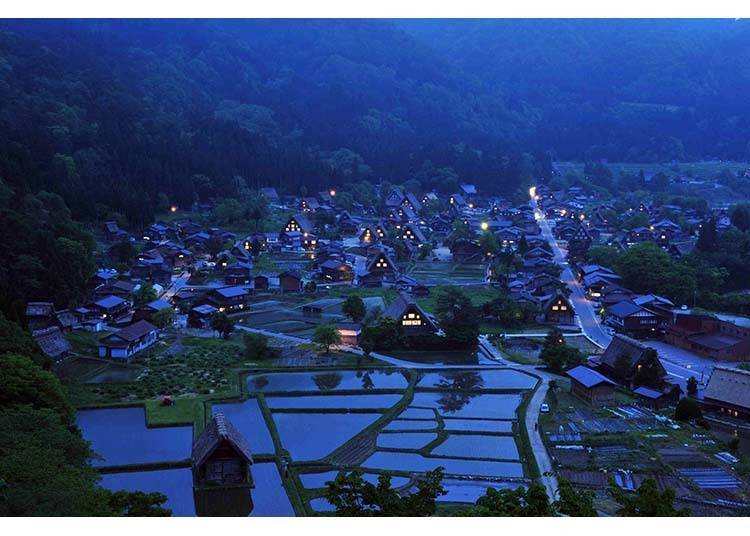
As people still live in Shirakawa-go, sightseeing is not permitted at night to protect their privacy. Please keep in mind that the parking lot operates from 8 AM to 5 PM.
However, lodging is available within the village, allowing guests to interact with innkeepers who are also residents and dine around an irori sunken hearth. Enjoying the starry night sky and the serene early morning in the village is a privilege only lodgers will get to experience.
#5. Drone use is prohibited
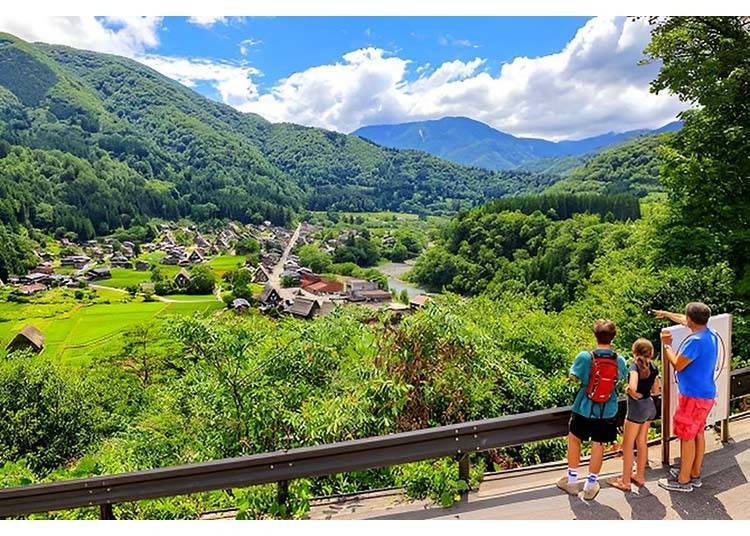
Like many World Heritage sites, drone use is prohibited in Shirakawa-go. The aim is to avoid malfunctioning drones causing irreparable damage to the site and to protect the villagers’ privacy.
To enjoy breathtaking views of the gassho-style village, head to the Ogimachi Castle Ruins Observatory, built atop medieval mountain castle ruins. There is a walking path from the village, but a shuttle bus (300 yen one way) is also available.
How to avoid crowds
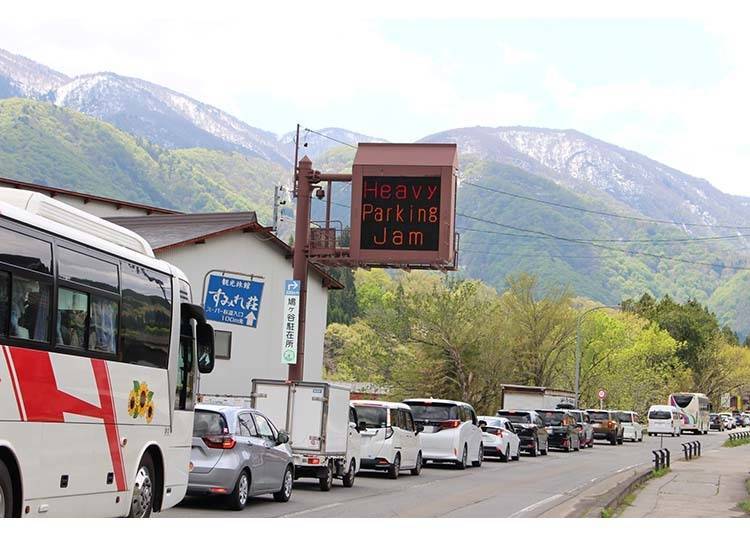
Shirakawa-go’s popularity has grown significantly in Japan and overseas, attracting large numbers of tourists. Congestion occurs when trying to enter parking lots during peak seasons, such as the autumn foliage season from late October to early November, the new green leaves in May, and summer vacation in August. As waiting times can exceed two hours, we recommend keeping the following points in mind when visiting.
Make Your Trip to Shirakawa-go Smoother with SHIRAKAWA-Going!
If you’re planning a visit to the World Heritage site of Shirakawa-go and want to avoid congestion, SHIRAKAWA-Going is an excellent tool. This official site supports the area’s overtourism countermeasures and helps visitors enjoy a more comfortable trip.
The website offers much more than basic information
- Crowd forecasts are available up to three months in advance, making it easier to plan your itinerary.
- Live camera feeds from major roads and parking areas let you check real-time conditions before you set out.
- In winter, the cameras also show current snow levels, helping you prepare for snowy roads and travel with greater peace of mind.
To access Shirakawa-go smoothly and enjoy comfortable sightseeing, be sure to check the website before your visit!

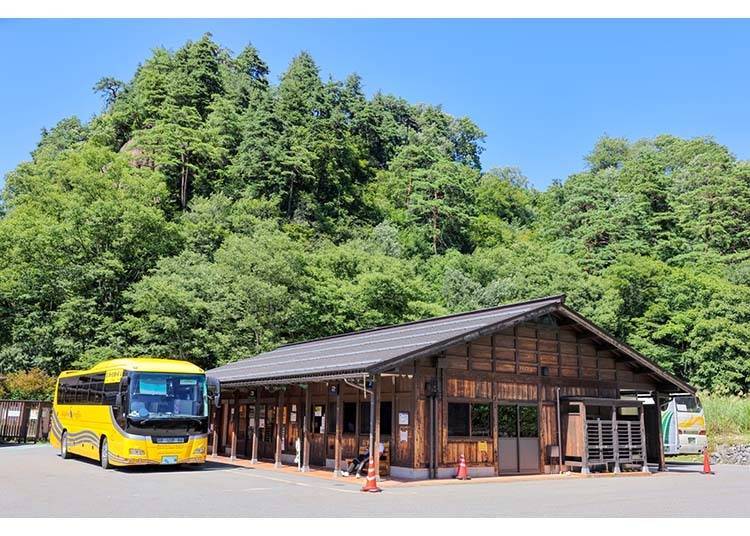
・Use buses instead of your personal car
Using buses reduces the number of cars on the road and helps ease congestion. However, buses can also get stuck in traffic, causing delays, so you should avoid peak congestion around noon and choose buses arriving earlier instead, when there are fewer crowds.
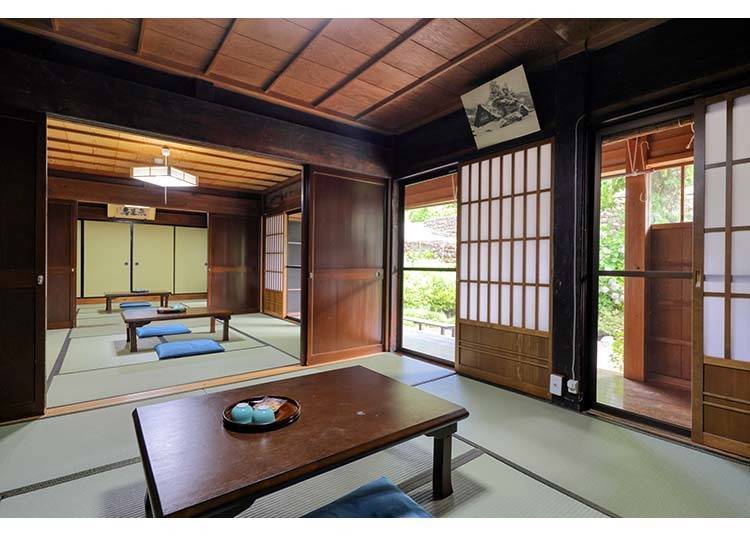
・Spend the night in Shirakawa-go
In Ogimachi Village, you will find gassho-style guesthouses that offer a unique experience of staying within the World Heritage site. There are twenty different guesthouses, allowing you to expose yourself to the lifestyle of Shirakawa-go residents.
Additionally, in the Hirase Onsen area, about a 15-minute drive from the Ogimachi village, you can enjoy hot springs with water flowing directly from the source. There is also a popular camping site. Here, you can avoid crowds and enjoy sightseeing in Shirakawa-go. Accommodation gets booked quickly during peak seasons, so we recommend making reservations early.
Step inside the village, and become one of the villagers
Shirakawa-go residents are grateful for travelers visiting from around the world and wish to pass down the gassho-style village, along with its culture and customs, which have been preserved for generations, to the future. As visitors, we should respect their way of life and navigate the village as if we were locals ourselves.
Our goal as travelers captivated by Shirakawa-go’s beautiful scenery and the lives of its villagers should be to promote responsible tourism. Therefore, it’s important to act thoughtfully and follow proper etiquette. By sharing the mindset of preserving the village’s beauty with the residents, your visit to Shirakawa-go will become an invaluable experience.
- Image courtesy of Shirakawa Village
- Area
- Category
*Prices and options mentioned are subject to change.
*Unless stated otherwise, all prices include tax.
Popular Tours & Activitiess
-

From Haneda to Monchhichi's Hometown! Scenic Monorail Ride & Katsushika 'Old Downtown' Walk
by: Guest Contributor
-
Ad
Japan’s Land of Yokai Monsters and Spooky Stories! A Deep Journey to Mysterious San’in (Tottori & Shimane) for Seasoned Travelers
-
At This Zen Hideaway in Shinjuku,Master the Way of Tea with English Guidance,Matcha,and Wagashi This April
by: Guest Contributor
-
Top 3 OSHI MAPs for the Best Matcha and Sweets in Tokyo
by: Guest Contributor
-
Where to Buy a Japanese Kitchen Knife? Why Travelers Choose MUSASHI JAPAN's 14 Stores in Tokyo, Kyoto, and Nara
by: Guest Contributor
-
PokéPark KANTO Is Finally Open! Tokyo's New Pokémon World Starts Before You Even Arrive (2026)
by: Guest Contributor
-
[MOVIE] A Japanese Drum Experience at TAIKO-LAB
by: Holly Neslusan
-

Perfect for Families on a Budget! Top 5 Places in Shibuya you Can Enjoy For Free
-
There are 30 Types of Japan Travelers, And Which One You Are Will Change Your Trip
by: Sohail Oz Ali
-

Tokyo Roppongi|Roppongi Station Area Map & Sightseeing Information
-

Essential 25 Japanese Travel Phrases You Need to Know Before Your Trip
-
Healthcare in Japan for Tourists: What to Do When You Get Sick or Injured in Japan
- #best ramen tokyo
- #what to buy in ameyoko
- #what to bring to japan
- #new years in tokyo
- #best izakaya shinjuku
- #things to do tokyo
- #japanese nail trends
- #what to do in odaiba
- #onsen tattoo friendly tokyo
- #daiso
- #best sushi ginza
- #japanese convenience store snacks
- #best yakiniku shibuya
- #japanese fashion culture
- #best japanese soft drinks