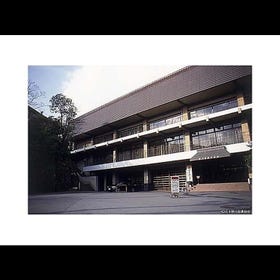
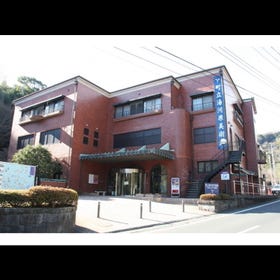
Located inside the Yugawara Tourist Hall, this museum exhibits the works and information panels of various writers and artists who have visited Yugawara since the Meiji era, such as Doppo Kunikida, Soseki Natsume , Ryunosuke Akutagawa, Akiko Yosano, Toson Shimazaki, and Junichiro Tanizaki. It also features a walking map for sights connected to Yugawara’s literary history, a brief history of modern literature in Yugawara, as well as panels of photos showing Yugawara in the past and present, and temples, shrines and stone statues. Access: From Yugawara Station, take the bus headed to Okuyugawara or Fudo-Taki for about 10 minutes We are right next to the Ochiaibashi bus stop
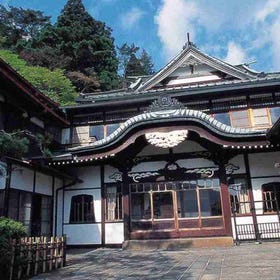
A long-established genuine Japanese style hotel since 1883. The beautiful garden with seasonal flowers, such as azaleas and cherry blossoms, and autumn leaves can be seen through the windows of the guest rooms. You can have an even more luxurious time in a guest room with an open-air bath.
A healing hotel available only to three groups of guests a day so guests are not crowded next to each other. A small hotel reminiscent of home in the countryside with each room equipped with electric massagers, laptops and video games.
A wholesale district for fishery products open to ordinary shoppers. Its motto is ”In small quantity, for anyone and with easy access.”
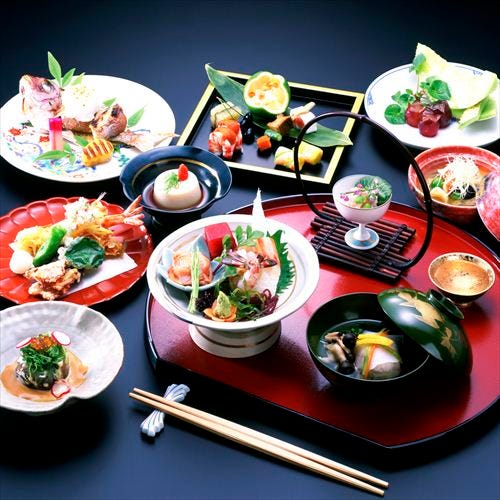
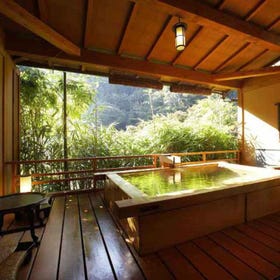
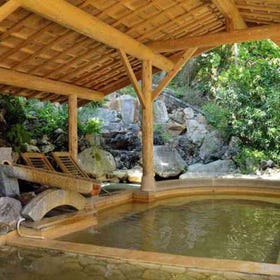
A hidden hotel located over a suspension bridge over the Hayakawa River. The good quality hot springs, include an open-air bath near the valley and an open-air rock decorated bath. Creative kaiseki (traditional Japanese course meals) are made from local produce.
[Takes around three hours 25 minutes at a regular pace - suitable for regular walkers] From the peak of Mt. Nango, 610 meters above sea level, you can enjoy incredible views of the Manazuru Peninsula stretching out into Sagami Bay. People who are interested in old legends can head to Jigansui pond. It is where Minamoto no Yoritomo is said to have gone to commit suicide after losing the Battle of Ishibashiyama. Legend says, after seeing the miserable image of himself reflected on the water, he returned to the fight. Nearby you can also see the remains of Komichi Jizodo (hall for guardian deities), which appears in “Genpei Seisuiki” (The Rise and Fall of the Minamoto and the Taira Clans), and is a good place to stroll while thinking about the Sengoku period. Access: From Yugawara Station, take the bus headed to Kajiya for about 15 minutes The start is right next to the Kajiya bus stop
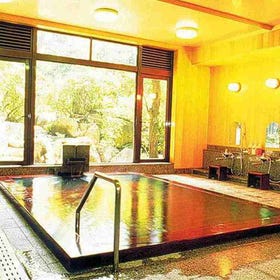
A traditional Japanese style inn filled with the warmth of the wood interior. The gender-separated public bath made of lacquered Japanese cypress is a first in Japan. The kaiseki (traditional Japanese multi-course dinner) meal made of seasonal ingredients will please both the eyes and palate.
A chef of French cuisine who used to work at Imperial Hotel planted a gem of an idea for this hotel, thinking how guests could enjoy the great flavor and magnificence of the traditional French cuisine as they relaxed in nature. All rooms have a milky gensen kakenagashi (hot spring water flowing into the bath directly from the source) hot spring bath. Enjoy bathing and having tasty meals and luxurious moments.
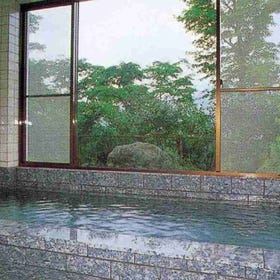
A hotel located in a quiet cottage area. Bathrooms have large windows to see Owakudani Valley and Mt. Daigatake. Many repeat guests, most of them are aged female groups, come here to stay to climb Mt. Kintoki. Home cooking is served for meals.
The hot spring source is a natural flow of slightly reddish cloudy hot water. 100% pure hot spring water from the source is luxuriously used for the indoor bath and open-air bath. The water is potable and is effective against gastrointestinal diseases. Located in an open area, the view from the rooms is fantastic.
A French-style inn serving creative French cuisine located in the quiet forest of Sengokuhara Highlands. The highly experienced chef studied at a Michelin rated restaurant in Brittany, France.
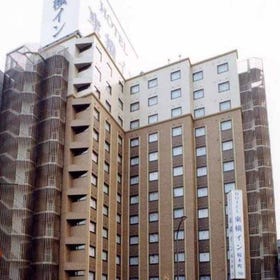
Convenient hotel for both sightseeing and business in Yokohama. The business center is equipped with computers. Breakfast is free of charge. Some guest rooms are suitable for wheelchair users.
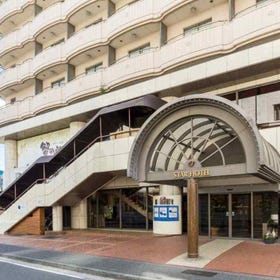
A functional hotel offers great access to sightseeing spots in the area. All guest rooms have a balcony. Some rooms have a superb night view of Yokohama Port.
This is a replica of an original lighthouse that was used for 220 years during the Edo period.
In 1998, an old Japanese inn was renovated and opened as the Yugawara Art Museum. We exhibit works by artists with a connection to Yugawara, such as Seiho Takeuchi, Sotaro Yasui, and Kokki Miyake. In the Reiji Hiramatsu Hall, Reiji Hiramatsu, one of Japan's leading artists, is currently creating an exhibition provisionally titled ”Ten Scenes of Yugawara.” In addition to viewing his works, the atelier where he creates his works is also open to the public. In the Japanese garden connected to the museum you can view seasonal flowers and ”Monet’s water lilies,” which were grown from water lily bulbs given to Reiji Hiramatsu by the Fondation Claude Monet. In the museum's cafe ”And Garden,” you can relax with food and tea while enjoying a fine view of the garden. Please enjoy appreciating great art in our peaceful, soothing museum. Access: From Yugawara Station, take the bus headed to Okuyugawara or Fudo-Taki for about 12 minutes We are right next to the Bijutsukan-Mae bus stop.
A cozy hotel where you can relax like home. It can be used for business trips, to study for entrance exams, and for parties. All rooms are equipped with a desk and trouser press.
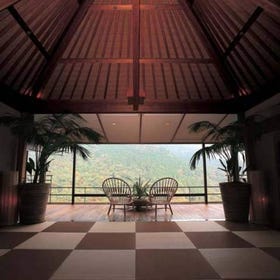
Superb location overlooking mountains at Hakone. The hotel interior used furniture and lighting from Bali and it reminds of a tropical resort. There is a spacious open-air bath on the balcony, and a popular beauty salon directly managed by the hotel.