








Yamadera Temple (山寺) offers a spiritual and scenic retreat in Yamagata Prefecture. Perched high on the steep mountainsides of Yamagata Prefecture, this ancient temple complex is one of northern Japan's most rewarding day trips. Whether you are here to soak in 1,100 years of history, snap that iconic cliffside postcard photo, or clear your mind surrounded by serene pine forests, you are in for an unforgettable journey.
Below is everything you need to know to navigate your trek—from train connections and luggage tips to cash entry fees and the best local bites waiting for you at the bottom!
- Table of Contents
-
- Getting to Yamadera from Sendai, Yamagata, or Tokyo
- History & Cultural Significance of Yamadera / Risshakuji Temple
- Trail Overview: Climbing Time, Difficulty & Gear Requirements
- Recommended Hiking Route & Must-See Highlights
- Temple Seals (Goshuin) & Local Tasty Treats
- Delicious Local Specialties
- Best Time to Visit Across the Seasons
Getting to Yamadera from Sendai, Yamagata, or Tokyo

Getting here is surprisingly easy! Yamadera sits right on the JR Senzan Line, which links Yamagata City with Sendai. Once your train pulls into JR Yamadera Station, you are only a quick 5-minute walk (about 500 meters) from the mountain trailhead.
- From Sendai: Jump on the JR Senzan Line (rapid or local) bound for Yamagata. You'll arrive at JR Yamadera Station in about an hour, and the fare is between 860 and 910 yen.
- From Yamagata: Board the JR Senzan Line heading toward Sendai. You'll be at Yamadera Station in just 20 minutes for a quick 240 yen fare.
- From Tokyo: Take the Yamagata Shinkansen from Tokyo Station to JR Yamagata Station (about 2 hours and 26 minutes), then make a smooth transfer to the JR Senzan Line for the final 20-minute leg.
- Rail Pass Savings: If you are traveling with a JR Pass or a JR East Tohoku Area Pass, your entire train ride here is fully covered!
- Coin Lockers:
- JR Yamadera Station has small, medium, and large coin lockers inside and right outside the station building, costing between 300 and 700 yen.
- Local Shops:
- If all the station lockers happen to be taken, don't worry! Several gift shops and restaurants across the river bridge will watch your bags for a small fee, or even for free if you drop in for lunch or souvenir shopping.
- Train Timing Note:
- Trains on the Senzan Line run about once every hour, so it’s always a good idea to check the departure schedule before heading back down the mountain.
History & Cultural Significance of Yamadera / Risshakuji Temple

The temple’s official name is Hojusan Risshakuji (宝珠山立石寺), though almost everyone affectionately calls it Yamadera (which literally means "Mountain Temple"). It was founded back in 860 AD by Jikaku Daishi (Ennin), a famous monk of the Tendai Buddhist sect.
The entire mountain is a place of training and worship. The approach to the summit is a steep 1,015-step stone staircase passing halls and pagodas of various sizes along the way.
Local tradition says that as you ascend the mountain step by step, you gradually leave behind bad luck and toxic relationships, refreshing your mind and spirit by the time you reach the top.
The Inextinguishable Sacred Flame
Inside the temple's main hall (Konponchudo), keep an eye out for the Fumetsu no Hoto (the Incombustible Buddhist Flame). Brought all the way from Mount Hiei's Enryakuji Temple near Kyoto over 1,100 years ago, this sacred flame has burned continuously without going out even once!
Following in the Footsteps of Matsuo Basho

In the summer of 1689, Japan's legendary haiku poet Matsuo Basho (1644-1694) hiked up these very same steps during his famous journey through northern Japan. Overwhelmed by the peaceful atmosphere, he penned one of his most famous poems right here:
"Up here, a stillness / the sound of the cicadas / seeps into the crags." (version by Arthur Binard)
(閑さや 岩にしみ入る 蝉の声)
As you climb, you'll spot statues of Basho and his travel partner Kawai Sora (1649-1710), along with a dedicated stone monument marking where his original poem draft was buried.
Trail Overview: Climbing Time, Difficulty & Gear Requirements

Ready for a little workout? The main trail up Yamadera consists of a winding stone staircase with exactly 1,015 steps.
At the foot of the approach, there is a sign that reads “mountain entrance” (登山口). Because the stone steps are steep, some might find the experience more like mountain climbing than “worship.”
How Long Does It Take & How Tough Is It?
Reaching the upper temple precinct takes about 30 to 45 minutes of steady climbing, but the trail is best treated as an experience rather than a race. Setting aside 1.5 to 2 hours for the round-trip leaves ample room to wander down quiet side paths toward moss-covered shrines, catch your breath at panoramic viewpoints, and take photos without watching the clock.
The trek itself is a moderate climb. You do not need backcountry hiking experience, though the upward grade is constant enough to elevate your heart rate. A path of weathered stone steps flanked by dependable handrails guides you through the steepest sections, making the route remarkably manageable once you fall into an easy, measured rhythm.
What to Wear & Pack
Spring & Summer: Wear light, breathable clothes and a sturdy pair of sneakers or walking shoes. Bring a hat, sunscreen, a small sweat towel, and a bottle of water to stay hydrated.
Autumn: Dress in layers! It can get chilly quickly as you climb higher up the mountain.
Winter (December to March): Winter turns the mountain into a snowy fairytale, but the stone steps freeze into slippery ice. You must wear proper winter boots with good traction. We strongly recommend strapping on crampons or microspikes (available locally or online) so you don't slide around on the icy stairs. Warm gloves and thermals are a must!
Recommended Hiking Route & Must-See Highlights

Once you've got your equipment in order and paid the entrance fee (500 yen for adults; cash only), it's time to start the walk. Yamadera has about 30 large and small towers and temples, and since it would take too much time to see them all, it’s best to focus on the highlights.
Here are the sights recommended by local Tohoku writers. A map of the walking routes and sightseeing spots makes it easier to plan your own itinerary. You can get one locally or download it from the Yamadera Tourism Association website in Japanese or English.
Recommended sights:
1. Konponchudo Main Hall
2. Basho & Sora Statues
3. Semizuka Monument
4. Niomon Gate
5. Chushoin Temple
6. Okunoin Hall & Great Buddha Hall
7. Kaisando Hall & Nokyodo Hall
8. Godaido Hall
1. Konponchudo Main Hall & Homotsuden Treasure Hall

Right near the base before the main ticket gate sits Konponchudo, built in 1356 and recognized as Japan's oldest beech wood building. If you'd like to step into the inner sanctuary (Naijin) to view the eternal sacred flame up close, there is a small additional fee of 200 yen.
Just across from Konponchudo is the Homotsuden Treasure Hall, housing historic statues and ancient scrolls (admission is 200 yen; open April through November). Right next door, you'll also find Hie Shrine, famous for mizumikuji (fun paper fortunes that reveal your luck when dipped into fresh water)!
2. Semizuka & Mida Hora Rock

Once you pass through the Sanmon Gate, built during the Kamakura Period (1185-1333), and start working your way up into the cedar forest, you'll arrive at Semizuka after about 15 minutes. This stone monument marks the exact spot where Basho's poetic inspiration struck - in 1751, a strip of paper with Basho’s writing was found buried here. Look up at the rock face nearby called Mida Hora. With a little imagination, you can see the natural outline of the Amida Buddha etched into the stone cliff.
3. Niomon Gate, Chushoin & Okunoin

As you continue upward about 5 minutes, you will pass through the grand Niomon Gate, guarded by two towering wooden warrior statues keeping watch over the mountain.
Just past the gate, pop by Chushoin Temple to see the wooden statuette of Obinzuru-sama. Legend has it that if you touch a part of the statuette, it will heal whatever aches or pains you have on your own body!
At the very top of the main stairwell path stands Okunoin and the Great Buddha Hall (Daibutsuden). Take a moment inside to appreciate the impressive 5-meter-tall golden statue of Amida Nyorai Buddha.
4. Kaisando & Nokyodo (The Iconic Cliffside Red Hall)

After reaching Okunoin, take the side trail leading toward the cliff's edge. Here you'll find Kaisando (dedicated to the temple founder) and Nokyodo, a tiny red wooden hall resting dramatically on a narrow cliff ledge. This is the single most famous vista in Yamadera, so be sure to step back along the pathway to snap your iconic photo!
The sight of these two buildings side by side is the most iconic image of Yamadera. If you want to take a beautiful picture that includes the surrounding scenery, it’s best to do so from the promenade a little away from the structures.
5. Godaido Observation Deck (The Big Grand Finale!)

Just a few covered steps up from Kaisando sits Godaido, an open-air wooden balcony jutting right out over the sheer drop. Built centuries ago as a space to pray for "tenka taihei" - world peace, it now offers visitors a breathtaking, 180-degree panoramic view over the whole valley, rural train tracks, and surrounding peaks. Every bit of fatigue from those 1,015 steps melts away the second you step onto this deck!

The view of the snow-covered mountains, which look like an ink sketch, is a popular sight, attracting visitors even in winter.
Temple Seals (Goshuin) & Local Tasty Treats

At Yamadera temples and shrines, you can receive eight different goshuin – red ink stamps given to pilgrims to commemorate their visits to holy sites. Please note that you’ll need to bring your own stamp book if you want the seal given at Okunoin.
At Hie Shrine, next to Konponchudo, you can purchase “mizumikuji,” in which the written characters become visible when the omikuji fortune is put in water with seasonal flowers. The famous “Large Omamori” amulet, said to be beneficial for health and warding off evil, is also popular. As the name suggests, it is a uniquely large amulet.

Delicious Local Specialties

When you climb back down to the village, celebrate your accomplishment with some tasty Yamagata treats.
Chikara Konnyaku (Power Konjac): Hot, savory konjac balls simmered in soy sauce and served on wooden skewers. Locals swear eating these gives you the power (chikara) to conquer the steps!
Yamagata Soba: Reward yourself with a bowl of handmade buckwheat noodles topped with wild mountain vegetables (sansai).
Cherry Gelato & Dango: Yamagata is famous across Japan for its sweet cherries. Grab a scoop of cherry gelato or freshly grilled dango skewers on your stroll back to the train station.
Best Time to Visit Across the Seasons

No matter what month you visit, Yamadera puts on a fantastic show.
・Spring (April to May): Cherry blossoms frame the bottom of the mountain, while fresh green leaves blanket the climb.
・Summer (June to August): Lush, deep green canopy shades the trail, accompanied by the classic song of cicadas.
・Autumn (Late October to Mid-November): The mountain explodes into vibrant reds, oranges, and golds, making it easily one of the most magnificent autumn foliage spots in all of Tohoku!
・Winter (December to February): Pure white snow covers the ancient rooftops and trees, making the temple look like a traditional ink painting brought to life. Just remember your ice crampons!


Called “an ancient temple in the sky,” make sure you visit Yamadera and immerse yourself in the spectacular soul-cleansing scenery!
-


-
Address
4456-1, Yamadera, Yamagata-shi, Yamagata, 999-3301
View Map -
Nearest Station
Yamadera Station (Senzan Line)
5 minutes on foot
- Phone Number 023-695-2843
-
Address
4456-1, Yamadera, Yamagata-shi, Yamagata, 999-3301
Text by: Shoe Press Co., Ltd.
*Please check official websites for the latest information.


- Area
- Category
*Prices and options mentioned are subject to change.
*Unless stated otherwise, all prices include tax.
Popular Tours & Activities
Recommended places for you
-

Sendai Tanabata Festival
Japanese Festivals (Matsuri)
Sendai And Matsushima
-
Sannai-Maruyama Site
Village Ruins
Aomori, Hirosaki And Hachinohe
-

Oirase River
Rivers, Lakes & Canyons
Other Surrounding Areas Of Aomori
-
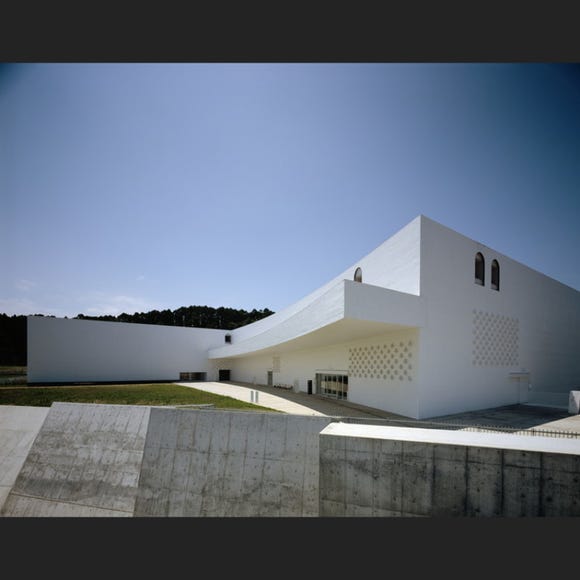
Aomori Museum of Art
Art Museums
Aomori, Hirosaki And Hachinohe
-
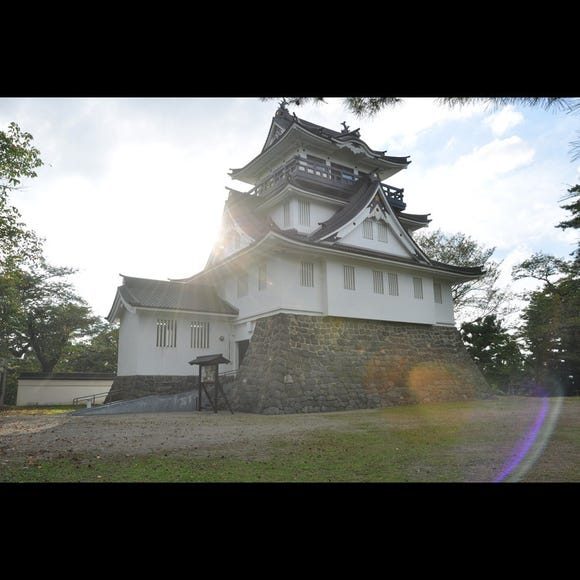
Yokote Park
Parks
Surrounding Areas Of Akita
-

Geibikei Gorge
Rivers, Lakes & Canyons
Morioka, Hiraizumi And Hachimantai
-
Tohoku's Best Value Onsen Ryokan: 10 Hidden Hot Spring Gems from Sendai to Aomori and Niigata
-
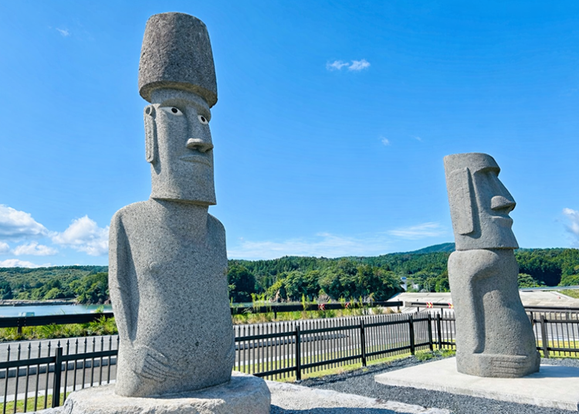
Why Is There a Giant Moai Statue in Japan? A Powerful Story Awaits in Minamisanriku
by: Timothy Sullivan
-
Japan's Best Premium Hot Spring Getaways: Top 10 Luxury Ryokan in Tohoku & Niigata (Perfect for Family Trips & Couples)
-
Sendai & Miyagi: 10 Recommended Apartment Hotels Perfect for Road Trips and Local Experiences
-

Hotel Mazarium: Stay In the Heart of Morioka at This Atmospheric Hotel
by: Timothy Sullivan
-
Every Fall, Giant Straw Creatures Take Over This Park in Japan
-
Japan's Bath Culture: Tips You Should Know!
-

Visiting the Sacred Japanese Gardens at Entsuin Temple in Matsushima
-

Sendai Daikannon Statue: Explore One of the World's Tallest Statues
-
We Board Japan's 'Setsugekka' Resort Train And Have An Incredible Journey Through The Heartland
-

Kaminoyama Onsen Guide: Best Things to Do in Japan's Samurai Town!
-
38 Best Things to Do in Sendai & Miyagi: Sightseeing, Food, Shopping & Souvenirs
by: Guest Contributor