Since it was established on August 1, 1924 to host the national high school baseball tournament, Koshien has been a mecca for baseball lovers for over 90 years. The Koshien Liner Vision is set under the huge roof called Ginsan. There, you can enjoy the original gourmet food and a collaboration menu with players.
Right outside Exit 12 of Sakaisujihonmachi Station. A Japanese suit brand offering a variety of popular items, including non-iron shirt, washable suits, pajama suits and a wide selection of business attire for both men and women.
One-stop purchase of popular Japanese products.
A huge fashion building occupied by various shops
Late-night tax-free shopping near Osaka and Umeda Stations
ORIHICA is a Japanese business-casual brand offering high cost-performance suits and shirts for both men and women, with a slim fit design that combines practicality. Highly popular among Japanese office workers.
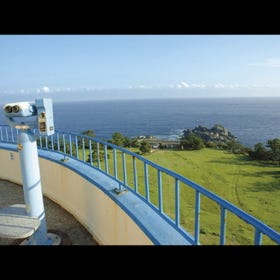
This observation deck lies at the southern tip of Shionomisaki. The seventh and eighth floors, which are 100 meters above sea level, are observation galleries, commanding a magnificent view of the Pacific Ocean. On a fine day, the vista even takes in the distant Mt. Nachi. On entering the deck, you'll receive a certificate for visiting the southernmost point of Japan's main island as proof of your visit to Shionomisaki. The grasslands at the tip of the cape, called “Boro no Shiba,” stretch out over 100,000 square meters. A restaurant there serves a variety of dishes using locally sourced ingredients.
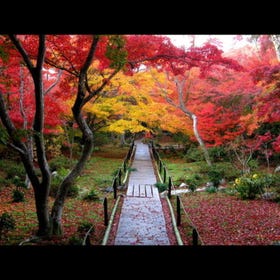
This is the remains of the garden of Daijo-in Temple, which was a monzeki temple (a temple of high rank where members of the imperial family and nobility enter the priesthood) of Kofuku-ji Temple. After the restoration was completed in 2010, these remains were made open to the public. You can also see them from Daijo-in Temple Garden Culture Hall located in the south of the garden.
Originally an antique book district before the war, stores selling electrical appliances started to appear, and Den Den town developed into an electrical appliance district around 1950s. Nowadays there are some 200 stores that deal with household appliances, personal computers, audio devices, mobile phones, and lighting equipment. Recent years have seen stores related to pop culture such as anime and games springing up, and in response to the increased number of foreign tourists, there are now plenty of tax-free shops, too.
Established by Emperor Shirakawa during the Heian Period, the temple's name derives from the ingo (posthumous Buddhist name) of Yoshiakira Ashikaga, the second shogun of the Muromachi bakufu (Japanese feudal government headed by a shogun). While exploring the precinct, you'll find the graves of Yoshiakira and Masatsura Kusunoki, the busho (military commander) of Nancho (Southern Court) located next to each other. Masatsura was much respected by Yoshiakira even though he was an enemy general. During autumn, the maple leaves turn a striking red (visitors are not allowed to bring in a tripod stand or a unipod).
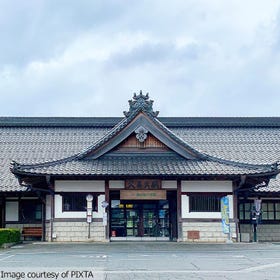
A base for exploring Kyoto by the Sea, including Kumihama Bay, Amanohashidate, and the Ine Funaya boathouses.
A store carrying many unique items from Kyoto where the concept of etiquette in daily life is deeply rooted
With its superb bayside location, this large complex attracts many people coming to enjoy dining and shopping. Within the building, you can enjoy various facilities such as ATC Asobi Mare, which is an indoor playground where parents and children can play all day long, and Mentai Park Osaka ATC, which is a mentaiko (seasoned cod roe) theme park where you can join a factory tour and sample some mentaiko. Moreover, live music performances and special exhibitions take place all year round. The outdoor Umie-ru Ground includes a picnic square with play equipment made by BorneLund and a miniature garden where you can gaze upon seasonal flowers. It's also a great place to watch the sun set.
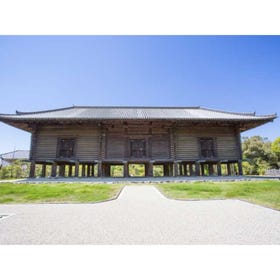
A vault of many national cultural artifacts from the Nara period
Founded by Kobo-Daishi Kukai, this is a sacred place of Shingon Esoteric Buddhism, boasting a history of 1,200 years. Scattered across the mountain at approximately 900 meters above sea level are 117 temples, including Kongobu-ji Temple, forming a large religious town. With Danjogaran and Okuno-in at its core, this sacred territory has been visited by large number of Kukai's followers. Since the town is surrounded by forests, Mt. Koya is a great place to enjoy some hiking while visiting the temples.
In Kyoto Shinkyogoku Shopping Street.Medicine, Cosmetics, etc.in store.
Combined with Lalaport & Outlet! Enjoy Fashion, Gourmet Food, and Latest Electronics All in One Place.
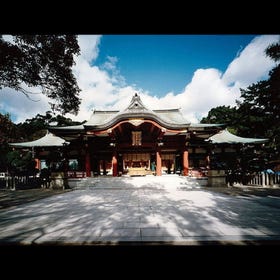
Worshipped as the deity of good fortune, this is the head shrine of all the Ebisu-jinja shrines in Japan that enshrine Ebisu, the god of business success. During the period from January 9 to 11 called Toka Ebisu, the shrine bustles with as many as one million visitors every year. A particularly famous event at this time is the Shinto ritual called Fukuotoko Erabi (choosing a lucky man), which takes place early in the morning of January 10. It is also well known that Hanshin Tigers players come here in spring to pray for victory before the official professional baseball season begins. The 247-meter Oneribei, which was constructed in the Muromachi Period, and the Omote-Daimon gate, which was built in 1604 using funds donated by Hideyori Toyotomi, are both designated as national Important Cultural Properties.
The large scale ski area! High quality snow and the rich variation of trails are amongst the many attractions.