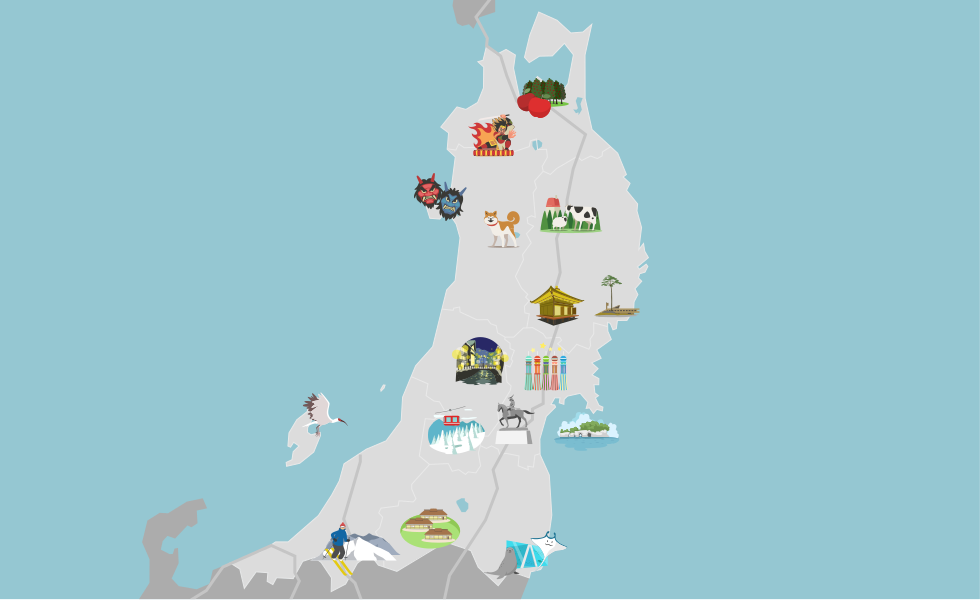
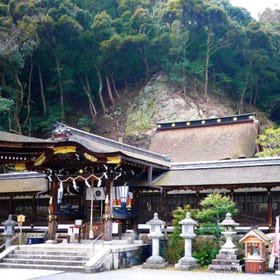
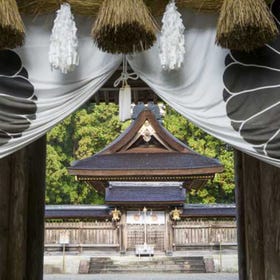
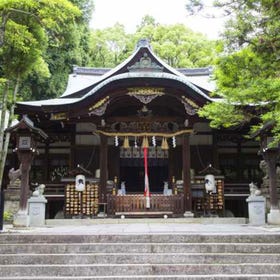
The head shrine of all the Tenman-gu shrines in Japan, affectionally called ”Kitano no Tenjin-san.” The shrine is dedicated to Sugawara no Michizane.
Where the guardian buck and doe are enshrined
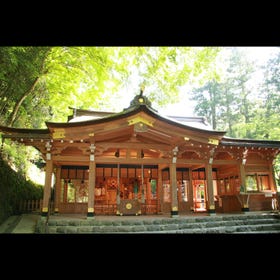
A guardian deity of water with miraculous virtue worshipped since ancient times. The shrine has been worshipped for better luck marriage by countless people through the ages, including nobles.
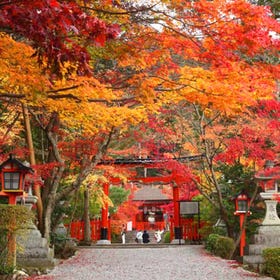
Surrounded by the old-growth forest of Tadasu-no-Mori, the shrine has records that date back before Christ. It is also renowned as a spiritual place believed to bring good luck in romance.
The shrine to the north of the main hall of Kiyomizu-dera Temple, whose spirit is worshipped as a deity of marriage. A pair of guardian stones in the grounds known as ”Koi uranai-no-Ishi” dates back to the Jomon period.
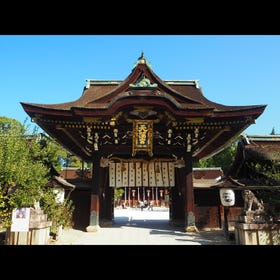
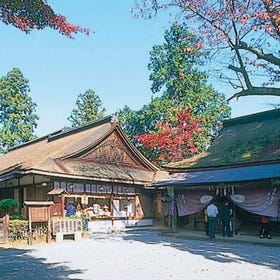
Known for its relation to the Fujiwara clan, this shrine boasts spectacular views of autumn foliage
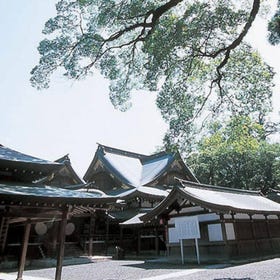
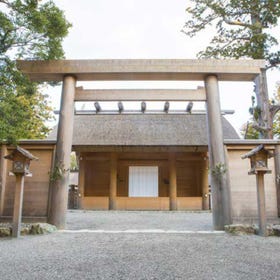
Enshrines Japan's top Shinto deity
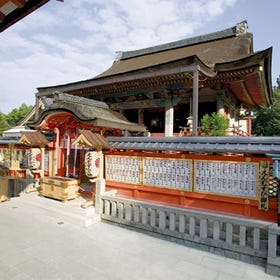
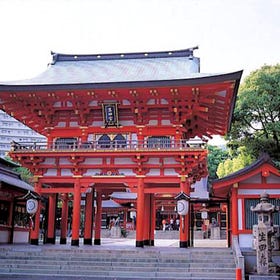
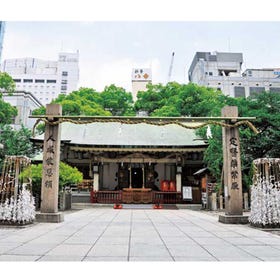
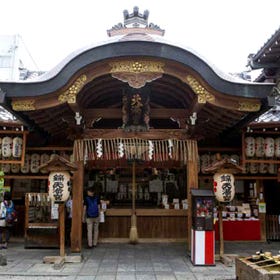
Encounter a god of matchmaking in a busy district
Dedicated to Toyo'uke-no-Omikami
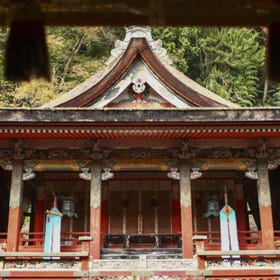
This ancient temple contains the history of the Southern Dynasty
A shrine for a popular matchmaking deity and associated with the puppet play “Sonezaki Shinju”
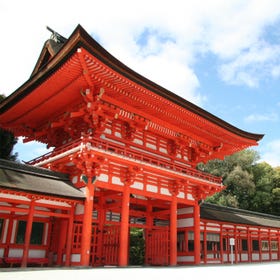
The oldest shrine in Kyoto
The head Kumano shrine where various Kumano deities are worshiped
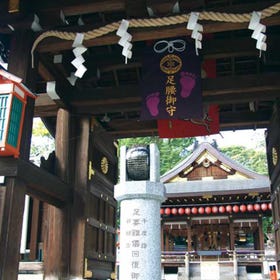
A shrine affiliated with boars and protection for the lower body
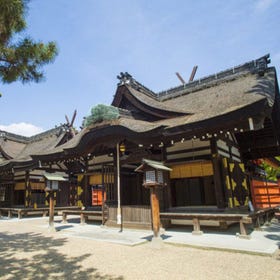
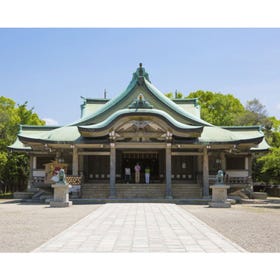
The main shrine hall is a national treasure with droves of people lining up for the New Year’s shrine visit at “Sumiyossan”
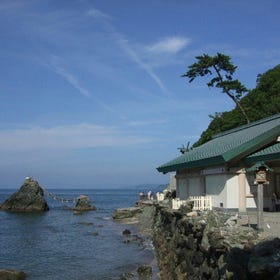
A shrine famous for its ”Wedded Rocks”
Here resides the god who watches over Kyoto's kitchens
A sacred place connected to Hideyoshi
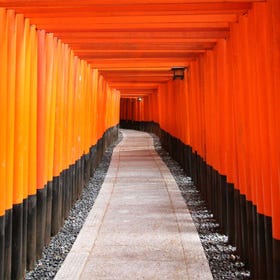
The head shrine of all the Inari-jinja shrines across Japan. Its approximately 1,000 photogenic torii gates (an archway to a Shinto shrine) attract many visitors.
Having many children themselves, rabbits symbolize safe child-rearing here