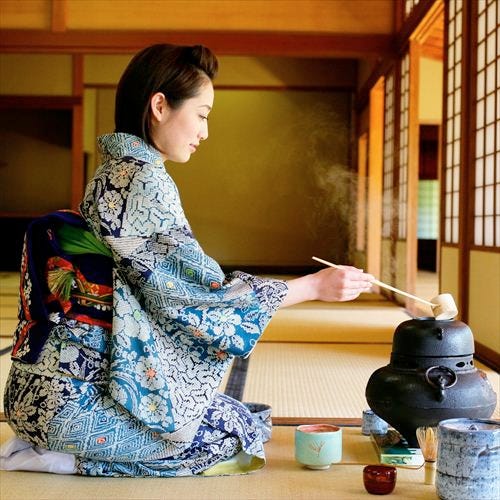
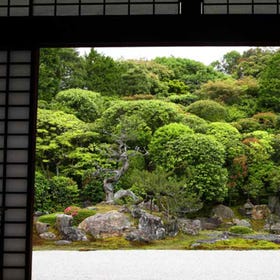
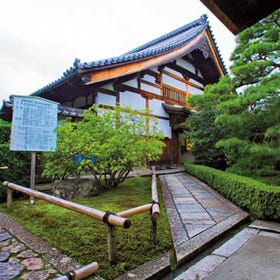
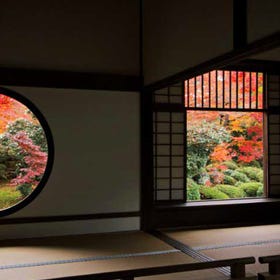
Famous for its tea room, ”Hasso-no-seki”
The roads are covered with colorful leaves in autumn
Spend your time comfortably in the visitor's lodging at a first-class ryokan
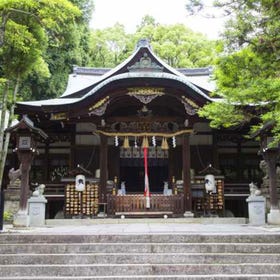
Having many children themselves, rabbits symbolize safe child-rearing here
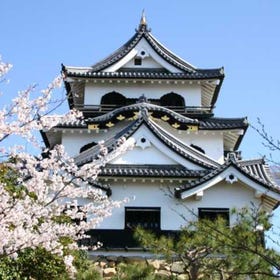
The dignified form of this early Edo period castle is still palpable
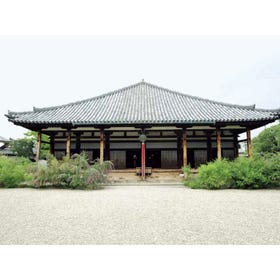
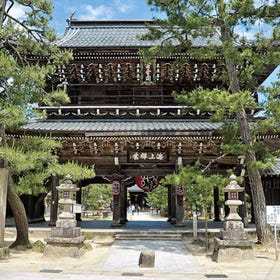
An ancient temple supported by common people
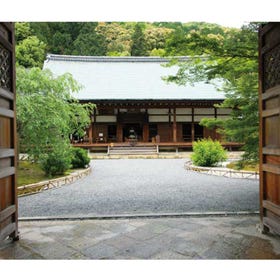
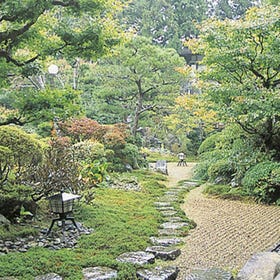
The abbot’s chambers are surrounded by four gardens
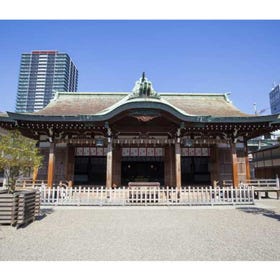
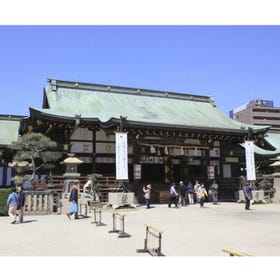
An old shrine known as “Ebessan” to Osaka’s merchants
Blessed with knowledge by Monju
Displaying works by master artists
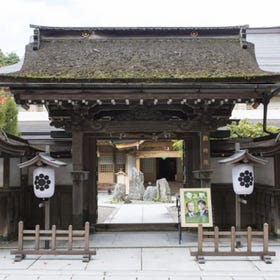
The nation’s head Koyasan Shingon-shu temple
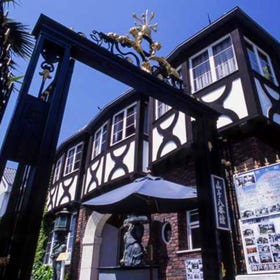
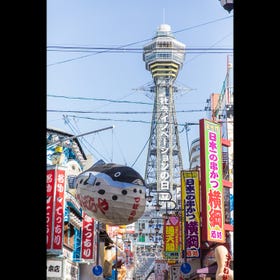
With a history of over 100 years, Tsutenkaku Tower is a symbol of Naniwa, Osaka, and is protected by the third-generation blonde Billiken.
Famous for its deity of scholarship
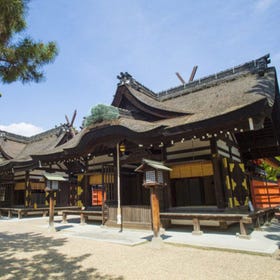
The main shrine hall is a national treasure with droves of people lining up for the New Year’s shrine visit at “Sumiyossan”
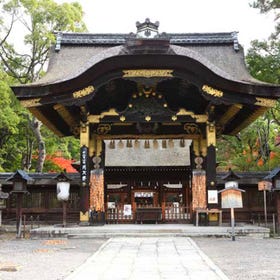
The oldest shrine in Kyoto
Two different windows overlooking a garden
For those who want to succeed like Hideyoshi did
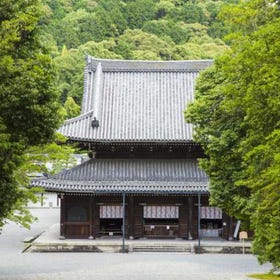
A mortuary temple for the imperial household
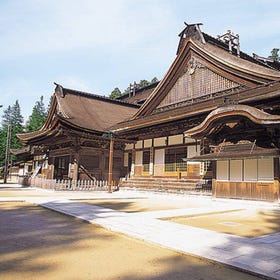
A grand temple complex established on Mount Koya some 900 years ago
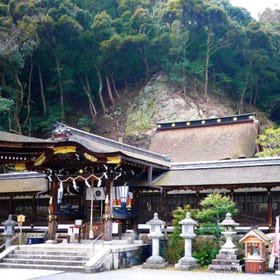
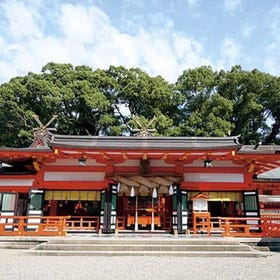
The head of Japan’s Kumano shrines—famous for matchmaking