





The Whisper of a 1,300-Year-Old History: Meet the Other Face of Nara at Night
- Written by: Shingo Teraoka
Many visitors spend the day in Nara Park, greeting the free-roaming deer and visiting nearby World Heritage sites like Kofuku-ji, Kasuga Taisha, and Todai-ji, then hop on a Shinkansen or the Kintetsu Line in the evening to Osaka or Kyoto. Deer and the Great Buddha at Todai-ji; that is often defined as the standard Nara itinerary.
However, you cannot leave Nara, which boasts 1,300 years of history, without experiencing the unique charm of the city at night.
I discovered an exclusive, special, and otherworldly Nara when I sneaked out of my hotel at night. The silence here was the complete opposite of the bustling nightlife in Shinjuku or Shibuya and made my trip a luxurious experience. In a sense, this is a privilege reserved for people spending the night in the city.
For anyone reading this who values their personal time and wishes to immerse themselves in the profound serenity of this ancient capital, especially solo travelers, I hope that you will have an opportunity to get a taste of Nara by night. In this article, I will share all the charms of the city that I experienced firsthand.
- Table of Contents
-
- Nara Park at night: Your own private park in the serene ancient capital
- Todaiji Temple’s Nigatsudo Hall, overlooking the city of Nara
- Panorama from the Mt. Wakakusa summit observatory, one of the New Three Great Night Views of Japan
- Was Naramachi once home to ogres?
- At the forefront of Japan’s bar culture
- Conclusion
- Explore more of Nara at night
- Frequently Asked Questions
Nara Park at night: Your own private park in the serene ancient capital
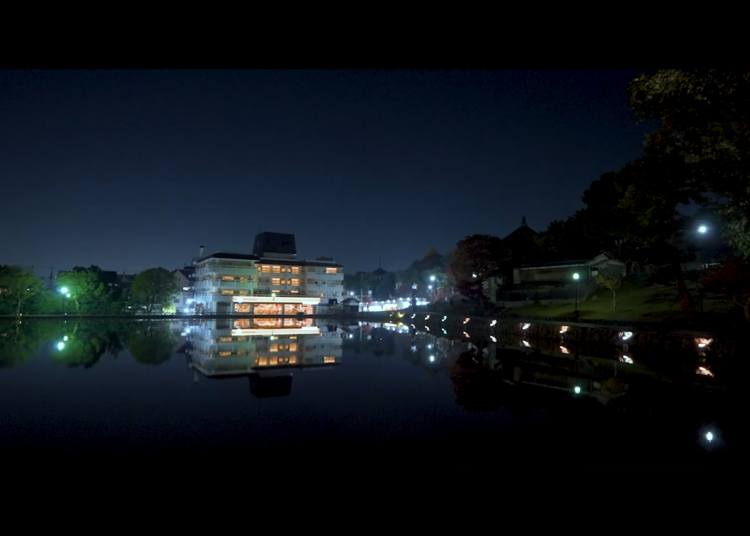
When darkness falls over Nara, and visitors head back toward JR Nara Station and Kintetsu Nara Station, Nara Park reveals a completely different side from its lively atmosphere during the day. With the tourists now gone, the park falls into silence.
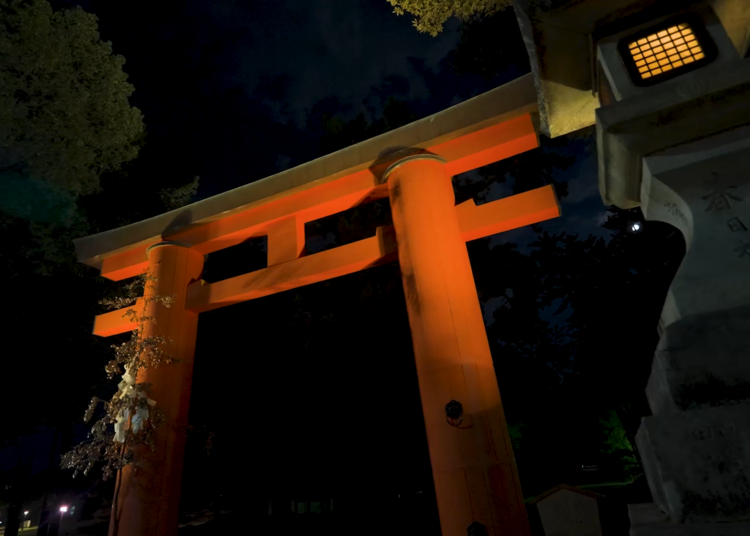
It is now 8 PM. As I step into Nara Park, the only sounds reaching my ears are my own footsteps and the faint breathing of deer hiding in the darkness of the ancient capital. Basking in this dreamlike silence, I approach the Great South Gate of Todaiji Temple, a National Treasure. I get goosebumps as soon as the massive gate appears before me, standing tall against the darkness of the night. I am so overwhelmed by the quiet and solemn atmosphere that I feel as if I went back in time to when the shrine was first built.
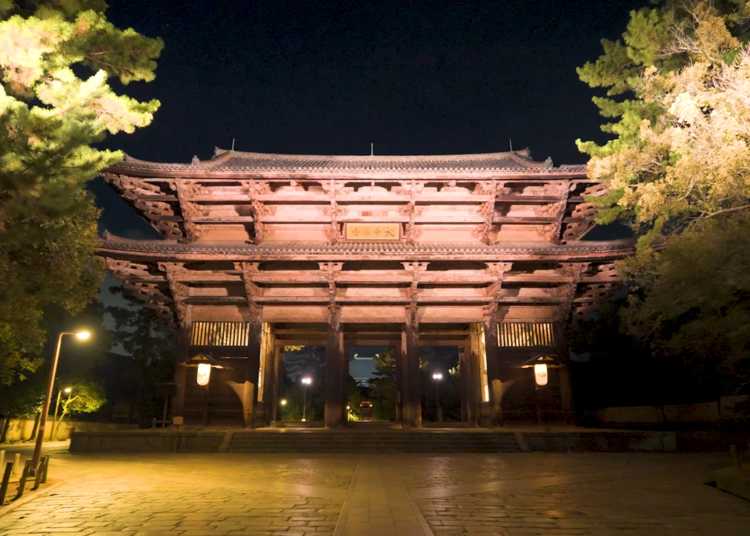
The quiet time I spend alone facing the two National Treasures, Kongo Rikishi (also known as Ni-o), the guardian deities of the Great South Gate, feels like history and the people of that era are whispering to me. It is a truly profound experience.
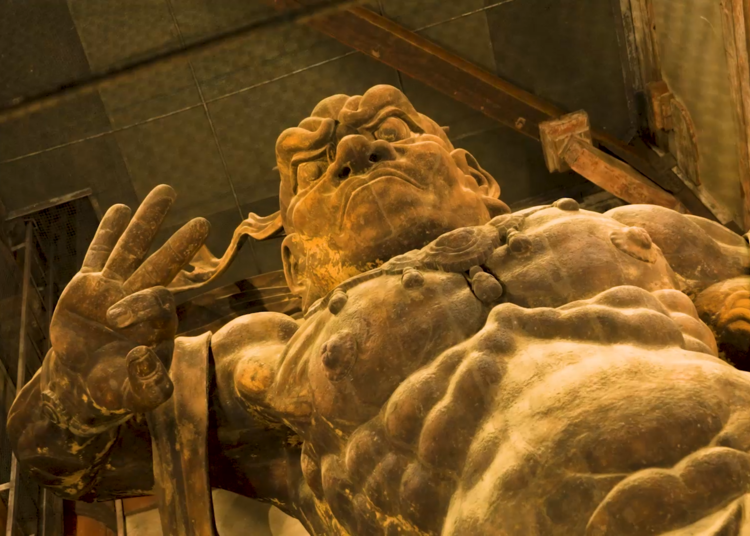
“I have this vast World Heritage site all to myself right now.”
This might sound like I am exaggerating, but this special feeling is something that only travelers spending the night in Nara can experience.
Every year from mid-July to late September, Todaiji Temple’s Great South Gate is elegantly illuminated during the Light-up Promenade Nara event.
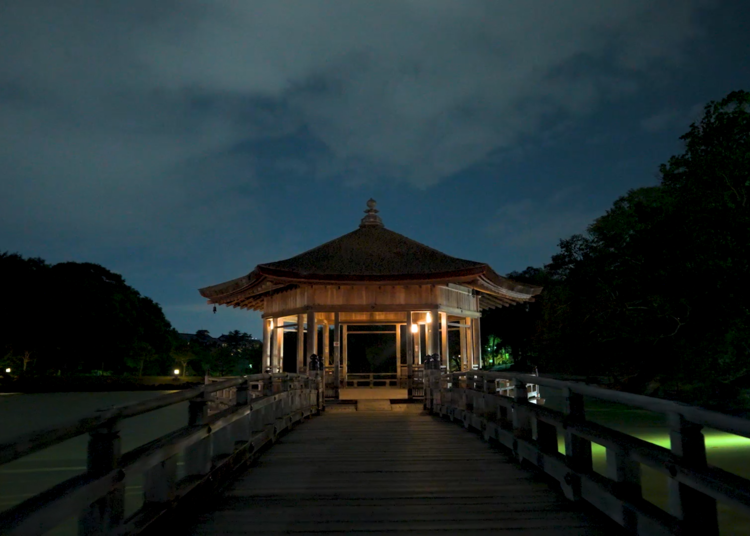
Todaiji Temple’s Nigatsudo Hall, overlooking the city of Nara
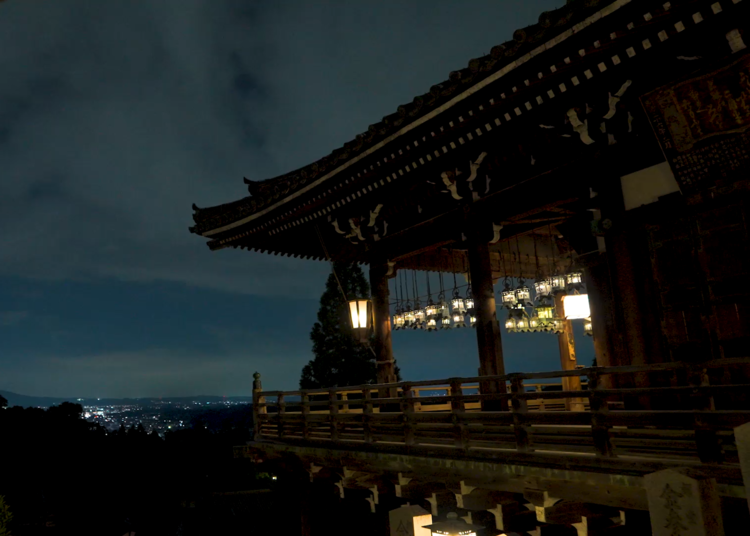
Nigatsudo Hall is a temple nestled within the grounds of Todaiji Temple. You can reach it on foot for a nice night view of the city. Known as the stage for the Omizutori (Shuni-e) ceremony, Nigatsudo Hall stands atop a small hill and is renowned for its excellent views. While beautiful during the day, I recommend visiting at night for a panoramic view of the city lights, quietly glowing across the Nara Basin. Spending the night admiring the view like it all belongs to me while surrounded by a sacred quietude is a special, rejuvenating experience.
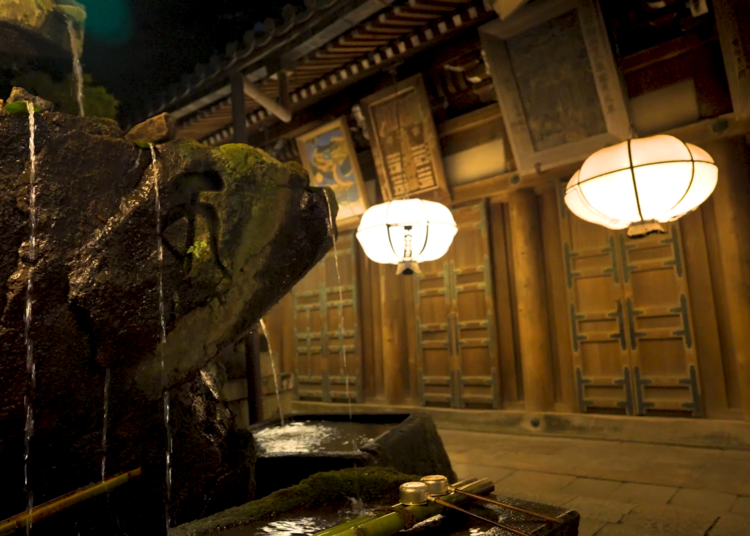
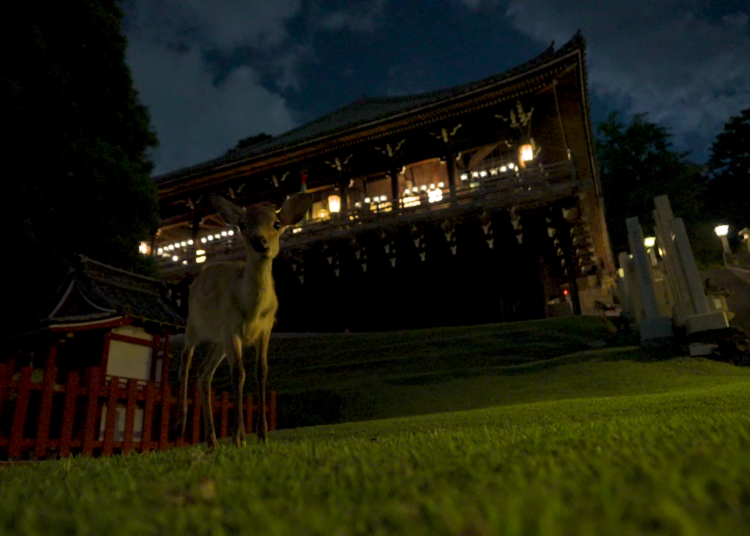
The temple is open for worship 24 hours a day, but please keep your voice down around the Main Hall at night. Please also refrain from taking photos of worshippers or disturbing them. Taking photos, using flashlights or tripods, and drawing the inside of the hall are prohibited.
Panorama from the Mt. Wakakusa summit observatory, one of the New Three Great Night Views of Japan
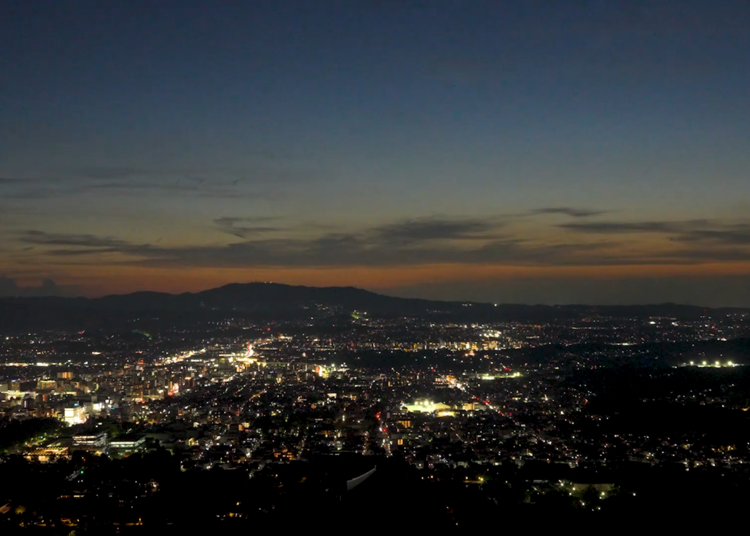
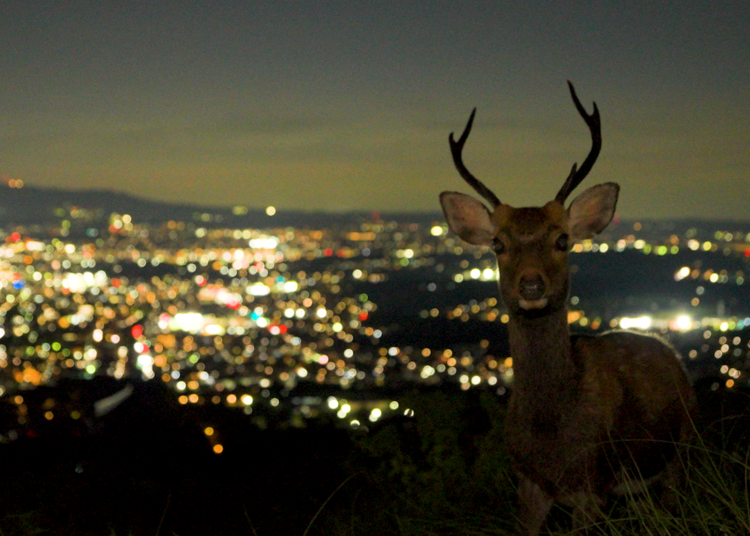
I cannot talk about visiting Nara at night without mentioning the observatory on the summit of Mt. Wakakusa. It was chosen as one of the New Three Great Night Views of Japan and overlooks Nara Park, Todaiji Temple, and Kohfukuji Temple. Behind their silhouettes, you can see the city lights of Nara, as well as the Ikoma Mountains in the distance. While Nigatsudo Hall offers a close-up night view, Mt. Wakakusa provides a distant perspective.
However, it is impossible to reach the observatory on the summit of Mt. Wakakusa from Nara Park on foot. You must use the Nara Okuyama Driveway (toll road). You can rent a car if you would like to go at your own pace, but there are also people who go there by taxi. I recommend visiting during twilight just after sunset, which is known as the magic hour. This is when the observatory, which faces west, offers a perfect view of the setting sun. I saw many people taking photos of the beautiful scenery. A lot of deer rest on Mt. Wakakusa at night, so you might be able to capture both the view and the deer in one shot.
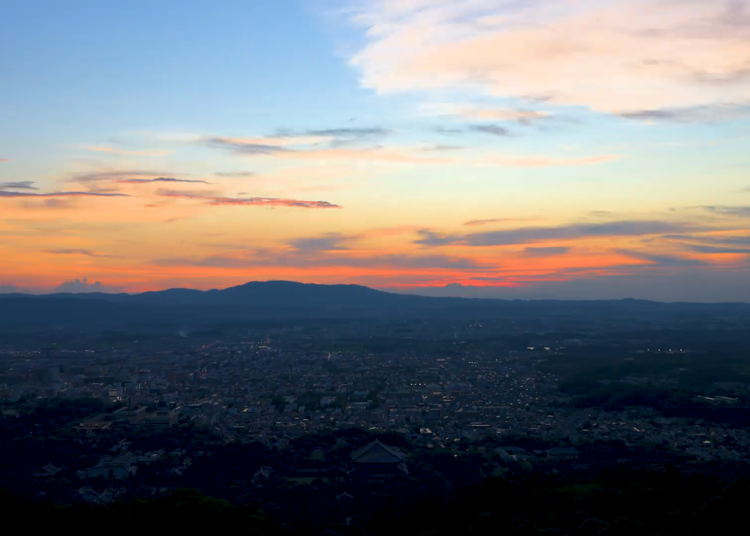
Those staying near JR Nara Station or Kintetsu Nara Station can take the convenient Shin-Wakakusayama Course.
Was Naramachi once home to ogres?
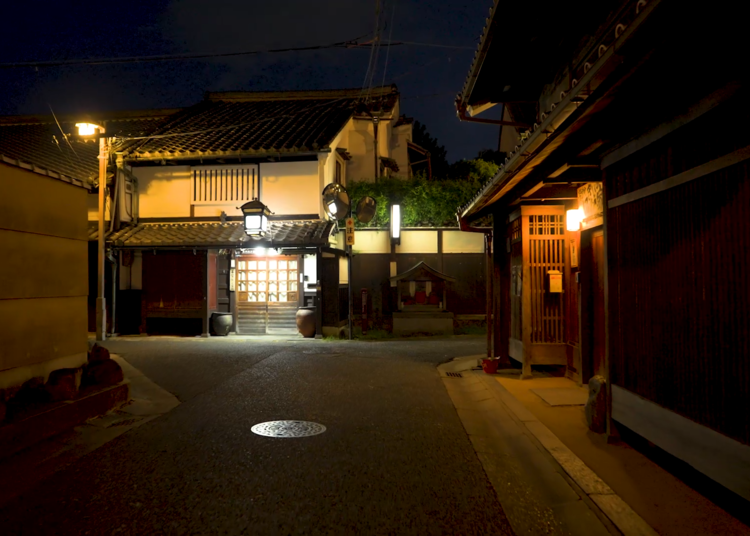
Did you know that a historic old town spreads out around JR Nara and Kintetsu Nara Stations? Naramachi was built on the grounds of Gangoji Temple, a World Heritage site and National Treasure boasting 1,300 years of history. Legends of oni (ogres) have been passed down for many years in the area.
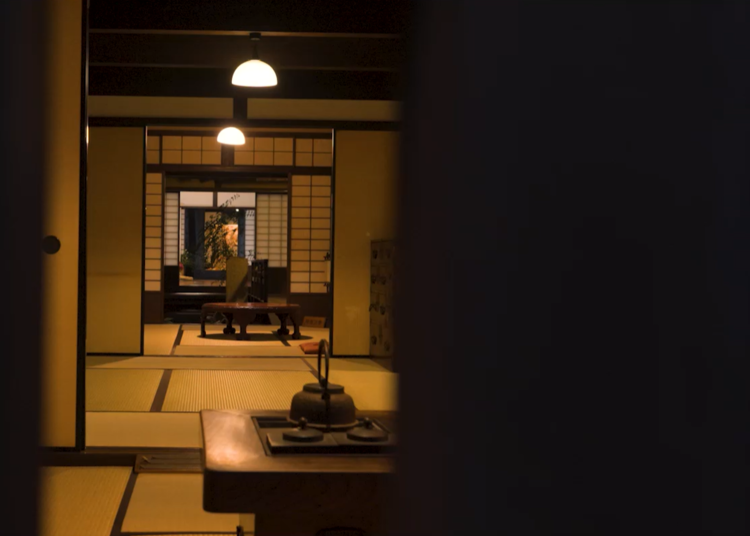
The narrow alleys and latticed doors characteristic of Naramachi’s machiya townhouses offer a charming atmosphere during the day. However, this completely changes at night, as warm light streams through the latticed doors and the streets of Naramachi are engulfed in silence. You will feel as if you have been transported to a distant past, where you will surely feel the presence of ogres.
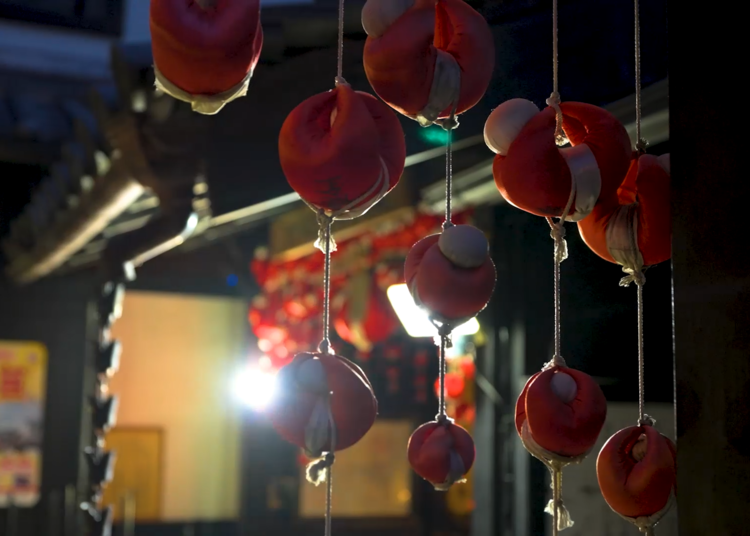
People still live in Naramachi today, so please enjoy your evening stroll quietly to respect the residents who preserve this beautiful streetscape.
At the forefront of Japan’s bar culture
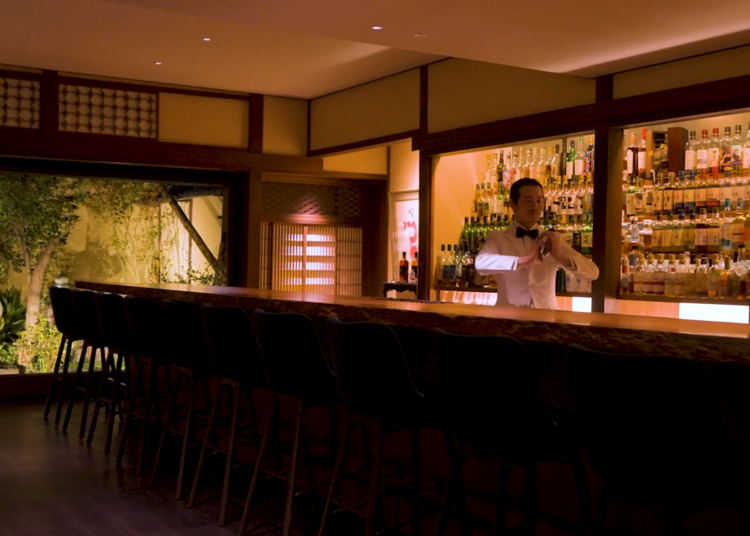
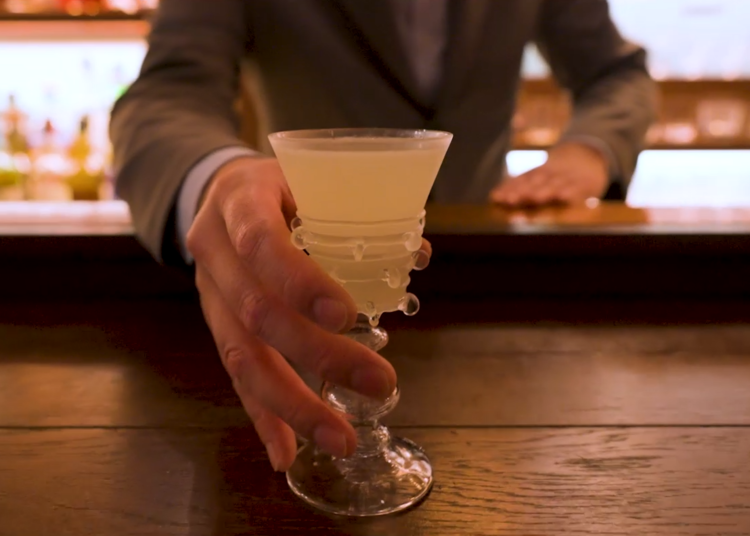
As you walk along the streets of Naramachi at night, you might stumble upon charming signs glowing in the obscurity. These are the bars that liven up Nara’s nightlife. The city is home to many globally acclaimed bars, known as pioneers of Japan’s bar culture. Nara is the birthplace of sake, its soil having been used for producing it for many years, and it has now evolved into the modern bar culture where people savor cocktails and whiskey. Some of the historic townhouses have been renovated into bars, allowing customers to linger in the afterglow of their trip. This is the ultimate luxurious way to enjoy your evening if you are spending the night in the city.
Conclusion
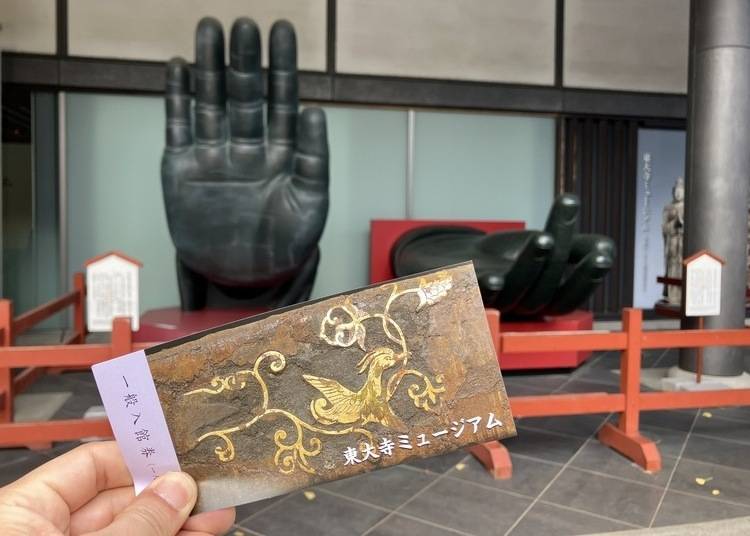
Now that you have visited Nara Park, Kohfukuji Temple, Kasugataisha Shrine, and Todaiji Temple, there are still many other fascinating spots to discover. Experience the culture and art of the city at the Nara National Museum, which displays many National Treasures and Important Cultural Properties, and at the Todaiji Museum, where you can see the treasures of Todaiji Temple. These spots are accessible on foot from Nara Park, but I do not recommend visiting all of them in a day.
You can feel at ease walking alone at night and enjoy this special moment, as Japan is quite safe in this respect. So why not spend the night in Nara, the ancient capital of Japan, and enjoy a unique nighttime stroll? This city will make you feel a unique sense of having the whole world to yourself.
Explore more of Nara at night
Please check out our other article for more information on charming restaurants and bars in Naramachi open after 9 PM.
Frequently Asked Questions
- A: The deer in Nara Park are wild animals designated as National Natural Monuments. While they may appear accustomed to people, they are wild and not domesticated. Direct contact with the deer is prohibited by local authorities, and intentionally harming them violates the law. Please follow the guidelines below and observe the deer from a safe distance.
・How to feed the deer (deer crackers): Please feed them quickly without teasing them, and make sure not to feed them anything other than deer crackers.
・Do not hit, chase, or lure them with food, which can excite them.
・Please do not litter, as the deer may eat plastic or paper. Store trash and plastic bags where deer cannot reach them or take them with you.
・Deer are wild animals. Please make sure to keep your distance from them, especially during mating season or when they are with fawns.
- A: Deer come out at sunrise and spend the day around areas where they can graze, such as grassy patches. They often move to forests to rest in the evening, so you may still see them around the wooded edges of the park.
- Area
- Category
*Prices and options mentioned are subject to change.
*Unless stated otherwise, all prices include tax.
Popular Tours & Activitiess
-
PokéPark KANTO Is Finally Open! Tokyo's New Pokémon World Starts Before You Even Arrive (2026)
by: Guest Contributor
-
Ad
What Makes Japanese Yakiniku So Darn Good? Guide to Cuts, Heat, and Wagyu Know-How
-
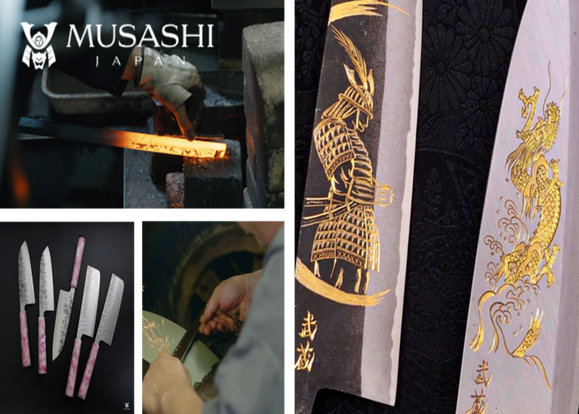
Where to Buy a Japanese Kitchen Knife? Why Travelers Choose MUSASHI JAPAN's 14 Stores in Tokyo, Kyoto, and Nara
by: Guest Contributor
-
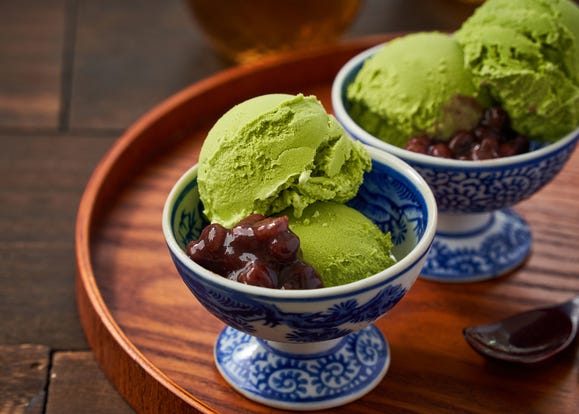
Top 3 OSHI MAPs for the Best Matcha and Sweets in Tokyo
by: Guest Contributor
-

To the Holy Land of Kawaii! Odakyu Tama Center Station Is Becoming a Dreamy Sanrio Wonderland
by: Guest Contributor
-
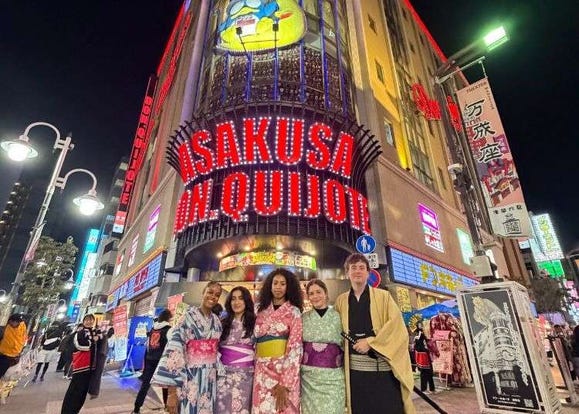
The Best of Japan's Flavors and Fun! Don Quijote's New "DONKI MEMORIES" Project is Mind-Blowing
-
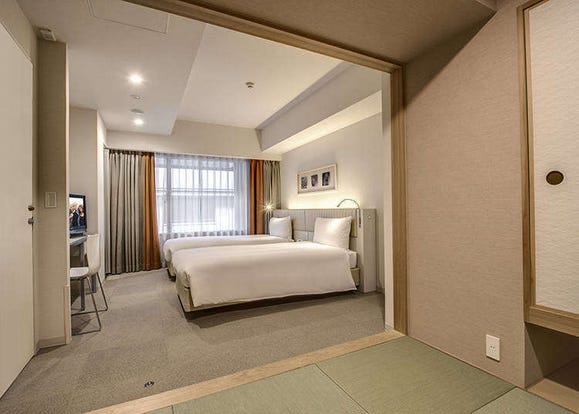
10 Best Hotels Near Kyoto Station: Budget-friendly, Perfect for Kyoto Sightseeing
-
Kichijoji – Explore Tokyo’s Top-Rated Stylish Suburb in Half a Day!
-
Osaka Travel Service Center: So Many Incredibly Convenient Services - in English!
by: WESTPLAN
-
3 Best Izakaya In Osaka Where You Can Enjoy Drinks and Local Dishes, Recommended by Locals
-
5 Amazing Kyoto Festivals You’ll Want to Experience During Your Next Trip
-
5 Popular Shops and Gift Ideas Along Arashiyama Shopping Street
- #best gourmet Osaka
- #things to do Osaka
- #what to do in kyoto
- #what to bring to japan
- #best gourmet Kyoto
- #new years in Osaka
- #what to buy in nanba
- #Visiting Osaka
- #onsen tattoo friendly arima
- #daiso
- #Visiting Kyoto
- #best japanese soft drinks
- #japanese fashion culture
- #japanese convenience store snacks
- #japanese nail trends