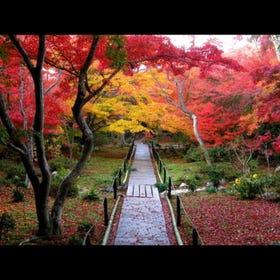
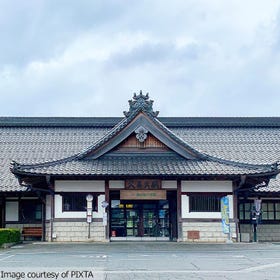
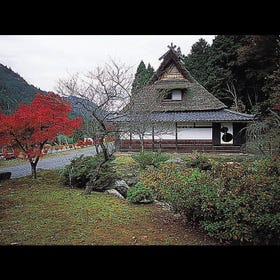
Established by Emperor Shirakawa during the Heian Period, the temple's name derives from the ingo (posthumous Buddhist name) of Yoshiakira Ashikaga, the second shogun of the Muromachi bakufu (Japanese feudal government headed by a shogun). While exploring the precinct, you'll find the graves of Yoshiakira and Masatsura Kusunoki, the busho (military commander) of Nancho (Southern Court) located next to each other. Masatsura was much respected by Yoshiakira even though he was an enemy general. During autumn, the maple leaves turn a striking red (visitors are not allowed to bring in a tripod stand or a unipod).
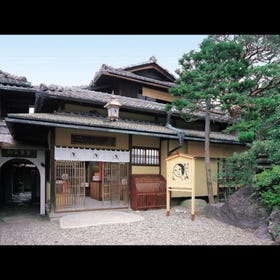
Founded in 1904, this cosmetic products store boasts its primary product called Aburatorigami (facial oil blotting paper), which was born out of Kyoto women’s pursuit of and wisdom about beautiful skin. Located in Seiryu-en, which is a strolling spot in the Higashiyama area, the purely Japanese-style store creates a tasteful harmony with the surrounding landscape. You'll find the Kiyomizu store near the bus terminal.
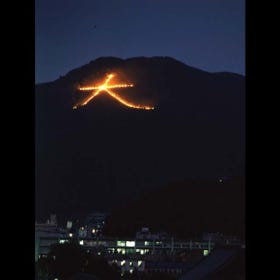
A Fire Festival that Marks the End of Summer
A base for exploring Kyoto by the Sea, including Kumihama Bay, Amanohashidate, and the Ine Funaya boathouses.
Just near Nishiki Tenmangu shrine.IN Kyoto Shinkyogoku Shopping Street.Medicine, Cosmetics, etc. in store.
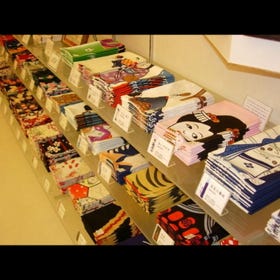
Founded in early in the Edo Period in 1615, this store, which has been run by the same family for 14 generations and over 400 years, is said to be the oldest cotton product store in Japan. There, you can always find a variety of tenugui (hand-towels) with over 200 designs, such as reprinted early Showa period designs and new designs by the current 14th owner, Ihee Hosotsuji. The second floor is a free-admission machiya tenugui gallery where tenugui made from the Meiji period to the early Showa period are on display.
Artworks that blend in well with traditional Japanese houses are displayed
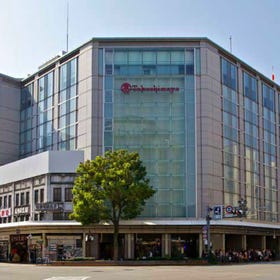
Find a variety of brand items at this seasoned department store
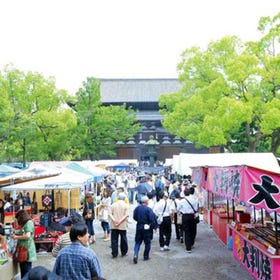
This market is completely packed with over 100,000 visitors
A store carrying many unique items from Kyoto where the concept of etiquette in daily life is deeply rooted
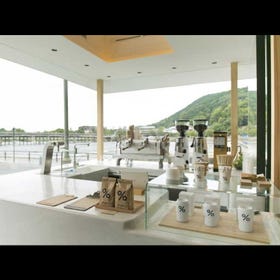
An open shop where you can feel the natural beauty of Arashiyama that changes each season
A relaxed café on the Kamogawa river
With ancient living and meditation quarters
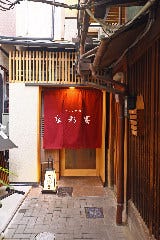
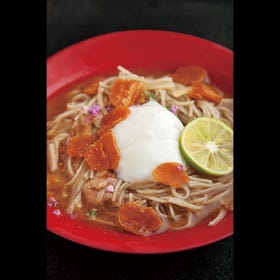
Its aromatic soba, made by milling buckwheat seeds harvested during autumn and then carefully stored so as not to spoil the flavor, is popular. The restaurant serves simple dishes such as zaru soba (cold soba with dipping sauce) as well as original soba using karasumi (dried mullet roe) or avocado, which are popular among young people. Also on offer are menus of items such as the tempura set with selected seasonal vegetables and three side dishes (2,160 JPY) and desserts such as annindofu (an almond jelly) served with soba syrup.