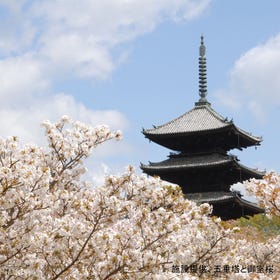
The head temple of the Shingon Sect's Omuro School. Holding a long association with the Imperial Household, the temple is also well known for its late-blooming cherry trees called Omuro-zakura.
Check out the ”Sento Kuyo” ceremony on summer nights
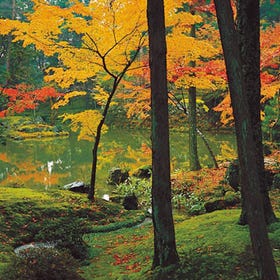
Famous for its majestic, moss-covered garden
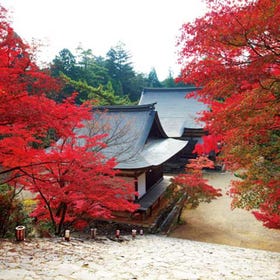
A famous location for autumn leaves, connected to Kukai (Kobo-daishi)
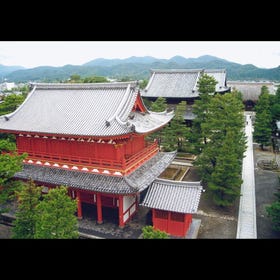
The head temple of the Myoshin-ji Temple school of the Rinzai sect. It is Japan's largest Zen temple, with 46 sub-temples.
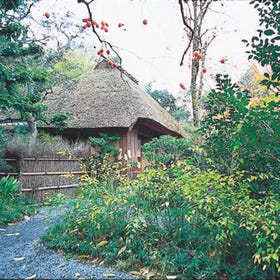
The hermitage written about in ”Saga Nikki”
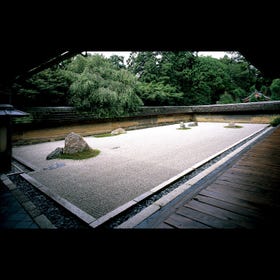
A Zen temple of the Rinzai Sect of Buddhism, world famous for its traditional rock garden.
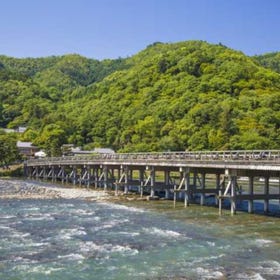
The symbol and picturesque area of Arashiyama
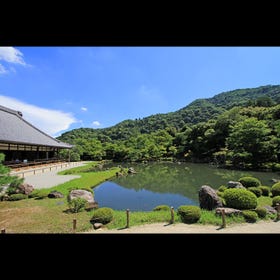
A Zen temple of the Rinzai School built in the scenic area of Arashimaya in Kyoto. It was built by Takauji Ashikaga in memory of the recently deceased Emperor Go-Daigo.
The building and the interior itself are the display! Experience Kyoto's elegance
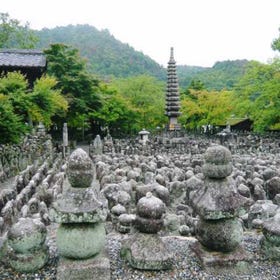
Quietly praying to the rakan statues on the hillsides
For people seeking beautiful hair
Established by Emperor Shirakawa during the Heian Period, the temple's name derives from the ingo (posthumous Buddhist name) of Yoshiakira Ashikaga, the second shogun of the Muromachi bakufu (Japanese feudal government headed by a shogun). While exploring the precinct, you'll find the graves of Yoshiakira and Masatsura Kusunoki, the busho (military commander) of Nancho (Southern Court) located next to each other. Masatsura was much respected by Yoshiakira even though he was an enemy general. During autumn, the maple leaves turn a striking red (visitors are not allowed to bring in a tripod stand or a unipod).
Famous for its national treasure, a statue of Miroku Bosatsu