The roads are covered with colorful leaves in autumn
The Osawa-no-ike Pond is famous for its cherry blossoms and moon-viewing pavilion
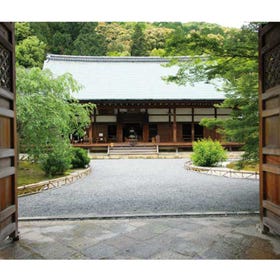
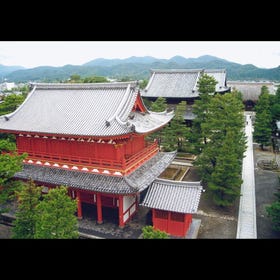
The head temple of the Myoshin-ji Temple school of the Rinzai sect. It is Japan's largest Zen temple, with 46 sub-temples.
Your all-in-one outdoor base in Kyoto's scenic Arashiyama, complete with café, accommodation, and gear.
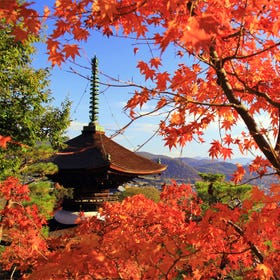
A temple of the Nichiren sect on Mt. Ogura in Sagano. It is well-known for ”Hyakunin Isshu” (a collection of 100 poems by 100 different poets). In autumn, the nearby mountains awash with brilliant red leaves.
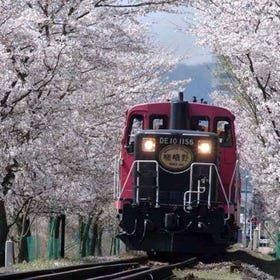
Enjoy Diverse Cherry Blossom Trees From Multiple Angles
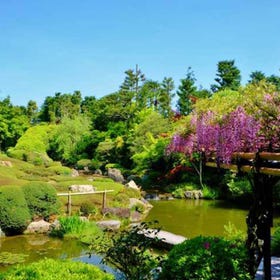
Featuring a garden created by Motonobu Kano
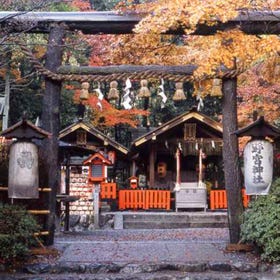
Inherit Hikaru Genji's luck in love
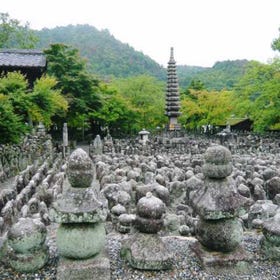
Check out the ”Sento Kuyo” ceremony on summer nights
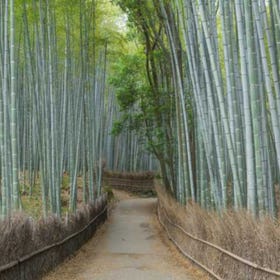
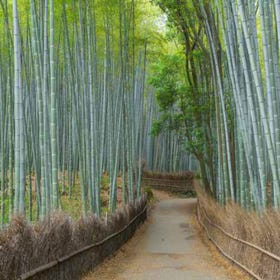
Enjoy a relaxing walk down this magical path
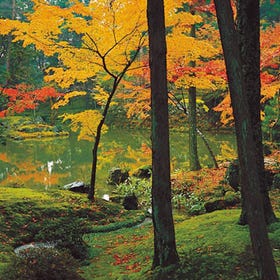
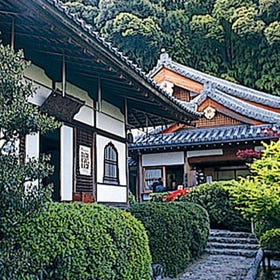
Famous for its majestic, moss-covered garden
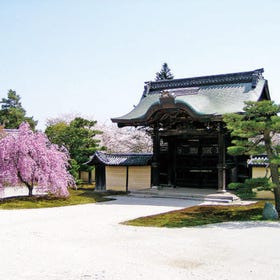
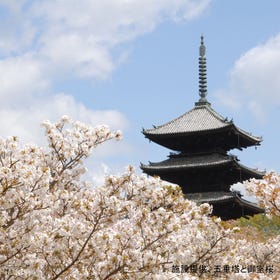
The head temple of the Shingon Sect's Omuro School. Holding a long association with the Imperial Household, the temple is also well known for its late-blooming cherry trees called Omuro-zakura.
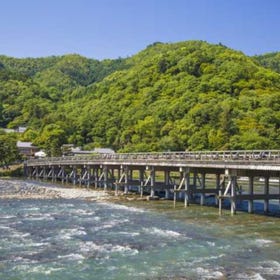
The symbol and picturesque area of Arashiyama
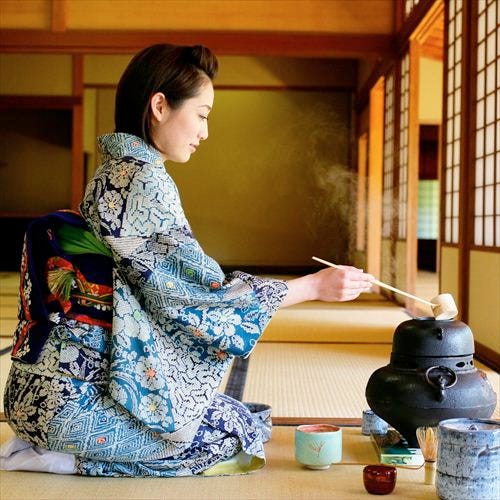
The Arashiyama Bamboo Forest in Kyoto, a favored tourist attraction among LIVE JAPAN readers, invites you to immerse yourself in an enriching cultural experience. Just a brisk 15-minute train ride and an additional pleasant 10-minute walk from Kyoto Station, this serene escape offers a stunning backdrop for unforgettable memories. Opt for a traditional rickshaw ride while adorning a traditional kimono, and revel in the exquisite views of the bamboo groves as you capture timeless photographs. This beautiful locale represents a fusion of Japan's natural splendor and historic traditions.
Happiness arrives with the buzzing of bell crickets
Enjoy views in every season
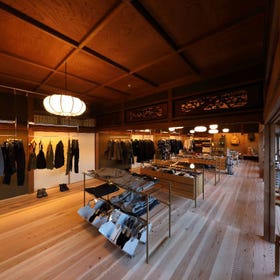
The building and the interior itself are the display! Experience Kyoto's elegance
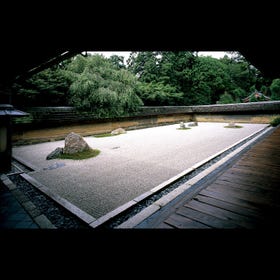
A Zen temple of the Rinzai Sect of Buddhism, world famous for its traditional rock garden.
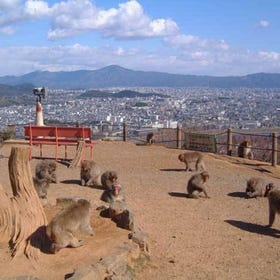
Get up close and personal with a Japanese macaque
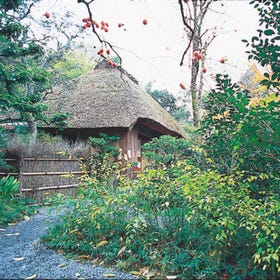
The hermitage written about in ”Saga Nikki”