



The Best Way to Visit Jozankei and Lake Toya from Sapporo: A Private Car Day Trip for Families and Seniors
- Written by: Robotan
May and June are the seasons I most highly recommend for a spring trip to Hokkaido.
In Sapporo, lilacs come into bloom, and if you venture out into the suburbs, you can also enjoy moss phlox, tulips, and fresh green scenery. The temperatures are also relatively comfortable, making it an ideal season for family trips and travel with senior companions.
That said, one thing that can unexpectedly become a burden during a Hokkaido trip at this time of year is transportation. Rental cars can easily become unavailable depending on the season, and quite a few people feel uneasy about driving a right-hand-drive car on the left side of the road. In addition, after the snow melts, road conditions can still be difficult in some places, and in unfamiliar surroundings, that alone can make the trip more tiring.
That is why I recommend choosing a private chartered car. Its great appeal is that it reduces the stress of getting around while allowing you to make full use of your limited travel time for sightseeing, which often makes it one of the best investments for a comfortable trip.
In this article, I, a Hokkaido-based travel writer, will introduce the access pitfalls I have actually experienced while traveling in Hokkaido, the benefits you can gain from a travel plan using a chartered car, and a recommended day-trip model course from Sapporo by chartered car.
(This article may contain affiliate links or coupons. All featured facilities, stores, and products are selected based on our editorial standards)
- Table of Contents
-
- Discover the Charm of a Relaxing Spring Trip in Hokkaido by Private Car
- Transportation Comparison: Pros and Cons
- A Simple Guide to Booking a Private Charter
- [From Sapporo] A One-Day Chartered Car Tour of Jozankei and Lake Toya | A Model Itinerary Returning by 7:00 p.m.
- Local Writer’s Advice for Avoiding Crowds and Enjoying a Relaxed Visit
- Why a Private Car Is a Practical Choice Rather than a Luxury
Discover the Charm of a Relaxing Spring Trip in Hokkaido by Private Car
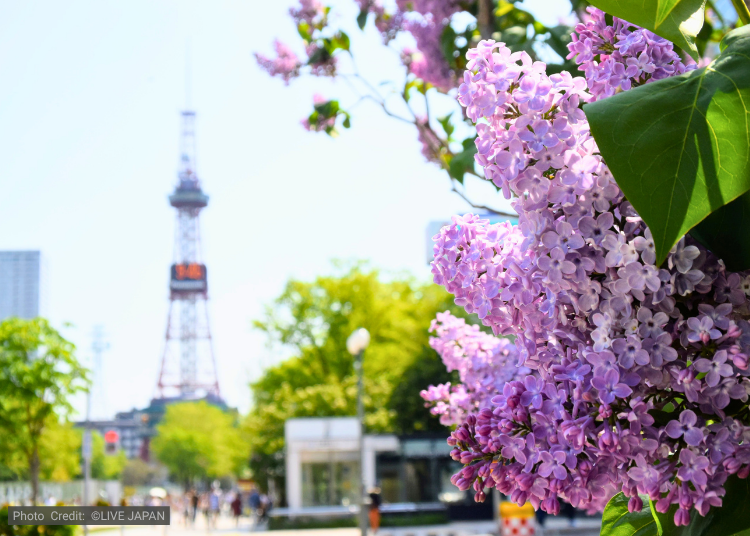
May and June in Hokkaido are a perfect season for family trips from overseas.
In central Sapporo, lilacs bloom, and even just walking around the city lets you enjoy scenery that feels like early summer. If you go a little farther out, moss phlox and tulips reach their best season, and in the mountain areas, soft fresh greenery spreads across the landscape.
Temperatures are generally around 15 to 22 degrees Celsius, so it is a time of year when extreme midsummer-like heat is unlikely, making it comfortable for outdoor sightseeing.
The breeze feels pleasant, and the humidity is relatively low, which many people find enjoyable, as it makes long travel times and extended walks less tiring. Another reason spring in Hokkaido is so popular is that, unlike Japan’s main island of Honshu, there is no rainy season, which makes sightseeing easier.
On sunny days, the scenery of lakes and mountains is especially beautiful, and it is also a season when taking photos is easy.
Because it's easy to enjoy the scenery while also making the most of hot springs and local food, it continues to be especially popular with travelers from overseas, including Taiwan and Hong Kong.
Three Common Concerns for Overseas Travelers
At the same time, the reality is that many popular sightseeing destinations and nature spots are quite far from Sapporo, and during the travel season, securing transportation and planning how to get around can be overwhelming.
From my perspective as a travel writer living in Hokkaido, if a friend coming from overseas asked me for advice about traveling in Hokkaido in May, I would tell them to think about transportation first of all.
That is because, especially on family trips or trips where you are traveling with your parents, the burden of getting around often has a greater impact on overall satisfaction than the sightseeing spots themselves.
Based on what I have actually experienced, the following are the three main points where travel tends to feel burdensome.
Concern 1: Fully Booked Buses and Crowding
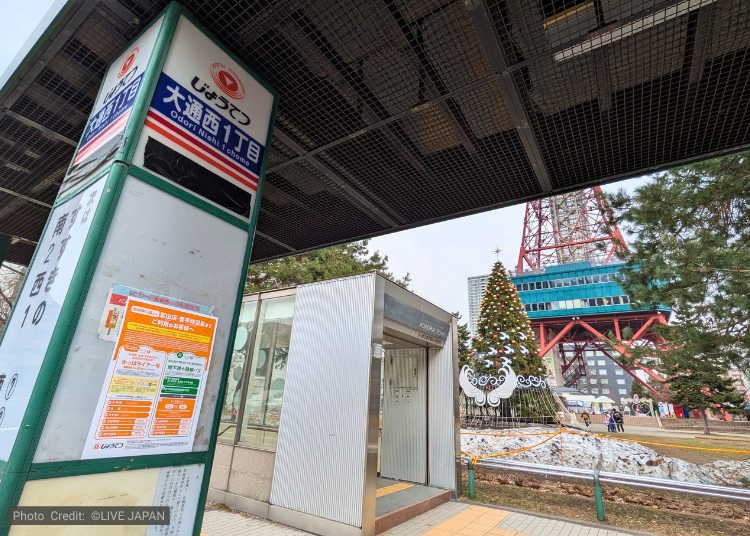
Popular shuttle buses from Sapporo to the Jozankei area, such as the Kappa Liner, require reservations, and during peak travel seasons can be fully booked several weeks in advance. Although service was increased in December 2025 to eight round trips per day, making access more convenient, bus travel can still be tiring and impractical for family trips because of the number of people and amount of luggage. I have seen many situations where people could not travel as planned.
In fact, when I once helped with reservations for a friend’s family trip, we found out at the counter on the day itself that the bus to Jozankei was already fully booked, and we ended up standing there at Sapporo Station not knowing what to do.
Traveling with a stroller or large suitcases can make waiting times and transfers themselves feel burdensome, and the transportation alone can leave you exhausted.
Public transportation is certainly convenient, but on the other hand, you have to move according to the timetable. In an area like Hokkaido, where sightseeing spots are far apart, missing just one service can make a big difference in how much time you can spend at a destination. The inflexibility these issues can impose makes it harder to adjust your plans according to the weather or your physical condition.
- Under the current timetable revised on April 1, 2026, reservations for the Kappa Liner can be made from one month before the travel date until 5:00 p.m. on the day before boarding. Once your schedule is set, it is best to book as early as possible.
Concern 2: Not Having a Car and Feeling Uncomfortable Driving
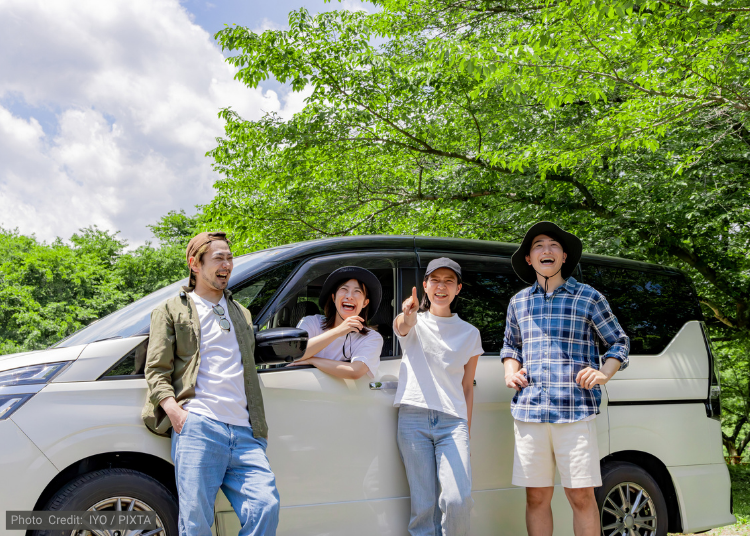
In May, demand for rental cars in Hokkaido rises sharply due to Japan’s major holiday period, Golden Week, and that trend can continue into around June. Depending on the timing, there are cases where the type of car you want is unavailable, or where it takes a long time to pick up the car at the airport, and on family trips it can also be difficult to secure a vehicle that matches the size of your group and the amount of luggage you have.
In addition, because Japan uses right-hand-drive cars and left-side traffic, driving itself can easily become a major burden for travelers from overseas. Hokkaido’s roads are wide and generally easy to drive on, but that also makes it easier to pick up speed, and in unfamiliar surroundings, the tension can continue for long stretches.
What is more, after the snow melts, some roads are left with uneven surfaces, which can make long drives more tiring than you might expect.
Even I, after living in Hokkaido for many years, have had moments during the snowmelt season when the road surface made me feel a sudden jolt of anxiety, as though the steering wheel might be pulled unexpectedly, so for travelers who are not used to these conditions, it is all the more likely to feel burdensome.
Concern 3: Traveling with Heavy Luggage
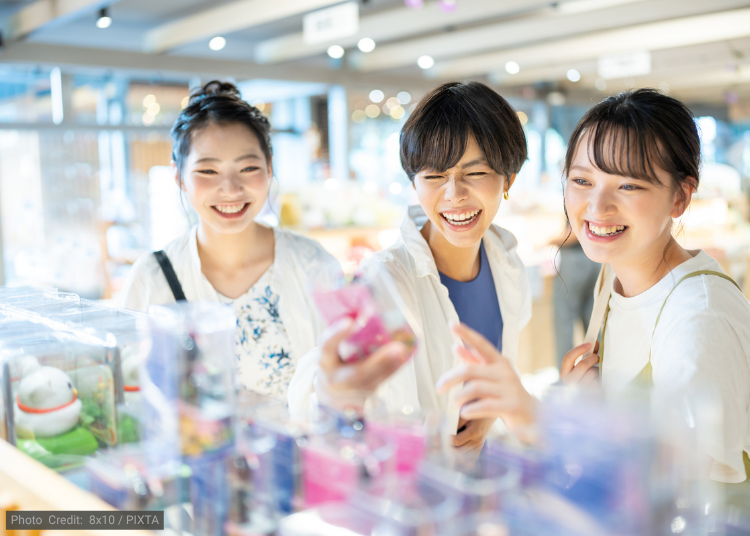
Shopping around Tanukikoji and the Sapporo Station area is fun, but the more shopping bags you end up with, the less realistic transportation becomes. After a major shopping spree, heading out to the suburbs by train or bus can wear you out far more than you might expect.
The area around Sapporo Station is a popular district where it is easy to get all your shopping done at once, thanks to its many station buildings and commercial facilities. If you go a little farther, there is also the Tanukikoji Shopping Arcade, where it is easy to visit souvenir shops and drugstores all in one go, which is another big attraction.
On the other hand, the more shopping you do, the harder transportation becomes afterward. On family trips, the more people there are, the more luggage you tend to accumulate, and even just heading out to the suburbs by train or bus can become quite a struggle. Transfers and waiting times can become a major burden.
In fact, when the plan involves finishing shopping in central Sapporo and then heading to a hot spring area, I often hear people say they were already exhausted before the sightseeing even began and ended up canceling part of their plans. This is especially true on trips with parents, where the burden of carrying luggage can easily fall unevenly on one person, so it is important to think about ease of transportation first and foremost.
A Private Car Offers Both Time Efficiency and Peace of Mind
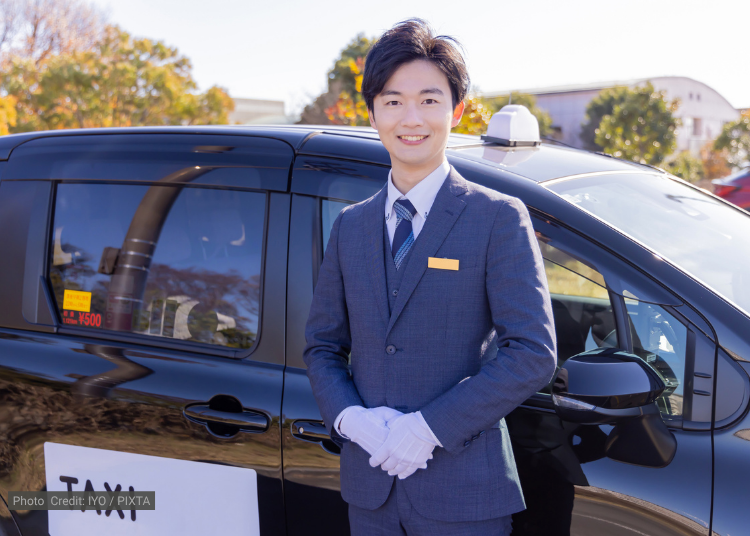
What I have come to feel after being involved in travel in Hokkaido for many years is that overall satisfaction with a trip changes far more depending on whether transportation was easy than on the sightseeing destinations themselves.
That is why, from my perspective as someone living in Hokkaido, I would like to recommend the option of a private chartered car.
Chartered cars tend to be seen as expensive, but in reality, a rough guide is around 60,000 to 120,000 yen for 10 hours of use, and if six people share it, it comes to around 13,500 yen per person. The exact cost will vary depending on the vehicle type, number of passengers, time of year, and whether any additional fees apply, but when you also factor in the time and physical energy you save, it becomes a price range that presents very good value for money.
With a chartered car, one of the great advantages is that you can depart directly from your hotel and keep your luggage loaded the whole time. Even after shopping, there is no need to keep carrying your bags around, and on family trips, it is a huge help that if a child falls asleep in the car, you can simply head to the next destination without having to wake them up.
Other advantages unique to a chartered car include the following.
・It makes direct travel easier and reduces the burden of transfers and waiting times
・It makes it easier to adjust your plans according to your family’s condition or the weather
・Even if your luggage increases, it is easier to keep moving and stay focused on sightseeing
・Even on trips with parents, it is easier to reduce long periods of standing and walking
Because it makes it easier to secure both time efficiency and peace of mind, I personally think it is an especially well-matched mode of transportation for family trips around central Hokkaido in May and June, when you want to travel comfortably and without overexerting yourselves.
Transportation Comparison: Pros and Cons
As the three main transportation options for traveling in Hokkaido, I compared private chartered cars, route and shuttle buses, and rental cars.
Rather than there being one single correct choice, each option clearly has its own strengths and weaknesses depending on the size of your group and your travel style, so I recommend first checking the overall picture in a simple way.
| Category | Private Chartered Car | Route / Shuttle Bus | Rental Car |
|---|---|---|---|
| Flexibility | 〇 Can be changed flexibly | △ Fixed timetable | ◎ You can create your itinerary freely |
| Ease of securing reservations | ◎ Easy to secure in advance | △ Popular routes may be full | △ May be in short supply during busy seasons |
| Luggage handling | ◎ Trunk available | △ Restrictions on carry-on luggage | ◎ Trunk available |
| Physical burden | ◎ Minimal | × A lot of waiting time | △ The burden is concentrated on the driver |
| Language stress | ◎ Can be managed with a translation app | △ You need to confirm the boarding location | × You need to understand driving rules |
| Overall satisfaction | ★★★★★ | ★★☆☆☆ | ★★★☆☆ |
Of the three, a chartered car may look like the most expensive option if you only look at the price.
However, on family trips or trips with parents, once you take into account the time, physical energy, and luggage burden involved in transportation, it often leads to higher overall satisfaction and becomes a cost-effective option in the end.
Personally, I feel that route buses, shuttle buses, and rental cars are easier on the budget, but they are better suited to people who are already used to traveling in Hokkaido and have been there many times. If you are very familiar with Japan’s transportation rules and transfers, they can also work well for solo travel or travel in a small group.
On the other hand, for people visiting Hokkaido for the first time or traveling with family, the burden of access and itinerary management is often much greater than expected, so rather than deciding based on price alone, I recommend choosing based on whether you can travel with peace of mind.
A Simple Guide to Booking a Private Charter
If you want to book a private chartered car, the easiest way is to use an OTA (online travel booking site).
Because charter plans in Hokkaido vary considerably depending on the departure point, service area, length of use, and type of vehicle, it is easier to avoid mistakes if you use a site where you can compare multiple plans before choosing.
In particular, the two services that are widely used and easy to compare are Klook and Viator. Both are major global OTAs where you can easily check information in English, and because their pricing and usage conditions are clearly displayed, they are easy to consider even for people using a chartered car in Hokkaido for the first time.
I recommend starting by comparing these two and looking for a plan that matches your itinerary.
Klook | A Wide Selection of Private Car Options with Easy Plan Comparison
One of Klook’s strengths is that it has a relatively large number of charter plans in Hokkaido, and it makes it easy to check basic information such as vehicle details, usage time, and pricing.
For people making a reservation for the first time, being able to understand in advance exactly what is included in each plan makes it much easier to compare options, and that becomes a major source of reassurance.
The fact that support is relatively easy to access if trouble comes up during the trip is also an especially reassuring point for overseas travel.
In addition to plans departing from Sapporo and covering places such as Jozankei, Otaru, and Lake Toya, it also offers plenty of products covering areas as far as Furano and Niseko. It is well suited to people who first want to look broadly at their options.
Viator | Global Trust and Extensive Options for International Travelers
Viator is a highly familiar and trusted platform for many international travelers, backed by the Tripadvisor group. Its major appeal is that it offers a vast and diverse selection of tours and activities, including private charters across the globe.
Viator's platform is designed for a seamless booking experience in English, making it an excellent resource for first-time visitors to Japan who prioritize peace of mind. It often features customer reviews from a wide international audience, which helps in making an informed decision before booking.
While Klook excels in regional product depth, Viator provides the comfort of a globally recognized brand and extensive support. It's a great option if you prefer to use a service you are already familiar with for secure payment and customer service.
If you are looking for a reliable platform with a strong global reputation, comparing Viator alongside Klook will ensure you find the best private car solution for your family trip.
Key Things to Check Before Booking
Booking a chartered car may sound difficult, but if you focus on the situations that commonly come up on family trips in Hokkaido, there are actually not that many points you need to check.
From the perspective of a Hokkaido travel writer, my advice is that the two most important factors that affect your choice of vehicle are the number of people and the amount of luggage, so I recommend deciding those first.
Choosing the Right Vehicle (Alphard or HiAce)
The vehicles most commonly used for chartered cars in Hokkaido can generally be divided into two types: Alphard-style minivans and HiAce-style wagons. Comfort can vary greatly depending not only on the number of passengers but also on the amount of luggage, so using the following guidelines will make it easier to choose without making a mistake.
| Vehicle Type | Recommended Passengers | Luggage Guide | Features | Points to Note |
|---|---|---|---|---|
| Alphard (luxury minivan) |
2 to 4 people | 2 to 3 suitcases | Comfortable ride and a quiet interior. Popular for couples and small family trips. | If four or more people use the third row, there is often almost no luggage space left. |
| HiAce (large wagon) |
5 to 9 people | 4 to 8 suitcases | Spacious interior and plenty of luggage space. Well suited to family trips and three-generation travel. | It is taller than a minivan, so getting in and out is a little less easy. |
Especially on family trips, it is important to be careful, because if you choose the vehicle type based only on the number of passengers, it is surprisingly common to end up with not enough room for all the luggage.
For example, the Alphard may look large at first glance, but if four or more people are using all the seats through the third row, the space for suitcases becomes quite limited.
For that reason, if you have several large suitcases, or if you are traveling as a family of five or more or on a three-generation trip, it is more reassuring to choose a HiAce-type vehicle from the start. On the other hand, if you are traveling with two or three people and want to prioritize comfort, the spacious seats of the Alphard are extremely comfortable.
Tips for doing reservations the right way
Other than vehicle choice, keeping the following four points in mind will dramatically reduce the chances of problems when making your reservation.
- Balance between number of passengers and luggage
- It’s important to confirm not only the number of suitcases but also their size. Even if there seems to be enough room for the number of passengers, sometimes not all of the luggage will fit.
- Child seat
- If you are traveling with small children, advance notice at the time of booking is generally required. In many cases, you need to declare the children’s ages and the number of seats needed, and adding child seats may affect the number of available seats and luggage capacity.
- Language support
- Even with a Japanese-speaking driver, things are often fine as long as you organize your destinations clearly when booking. If you plan in advance to use a translation app as well, it can feel very reassuring even for first-time users.
- How to look at pricing
- For 10-hour charters, many plans are roughly in the 60,000 to 120,000 yen range. It may look expensive at first glance, but once you take into account splitting the cost among the group and the reduced burden of transportation, it becomes a price that feels quite reasonable.
Also, when making a reservation, it is worth checking not only the price but also the finer details of the usage terms.
Depending on the plan, even a 10-hour booking may come with a maximum mileage limit, and overtime charges may apply separately.
In some cases, child seats are available only for an additional fee, and in others, one child seat may count as one passenger seat. For family trips, it is wise to confirm these points in advance while balancing the number of travelers and the amount of luggage.
[From Sapporo] A One-Day Chartered Car Tour of Jozankei and Lake Toya | A Model Itinerary Returning by 7:00 p.m.
The route introduced here is a classic itinerary that packs in the very essence of Hokkaido in a single day: hot springs, mountain scenery, and lake views. Including time spent at each stop, it is designed for about 9.5 to 10 hours, making it a realistic plan that is easy to follow even on your first trip to Hokkaido.
That said, this model course is only one of many popular routes. The greatest appeal of a chartered car is the flexibility to adjust your plans according to the day’s conditions and your family’s physical condition.
For example, if you find yourself thinking that, since you liked Jozankei, you want to stay and walk around a little longer, or, since you’re tired from the drive, you would rather skip one stop and relax more at the hot springs, being able to reflect those small wishes on the spot is one of the big advantages of chartered travel.
Because the distances between sightseeing spots in Hokkaido are long, trying to pack too much into your schedule can leave you exhausted from the transportation alone. Travel at a comfortable pace, and if you find a place you really like, stay and enjoy it a little longer. Being able to make those kinds of flexible adjustments makes family travel much more comfortable.
From here, I will introduce the classic Jozankei → Makkari → Lake Toya route, which is easy to follow even for first-time visitors to Hokkaido. On your actual trip, feel free to enjoy sightseeing according to your mood and the weather that day.
8:30 Depart from Your Hotel in Central Sapporo
Start the morning with a little extra time to spare.
You can simply leave your luggage loaded in the car. Just not having to carry your suitcases around every time you move can make a huge difference in preserving your energy during the trip.
If you are traveling with parents or children, this alone is probably enough to make you feel the value of a chartered car.
9:30–10:30 Walk Around the Jozankei Onsen Area (about 60 minutes)
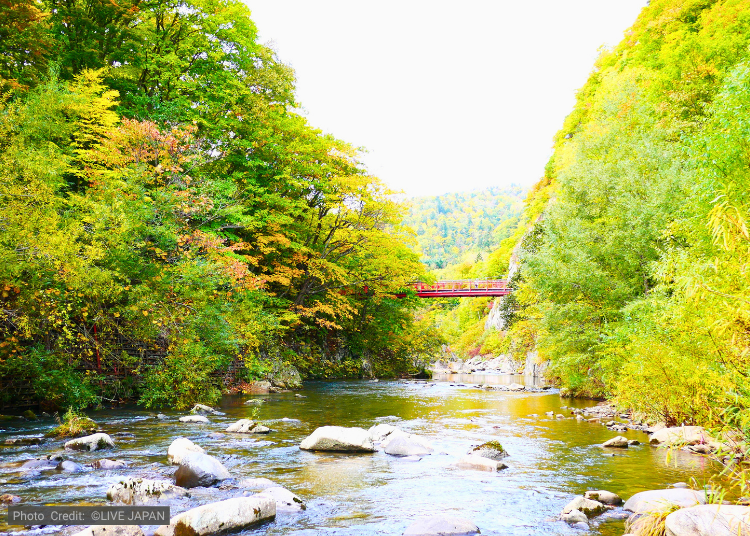
About one hour by car from Sapporo, Jozankei is a hot spring town that stretches along a mountain gorge, and May to June is when the fresh greenery feels at its most pleasant. The mornings are relatively quiet, and the air in the gorge is especially clear, making it an ideal first stop of the day.
A classic walking area is around Futami Suspension Bridge. Not only is the fresh green gorge seen from the bridge beautiful, but the depth of the scenery in the background also makes it an easy spot for taking family photos.
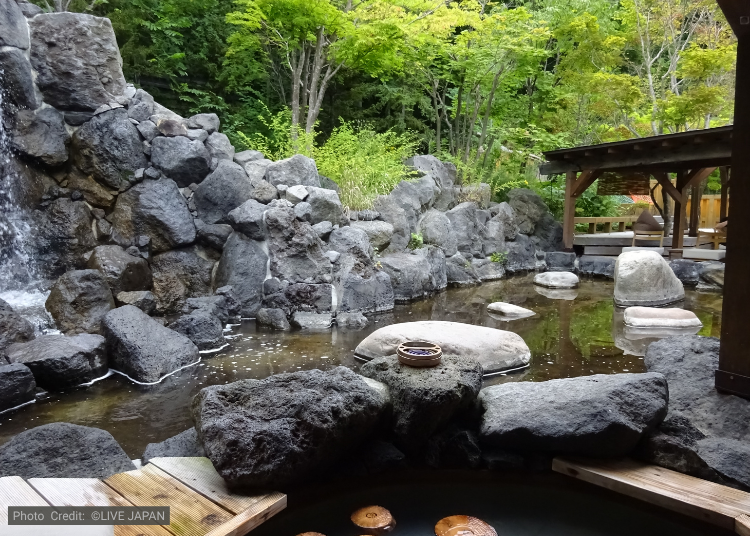
If you like hot springs, another option is to allow yourself a little more time and include one facility that accepts day-use bathing from the morning.
There are several easy-to-enjoy options even for a day trip, such as Kyujitsuyu Onsen (10:00 a.m. to 9:00 a.m. the following day), where you can enjoy distinctive baths and carefully designed saunas, and Hoheikyo Onsen (10:00 a.m. to 10:30 p.m.), where you can soak in a dramatic open-air bath surrounded by nature.
If your time is limited, even just a footbath can be enough to give you that hot spring feeling. In particular, the newly opened Futami Footbath, which opened on December 20, 2024, offers spectacular views overlooking the Toyohira River. It is also wheelchair accessible, making it an easy stop even for a three-generation family trip.
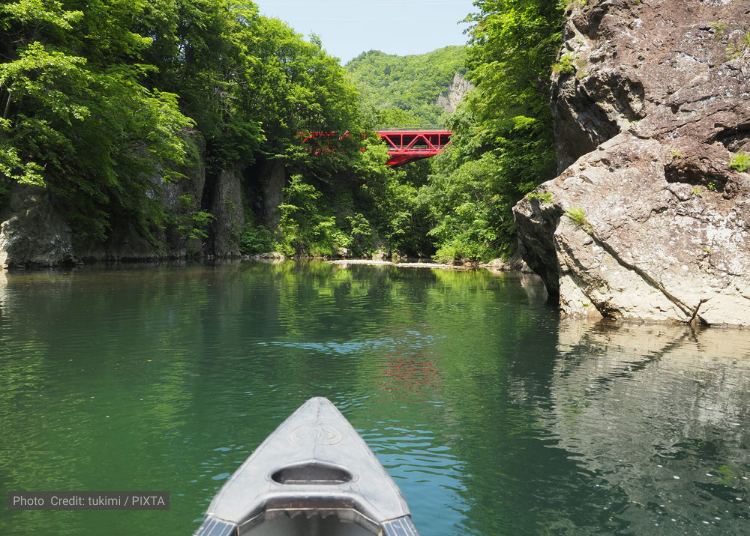
If you want to make the experience a little more activity-focused, another option is to include something like an early-morning canoe experience.
This generally requires advance reservation, so it is safest to consider only if you have enough room in your schedule. When transportation is smooth, you can move without rushing from the morning, and I feel that being able to choose little extras like this is one of the real advantages of traveling by chartered car.
-

-
Address
Sadayamakei Onsen, Minami-ku, Sapporo, Hokkaido, 061-2302
View Map -
Nearest Station
Sapporo Station (Hakodate Main Line)
65 minutes by bus
- Phone Number 011-598-2012
-
Address
Sadayamakei Onsen, Minami-ku, Sapporo, Hokkaido, 061-2302
10:30 Depart → Drive Toward the Makkari and Niseko Area (about 1 hour 40 minutes)
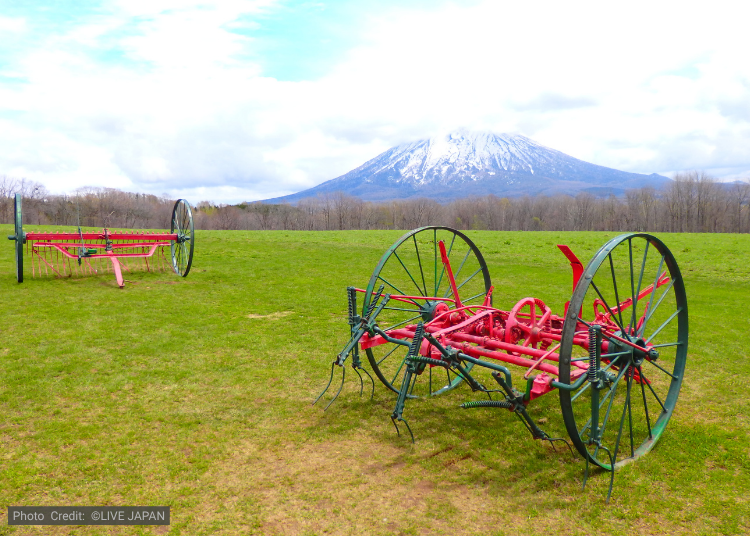
From here, the scenery starts to feel much more distinctly Hokkaido. If the weather is good, Mount Yotei comes clearly into view, and this is often the moment when you hear people in the car say wow.
Even just driving while looking out over the pasturelands and rows of white birch trees spreading outside the windows lets you feel the essence of Hokkaido.
Another great advantage of a chartered car is that you can make stops along the way.
-
Appealing

-
Address
kitakaidoabudengunku Niseko-cho, Kutchan-cho, Kyogoku-cho, Kimobetsu-cho, Makkari-mura, 044-0100
View Map -
Nearest Station
Hirafu Station (Hakodate Main Line)
- Phone Number 0136-44-2468
-
Address
kitakaidoabudengunku Niseko-cho, Kutchan-cho, Kyogoku-cho, Kimobetsu-cho, Makkari-mura, 044-0100
Recommended Stop: Nakayama Pass Roadside Station
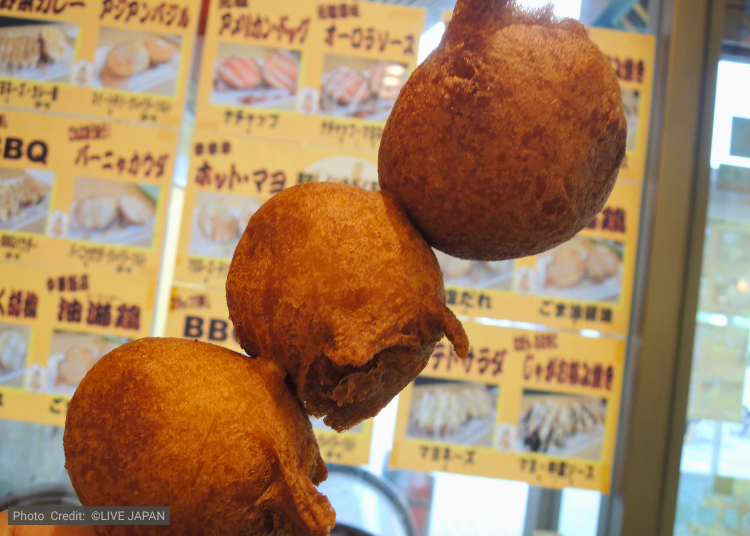
Take a short break at Roadside Rest Area Boyo Nakayama, located along Nakayama Pass, and use the restroom at the same time. If the weather is clear, you may even be able to see Mount Yotei from the rest area.
Their famous ageimo, crispy on the outside and fluffy on the inside, is perfect for eating while enjoying the scenery. Each one is fairly large, so if you are traveling with family, sharing one is just about right.
Recommended Stop: Fukidashi Park, Kyogoku’s Famous Spring Water Spot
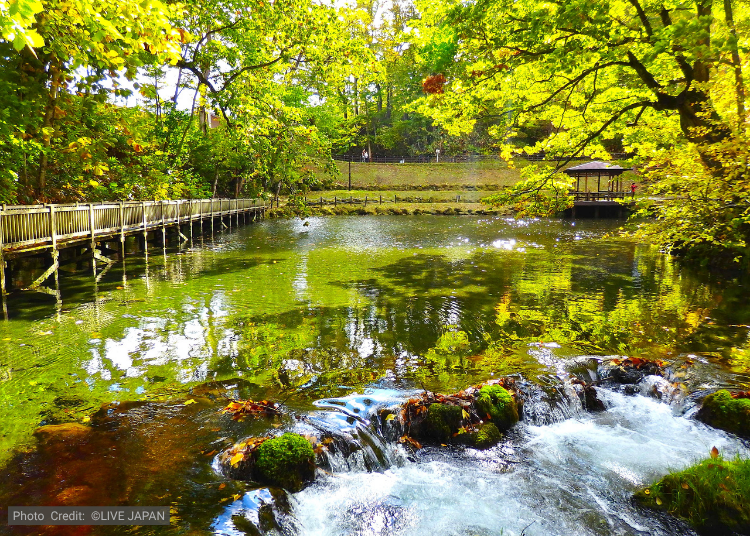
Fukidashi Park in Kyogoku Town is a famous spring water spot where snowmelt from Mount Yotei wells up from the ground. Surrounded by forest, the park has cool, refreshing air, so stopping by in between drives feels like a real reset. In spring, Asian skunk cabbage sometimes reaches its best season here, making it an easy place to feel the season even on a short walk.
It is also easy to include on the way toward the Niseko area, and another part of this park’s charm is that parents can take a short rest on a bench while children often become fascinated by the spring water.
At the sweets shop, you can also try mizu manju (a clear, jelly-like dumpling) made using this water, which has been selected as one of Japan’s 100 Famous Waters. It has a wonderfully smooth texture and a gentle flavor. I personally recommend it.
If you stop by, I also recommend bringing one empty plastic bottle with you. You can fill it with the spring water and take it home.
-
Appealing

-
Address
45, Kawanishi, Kyogoku-cho, Abuta-gun, Hokkaido, 044-0131
View Map -
Nearest Station
Kutchan Station (Hakodate Main Line)
- Phone Number 0136-42-2111
-
Address
45, Kawanishi, Kyogoku-cho, Abuta-gun, Hokkaido, 044-0131
12:10–13:30 Lunch and a Walk in Niseko and Makkari (about 80 minutes)
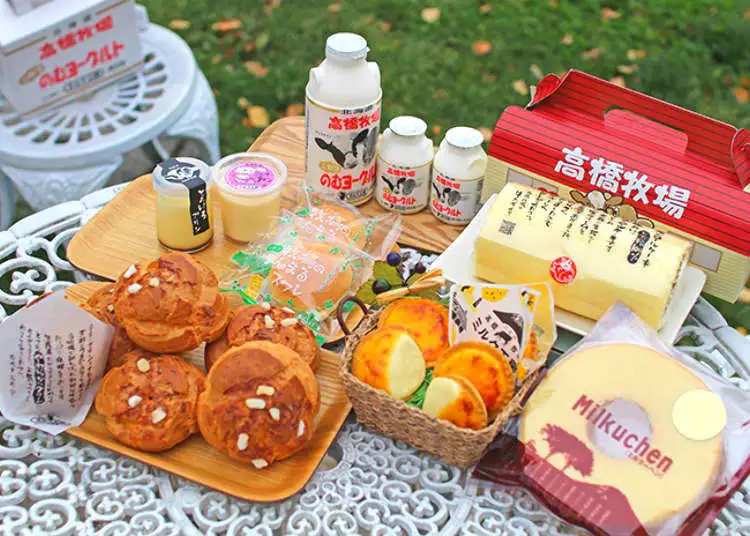
The Niseko and Makkari area is a place where it is easy to have a very satisfying lunch, with many restaurants where you can enjoy a meal while looking out at Mount Yotei. One of the attractions is the wide variety of options, including cafes using local vegetables, Hokkaido-style dishes featuring cheese and potatoes, soba made with famous spring water, and soft-serve ice cream from local farms.
With a chartered car, it is also easier to stop at popular restaurants, and even places in locations that would be difficult to reach by public transportation become real options.
Recommended Seasonal Spot
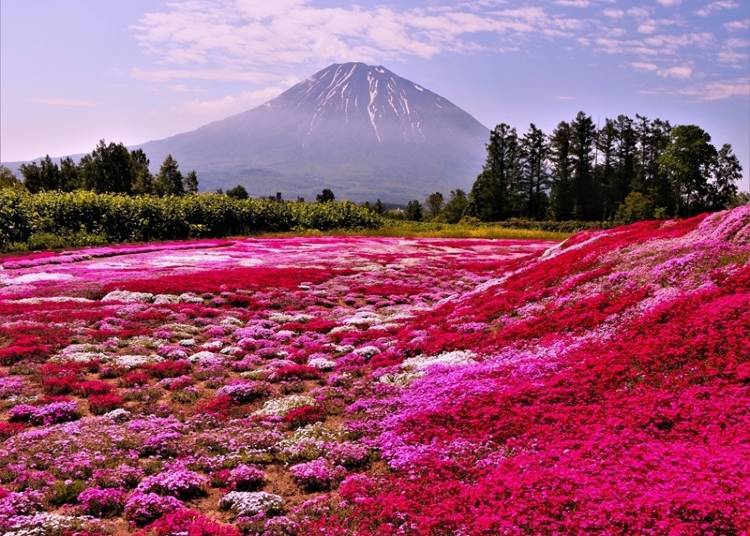
If you are traveling in Hokkaido from late May to early June, one place I definitely want you to consider is Mishima’s Shibazakura Garden in Kutchan Town.
With snow still remaining on Mount Yotei in the background, this is a spectacular seasonal spot where moss phlox spreads across an approximately 4,000-square-meter site. The pink gradations continue like waves, and you may find it impossible to stop taking photos.
Because the garden is privately owned, the surrounding area is residential. Please avoid driving up to the front of the garden or parking on the street, and instead use the “Kutosan Park Parking Lot” designated by the Town of Kutchan. However, if you are stopping by as part of a journey in a chartered car, it is best to keep your visit brief while following local guidance and being considerate of the surrounding neighborhood.
13:30 Depart → 14:10–16:00 Walk Around Lake Toya
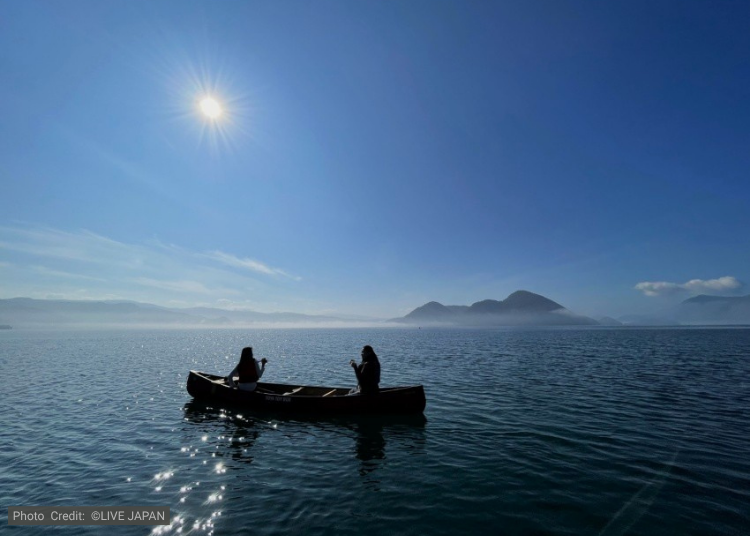
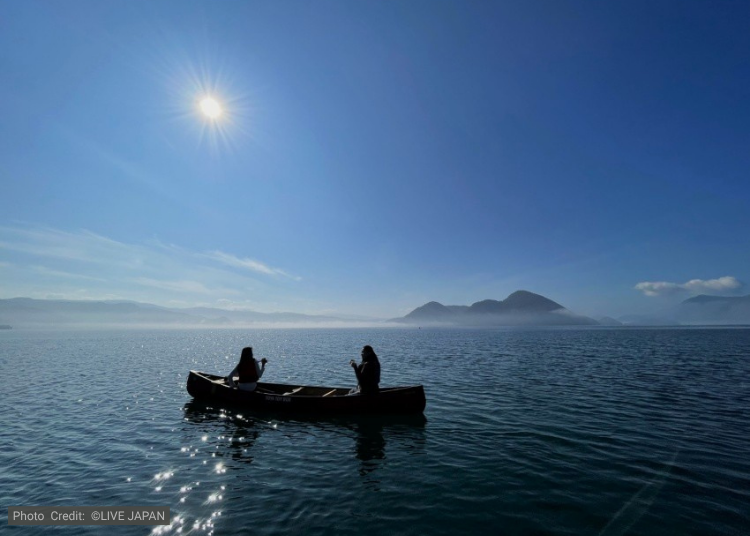
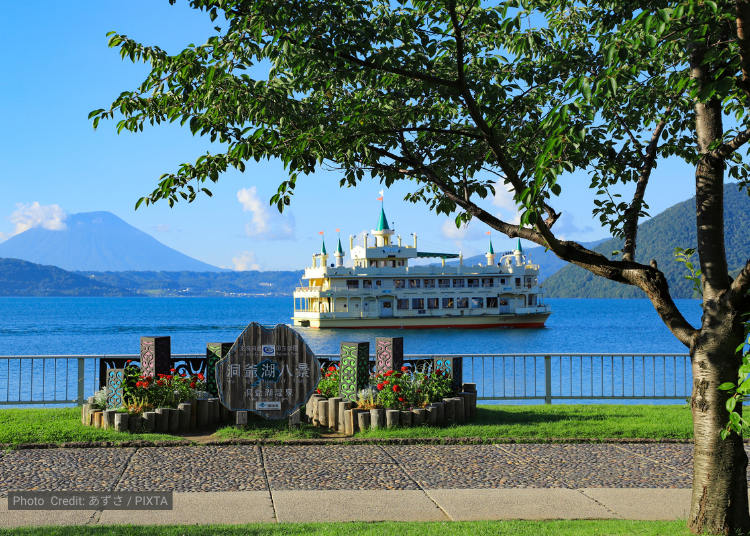
Once you arrive at Lake Toya, start with a walk along the lakeshore. Along with the deep blue tones where the lake and sky seem to melt into one another, you can enjoy sweeping views of the powerful landscapes of Mount Usu and Showa Shinzan, making this an area where you can really feel the grand scale that is so characteristic of central Hokkaido.
There are many easy-to-walk areas along the lakeshore, so even travelers with parents can enjoy the scenery without overexerting themselves.
If you want to take photos, I recommend composing the shot with your family in the foreground and the mountains and lake in the background.
It is also an easy place to take three-generation family photos, and I think it is one of those spots that often gives you the one photo you most want to keep from the trip. Just by moving a little, the background changes dramatically, so even at the same lakeshore, it is fun to take a few different variations and look back on them later.
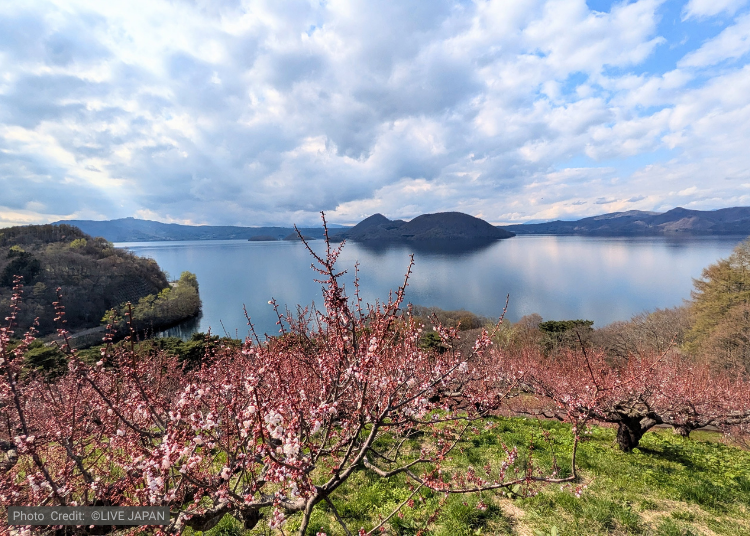
If the timing works out, the plum blossoms at Sobetsu Park overlooking Lake Toya are also worth considering as an extra stop. Around early May, the soft scent of plum blossoms drifts through the air, and if you capture the lake and flowers together, you can take photos with a very spring-like feel.
If you have enough time, I also recommend adding it as a scenic change of pace alongside your walk around the lakeshore.
-

-
Address
Toyako Town, Hokkaido Toyako Onsen Town, 049-5721
View Map -
Nearest Station
Usu Station (Muroran Main Line)
- Phone Number 0142-75-2446
-
Address
Toyako Town, Hokkaido Toyako Onsen Town, 049-5721
Recommended Places to Stay at Lake Toya
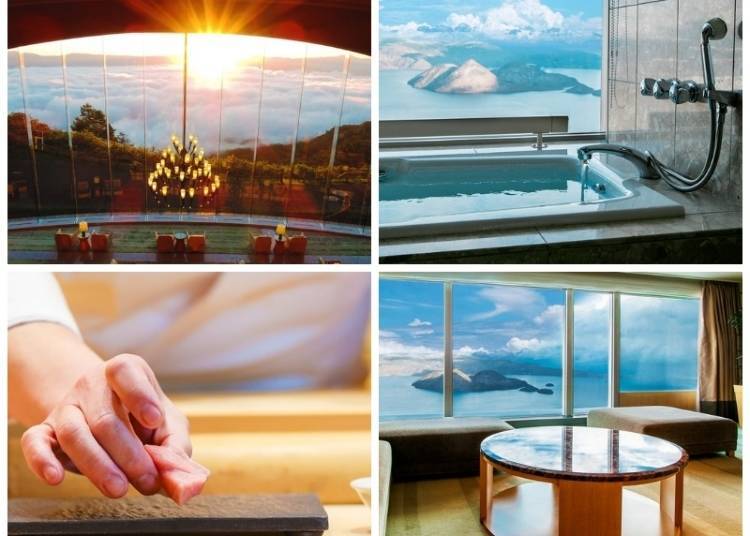
This model course is based on a day trip, but once you experience the grandeur and beauty of Lake Toya in person, it is completely understandable to want to stay overnight.
One hotel that promises spectacular views of Lake Toya is The Windsor Hotel Toya, which looks down over the lake from an elevated location. It is one of the most luxurious hotels in this area. In particular, the sweeping view of Lake Toya from the lobby is truly breathtaking.
Another nice point is that you can use the reservation-only shuttle bus from JR Toya Station. Reservations must be made by 6:00 p.m. the day before.
The atmosphere inside the hotel is also calm and refined, making it a good choice when you want to make the final part of your trip feel a little more special. In the morning, you may even see a sea of clouds, and it is the kind of hotel that feels worth staying at just to catch a glimpse of that luxurious view.
-
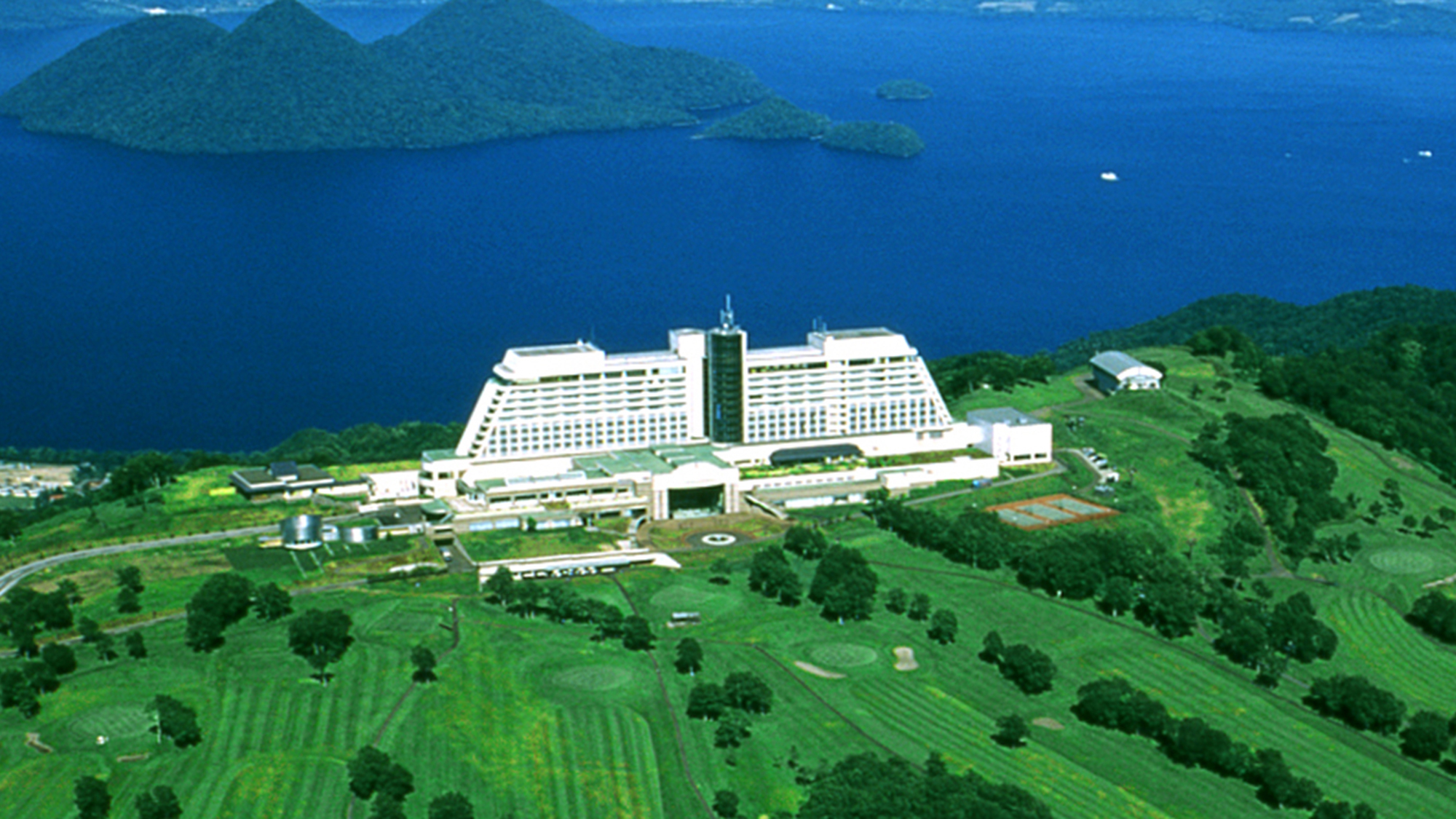 The Windsor Hotel Toya Resort & Spa by IHGザ・ウィンザーホテル洞爺 リゾート&スパ by IHG
- Address Shimizu, Toyako-cho, Abuta-gun, Hokkaido View Map
- Original source: Rakuten Travel
Important: Taxes from April 2026 onward
In Hokkaido, an accommodation tax was introduced from April 1, 2026, and in Toyako Town in particular, a separate local accommodation tax was added on top of that. In addition, at hot spring inns in Lake Toya Onsen, a bathing tax must generally be paid separately on site. In many cases these taxes are not included in the price shown at the time of booking, so it is a good idea to plan your budget using the table below as a guide.
Estimated Taxes per Adult per Night from April 2026 Onward
| Accommodation area | Hokkaido accommodation tax | Municipal accommodation tax | Bathing tax |
|---|---|---|---|
| Lake Toya Onsen | 100 to 500 yen | 200 to 1,000 yen | 100 yen |
16:00 Depart → Arrive in Sapporo Around 19:00
From Lake Toya to Sapporo, about 2 hours and 30 minutes is a good estimate if you return via the Jozankei area.
Because this is when fatigue tends to set in, I recommend taking a comfortable pace and stopping for restroom breaks along the way rather than trying to rush back.
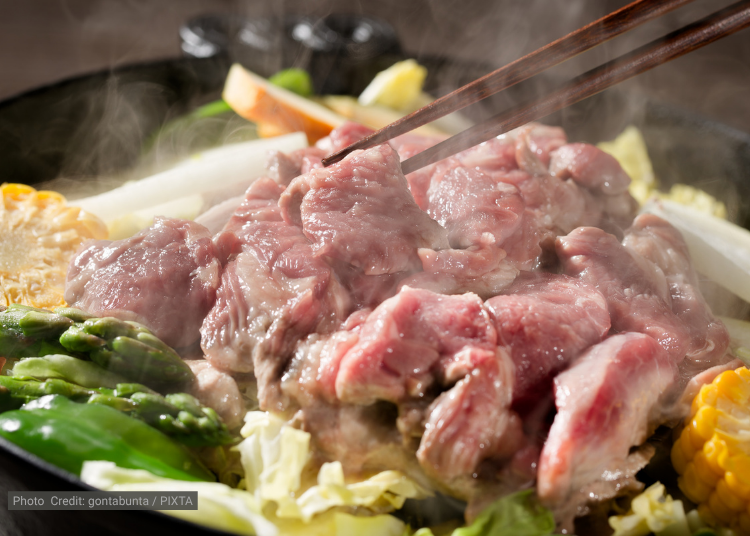
If you can arrive in Sapporo around 7:00 p.m., you can still enjoy dinner by around 7:30 p.m. In the evening, make the most of classic Sapporo favorites such as jingisukan (grilled lamb), soup curry, or seafood izakaya dining.
If you still have room afterward, ending the meal with a parfait, known in Sapporo as “shime parfait,” is another local specialty that is uniquely Sapporo.
Local Writer’s Advice for Avoiding Crowds and Enjoying a Relaxed Visit
When sightseeing in central Hokkaido, comfort can change dramatically depending on what time you visit, even at the exact same spot. This route was also designed so that you can get around while avoiding the busiest waves of crowds as much as possible.
It is often said that the blue color of Lake Toya is especially beautiful between around 3:00 p.m. and 4:00 p.m., so if you are planning to take photos, keeping that time in mind will likely make the experience more satisfying.
Nakayama Pass also tends to get more crowded in the afternoon, especially in the parking area, so I recommend allowing enough time if you plan to stop there.
There is one more small but important point to keep in mind. More and more sightseeing spots in Hokkaido accept credit cards, but at farm restaurants and food stands, some places still accept cash only.
Just to be safe, it is reassuring to keep a small amount of cash on hand. Also, tipping the driver is generally not necessary in Japan.
Why a Private Car Is a Practical Choice Rather than a Luxury
A private chartered car is not simply for adding luxury to your trip. It is a rational option for reducing the transportation anxiety and lost time that tend to come up when traveling in Hokkaido.
In Hokkaido, the distances between sightseeing spots are long, public transportation is easily affected by limited service frequency and full bookings, and rental cars can create burdens such as availability difficulties during busy seasons and the stress of driving in unfamiliar conditions.
The reality is that the more your trip involves family travel or traveling with parents, the more the difference in transportation directly affects overall satisfaction.
With a chartered car, you can depart directly from your hotel and travel with your luggage loaded the whole time. It reduces transfers and waiting times, and it enables you to adjust your itinerary according to your physical condition and the crowd situation in the moment.
Rather than simply following a fixed course, you can reshape the trip at your own pace. That freedom is the greatest value of a chartered car.

A weekend traveler and weekday office worker, she has spent over 10 years as a travel and food writer, drawing on her journeys both in Japan and abroad. Specializing in cuisine and her home region of Hokkaido, she writes extensively on local attractions and hotels. Her hobby is recreating memorable meals from her travels as home-cooked dishes. She contributes under her own name to Travel.jp, where her hotel and food articles, as well as videos, are highly regarded, and she has also provided photos and videos to TV and print media. She holds curator and teaching certifications.
- Area
- Category
*Prices and options mentioned are subject to change.
*Unless stated otherwise, all prices include tax.
Popular Tours & Activities
Recommended places for you
-
Appealing
Mt. Hakodate Observatory
Forests & Mountains
Hakodate
-
LakeAkan
Rivers, Lakes & Canyons
Abashiri
-
Appealing
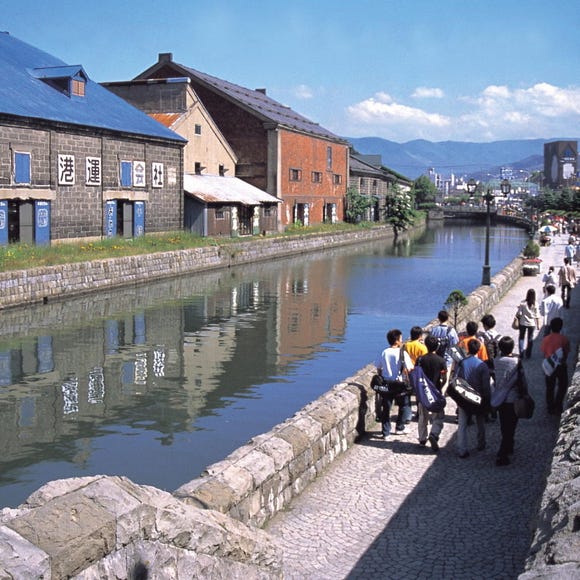
Otaru Canal
Rivers, Lakes & Canyons
Otaru
-
Appealing
Rukku and Uohei
Izakaya
Sapporo / Chitose
-
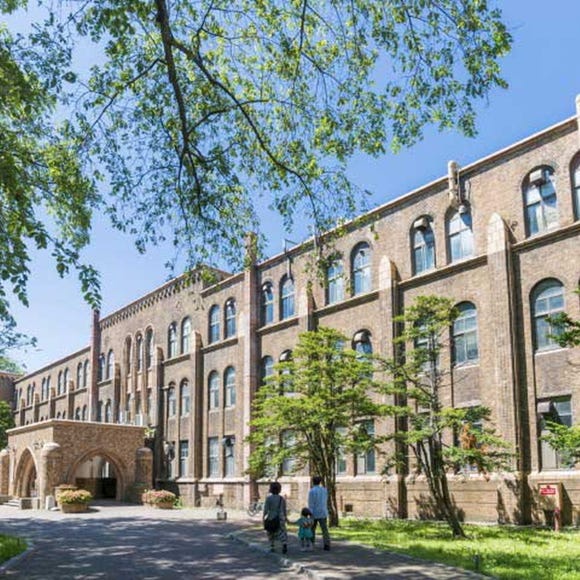
Hokkaido University
Other Architecture
Sapporo / Chitose
-
Appealing
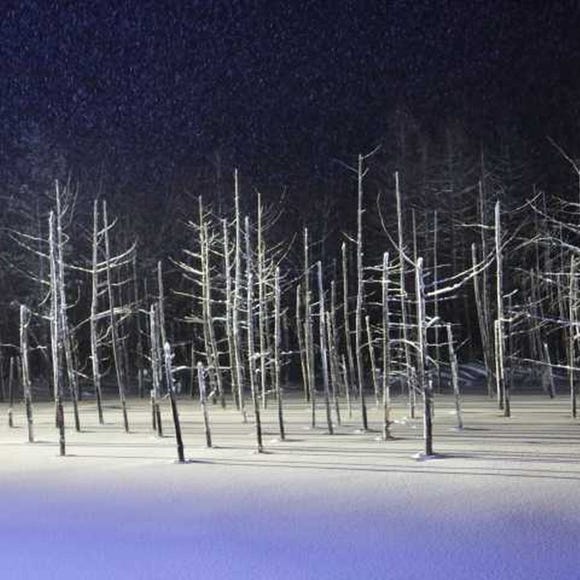
Shirogane Blue Pond (Aoiike)
Rivers, Lakes & Canyons
Furano / Biei / Sounkyo
-
【Eastern Hokkaido Gastronomy Tour】Savor the Flavors of Kushiro: Discover Brasserie Knot Craft Beer and THE AKKESHI Whisky
-
Hokkaido for Travelers from India: A Complete First-Trip Guide
by: Himanshi Shah
-
Brewing Tradition Since 1944: Visiting Kikko Nihon - One of Asahikawa's Longest-Running Soy Sauce Companies
-

Hokkaido's Best 10 Budget Onsen Stays (Ryokan & Hotels From 20,000 Yen a Night)
-

Why Kitami Mint Once Dominated the Global Market: A Visit to Hokkaido's Mint Museum
-
10 Recommended Apartment Hotels in Hakodate for Families & Groups
by: Sae Haneda
-
Hakodate 2-Day Itinerary for Exploring Japan's Foodie North!
-
Japan's Bath Culture: Tips You Should Know!
-
Sapporo New Chitose Airport (CTS): Complete Guide to Restaurants, Souvenirs, Shopping & More!
-
Lake Shikotsu Guide: Easy Sapporo Day Trip To See Spectacular Natural Views of Hokkaido's Pristine Lake!
-

Noboribetsu Onsen Day Trip: Jigokudani 'Hell Valley' And a Natural Hot Spring Footbath!
-

10 Fun Activities and Magical Places in Furano - According to a Singaporean Expat
- #best sushi hokkaido
- #things to do hokkaido
- #best ramen sapporo
- #what to bring to japan
- #new years in tokyo
- #what to buy in ameyoko
- #japanese nail trends
- #what to do in odaiba
- #onsen tattoo friendly tokyo
- #daiso
- #best sweets otaru
- #japanese fashion culture
- #best nature furano
- #japanese convenience store snacks
- #best japanese soft drinks