



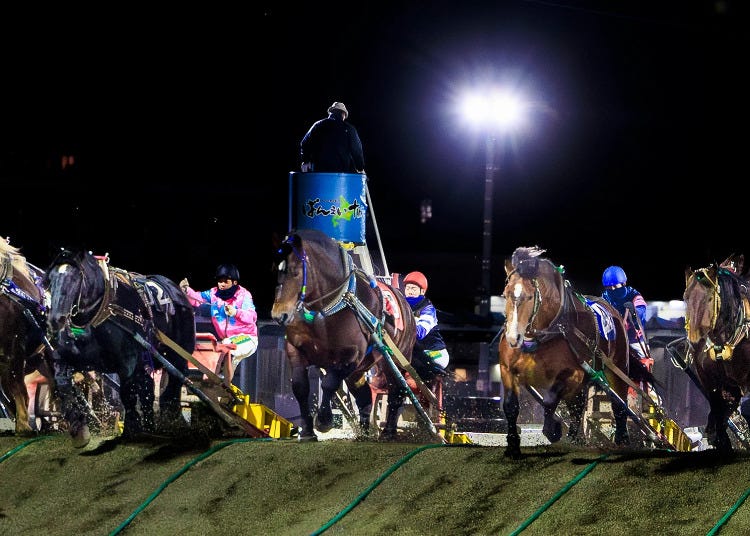
About a 40-minute drive from Tokachi-Obihiro Airport, Obihiro is home to the only place in the world where you can watch enormous draft horses race while pulling heavy iron sleds: Banei Tokachi at Obihiro Racecourse. In this article, we explore the historic relationship between the people of Tokachi and these powerful horses, explain how to enjoy banei racing, and introduce recommended food and souvenirs at the neighboring Tokachimura complex.
(*This article is based on information as of November 2025. Please check the official website for the latest information before your visit.)
- Table of Contents
-
- The pioneering spirit of Hokkaido lives on: The history of Banei Horse Racing
- A beginner-friendly guide to buying betting tickets and watching the races
- Unpredictable until the finish: The thrilling tactics behind every close race
- Farm-fresh produce, local specialties, and animal encounters
- Meet retired racehorses at the heartwarming Petting Zoo
The pioneering spirit of Hokkaido lives on: The history of Banei Horse Racing
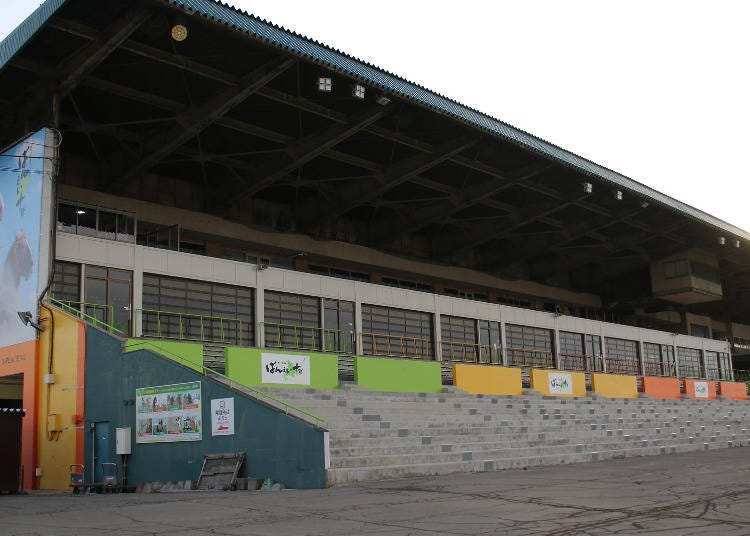
Banei Horse Racing, held at Obihiro Racecourse, is a unique competition in which draft horses pull iron sleds weighing approximately one ton while competing in strength and speed. The races were once held in Kitami, Iwamizawa, and Asahikawa as well, but Obihiro is now the only city in Japan to operate them as a publicly run betting sport. It is also the only horse race of its kind in the world.
Draft horses are sometimes confused with Dosanko horses, but they are very different breeds. The Dosanko is a native Japanese breed raised mainly in Hokkaido, while the draft horses used in banei racing are large breeds originally imported from overseas. They weigh approximately three times as much as a Dosanko, with many exceeding one ton.
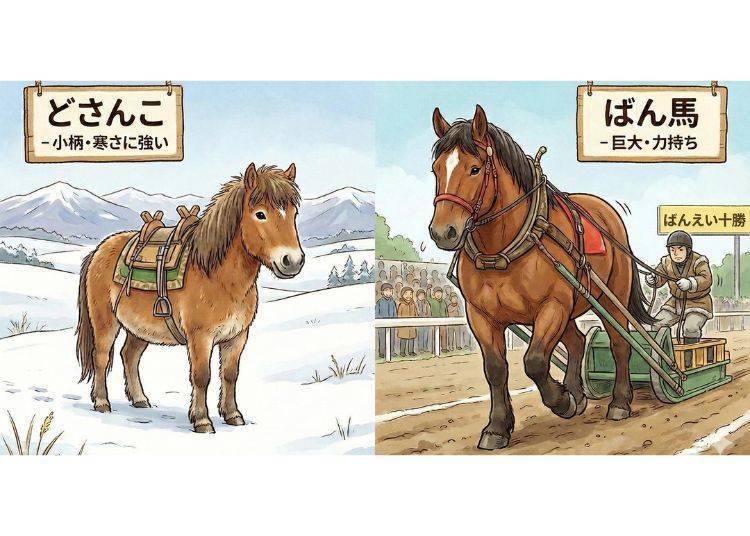
*Labels: どさんこ = Small and cold-resistant / ばん馬 = Huge and powerful
The roots of Banei Horse Racing can be traced to informal contests in which farmers tested the strength of their prized horses. During Hokkaido’s pioneering era, horses were essential for clearing land, pulling out tree stumps, and plowing fields. These competitions are said to have begun as a way for farmers to show off the abilities of the beloved horses that had shared both their hardships and successes.
Horse-strength contests gradually became a popular form of entertainment in farming communities. Records show that one such contest was held at Higashishihoro Shrine in Otofuke, Tokachi, in 1908.
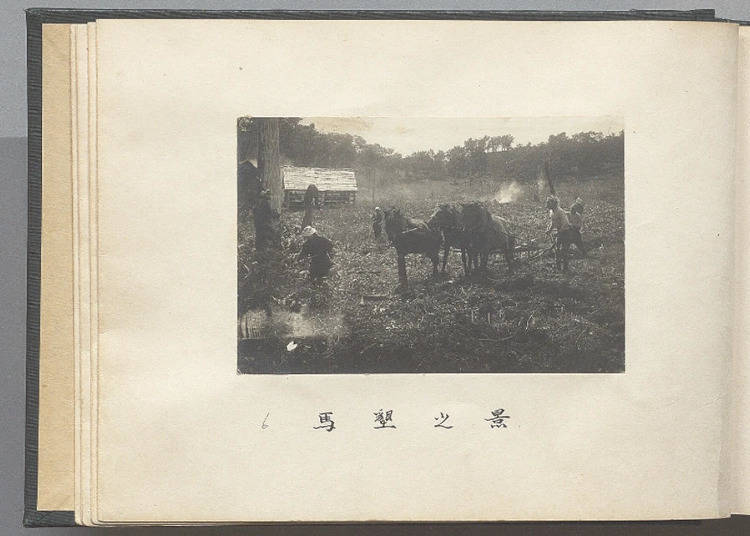
Even after World War II, horses remained essential to daily life, transporting people and goods and helping cultivate fields amid widespread food shortages. Around this time, the traditional horse-strength contests were officially recognized as Banei Horse Racing, with betting tickets issued for the races. Horse breeding subsequently flourished.
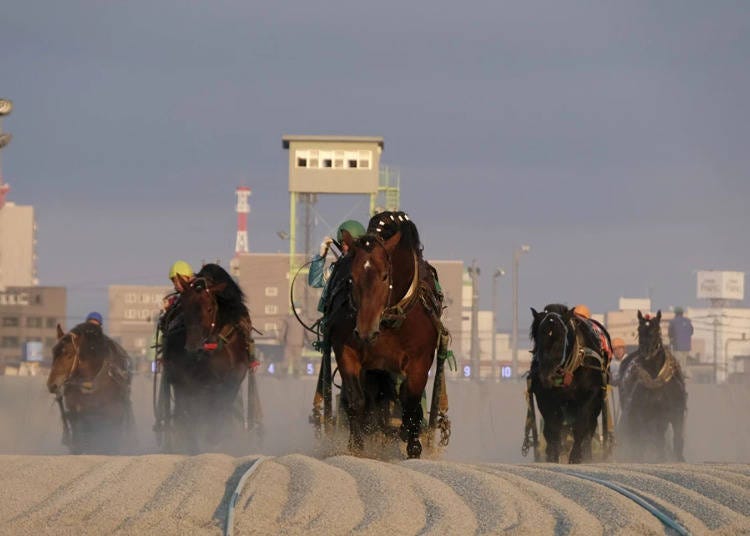
During the horse-racing boom of the 1970s, Banei Horse Racing became known throughout Japan and entered its golden age. Betting turnover reached 32.2 billion yen in 1991, but steadily declined following the collapse of Japan’s bubble economy. By 2006, the sport was facing the possibility of closure.
Banei fans across Japan and the people of Obihiro helped save the races from this crisis. With support from many individuals and organizations, Obihiro began independently operating the event as Banei Tokachi in 2007.
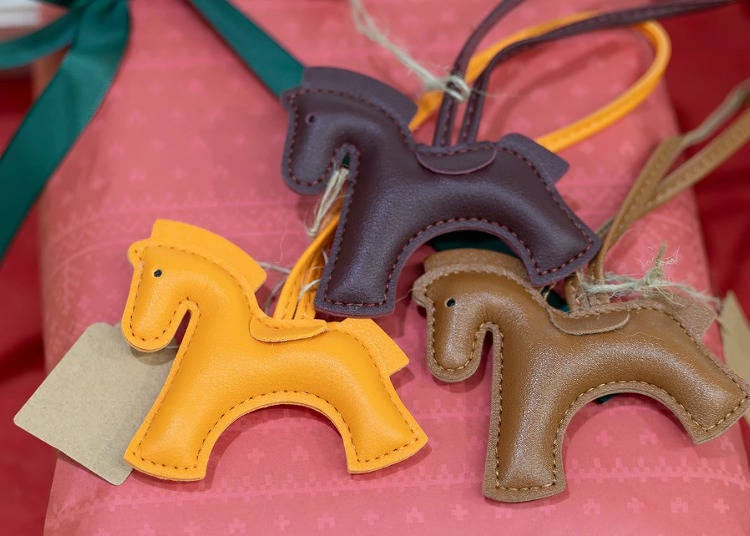
The racecourse was transformed into a destination that appeals not only to horse-racing enthusiasts but also to families with children. Facilities now include the Bamba Shop merchandise store and a petting zoo.
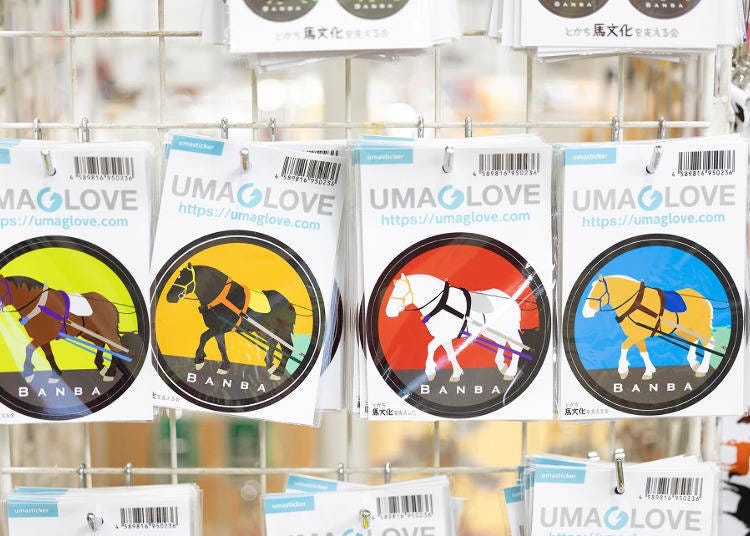
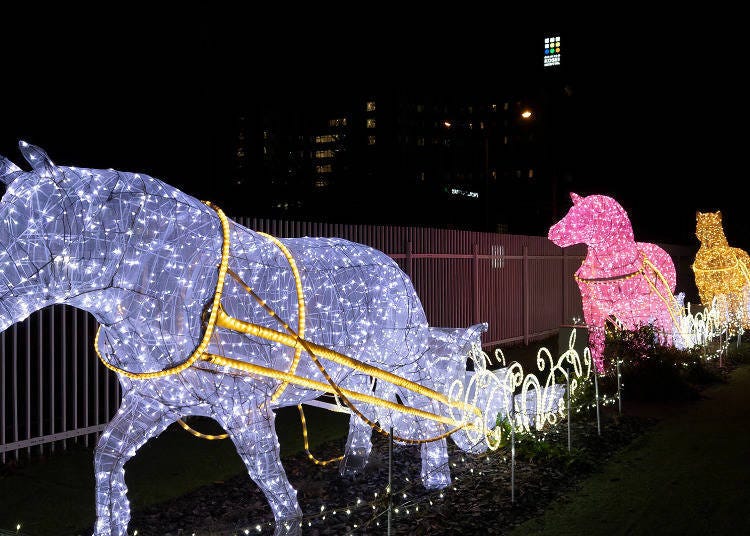
In recent years, online promotional activities have helped Banei Horse Racing reach an even wider audience. Betting turnover exceeded 57.8 billion yen in fiscal 2025, far surpassing the previous record set since Obihiro began independently operating the races in 2007. The sport is now enjoying unprecedented popularity.
A beginner-friendly guide to buying betting tickets and watching the races
Start by purchasing a betting ticket: Beginners can get help at the information counter
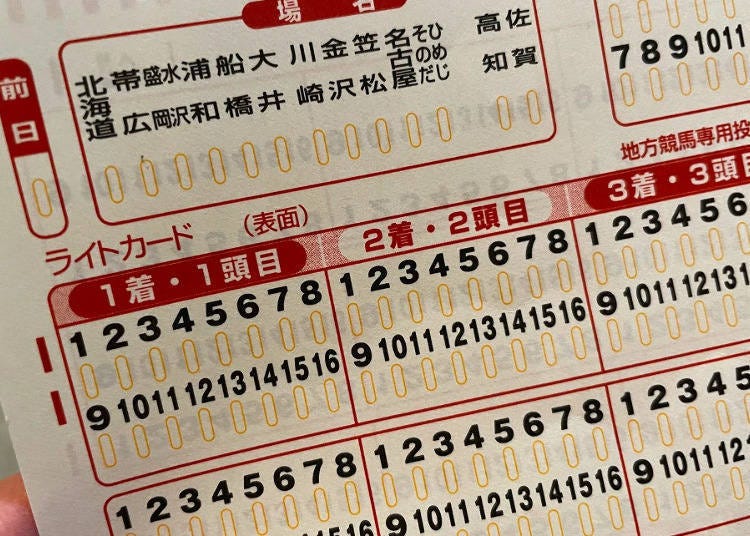
Start by purchasing a betting ticket. Several types of betting slips are available, but beginners are advised to use the Light Card and try a win bet, known as "Win (Tansho)", in which you predict which horse will finish first.
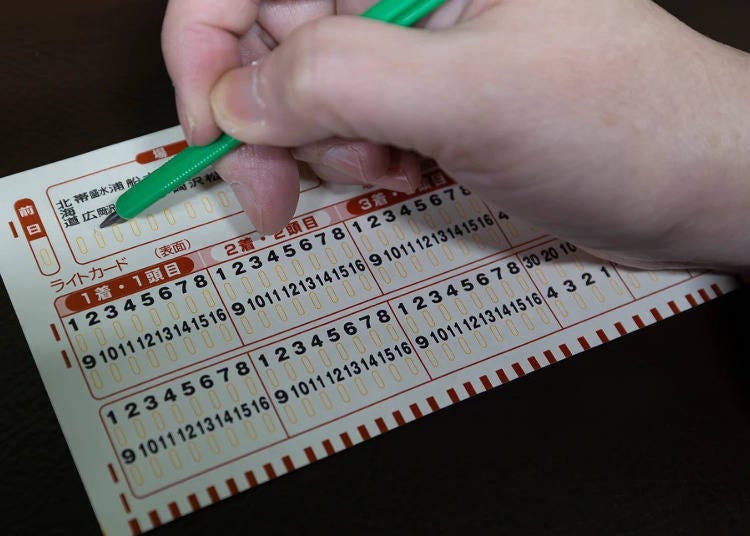
Mark the relevant boxes for the racecourse, race number, type of bet, and horse number. How you select your horse is entirely up to you.
You can visit the paddock before the race to observe the horses as they walk and check their condition. You can also refer to the odds, which indicate each horse’s popularity and expected payout. Of course, choosing a horse number or jockey based purely on instinct is another option.
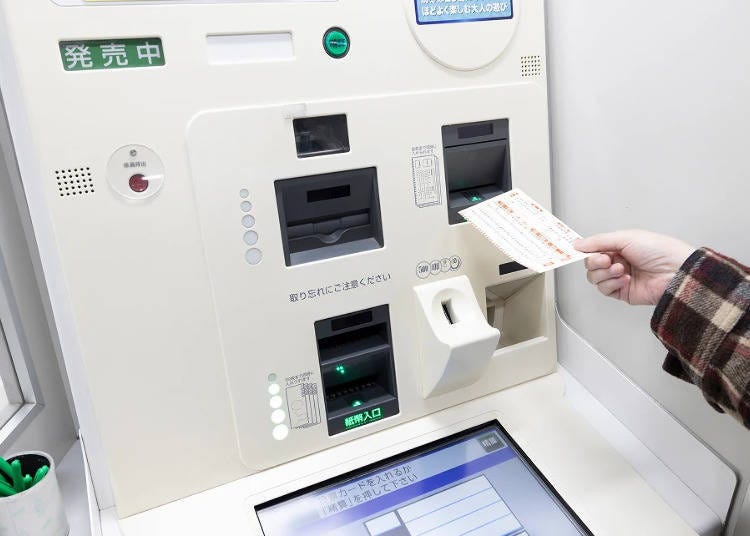
Take your completed card to one of the automated betting machines to purchase your ticket. Anyone who needs assistance can visit the beginner’s corner, where staff will clearly explain how the system works.
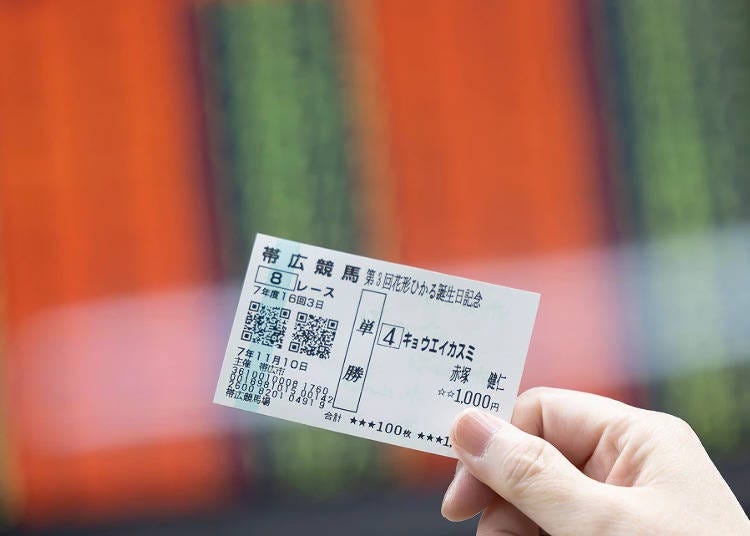
Keep your ticket safe until the race is over. Then, with high hopes for your chosen horse, head out to the course.
Unpredictable until the finish: The thrilling tactics behind every close race
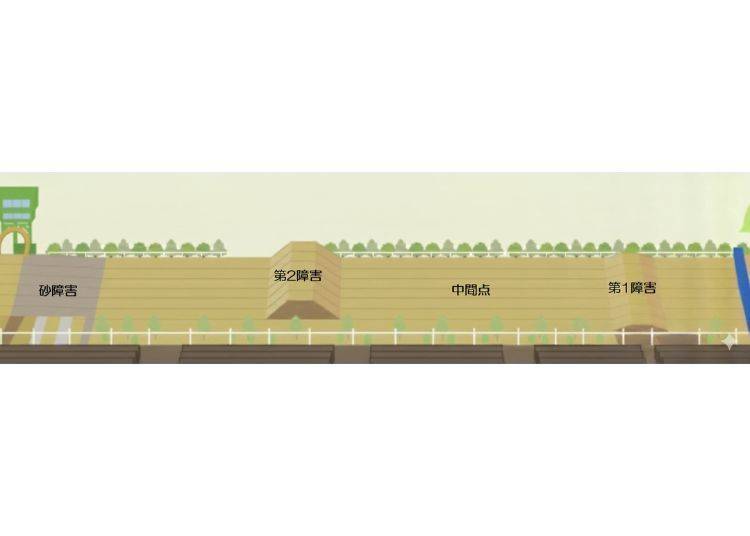
*Note: The "obstacles" in Banei racing are not barriers to jump, but soil mounds (slopes) that the horses must climb.
The Banei Horse Racing course is a straight 200-meter track featuring the First Obstacle, Second Obstacle, and Sand Obstacle. The Sand Obstacle is removed during winter. These obstacles are what make the races so exciting and unpredictable
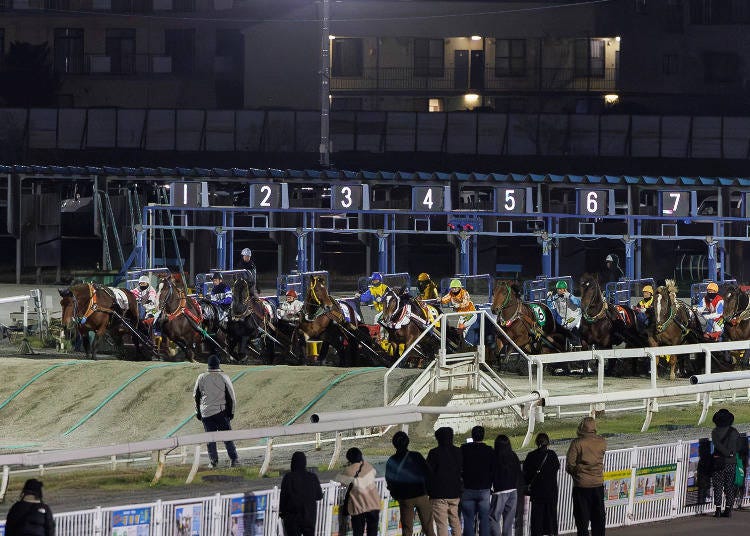
At the starting signal, the gates open and the draft horses set off together. The first challenge is the one-meter-high First Obstacle. At this early stage, the horses still have plenty of stamina and usually clear it without difficulty.
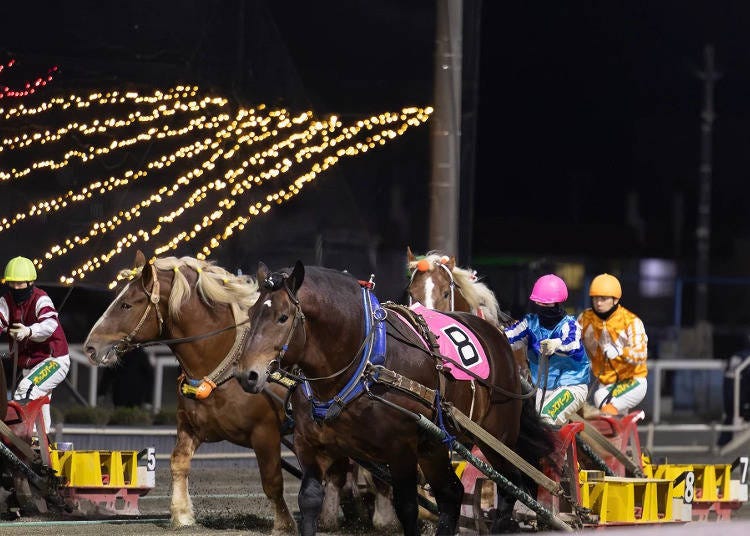
Just when it appears that the horses will continue forward at full momentum, some begin stopping around the middle of the course. This is a deliberate tactic used to prepare for the race’s greatest challenge: the 1.6-meter-high Second Obstacle.
Kazuya Takao of the Banei Operations Department’s Public Relations Division explains:
“The moisture level of the track affects how each race unfolds. When the track contains more moisture, the sled slides more easily, which gives an advantage to horses with strong acceleration. When the track is very dry, the sled becomes more difficult to move, allowing especially powerful horses to demonstrate their strength.
“Jockeys therefore consider each horse’s characteristics and physical condition, as well as the condition of the track, when deciding whether to continue directly toward the Second Obstacle or stop briefly to allow the horse to recover its stamina.”
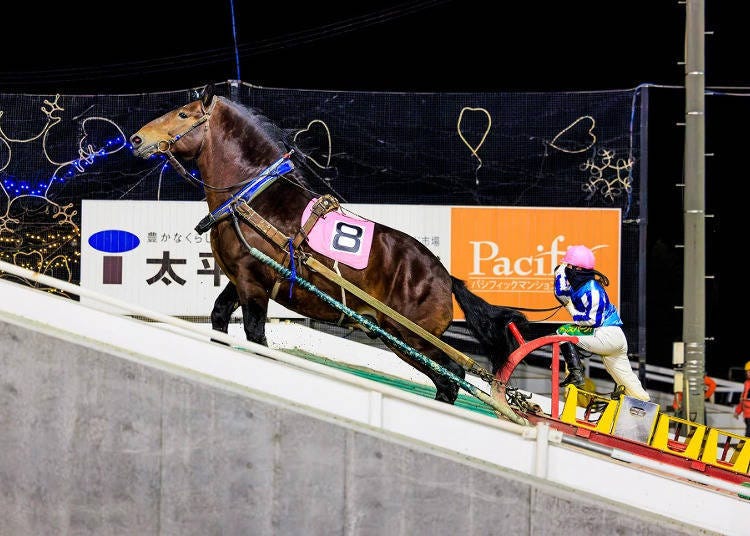
Then comes the Second Obstacle. The Exciting Zone is the ideal place to cheer, offering a close-up view of the race at its most dramatic point.
You can hear the horses breathing and feel the determination of the jockeys, making it almost impossible not to tense your own muscles as you watch. Cheers erupt throughout the crowd, creating a moment in which the horses, jockeys, and spectators seem completely united.
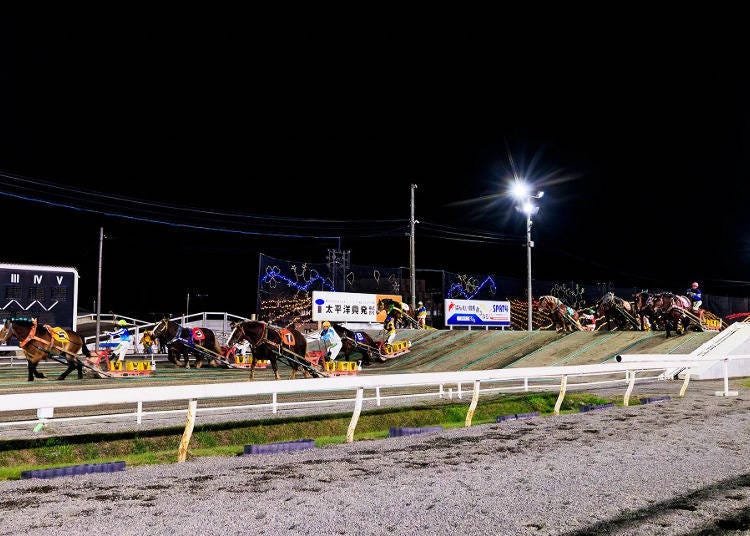
Even after the horses overcome the greatest obstacle, anything can happen before the finish. That unpredictability is one of the greatest attractions of Banei Horse Racing.
In conventional horse racing, a horse finishes when the tip of its nose crosses the line. In banei racing, however, the rear of the sled must cross the finish line. A horse that has led comfortably throughout the race can stop directly on the line and be overtaken by another horse at the last moment.
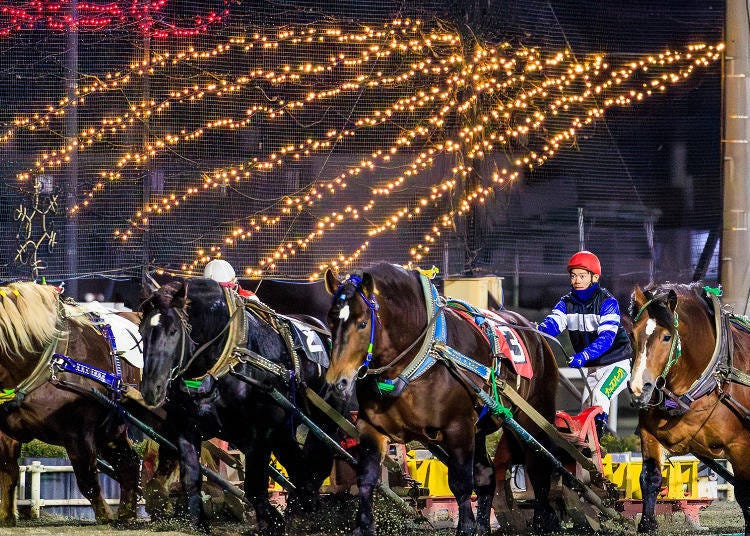
Banei Horse Racing is filled with drama that cannot be predicted through experience or odds alone. That may be exactly why it continues to attract so many devoted fans.
Unfortunately, the horse I supported did not finish first. Even so, the race was so thrilling that I completely forgot about the piercing early-winter wind.
Farm-fresh produce, local specialties, and animal encounters
After enjoying the races, head to the neighboring Tokachimura complex.
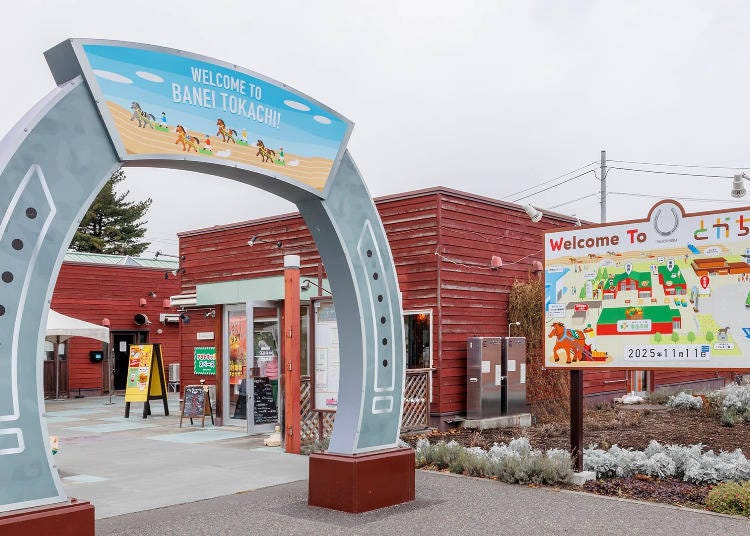
Tokachimura is a multipurpose complex showcasing the many attractions of the Tokachi region. It is a popular gathering place not only for banei fans and tourists, but also for local residents.
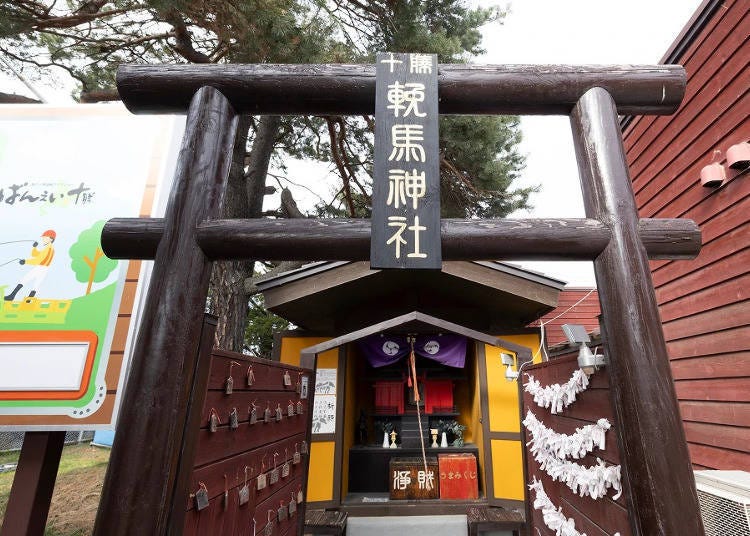
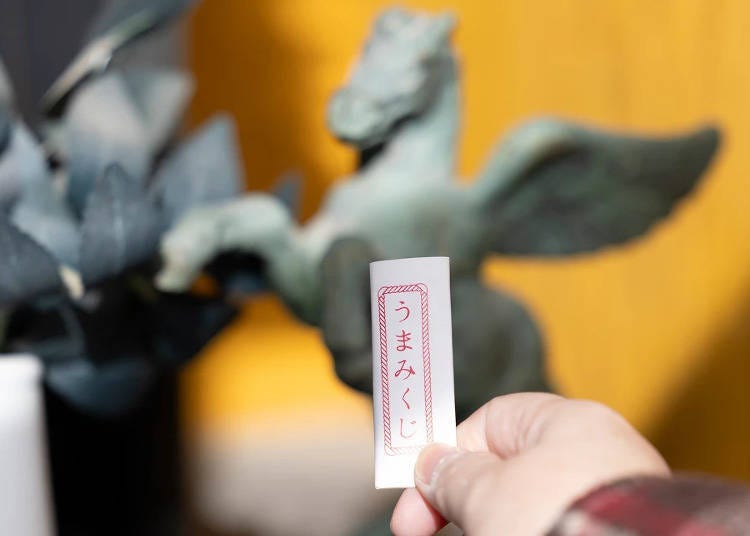
The grounds include Tokachi Bamba Shrine, where a horseshoe once worn by an actual draft horse is enshrined as a sacred object. Visitors can also learn about the history of the horses at the Horse Museum and enjoy a variety of restaurants serving local Tokachi specialties.
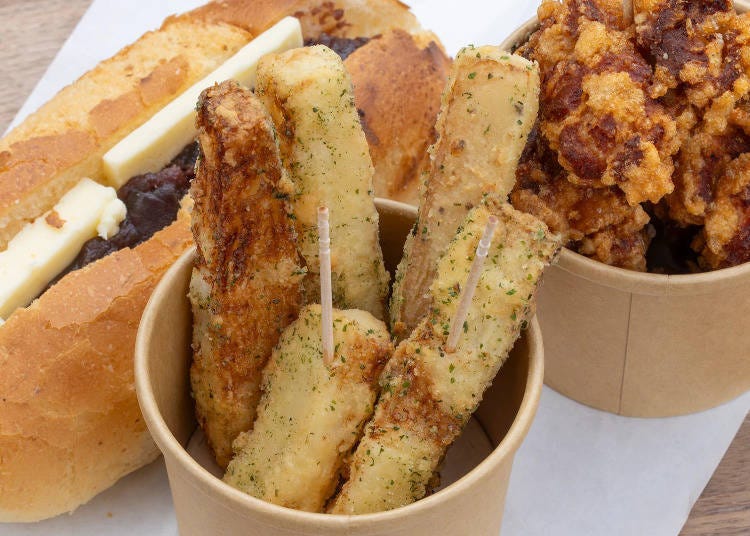
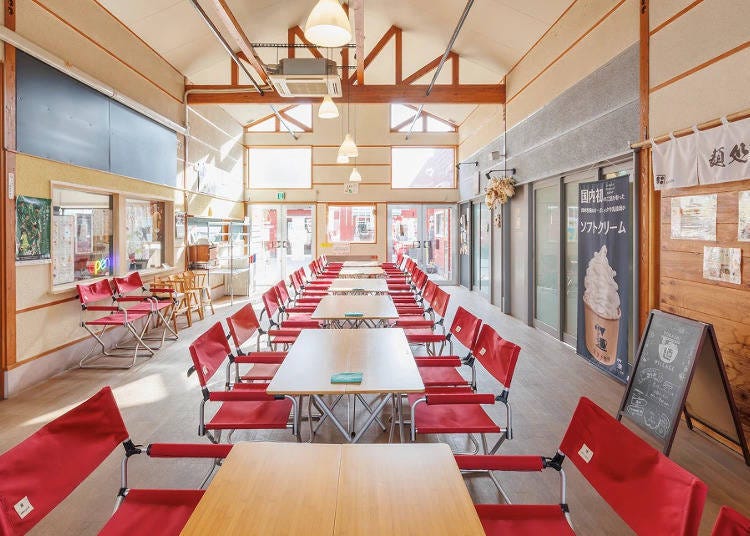
The Direct-from-Farm Market is particularly well stocked with fresh vegetables, sweets, and other products from Tokachi that make excellent souvenirs.
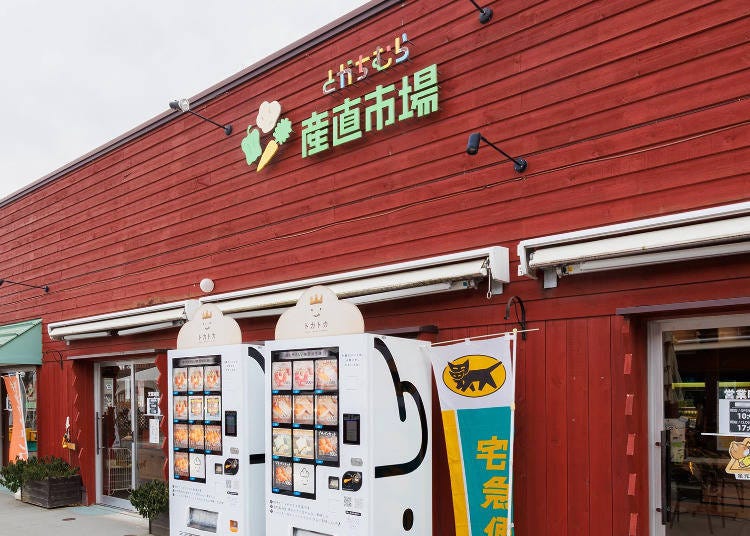
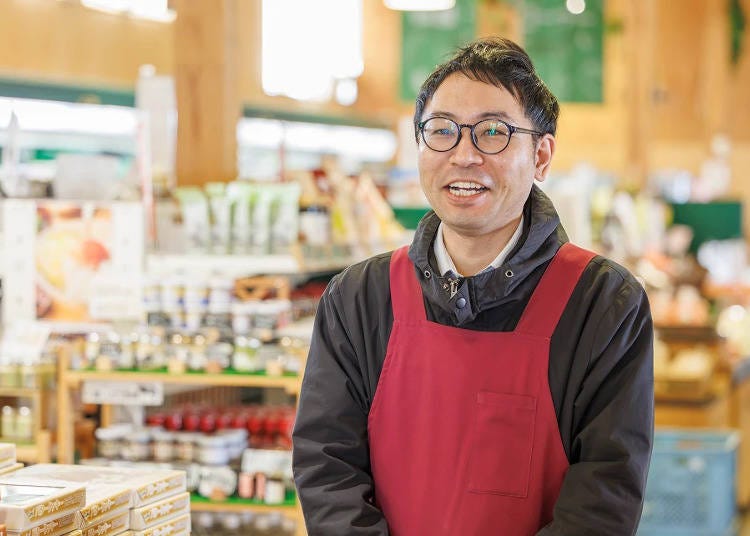
Store manager and banei fan Daisuke Matsumoto shared some advice for first-time spectators:
“The earlier races feature younger horses with less experience, so there is less data available for Races 1 and 2, making the results even more difficult to predict. Beginners may prefer to bet on the main races, such as Races 10 and 11, which feature horses with more extensive racing records.”
He also introduced some of the Direct-from-Farm Market’s recommended products.
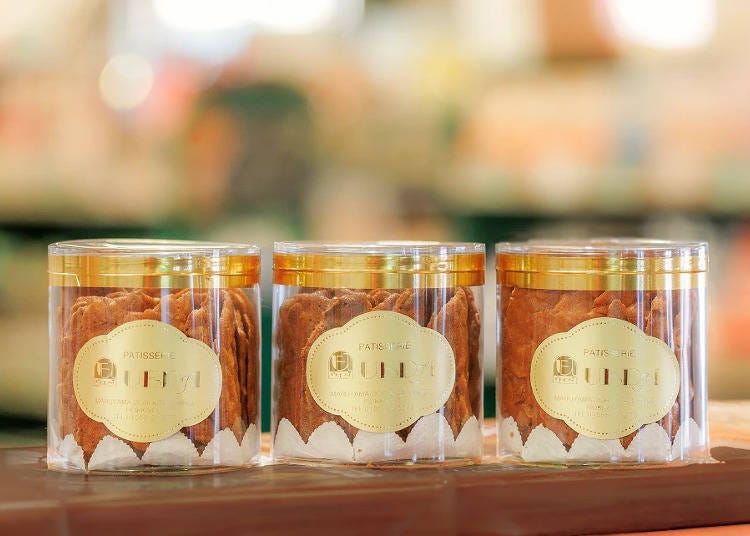
Patisserie Ueda is a long-established Western-style confectionery founded in Hiroo in 1898. Tokachimura is the only place in Obihiro where visitors can purchase the shop’s signature tuiles.
These thin, crisp cookies have a simple, comforting flavor and come in six varieties, including sesame and coconut. Almond is the most popular.
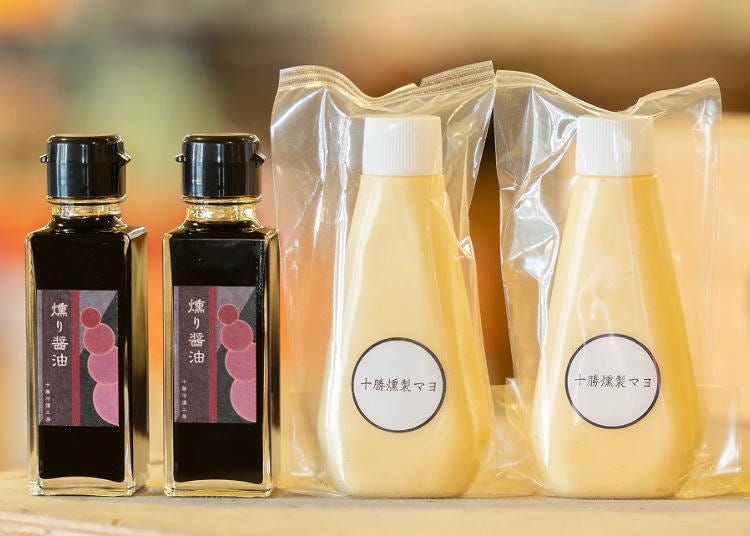
Smoked Soy Sauce and Tokachi Smoked Mayonnaise from Tokachi Reikun Kobo are also popular choices.
“The soy sauce is cold-smoked, giving it a particularly mellow flavor,” Matsumoto explains. “It tastes incredibly good over tamago kake gohan, a bowl of rice topped with raw egg.”
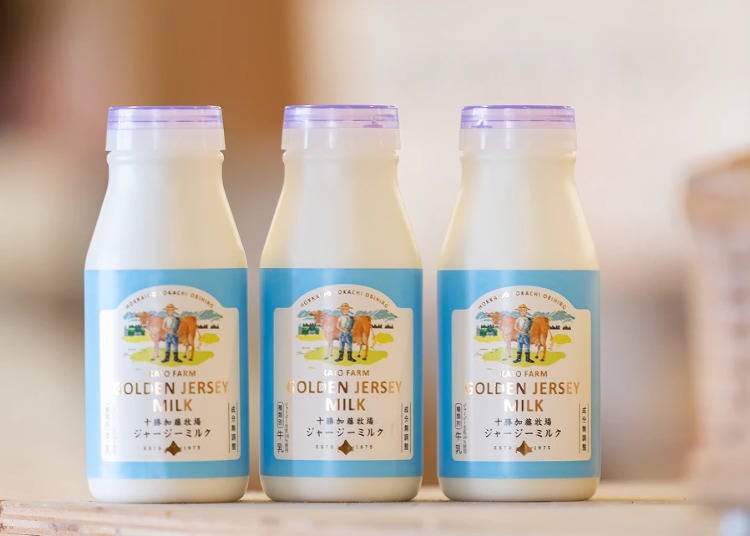
Golden Jersey Milk, produced from Jersey cows raised on homegrown grass and high-quality feed, is another outstanding local product. It has a rich flavor but remains smooth, clean, and easy to drink. The store also sells cheese made using the same milk.
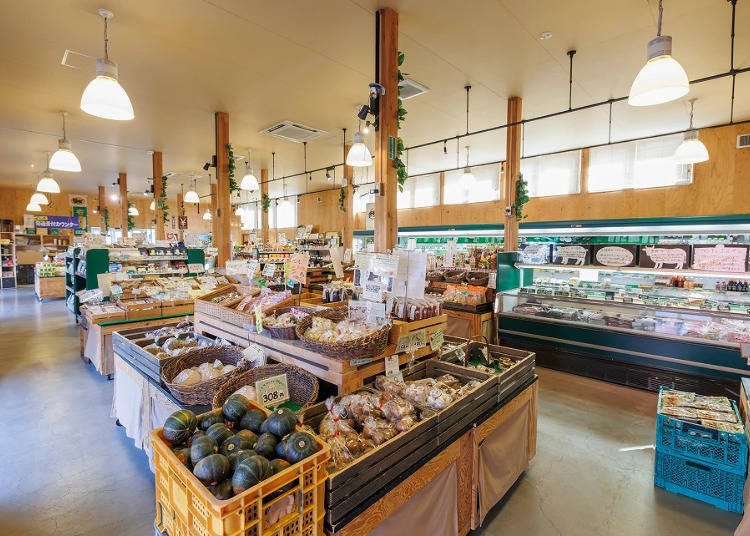
Another popular corner displays fresh produce carefully cultivated by approximately 50 local farmers. Regional delivery services are available, allowing visitors to ship the vegetables together with their other souvenirs.
-
Tokachimuraとかちむら
-
Address
1, Nishi 13-jo Minami 8-chome, Obihiro
View Map - Phone Number 0155-34-7307
Hours: Direct-from-Farm Market, 10 AM–5 PM (*Hours vary by store. Inquiries are accepted until 4 PM.)
Closed: Wednesdays -
Address
1, Nishi 13-jo Minami 8-chome, Obihiro
Meet retired racehorses at the heartwarming Petting Zoo
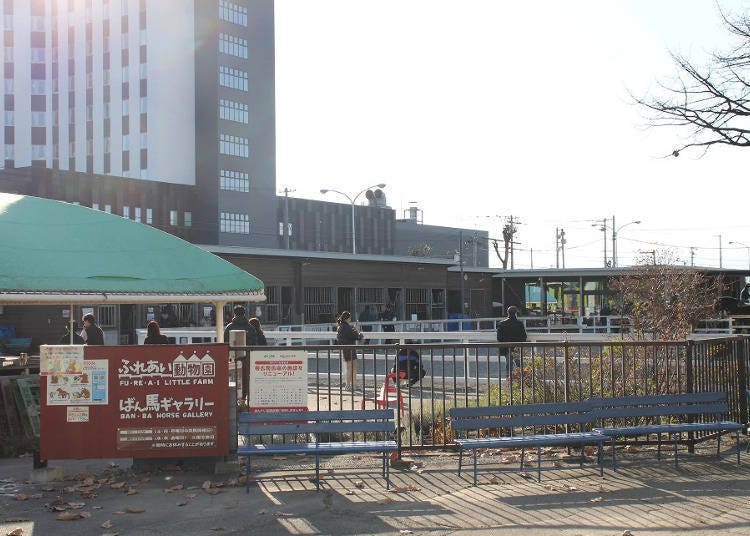
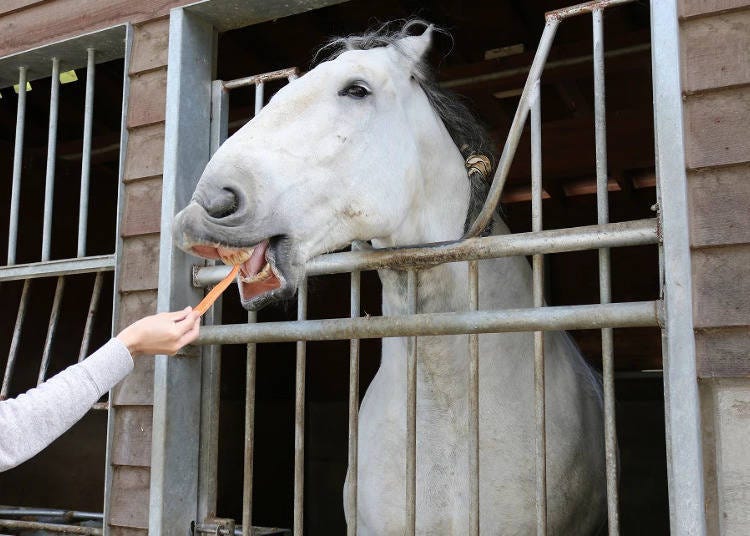
Be sure to visit the Petting Zoo, where you can see the enormous draft horses up close. The horses here are retired racers, yet their gentle expressions make it difficult to imagine that they once competed in such intense events.
Looking into their calm eyes, it becomes a little easier to understand why people have loved horses for generations.
■Petting Zoo
Hours: From the opening of Obihiro Racecourse until 5 PM
Closed: Tuesdays
Banei Tokachi combines the power and excitement of racing with the exceptional flavors of the Tokachi region. Whether you are a dedicated racing fan, an animal lover, or simply enjoy discovering local food, this entertainment destination offers the opportunity to experience many sides of Tokachi in one place. Visit Obihiro Racecourse and experience a spectacle found nowhere else in the world.
-
Banei Tokachi (Obihiro Racecourse)ばんえい十勝(帯広競馬場)
-
Address
Nishi 13-jo Minami 9-chome, Obihiro
View Map - Phone Number 0155-34-0825
Race days: Generally Saturdays, Sundays, and Mondays (*Please check the official website for gate-opening and race-start times.)
Admission: Free -
Address
Nishi 13-jo Minami 9-chome, Obihiro
*All prices include tax.
*This article is based on information as of November 2025. Please check the official website for the latest information before your visit.


[Source & Cooperation]
This article has been reprinted with permission from "DO Tabi," the official travel information website operated by AIRDO, the wings of Hokkaido.
In Cooperation with: AIRDO Co., Ltd.
Founded on the core philosophy of "Revitalizing Hokkaido's Economy," AIRDO is headquartered in Sapporo, Hokkaido. Operating as the "Wings of Hokkaido," the airline connects Hokkaido with Honshu and Fukuoka across 11 routes.
Under its brand vision, "Bringing air travel closer, with higher quality, to enrich people's hearts," AIRDO is dedicated to delivering an accessible yet premium travel experience, centered around "warm hospitality" tailored to each and every passenger.

"DO Tabi" is a travel curation media platform operated by AIRDO, the wings of Hokkaido.
As an airline that knows the local region inside out, we deliver travel inspiration to transform your desire to visit into a memory you are truly glad you made.
It is packed with content that will resonate deeply—not only with those currently planning a trip to Hokkaido, but also with anyone thinking, "I want to go somewhere, but I haven't decided where yet."

*Prices and options mentioned are subject to change.
*Unless stated otherwise, all prices include tax.
Popular Tours & Activities
Recommended places for you
-
Appealing
Rukku and Uohei
Izakaya
Sapporo / Chitose
-
Former Hokkaido Government Office Building (Red Brick Office)
Other Historic Sites
Sapporo / Chitose
-
LakeAkan
Rivers, Lakes & Canyons
Abashiri
-
Appealing
Kanemori Red Brick Warehouse
Shopping Malls
Hakodate
-
Farm Tomita
Other Nature
Furano / Biei / Sounkyo
-
Appealing
Otaru Canal
Rivers, Lakes & Canyons
Otaru
-
Just 2 Minutes from JR Sapporo Station! Sapporo’s Must-Visit Soup Curry Gem: Hirihiri No. 2, a Longtime Local Favorite
by: Guest Contributor
-
Obihiro's Beloved 90-Year-Old Sweet Shop and the 'Milk Road' Treat Fans Keep Coming Back For
by: Guest Contributor
-

Hokkaido's Best 10 Budget Onsen Stays (Ryokan & Hotels From 20,000 Yen a Night)
-
Experience 'Ghost of Yotei' IRL! See Why Niseko is The Ultimate Summer Escape
-
Romantic Places in Hokkaido: Where to Honeymoon Across the Seasons
by: Himanshi Shah
-
10 Recommended Apartment Hotels in Hakodate for Families & Groups
by: Sae Haneda
-
From Snow to Sun: Things to Do in Asahikawa in Every Season
by: Himanshi Shah
-

Otaru Travel Guide: Inside Hokkaido's Leading Destination (Sightseeing, Food, and Shopping Tips)
-

Shopping in Japan 2026: Annual Sale Calendar, Best Deals & Where to Shop
-
10 Popular Japanese Vegetables And The Unique Ways They're Used!
-
An Exciting Nocturnal Shopping Experience! New Night-time Don Quijote Opens in Susukino, Sapporo
-
Sapporo New Chitose Airport (CTS): Complete Guide to Restaurants, Souvenirs, Shopping & More!
- #best sushi hokkaido
- #things to do hokkaido
- #best ramen sapporo
- #what to bring to japan
- #new years in tokyo
- #what to buy in ameyoko
- #japanese nail trends
- #what to do in odaiba
- #onsen tattoo friendly tokyo
- #daiso
- #best sweets otaru
- #japanese fashion culture
- #best nature furano
- #japanese convenience store snacks
- #best japanese soft drinks