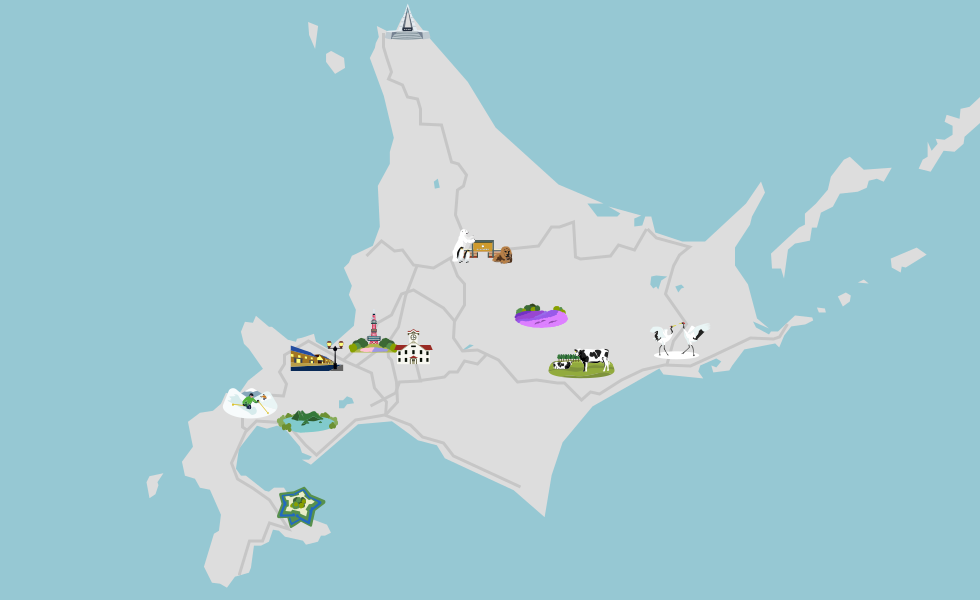





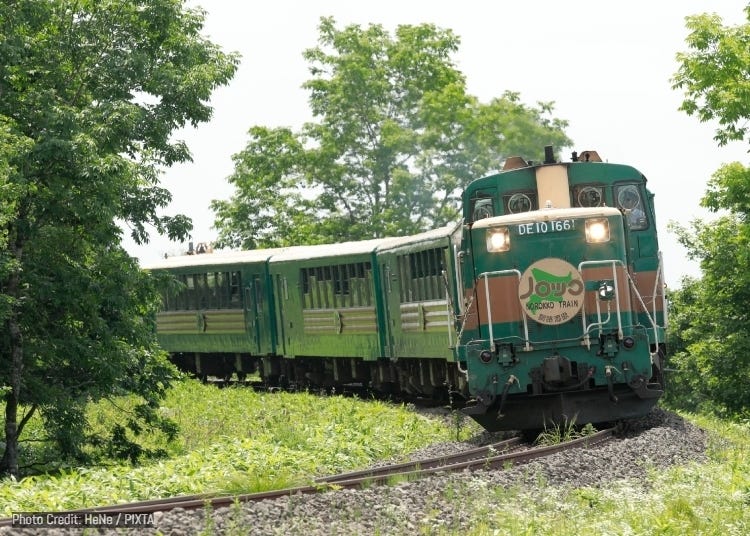
Eastern Hokkaido is home to Kushiro Shitsugen National Park, Japan’s largest wetland, where the Japanese crane (tancho), a designated Special Natural Monument, can often be seen gliding through the skies. Imagine taking in this untouched landscape while feeling the breeze aboard one of Japan’s slowest trains. That’s the experience offered by the JR Hokkaido Kushiro Shitsugen Norokko Train.
In 2026, this beloved sightseeing train will run once again. Whether it’s your first visit to Hokkaido or one of many trips to Japan, a ride on the Norokko Train offers a uniquely immersive way to experience the region. In this guide, we’ll cover the latest 2026 operating details, along with its history and nearby highlights to help you plan an unforgettable journey.
Japan’s Slow, Breeze-Filled Scenic Ride
The name “Norokko” blends noro-noro (meaning “slowly”) and torokko (a trolley-style train). True to its name, the train slows to around 20 km/h, about the speed of a bicycle, when passing through scenic areas.
And there’s a good reason for that. The slower pace lets you fully take in the views, from Japanese cranes and Yezo deer to the winding Kushiro River. It’s a rare chance to linger over landscapes you can only experience from the train window.
2026 Schedule & Ticket Reservation Tips
Based on the latest news release on March 16, 2026, here is the schedule for this year.
・Route: Kushiro Station to Toro Station / Kawayu Onsen Station
・Operation Days: From late April to October. Daily service is planned especially during the summer holiday season (July-August).
Reserved seats are in high demand. While international visitors can use the JR Japan Rail Pass, it’s best to reserve your seat as soon as you arrive in Japan to avoid missing out.
Kushiro Wetland: Home of the Ainu Gods
Kushiro Wetland is home to the Japanese crane, known in the Ainu language as Sarurun Rimse, or “the one who dances in the marsh.” The Ainu people revered the crane as Sarurun Kamuy, the “god of the wetland.”
Once considered unsuitable for development, this land was largely left untouched. As a result, a rare ecosystem dating back to the Ice Age has been preserved, making it one of Japan’s most valuable natural environments.
Must-See! The 3 Great Scenic Points from the Train
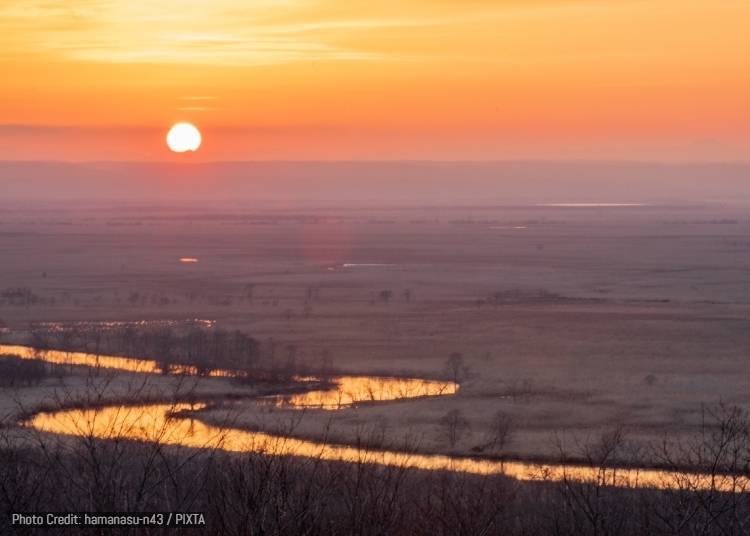
The Kushiro Marsh (Kushiro Shitsugen) is a stunning stretch of wilderness, and seeing it by rail—especially on the Norokko-go slow train—is a bucket-list experience. Here is a bit more details on three highlights to help you know exactly what to look for.
1. Meandering Kushiro River
The Kushiro River is unique because it remains largely "un-channeled," meaning it still flows in its natural, snake-like curves rather than being straightened by engineers. As the train hugs the riverbank, you’ll see deep "S-curves" reflecting the sky. The train slows down at the best vantage points so you can snap the perfect photo.
2. Iwabokki Sluice Gate
This landmark is a favorite for photographers and history buffs alike. There are actually two gates here: the "New" gate and the much more famous "Old" Iwabokki Sluice Gate. Built in 1931, the old gate is a rustic, red-toned structure that was originally designed to control flooding. It sits at a point where the landscape opens up, offering a panoramic view of the marsh with the mountains in the distance. It serves as a quiet reminder of the long-standing relationship between the local people and the marshland.
3. Wildlife Encounters
Because the train passes through protected territory, the animals here aren't particularly shy about the tracks.
・Yezo Deer: You are almost guaranteed to see these. They often graze in small groups right at the edge of the forest. Look for their white patches as they bound away.
・Japanese Cranes (Tancho): These are the crown jewels of Hokkaido. They are elegant, rare, and considered symbols of luck and longevity. Keep an eye out for flashes of white and red in the marshy tall grass—they are most commonly spotted in pairs.
・Bonus: Look up! You might also spot White-tailed Eagles or Steller’s Sea Eagles soaring above the trees.
Recommended Area Sights
Around Kushiro Station: Try "Katte-don" at Washo Market and view the "World's Third-Best Sunset" from Nusamai Bridge.
Kushiro Shitsugen Station: A 15-minute walk takes you to Hosooka Observatory, the best spot to see the wetland horizon.
Toro Station: The base for canoe tours to experience the Kushiro River up close.
In 2026, Experience a Special Slow Ride
In a fast-paced world, choosing to slow down is a rare and rewarding way to experience Hokkaido. A journey through the Kushiro Wetland invites you to take in its beauty with all your senses. In 2026, why not head to eastern Hokkaido and experience the quiet presence of this land, long revered in Ainu culture?
(Source/Main Image :JR Hokkaido)
- Area
- Category
*Prices and options mentioned are subject to change.
*Unless stated otherwise, all prices include tax.
Popular Tours & Activitiess
Recommended places for you
-
Appealing
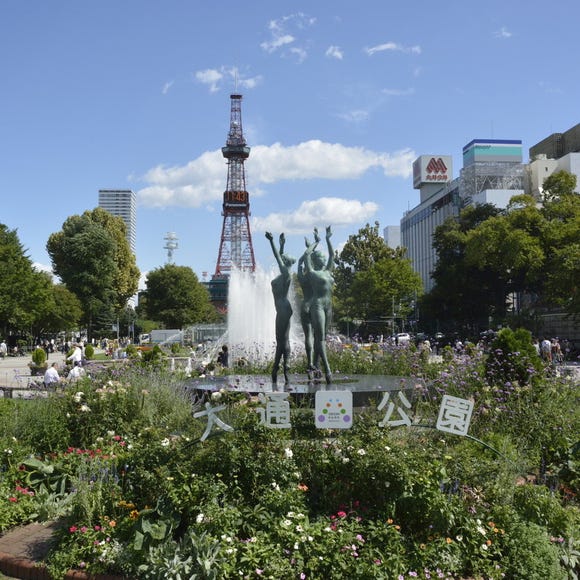
Odori Park
Parks
Sapporo / Chitose
-
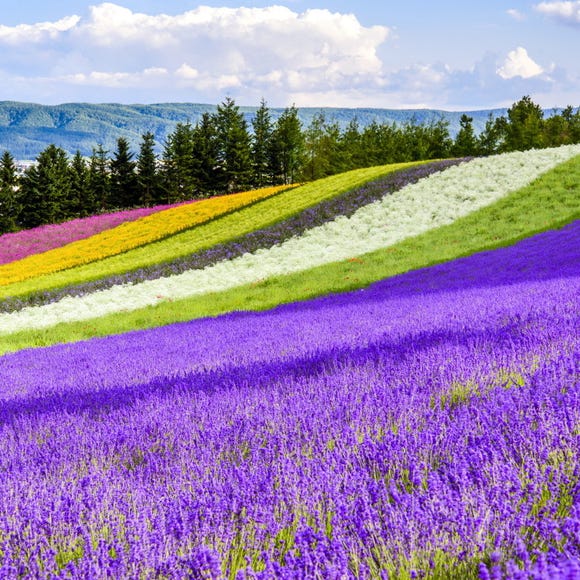
Farm Tomita
Other Nature
Furano / Biei / Sounkyo
-
Appealing
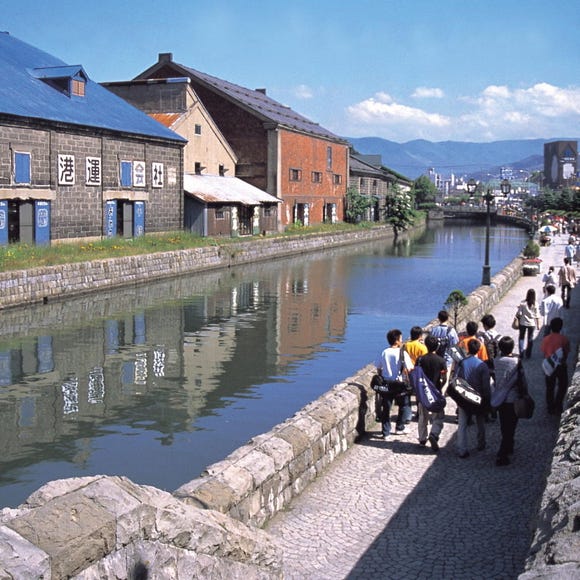
Otaru Canal
Rivers, Lakes & Canyons
Otaru
-
Appealing
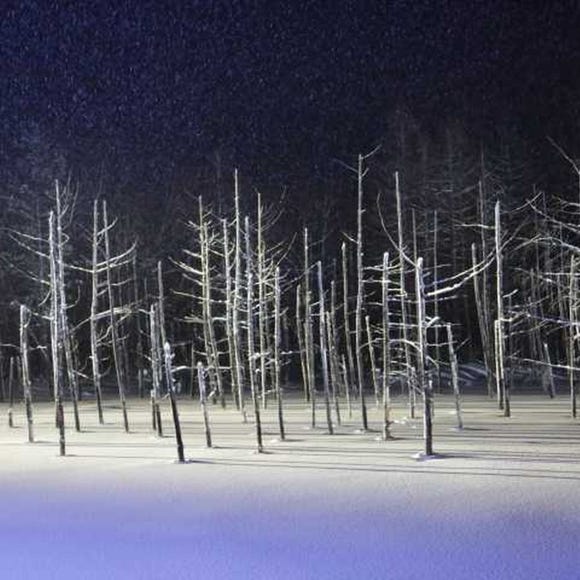
Shirogane Blue Pond (Aoiike)
Rivers, Lakes & Canyons
Furano / Biei / Sounkyo
-
Appealing
Rukku and Uohei
Izakaya
Sapporo / Chitose
-
Appealing
Shiroi Koibito Park
Theme Parks
Sapporo / Chitose
-
Niseko Shopping Guide: Must-Buy Souvenirs & Spots in Hokkaido's Ski Paradise
by: ShiroKu inc.
-
The Ultimate Hakodate Shopping Guide: Morning Market, Kanemori Warehouses, and Must-Buy Souvenirs
by: ShiroKu inc.
-
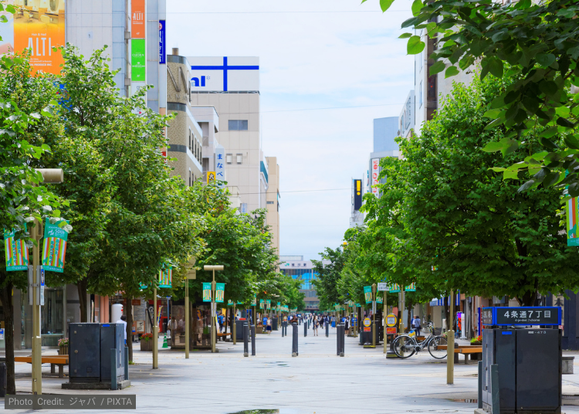
Asahikawa Shopping Guide: Where to Find the Best Souvenirs, Local Food, and Duty-Free Deals
by: ShiroKu inc.
-
Ad
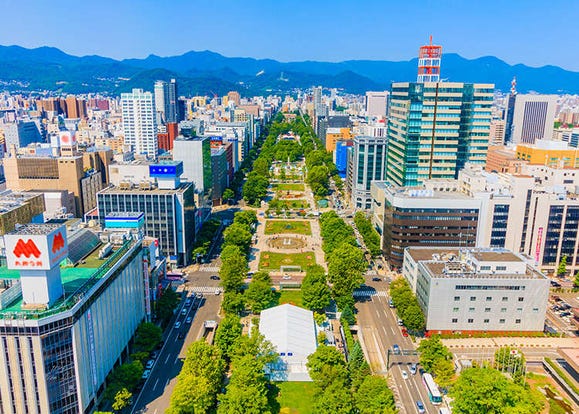
Welcome to Sapporo! Here’s How to Expore the Ciy Like a Local
-
Explore Japan in 7 Days: The Ultimate Local Rail Adventure with the Hokkaido & East Japan Pass
by: Guest Contributor
-
Ad
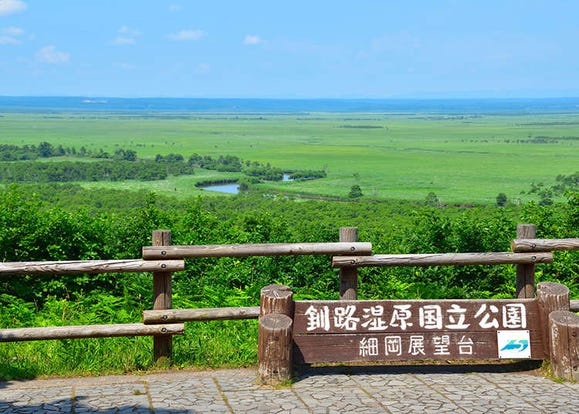
Explore Eastern Hokkaido from Tancho Kushiro Airport: Your Gateway to Grand Nature
-
Summer Driving in Hokkaido: Essential Tips for Travelers Renting a Car
-

Otaru Travel Guide: Inside Hokkaido's Leading Destination (Sightseeing, Food, and Shopping Tips)
-
5 Cool Tomamu Activities: This Area in Japan Takes Snow Fun to a New Level
-
Hokkaido Travel Guide: Everything You Need to Know Before You Go (Transportation, Food, Souvenirs & Hidden Gems)
-

The Otaru Canal Cruise: Enjoy the Sea and Gorgeous Brick Buildings!
-
Noboribetsu Onsen: 5 Best Things to Do in Japan's Famous Hot Springs Town!
- #best sushi hokkaido
- #things to do hokkaido
- #best ramen sapporo
- #what to bring to japan
- #new years in tokyo
- #what to buy in ameyoko
- #japanese nail trends
- #what to do in odaiba
- #onsen tattoo friendly tokyo
- #daiso
- #best sweets otaru
- #japanese fashion culture
- #best nature furano
- #japanese convenience store snacks
- #best japanese soft drinks