




The History of Japanese Cuisine
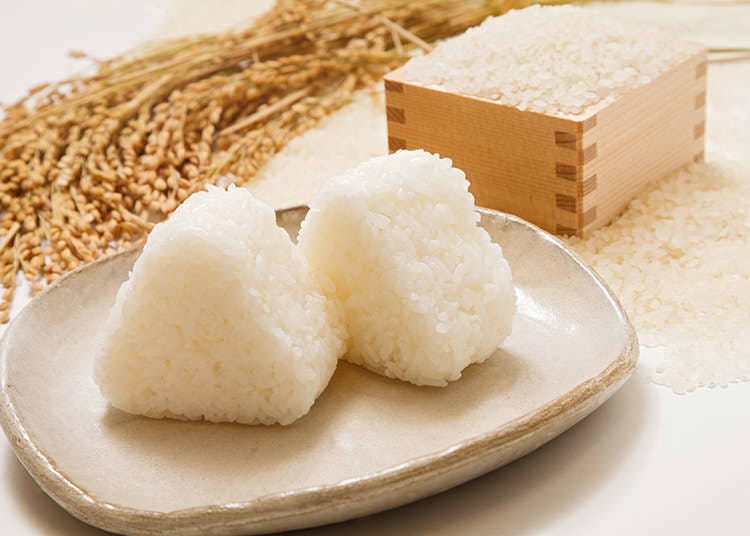
Rice cultivation was already occurring in Japan by the 3rd century B.C., and the people were already finding ways to cook. Through Buddhism, fried food and tea also spread to Japan, and karaage(fried chicken) and fermented items such as natto (fermented soy beans), were being eaten over 1000 years ago. By the Edo period, local food such as the lucky "Edo Cuisine" was developed. The culture of not eating meat changed with the influence of western cultures, and more and more original Japanese dishes were created.
The "One Soup, Three Side Dishes" Custom
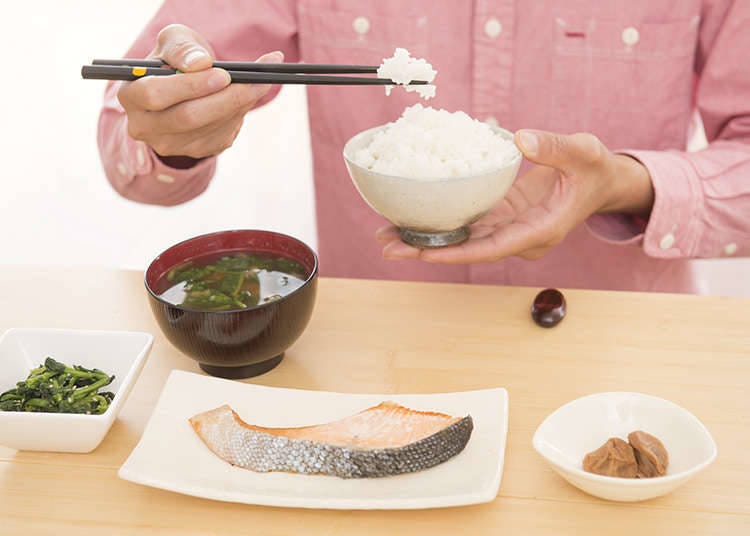
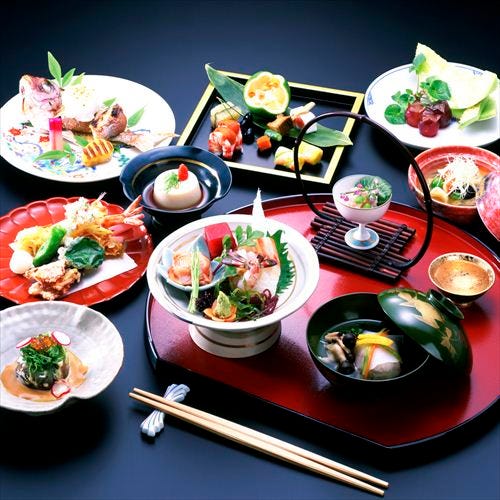
The standard form of Japanese cuisine is a menu that incorporates one soup and three side dishes. This menu is comprised of one soup dish, one main dish, and two side dishes. The main dish is a dish with fish, meat, or eggs. The side dishes mainly include those made from vegetables or beans, such as "tofu". With this system, you can eat a variety of food in just one meal.
Seasonal Foods
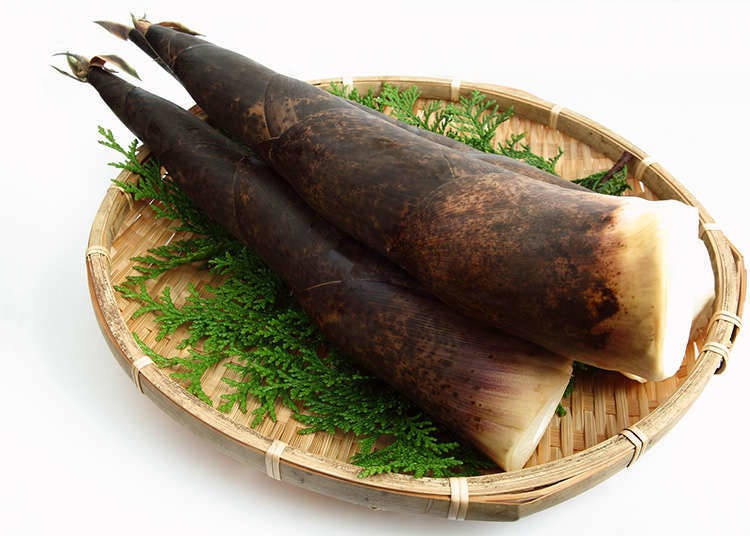
Japanese people have a knack for matching food with each season. Bamboo shoots and Spanish mackerel are best enjoyed in spring. In Summer, cucumbers and sweetfish are recommended. In fall, persimmons and saury are often eaten, and in winter, Chinese cabbage and amberjack are some of the foods that people look forward to.Japanese cuisine is loved for its dishes that bring out the taste of seasonal ingredients.
Multifaceted Cuisine for Every Season and Event
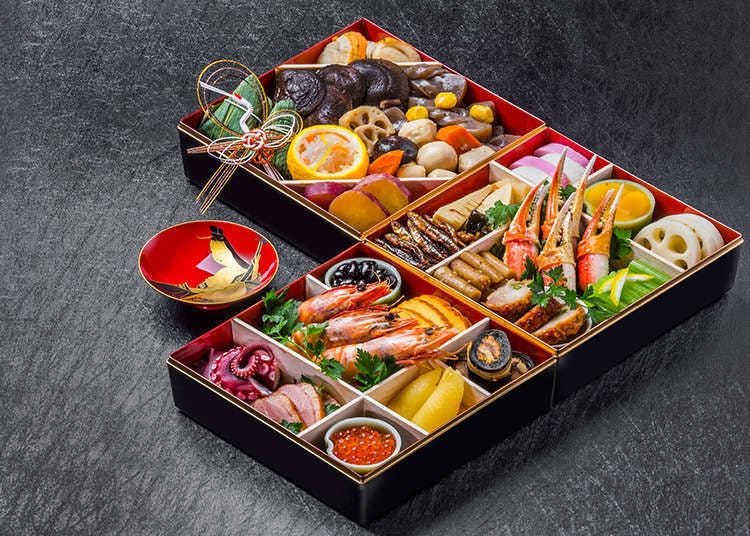
Seasonal and event-related food are very important in Japanese cuisine. On New Year's Day, people eat special New Year's food such as "osechi" (a special New Year's bento) and "ozoni" (a type of soup only eaten over the New Year). There are many other Japanese dishes that go with particular seasons, events, or holidays. For example, on December 21st, the day of winter solstice, people eat Japanese pumpkins to prevent colds. Also, on special occasions, a celebratory "sekihan," red rice made from glutinous rice and red beans, is prepared and eaten.
*Prices and options mentioned are subject to change.
*Unless stated otherwise, all prices include tax.
Popular Tours & Activities
Recommended places for you
-
Goods
Yoshida Gennojo-Roho Kyoto Buddhist Altars
Gift Shops
Nijo Castle, Kyoto Imperial Palace
-
Appealing
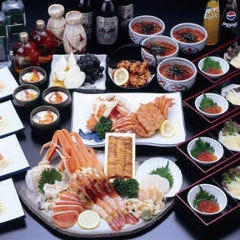
Rukku and Uohei
Izakaya
Sapporo / Chitose
-
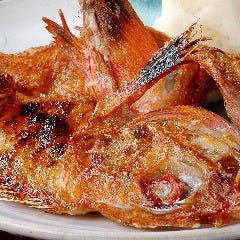
Jiraiya
Other Japanese Food
Sendai And Matsushima
-
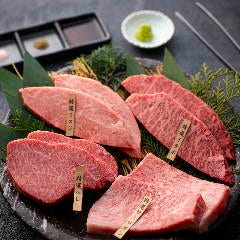
ISHIDAYA Hanare
Yakiniku
Kobe, Sannomiya, Kitano
-
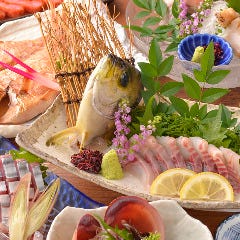
MomotaroUeno
Other Japanese Food
Ueno
-
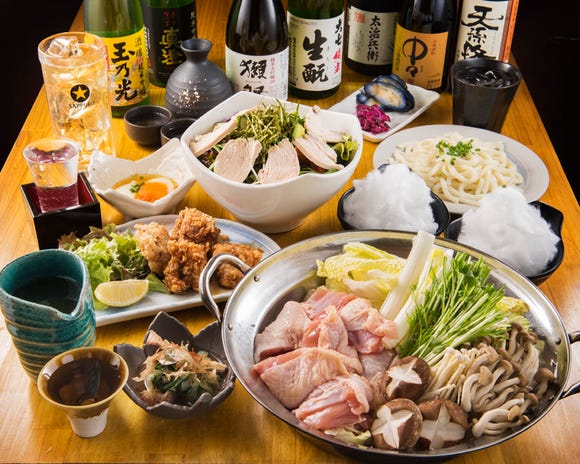
Wasui Yaesuten
Other Japanese Food
Tokyo Station
-

Daikoku Car Meet Guide: How to Visit, Best Times & Rules
-
Ad
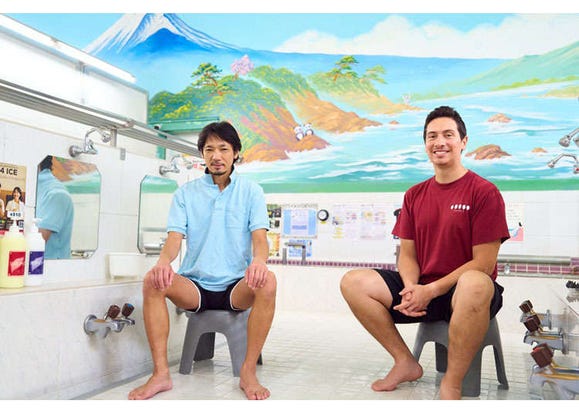
Do’s and Don’ts: The Complete Guide to Sento Baths! Getting the Full Experience In Ueno’s Famous Kotobuki-yu
-
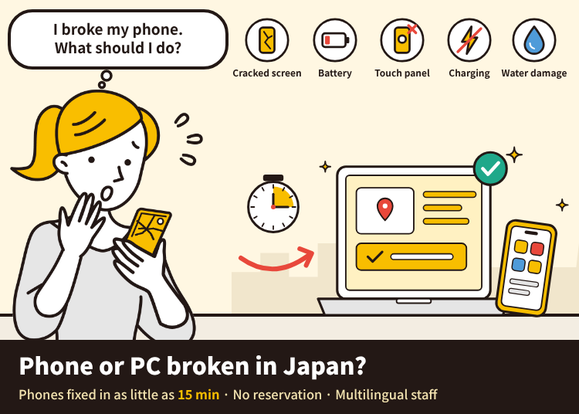
Cracked Phone Screen in Japan? Smahospital Repair Guide: Keep Your Data, Fixed in 15 Min, Multilingual Support | Up to 10,000 Yen Off with LIVE JAPAN Coupon
-
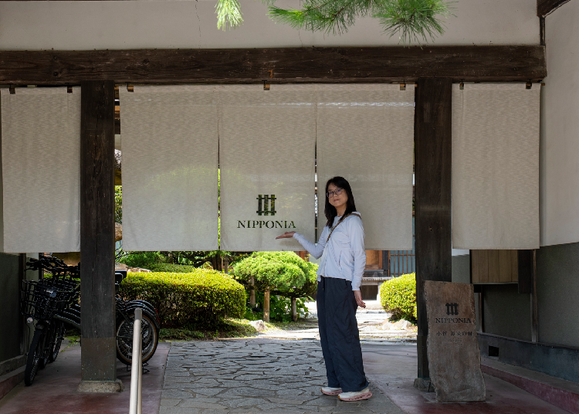
Just 2 Hours from Tokyo! Escape to Yamanashi's NIPPONIA Kosuge, Where an Entire 700-Person Village Becomes Your Hotel
by: Alice Lee
-

Seibu Group Launches New Chichibu Adventure Tourism Experience for International Travelers in 2026
by: Guest Contributor
-
28 Best Things to Do in Odaiba (2026 Updated): Tokyo's Entertainment Island
-
16 Secrets About Mt. Fuji, the Symbol of Japan: Even Japanese People Don’t Know That?!
by: Guest Contributor
-
Matcha: the Preparation of Japan’s Green Tea Powder
-
11 Japanese Regional Food Souvenirs You Have To Try!
-
Tokyo Train & Subway Guide: Navigate the City Like a Pro (JR, Subways, IC Cards & Passes)
-
Tokyo Dining: Pork Cutlets, Beef Cutlets - 3 Places to Enjoy 'Tonkatsu' and 'Gyukatsu' in Shibuya!
-
Kiyomizu-dera Temple: Guide to Visiting Kyoto's Most Famous Sightseeing Spot
- #best sushi japan
- #what to do in odaiba
- #what to bring to japan
- #new years in tokyo
- #best ramen japan
- #what to buy in ameyoko
- #japanese nail trends
- #things to do japan
- #onsen tattoo friendly tokyo
- #daiso
- #best coffee japan
- #best japanese soft drinks
- #best yakiniku japan
- #japanese fashion culture
- #japanese convenience store snacks