




Many Japanese have a the image that Europeans, and Italians in particular, are on the cutting edge of beauty. But how do Italians born and raised in such an environment feel about Japanese beauty? I asked Italians directly to find out their uncensored opinions! (The following is the respondent's personal opinions.)
Japanese mascara is incredibly waterproof!
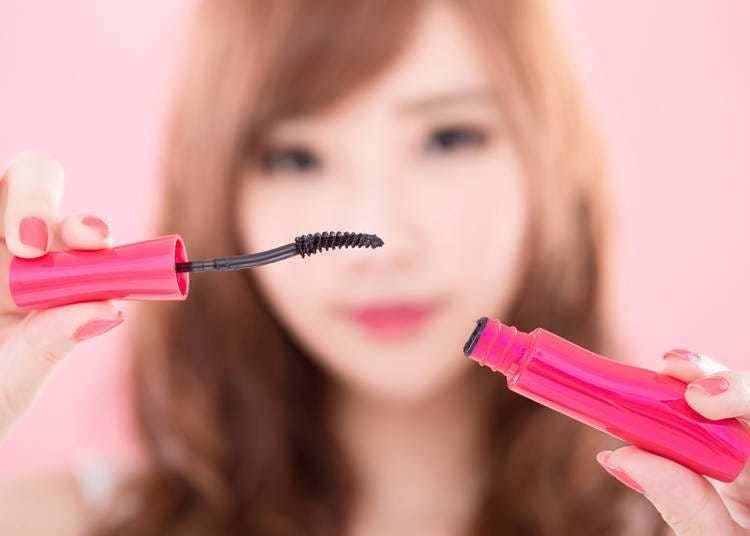
“I feel like Italians tend to be more selective about organic and naturally derived ingredients. In Japan, you often find cosmetics at big drugstore chains, but in Italy there are many small specialty boutiques. Japanese cosmetics are incredible because there are so many options that suit different skin types. And Japanese mascara is amazingly water-resistant, which I love.” (Italian woman)
Japanese cosmetics enjoy a strong global reputation, especially for their quality and safety. Many people who try them while in Japan continue to order their favorites even after returning home. Well-known brands like Shiseido and Kose are widely recognized overseas, and it’s common for travelers to receive shopping lists from friends asking them to pick up certain items.
Visitors to Japan often praise the variety of products available, from makeup brushes and sunscreens to serums and cleansing oils. Mascara, in particular, stands out.
Because Japanese mascara is formulated to withstand the country’s hot and humid summers, its strong water resistance is especially appreciated abroad. Some users even say, “It’s the strongest mascara in the world!” or “It makes my lashes so long, waterproof, and affordable!”
It’s wonderful to see Japanese products so well loved around the world.
I want to know more about how Japanese people deal with dry skin
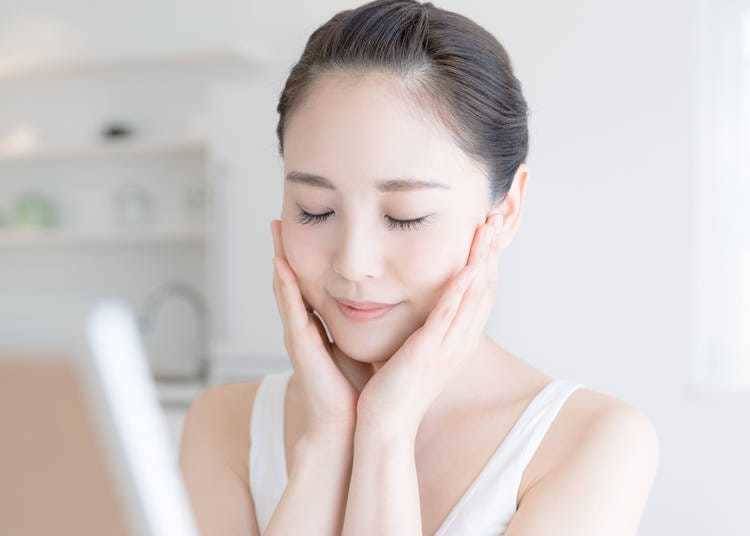
“A lot of Japanese people believe moisturizing is the key to beautiful skin, and many really do have great skin. In Italy, plenty of women care about skincare, but I don’t think we handle dryness as well as the Japanese do. I’d love to learn from their beauty routines.”
In Japan, being highly aware of beauty and skincare often feels like second nature. Many people consider Japan to be one of the most beauty-conscious countries in the world. For instance, it’s common for Japanese women to apply makeup before going out, even for simple errands. Overseas, that level of preparation is much less expected, and going out barefaced feels perfectly normal.
Hair removal is another area where many Japanese devote a lot of attention. While home care is common, more people are also choosing professional treatments or permanent hair removal. In contrast, women in Western countries don’t seem to approach hair removal with quite the same intensity.
From an outsider’s perspective, these habits can sometimes feel surprising. Some foreigners say things like, “I was shocked to see people completely redoing their makeup in the bathroom!” or “I couldn’t believe how often people touched up their makeup, even while walking around or on the train!” It can also seem unusual that young women wear miniskirts as a fashion choice even in the middle of winter.
These reactions highlight how Japanese beauty standards can appear both impressive and a little intense to those seeing them for the first time.
It's great that massages are free in beauty salons!
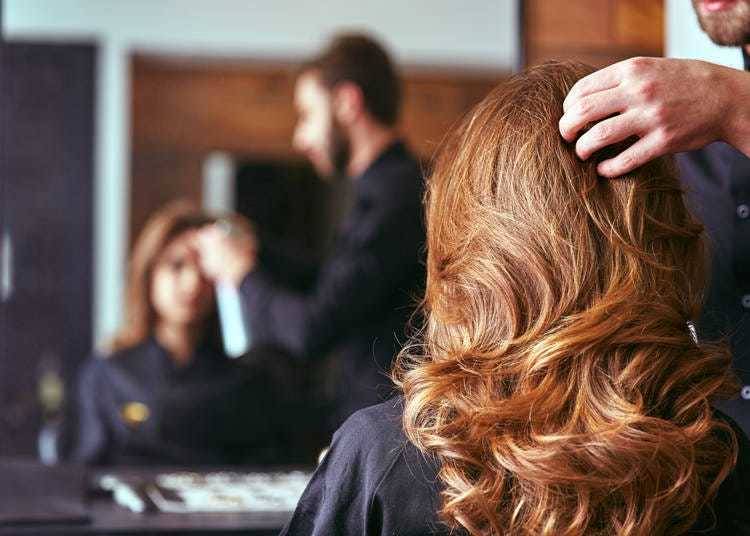
“When I go to a beauty salon in Japan, I love that a five-minute massage is included in the price of a haircut. In Italy, you’d have to pay extra for that. I also enjoy how many salons in Japan serve tea or other drinks. The service feels really thoughtful.” (Italian woman)
Many foreign visitors praise Japanese beauty salons, and one of the biggest surprises is the complimentary massage after shampooing. In some countries this would be a paid add-on, if it exists at all, so the fact that it’s included in Japan genuinely impresses many people.
The Italian woman we interviewed also pointed this out. She was equally amazed by the skill of Japanese stylists. Foreigners who have had their hair cut in Japan often say things like, “I looked like a completely different person afterward!” or “I can’t believe how much a simple haircut changed my whole look.”
One reason may be Japan’s licensing system. You cannot legally cut hair in Japan unless you obtain a hairdresser’s license, a qualification that doesn’t always exist overseas. Because of this, even well-known foreign stylists sometimes miss techniques that Japanese stylists consider standard.
At the same time, some visitors feel a little frustrated because not many stylists in Japan speak English, making it difficult to explain the hairstyle they want. Still, many hairdressers do their best to communicate through gestures, pictures, or simple phrases, and despite the language barrier, countless foreigners still say, “Japanese hair salons are wonderful!”
Italian beauty salons often have a spa
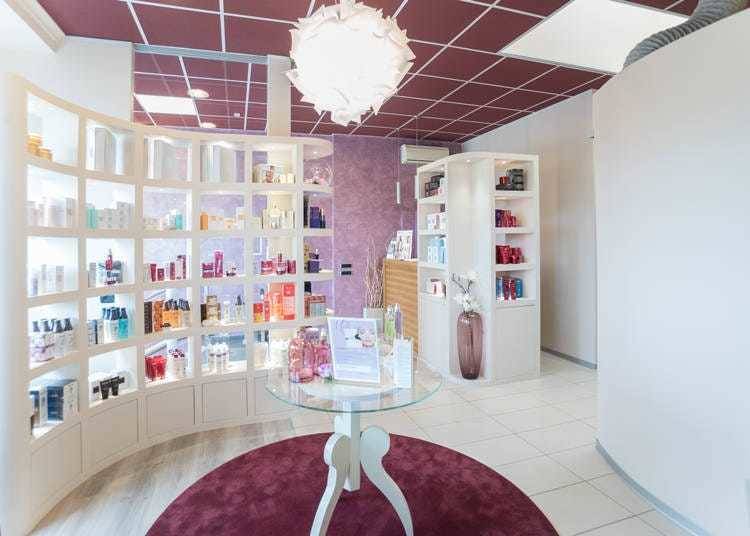
“In Italy, most beauty salons also function as spas and offer massages, aromatherapy, nail services, and face and body treatments. Compared to that, a Japanese beauty salon doesn’t really feel like a full-service beauty spa.” (Italian woman)
Italy is known for its stylish hair culture, so how do Italian salons differ from those in Japan?
According to our Italian respondent, a typical visit in Italy begins with the stylist asking what type of course the customer wants. Then comes shampooing, cutting, coloring, and a second shampoo. Up to this point, the process isn’t all that different from what you might experience in Japan.
Where things begin to diverge is the coloring time. The waiting period can be noticeably longer in Japan. One reason is that the allowable concentration of hair colorants differs by country. Regulations overseas tend not to be as strict as Japan’s, which means stronger color formulas can be used and the overall treatment time becomes shorter.
Some people might feel that foreign salons are “better” because these stronger agents produce faster results. But stronger chemicals also place more stress on the hair, so quicker isn’t necessarily better.
Another key point is pricing. It’s important to know which products are being used and what is included in the course you choose. Before committing, check whether shampoos, treatments, or hair oils are extra. Understanding the breakdown ahead of time helps avoid any surprises when you pay.
It was interesting to hear about differences among Japanese and foreign women with respect to cosmetics, beauty consciousness, and the differences between beauty salons in Japan and Italy. I'm curious to hear more about the wonderful points of Italy that are not yet found in Japanese salons!
*Prices and options mentioned are subject to change.
*Unless stated otherwise, all prices include tax.
Popular Tours & Activitiess
Recommended places for you
-
Appealing
Rukku and Uohei
Izakaya
Sapporo / Chitose
-
Kambei Sannomiyahonten
Yakiniku
Kobe, Sannomiya, Kitano
-
ISHIDAYA Hanare
Yakiniku
Kobe, Sannomiya, Kitano
-
Goods
Yoshida Gennojo-Roho Kyoto Buddhist Altars
Gift Shops
Nijo Castle, Kyoto Imperial Palace
-
Kanzenkoshitsuyakinikutabehodai Gyugyu Paradise Sannomiya
Yakiniku
Kobe, Sannomiya, Kitano
-
Jukuseiniku-to Namamottsuarera Nikubaru Italian Nikutaria Sannomiya
Izakaya
Kobe, Sannomiya, Kitano
-

A Travel Game Changer! Go Hands-Free Between Tokyo and Kyoto with LUGGAGE EXPRESS by JTB and JR Tokai
by: Guest Contributor
-

LaLaport TOKYO-BAY North Building Now Open: Shop, Dine & Enjoy Events at LaLa arena, Just 2 Stops from Disney
by: Wemmy Chau
-
Don't Miss Out! The One Thing You Must Do Before Shopping at Mitsui Shopping Park LaLaport: Get Your Max 10% OFF Coupon Book
-
2025 Autumn Colors Report: Kurobe Gorge Nearing Peak
by: Timothy Sullivan
-

Black Friday 2025: These Are THE Japan Travel & Shopping Deals to Check Out
-

New Seibu L00 Series Launching in 2026! What to See Along the Tokyo-Area Golden Route
by: Guest Contributor
-
5 Amazing Kyoto Festivals You’ll Want to Experience During Your Next Trip
-
5 Items Available Only at Ameyoko
-

'It Might Look Tasty But...' The Weird Ways Japanese Sweets Surprised Foreigners
-
Visiting Tsutenkaku Tower: Osaka's Retro Icon in the Heart of Shinsekai
by: Guest Contributor
-

'Is This Really Italian?!' Crazy Things About Japanese Food That Shocked an Italian Traveler
-

'Japanese People Are so Different at Rush Hour!' 8 Things That Shocked Foreign Visitors
- #best sushi japan
- #what to do in odaiba
- #what to bring to japan
- #new years in tokyo
- #best ramen japan
- #what to buy in ameyoko
- #japanese nail trends
- #things to do japan
- #onsen tattoo friendly tokyo
- #daiso
- #best coffee japan
- #best japanese soft drinks
- #best yakiniku japan
- #japanese fashion culture
- #japanese convenience store snacks