








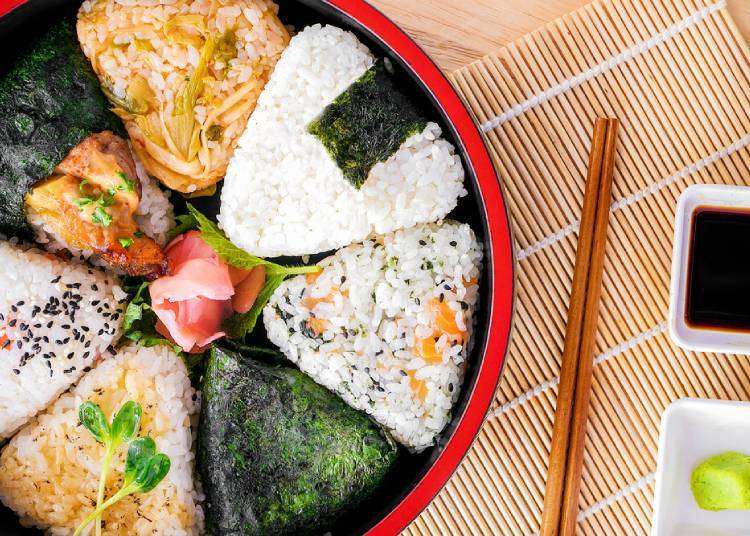
You’ve seen them in anime and lined up on convenience store shelves: onigiri, Japan’s much-loved rice balls. But did you know their shape and seaweed wrapping can vary by region?
Kanto, home to Tokyo, and Kansai, home to Osaka and Kyoto, offer some delicious examples. From seasoned nori to surprisingly different noodle names, here’s a closer look at the small food traditions that make traveling around Japan so interesting.
Onigiri in Kanto and Kansai

To explore regional differences in onigiri, tea and nori company Yamamotoyama surveyed members of its online shop in September 2018. The results offer a glimpse of these customers’ preferences, rather than a rule for everyone in each region.
Survey Details
Method: Online survey
Participants: Yamamotoyama online shop members, with 167 responses
Dates: September 19–24, 2018
How Big Is the Nori Wrapping?
Nori Sheet Sizes Used for Onigiri
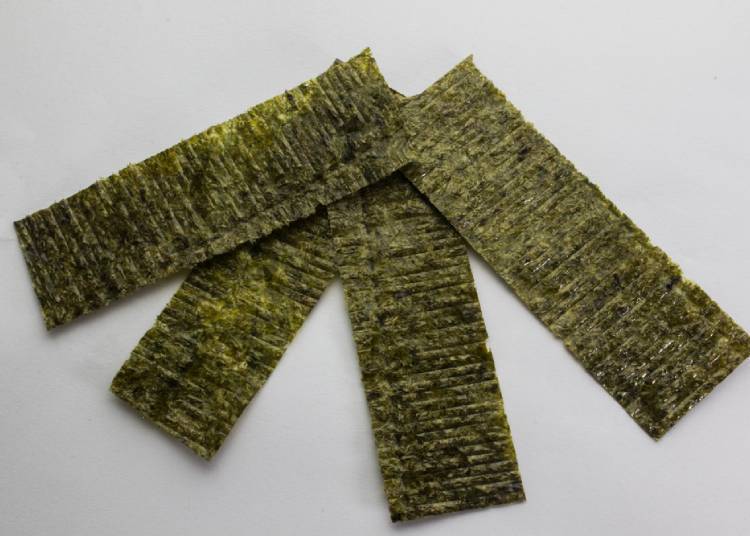
Among Kansai respondents, nori cut into eighths was the most popular choice at 35%. Halves followed at 28%, then thirds at 14%, sixths at 10%, quarters at 8%, and whole sheets at 5%.
One respondent from Kansai said they always made onigiri with nori cut into eighths. These small strips give the rice ball a very different look from one wrapped in a large sheet.
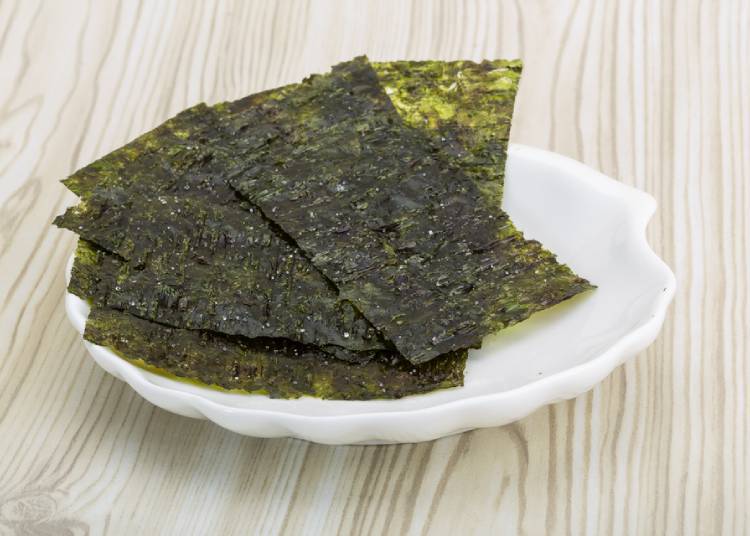
Among Kanto respondents, halves led at 34%, followed by thirds at 25%, eighths at 15%, quarters at 11%, whole sheets at 10%, sixths at 3%, and other sizes at 2%.
One respondent described wrapping onigiri in half a sheet of nori as though dressing it in hakama, the pleated garment worn with traditional Japanese clothing.
Seasoned or Plain Roasted Nori?
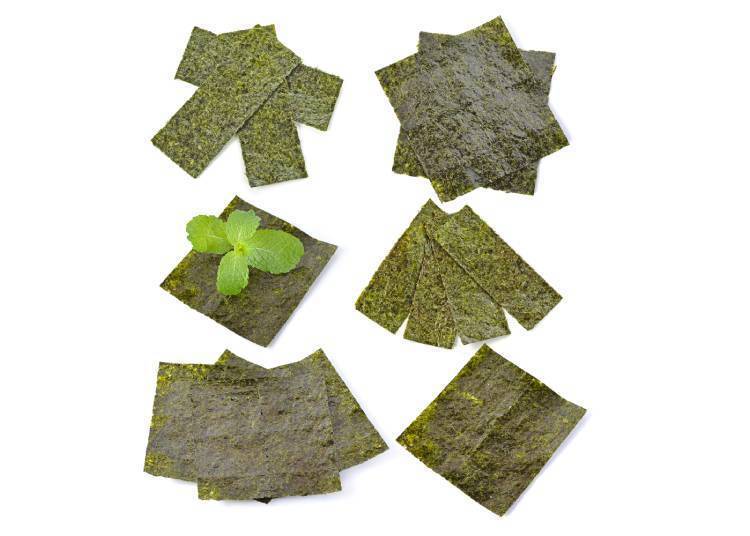
Kansai respondents: 62% chose seasoned nori, flavored with ingredients such as soy sauce, salt, and sugar; 38% chose plain roasted nori.
Kanto respondents: 91% chose plain roasted nori, while 9% chose seasoned nori.
In this survey, the contrast was clear: seasoned nori was the favorite in Kansai, while plain roasted nori dominated in Kanto.
What Shape Is Your Onigiri?
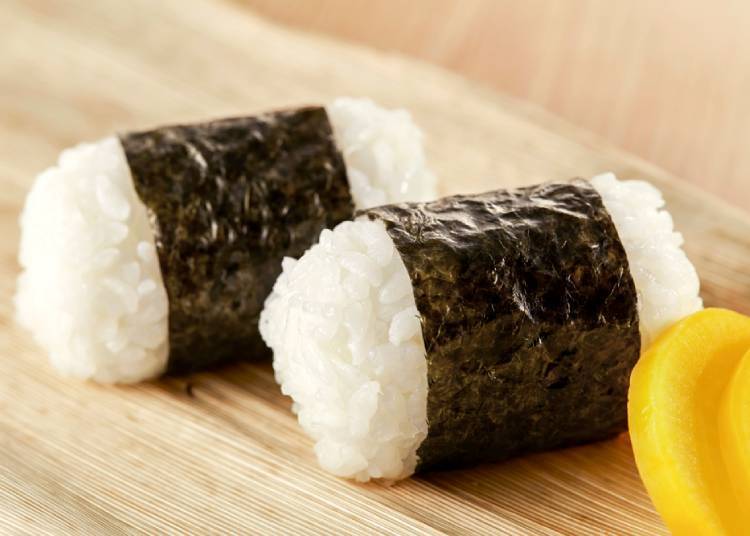
Among Kansai respondents, oval or rice-bale-shaped onigiri led at 57%, followed by triangles at 37%, flat rounds at 3%, and balls at 3%. No respondents selected other shapes.
Among Kanto respondents, triangles were the favorite at 68%, followed by flat rounds at 14%, oval shapes at 9%, balls at 8%, and other shapes at 1%.
Respondents shared comments such as:
・“I was surprised to find triangular onigiri when I came to Kanto!”
・“I’m from Tohoku, but my grandmother used to make oval rice balls when I was little.”
・“I always use nori cut into eighths.”
・“I’ve eaten onigiri with seasoned nori since childhood. I can’t imagine anything else.”
・“I was surprised that convenience store onigiri in Kansai used seasoned nori!”
Even Inari Sushi Comes in Different Shapes
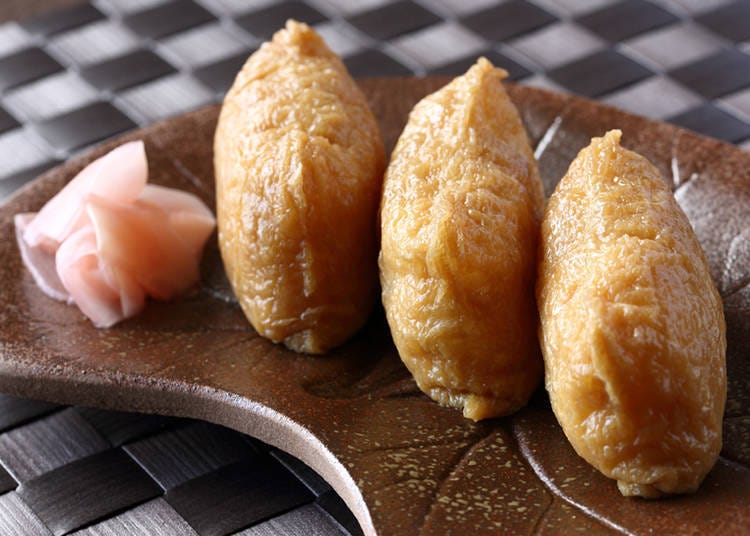
In Kanto, inari sushi is often rectangular. These little parcels are made by filling pockets of sweet-savory simmered fried tofu with sushi rice.
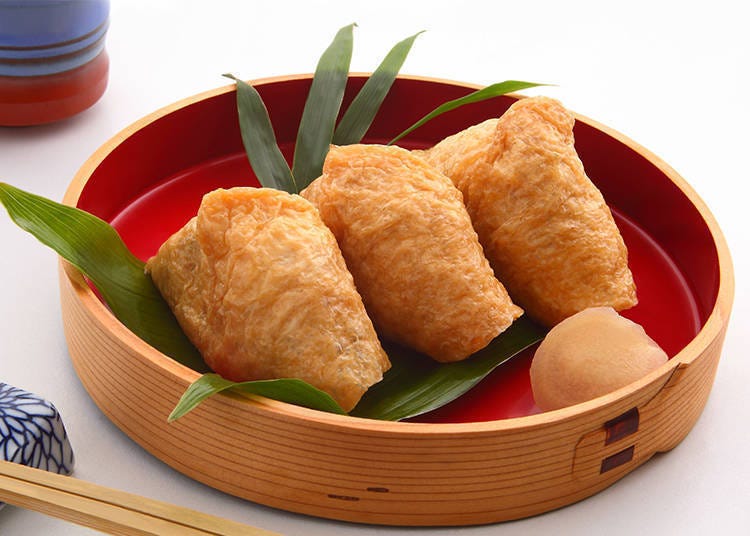
In Kansai, you’ll also find triangular inari sushi. Even this familiar snack can reveal a local twist!
More Regional Food Differences to Look For
Kitsune and Tanuki: Noodle Names That Change by Region
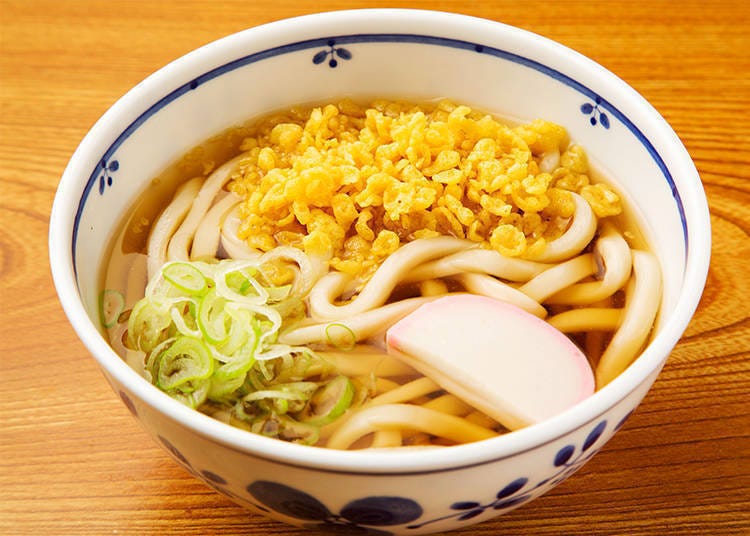
Kanto-style tanuki udon is topped with crispy bits of tempura batter. But order “tanuki” in another part of Japan and you may get something quite different.
Kanto, centered on Tokyo, is often associated with soba, while Kansai is particularly well known for udon. In Edo, today’s Tokyo, soba was a popular everyday meal at street stalls. Ukiyo-e prints capture this lively food culture, including nihachi soba, made with a ratio of eight parts buckwheat flour to two parts wheat flour. These are regional associations, of course, not limits on what you can eat today.
The names kitsune and tanuki are where things get especially interesting. Kitsune usually signals fried tofu, but tanuki does not mean the same topping everywhere. Here’s a useful guide:
Kanto, Including Tokyo
・Kitsune udon or soba: Noodles topped with sweet-savory fried tofu.
・Tanuki udon or soba: Noodles topped with tenkasu, the crisp bits of batter left from frying tempura.
Osaka
・Kitsune: Usually udon with sweet-savory fried tofu.
・Tanuki: Usually soba with the same fried tofu topping, rather than tempura bits.
Kyoto
・Kitsune: Often features sliced fried tofu.
・Tanuki: Commonly udon with fried tofu and a thickened ankake sauce.
Ankake is a sauce thickened with starch. Because the names vary by area and shop, check the menu description rather than assuming “tanuki” means the Tokyo-style topping everywhere.
Okonomiyaki and Monjayaki: A Side of Rice in Osaka?
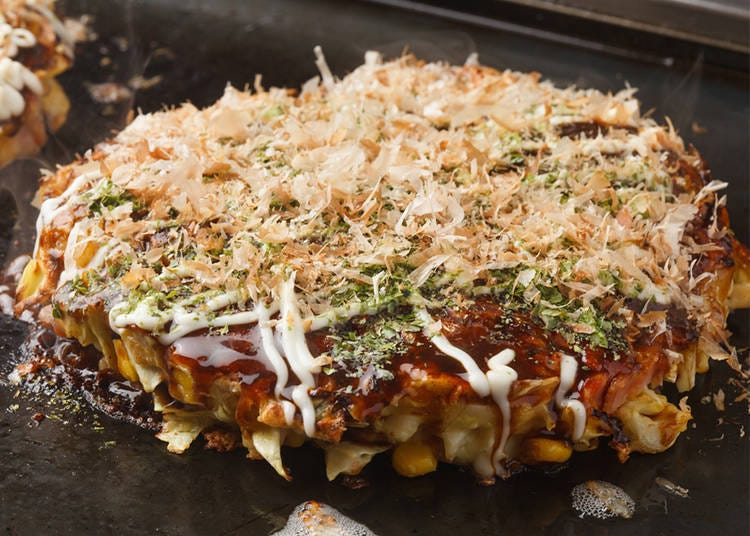
Okonomiyaki is a savory griddle-cooked dish made with batter and ingredients such as vegetables, meat, or seafood, finished with sauce. You can find it around Japan, but Osaka’s okonomiyaki set meal can surprise visitors from elsewhere in the country.
The surprise is the rice served alongside it. In a food culture where steamed rice is often the center of a meal, with soup and side dishes, treating okonomiyaki as a side can feel unusual. After all, both rice and the pancake-like dish provide a generous serving of carbohydrates. For some diners, though, that combination is part of its appeal!
For a Tokyo Favorite, Try Monjayaki
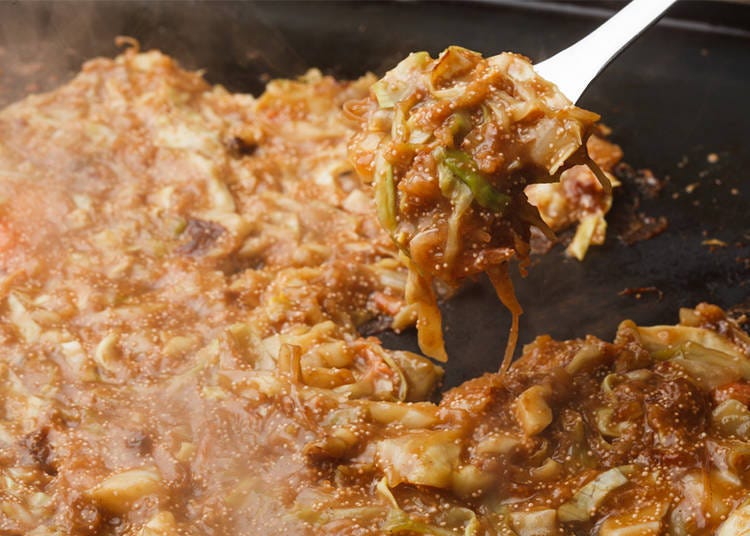
Monjayaki is a Kanto favorite made by cooking a loose flour-based batter with assorted ingredients on a hot griddle. It’s loved for its savory aroma and soft, sticky texture.
Near Tokyo Metro’s Tsukishima Station, you’ll find Monja Street, lined with restaurants specializing in the dish.
Part of the fun is how you eat it. Instead of chopsticks, use the small, flat spatula provided to scoop up portions from the griddle.
Related Articles
*Prices and options mentioned are subject to change.
*Unless stated otherwise, all prices include tax.
Popular Tours & Activities
Recommended places for you
-

Jukuseiniku-to Namamottsuarera Nikubaru Italian Nikutaria Sannomiya
Izakaya
Kobe, Sannomiya, Kitano
-

Sado Gold Mine
Winter
Niigata And Sado
-
Goods
Yoshida Gennojo-Roho Kyoto Buddhist Altars
Gift Shops
Nijo Castle, Kyoto Imperial Palace
-

Shinjuku Gyoen National Garden
Gardens
Shinjuku
-
Appealing

Rukku and Uohei
Izakaya
Sapporo / Chitose
-

ISHIDAYA Hanare
Yakiniku
Kobe, Sannomiya, Kitano
-
5 Japanese Craft Shops in Shinjuku: From Walls of Kokeshi Dolls to Artisan Teapots
-
[Starting Spring 2027] Japan's Railways Evolve Further! Why Tickets Are Changing to "QR Tickets" and a Riding Guide for Foreign Visitors
by: Guest Contributor
-
(Japan Travel Etiquette) Eyes Up! Why You Shouldn't Walk and Scroll in Japanese Train Stations
by: Guest Contributor
-
Yamada Denki Tax Refunds: Zero-Yen Refund Fee
-
Cracked Phone Screen in Japan? Smahospital Repair Guide: Keep Your Data, Fixed in 15 Min, Multilingual Support | Up to 10,000 Yen Off with LIVE JAPAN Coupon
-
5 Shinjuku Stationery Shops: Art Supplies, Suica Penguin Gifts, and More
-

Iconic Neighborhoods and More: Inside Tokyo's Top 10 Shopping Streets
-

Top 5 Things to Do in Hokkaido's Biei and Furano Area: Shirogane Blue Pond, Lavender Fields, And More!
-

5 Popular Shops and Gift Ideas Along Arashiyama Shopping Street
-

Kichijoji – Explore Tokyo’s Top-Rated Stylish Suburb in Half a Day!
-

Three Great Photo Spots in Asakusa and Ueno
-
Japan's New Hot Spring Hotel Lets You 'Sleep Like a Sea Lion' Before Feasting on Tuna and Crab
- #best sushi japan
- #what to do in odaiba
- #what to bring to japan
- #new years in tokyo
- #best ramen japan
- #what to buy in ameyoko
- #japanese nail trends
- #things to do japan
- #onsen tattoo friendly tokyo
- #daiso
- #best coffee japan
- #best japanese soft drinks
- #best yakiniku japan
- #japanese fashion culture
- #japanese convenience store snacks