




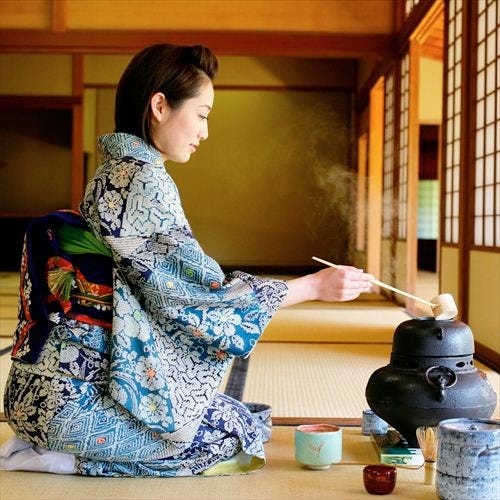

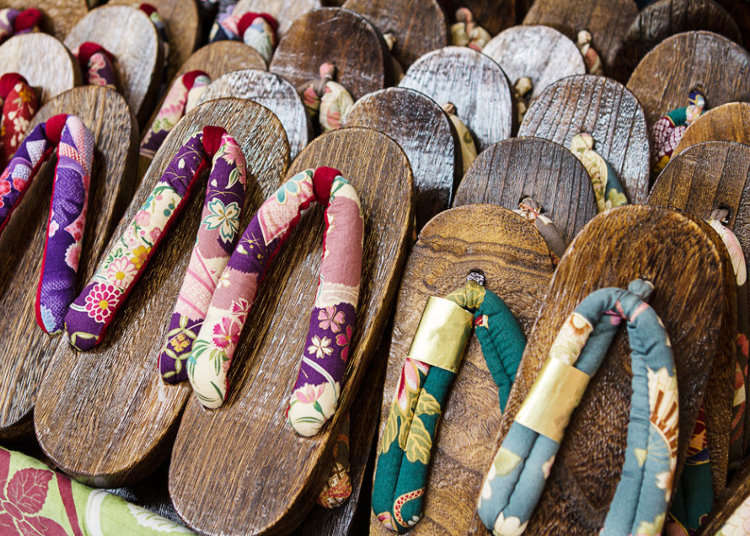
There's a lot to admire about traditional Japanese clothing: exquisite kimono, colorful yukata, boldly designed happi, and simple, but dignified hakama are all celebrated garments originating from Japan. However there is one area of classic Japanese fashion that sometimes goes overlooked: traditional footwear!
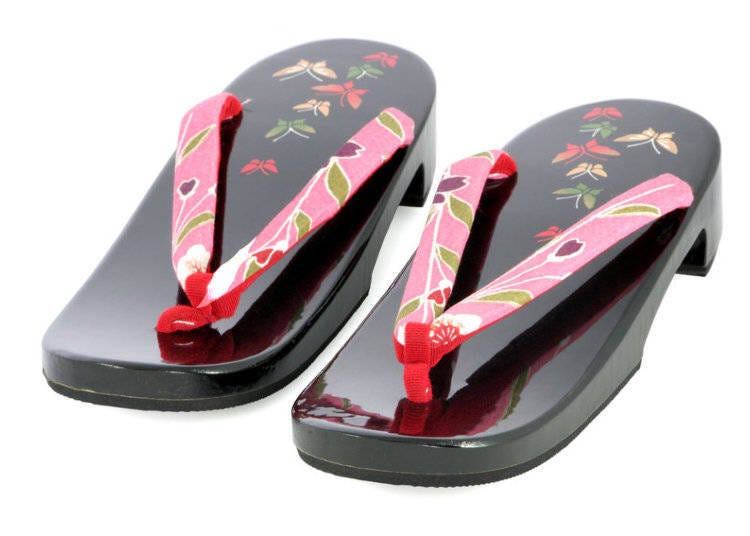
Where would any of us be if not for the shoes on our feet? Aside from serving a functional purpose, however, these traditional sandals and shoes can also be appreciated for unique aesthetic qualities that are considerably different from shoes outside Japan. Let's examine some traditional Japanese footwear!
Geta
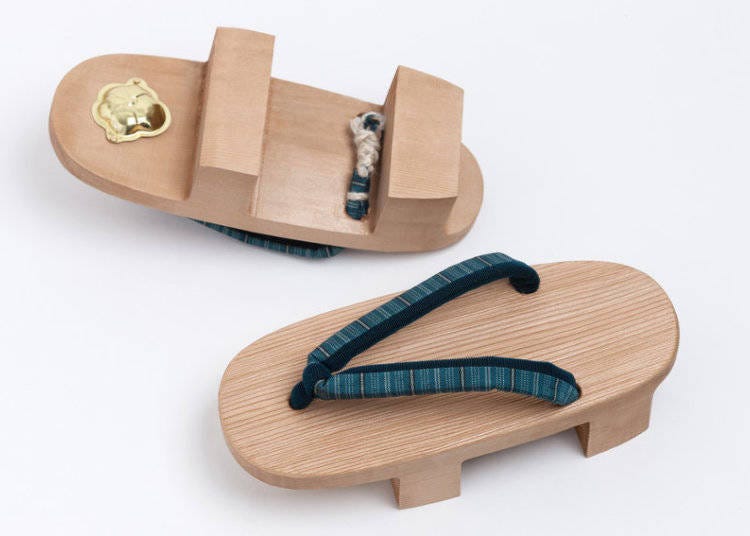
Geta are one of the most common traditional footwear you can find in Japan, easily spotted after hearing their distinctive ’karan-koron’ clacking sound.
Geta can be described as a kind of wooden sandal. A strong but soft fabric strap called ‘hanao’ is attached, securing them snugly to one's feet. Typical geta consist of a flat board-like piece called a ‘dai’ and two support pieces called the ‘ha’ (meaning ‘teeth’). Geta are most often worn with yukata, although you can occasionally see them paired with casual clothes such as jeans or shorts during the summertime.
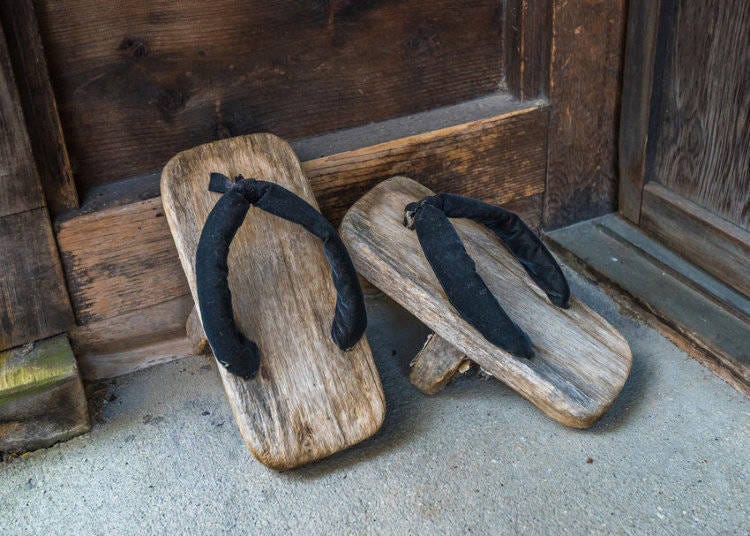
Although most geta consist of two dai, if you are lucky you can sometimes see dedicated geta-wearers walking in ‘ipponba,’ which are geta perched on a single tooth! More recently, designers have experimented with non traditional geta, featuring modern patterns and interesting accessories attached. There has even been a recent line that has animal footprints on the bottom instead of the traditional ‘ha’!
Zori
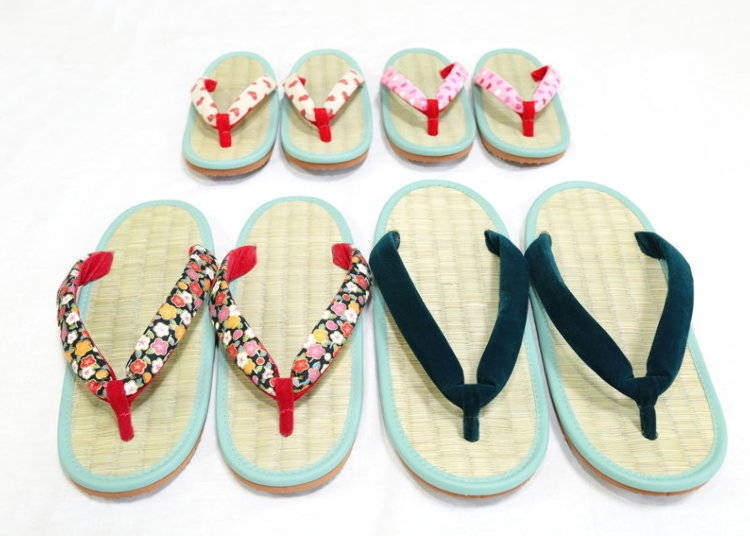
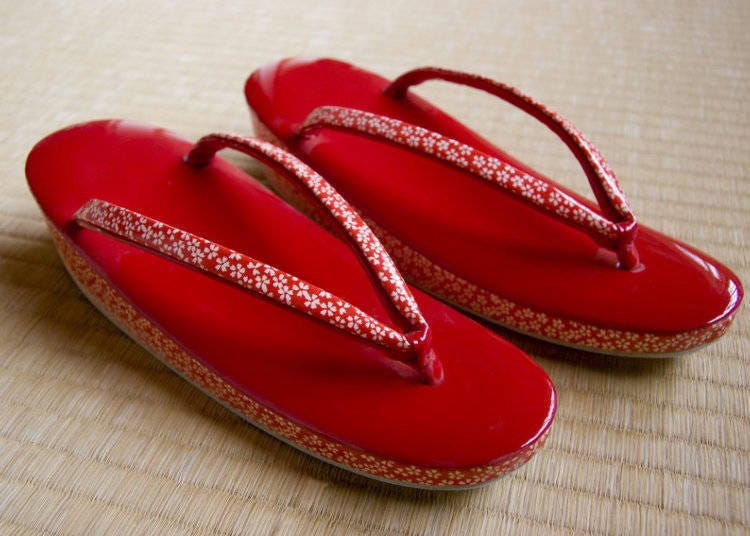
Zori are another type of Japanese sandal. The most common traditional zori are made from straw known as ‘tatami,’ however, cloth, lacquered wood, and leather can also be used. In recent years they have been made with synthetic materials as well. As there are several variations, zori can be worn with a range of clothing, from the casual loose-fitting jinbei to formal kimono.
Okobo
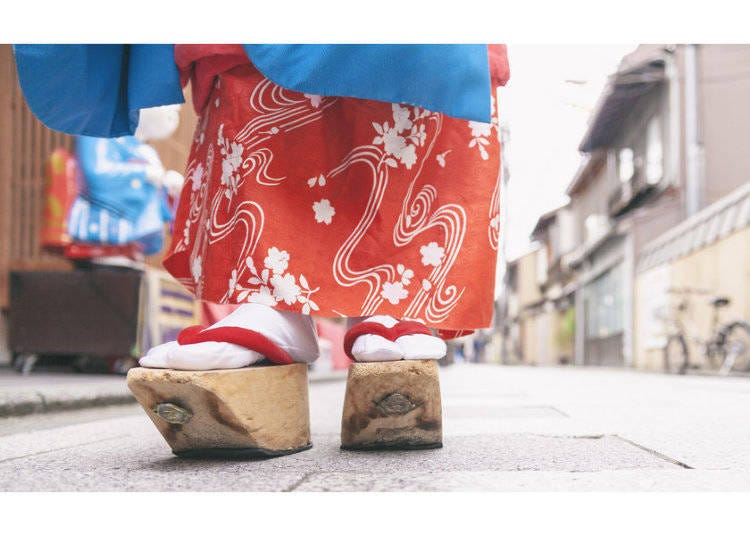
Okobo are a type of tall, willow-wood geta traditionally worn by maiko. The okobo worn by maiko are typically non-lacquered, except during the summer when they may switch to a black lacquered style. The colors of the straps signify the rank of maiko: red is worn by novices, while yellow is reserved for more experienced maiko.
Tabi / Jika-tabi
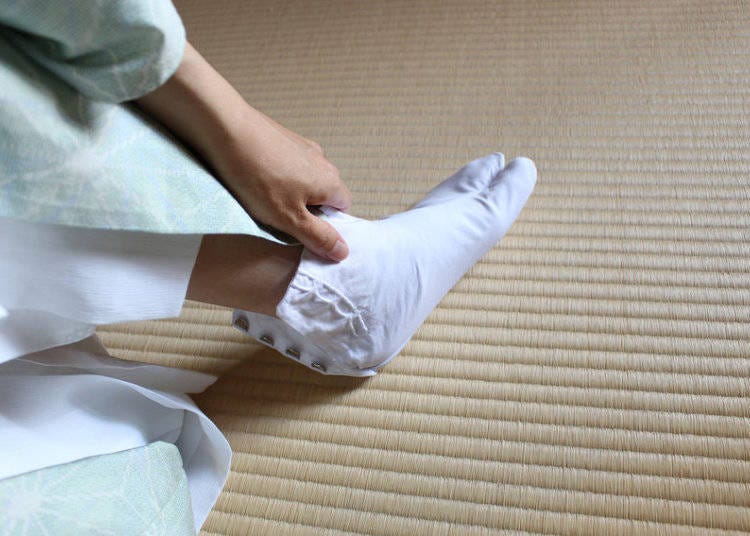
These two types of footwear go hand-in-hand (or rather, toe in toe).
Tabi are the traditional white socks worn with formal clothing, such as kimono. Unlike other socks, tabi are distinguished by the separation between the big toe and the others, allowing for use with geta or okobo.
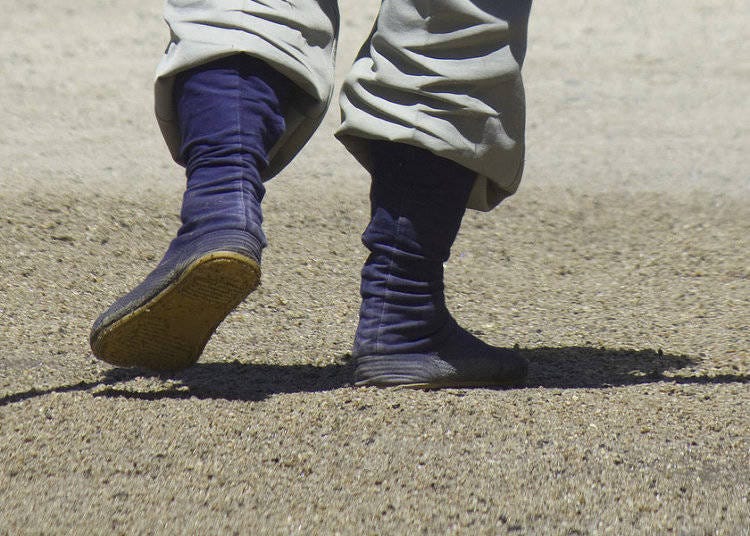
Jika-tabi, while retaining the same shape as tabi, function as a kind of shoe or boot. (The actual word means 'tabi that touch the ground'.) Jika-tabi, invented in the 20th century, are made of rugged materials such as rubber. The shoes are often worn by farmers, construction workers, rickshaw-pullers, or gardeners.
Waraji
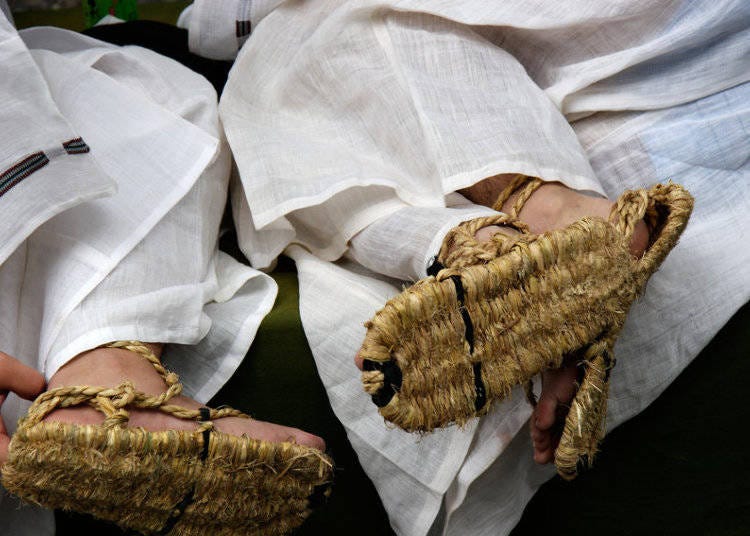
Waraji are arguably the simplest footwear on our list. These straw-rope sandals were the basic everyday footwear of old Japan. In the feudal era, samurai, as well as soldiers called ‘ashigaru,’ were known to have worn this type of shoe. In modern times, waraji are still worn by Buddhist monks.
Rice straw is the traditional waraji material, although the sandals can also be constructed from hemp, cotton, or palm. Waraji meant are to be worn with toes slightly overhanging the front.
Which of these traditional Japanese footwear is your favorite?
*Prices and options mentioned are subject to change.
*Unless stated otherwise, all prices include tax.
Popular Tours & Activities
Recommended places for you
-
Jukuseiniku-to Namamottsuarera Nikubaru Italian Nikutaria Sannomiya
Izakaya
Kobe, Sannomiya, Kitano
-

Baeren Brewery Co., Ltd.
Other Sightseeing
Morioka, Hiraizumi And Hachimantai
-
Appealing
Rukku and Uohei
Izakaya
Sapporo / Chitose
-
Goods
Yoshida Gennojo-Roho Kyoto Buddhist Altars
Gift Shops
Nijo Castle, Kyoto Imperial Palace
-
Ameyoko Shopping Street
Old Towns (Shitamachi)
Ueno
-
ISHIDAYA Hanare
Yakiniku
Kobe, Sannomiya, Kitano
-

Daikoku PA Car Meet: What Is JDM, and Why Do Enthusiasts Flock Here?
-

Start Your Japan Trip Luggage-Free with SAGAWA’s New Narita Airport (NRT) Service
by: Guest Contributor
-
No Walking on Japan's Escalators in 2026? New Manners & How to Ride for Tourists
by: Guest Contributor
-
Fukuoka: 10 Recommended Apartment Hotels for Comfortable Stays in Hakata, Tenjin, and Beyond
by: Yotsuka Hizuki
-
Top 10 Premium Hot Spring Resorts Near Tokyo: Luxury Ryokan & Ocean-View Stays from 30,000 Yen
-
Ride the Rails, Catch Pokémon: JR East’s Huge Stamp Rally Takes Over Tokyo This Summer
by: Guest Contributor
-
4 Easiest Ways From Narita Airport to Shinjuku: Best Transport Options Compared
-

Fun Things to See and Do at Hokkaido's New Chitose Airport Domestic Terminal
-
Japanese Foods List: 16 Crazy Tasty Japanese Tohoku Region Dishes You've Never Heard of
by: Guest Contributor
-
Japan Travel Guide: The Top 10 Cities You Have to Visit! Where Should You Go in Japan?
-
10 Tasty Kyoto Sweets to Snack On While in Town!
-
Ippudo Osaka and More: These 5 Ramen Restaurants in Osaka Are Going Viral
by: WESTPLAN
- #best sushi japan
- #what to do in odaiba
- #what to bring to japan
- #new years in tokyo
- #best ramen japan
- #what to buy in ameyoko
- #japanese nail trends
- #things to do japan
- #onsen tattoo friendly tokyo
- #daiso
- #best coffee japan
- #best japanese soft drinks
- #best yakiniku japan
- #japanese fashion culture
- #japanese convenience store snacks