




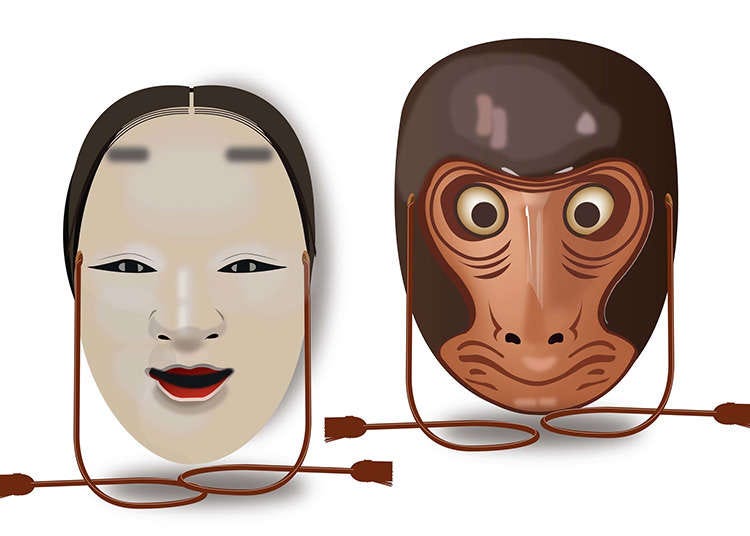
Nohgaku or Noh Theater, is a traditional Japanese public form of entertainment which includes the performing art known as noh, and kyogen (the comic theater that occurs during the interlude). It has been registered by UNESCO as an Intangible Cultural Heritage. The dances and stories performed by the actors on stage and the music played aren't the only points. Nohgaku also displays a unique sense of Japan.
The History of Nohgaku
Nohgaku's origin can be traced back to the Nara period in the 700s, when sangaku was introduced in Japan from China. Sangaku, which employs comical performances and acrobatics, as well as mimicry, was a popular entertainment in temples and shrines and had spread among the masses. Nowadays, nohgaku is well-received even abroad and can still be enjoyed all over Japan as public entertainment and as a Shinto ritual.
Noh Actors
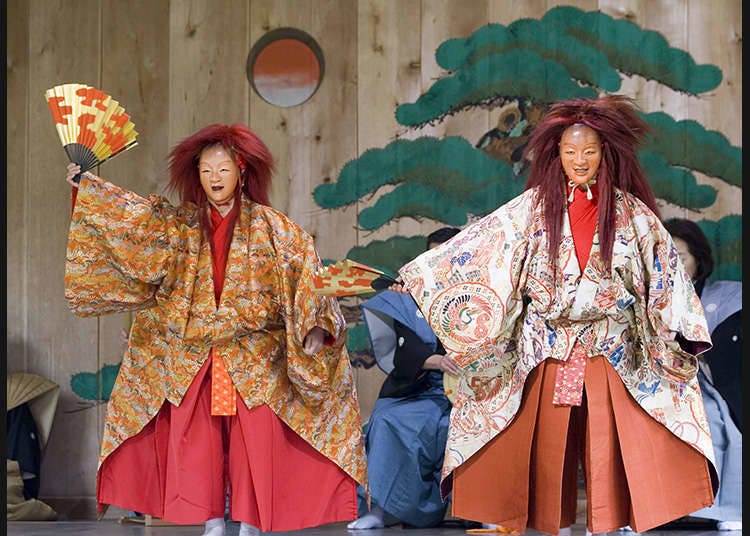
The protagonist in nohgaku is called "shi-te". Aside from taking the role of a human, the shi-te can also be a god, a warrior's ghost, a woman's ghost, a madwoman, a tengu (a supernatural mountain spirit with red skin and a long nose), or a dragon god, among a wide variety of roles. The counterpart of the shi-te is called “waki,” a role that is indispensable in most performances.
The Music of Noh
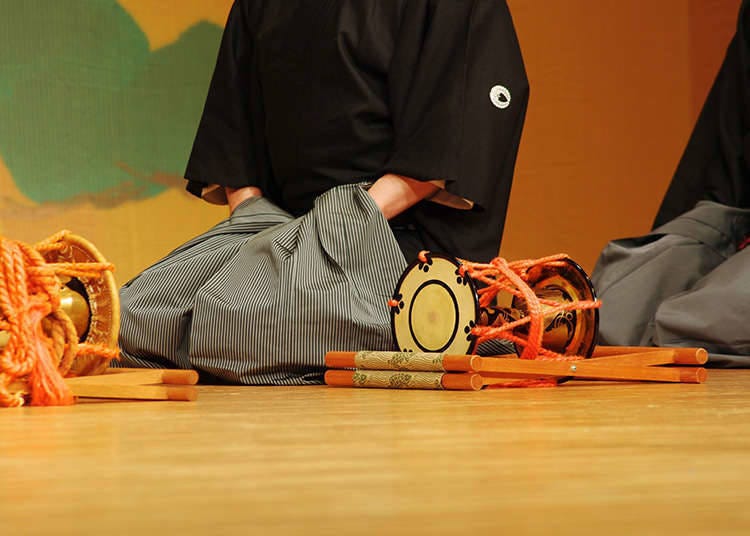
On the stage, aside from the performance of noh actors, musical accompaniment that matches the scene is also essential. An important factor is the instruments they use, such as a transverse flute called nohkan, kotsuzumi (shoulder-drum), otsuzumi (hip drum) and taiko (stick-drum) as well as the voice of the percussionists making sounds like "yo," and "ho," as they hit percussion instruments, such as taiko, and liven up the stage.
The Noh Stage
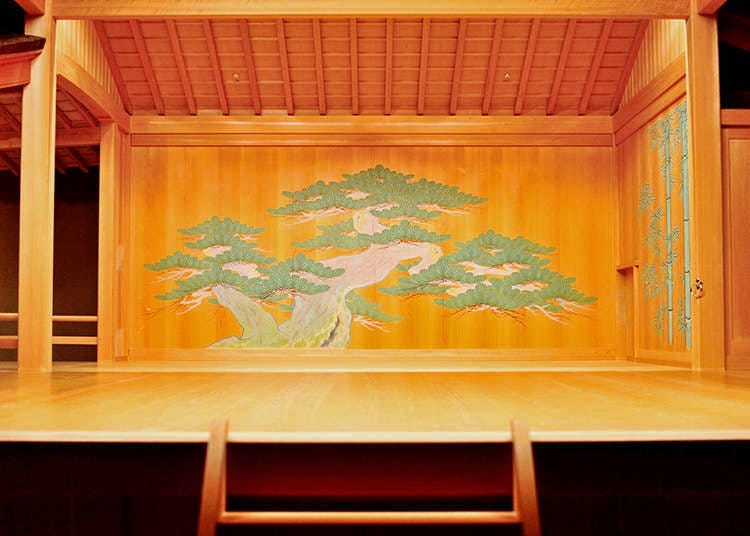
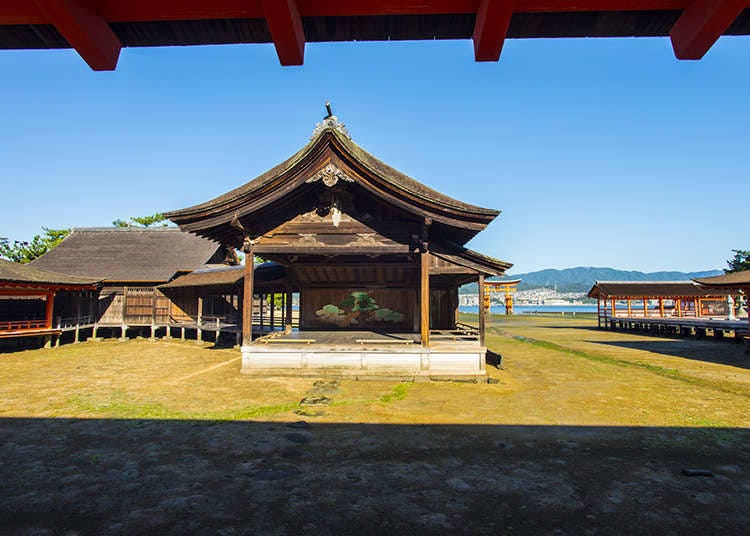
The noh stage is made from Japanese cypress. Among these, two of the most popular places for noh are the National Nohgaku Theater, which is a public theater and the nohgaku theater built on top of the sea at the World Heritage Site, Itsukushima Shrine.
Points to Attending the Theater
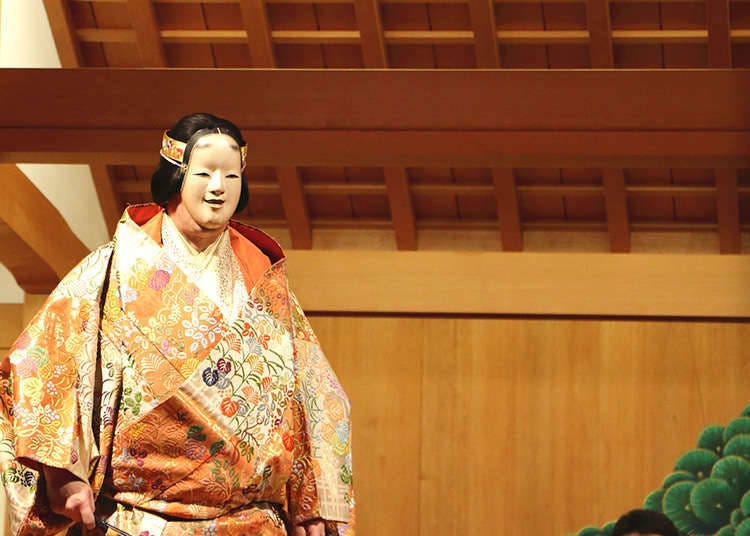
Before going to the theater, many audience members buy the written shisho (poetry and prose) at the theater shop in order to further enjoy nohgaku. The flow of the story is thoroughly written on the shisho, which is the program's script, as well as the position of the characters, their emotions, and the period background.
Theater Etiquette
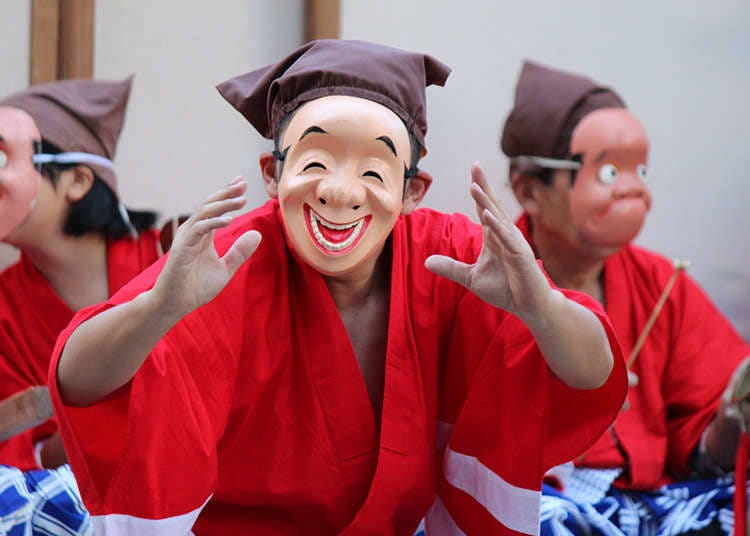
When going to see nohgaku you can wear casual clothes, as there isn't a dress code. In the past, there was a lot of clapping and yelling from the audience during the performance, but these days, the audience doesn't tend to clap as much as in the past. Watching the performance silently is the typical etiquette for nohgaku.
- Category
*Prices and options mentioned are subject to change.
*Unless stated otherwise, all prices include tax.
Popular Tours & Activities
Recommended places for you
-
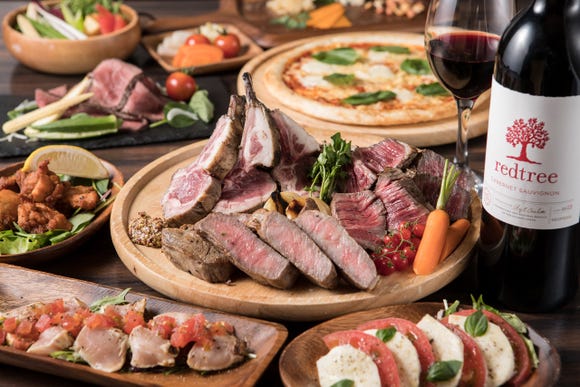
Jukuseiniku-to Namamottsuarera Nikubaru Italian Nikutaria Sannomiya
Izakaya
Kobe, Sannomiya, Kitano
-
ISHIDAYA Hanare
Yakiniku
Kobe, Sannomiya, Kitano
-
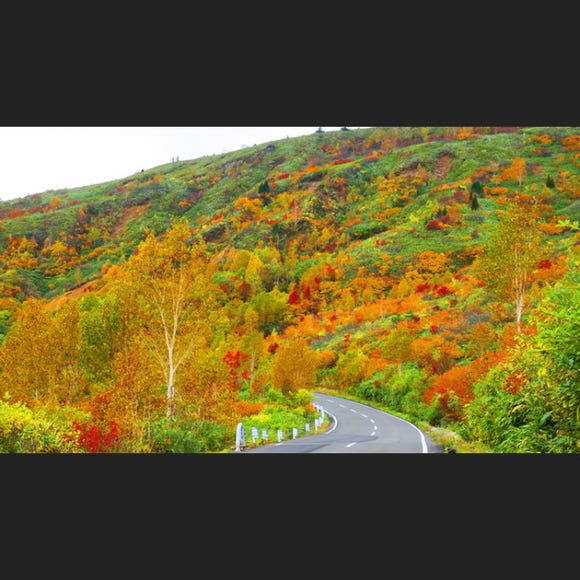
Hachimantai Aspite Line
Landscapes
Morioka, Hiraizumi And Hachimantai
-
Goods
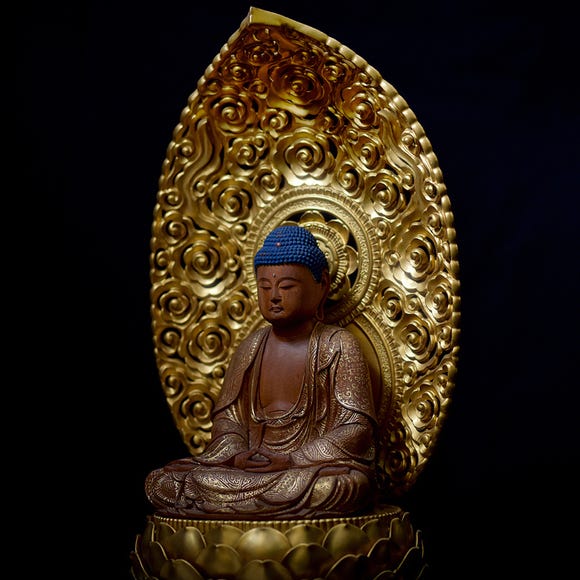
Yoshida Gennojo-Roho Kyoto Buddhist Altars
Gift Shops
Nijo Castle, Kyoto Imperial Palace
-
Appealing
Rukku and Uohei
Izakaya
Sapporo / Chitose
-
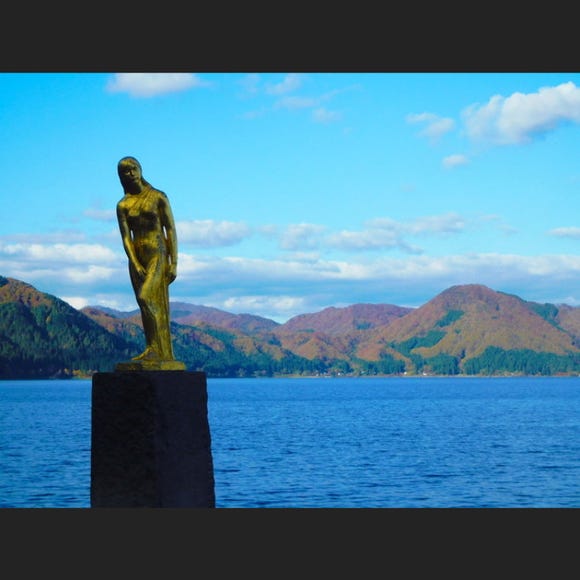
Lake Tazawa
Rivers, Lakes & Canyons
Surrounding Areas Of Akita
-
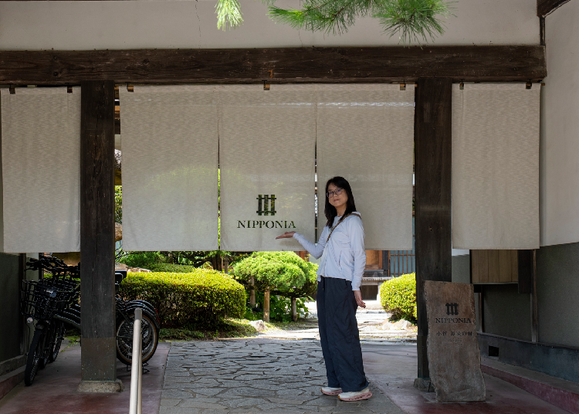
Just 2 Hours from Tokyo! Escape to Yamanashi's NIPPONIA Kosuge, Where an Entire 700-Person Village Becomes Your Hotel
by: Alice Lee
-
28 Best Things to Do in Odaiba (2026 Updated): Tokyo's Entertainment Island
-

Daikoku Car Meet Guide: How to Visit, Best Times & Rules
-
Ad
Do’s and Don’ts: The Complete Guide to Sento Baths! Getting the Full Experience In Ueno’s Famous Kotobuki-yu
-

Seibu Group Launches New Chichibu Adventure Tourism Experience for International Travelers in 2026
by: Guest Contributor
-
Ad
Pocket WiFi Rental in Japan 2026: Complete Price Comparison & Where to Get the Best Deal
-

[MOVIE] Traditional Comedy in Japan - Kyogen
-
Aizu-Wakamatsu Sake Crawl: Enjoy the Heart of Fukushima's Sake Culture
-
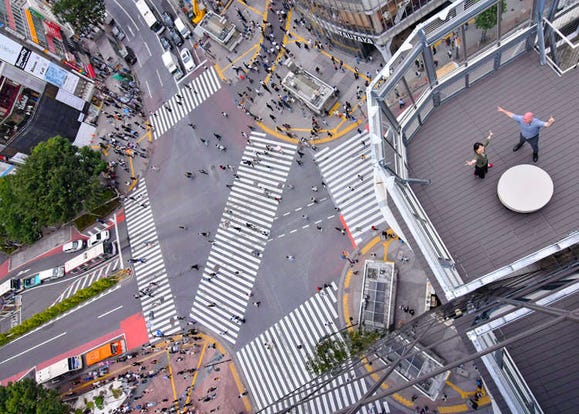
Shibuya Crossing: Getting the Best View from the Deck at Magnet by Shibuya109!
-
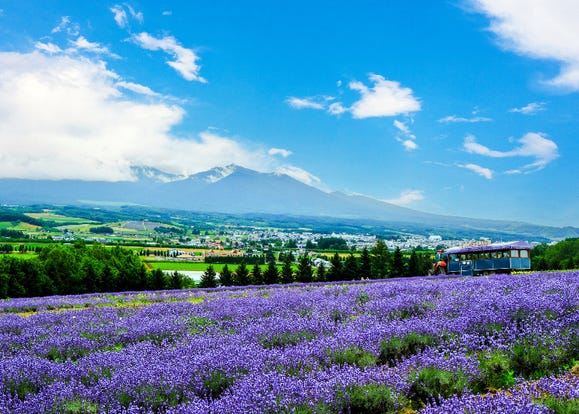
Hokkaido Travel Guide: Everything You Need to Know Before You Go (Transportation, Food, Souvenirs & Hidden Gems)
-
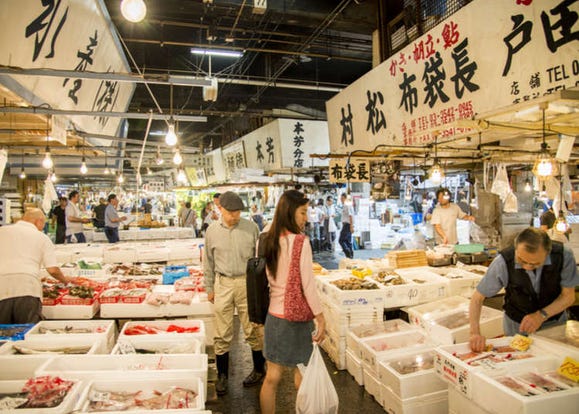
6 Fun Things to Do at Tokyo's World-Famous Tsukiji Outer Market!
-
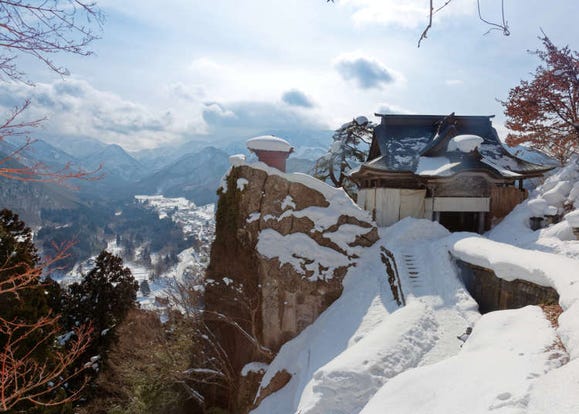
Yamagata Prefecture Guide: Destinations, Activities, Travel Advice, Shopping & More
by: Steve Csorgo
- #best sushi japan
- #what to do in odaiba
- #what to bring to japan
- #new years in tokyo
- #best ramen japan
- #what to buy in ameyoko
- #japanese nail trends
- #things to do japan
- #onsen tattoo friendly tokyo
- #daiso
- #best coffee japan
- #best japanese soft drinks
- #best yakiniku japan
- #japanese fashion culture
- #japanese convenience store snacks