




Japan’s four seasons have a great influence on both Japanese culture and day to day life. The transition from winter to summer is especially significant. Let’s take a look at the beautiful spring and its many festivals.
Hina Matsuri (Doll Festival)
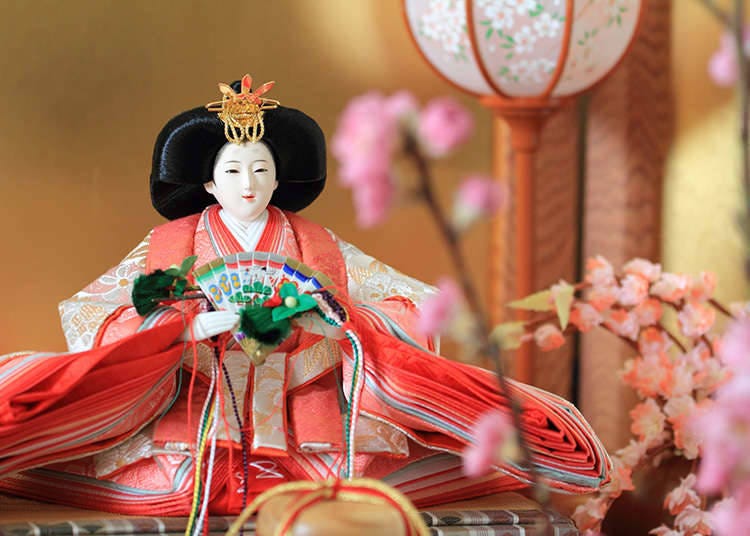
The 3rd of March marks the day of Hina Matsuri, also called the Doll’s Festival, a day to pray for the fortune and well-being of Japan’s girls. On this day, hina dolls are beautifully decorated and dressed in the garments that the aristocracy of the royal court used to wear, and people enjoy traditional sweets called hina-arare. The festival has its roots in the Edo period, when people let dolls made from straw float on a river to carry away any evil spirits. If the hina dolls are displayed longer than the 3rd of March, it is said that finding a daughter-in-law will be significantly harder!
The Season of Farewells and Beginnings
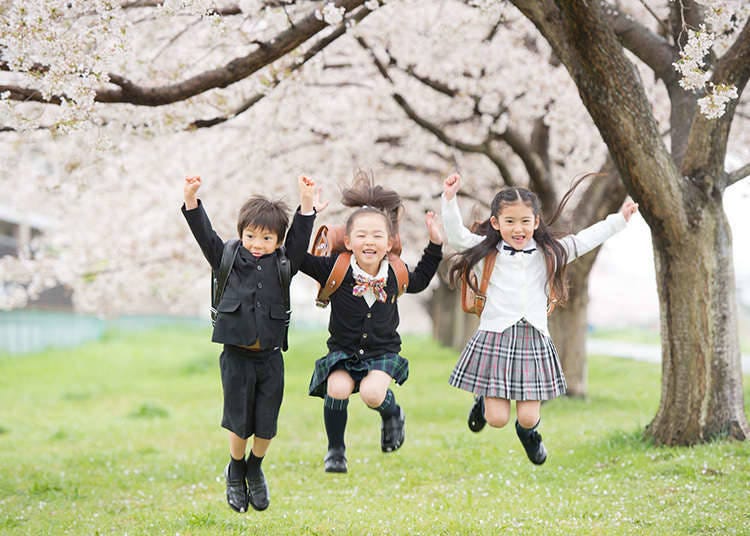
Generally, April marks both the ending and beginning of the fiscal year, as well as the school year. The majority of graduation ceremonies take place in March while entrance ceremonies are usually held in April. This is why specifically these two months, and of course spring as a whole, is often called the season of farewells and beginnings.
The Spring Flowers and Hanami
Spring is also the season of colors, as numerous flowers start to blossom throughout the season, such as the beautiful plum blossoms in early spring, as well as rape and wisteria flowers. A lot of people can be seen strolling through parks and enjoying both the colorful flowers, as well as the warmer temperatures.
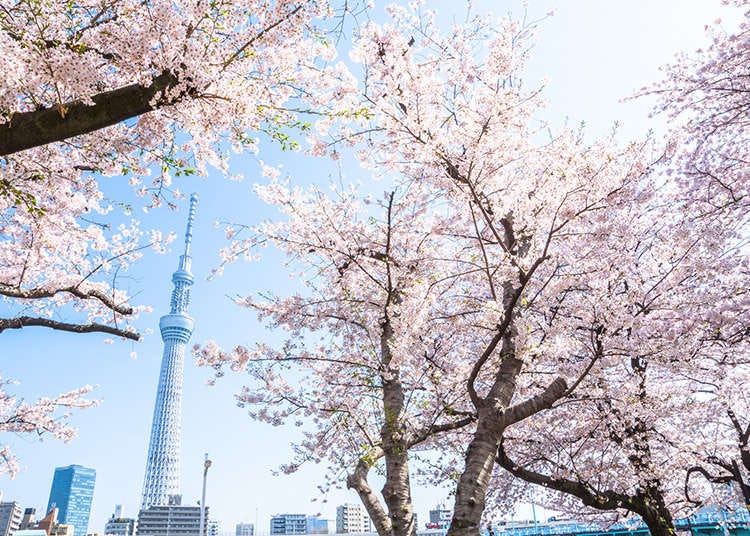
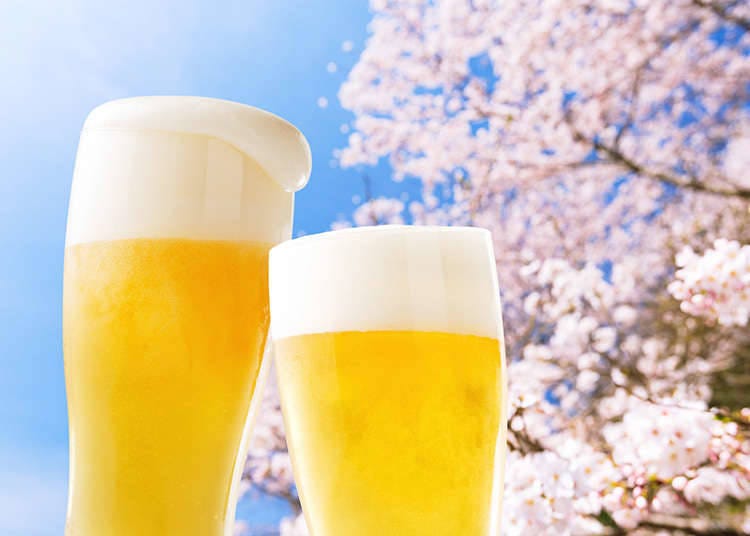
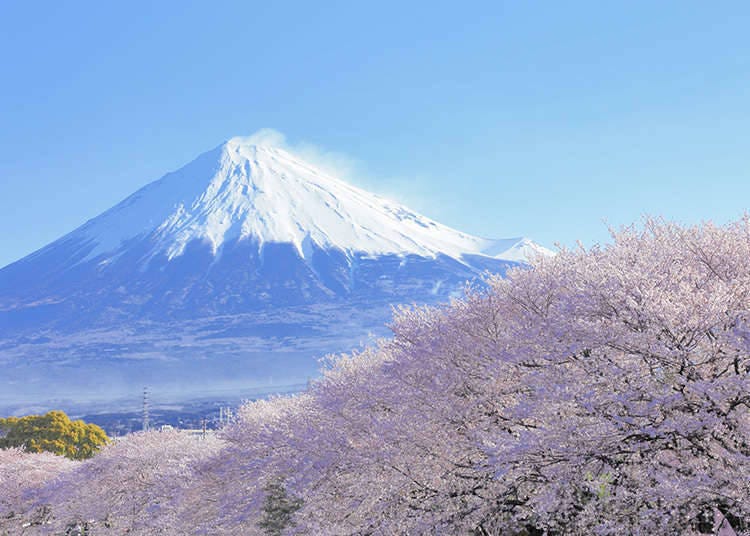
Among the flowers to be admired, the cherry blossom is by far the most famous and enigmatic. Hanami, or cherry blossom viewing, is a national phenomenon, as people come to gather under cherry trees in full bloom to celebrate their fleeting beauty throughout April. These gatherings aren’t solemn watching events, however, but lively celebrations. People bring food, drinks, and their loved ones to enjoy a lively time underneath the falling petals.
Hay Fever
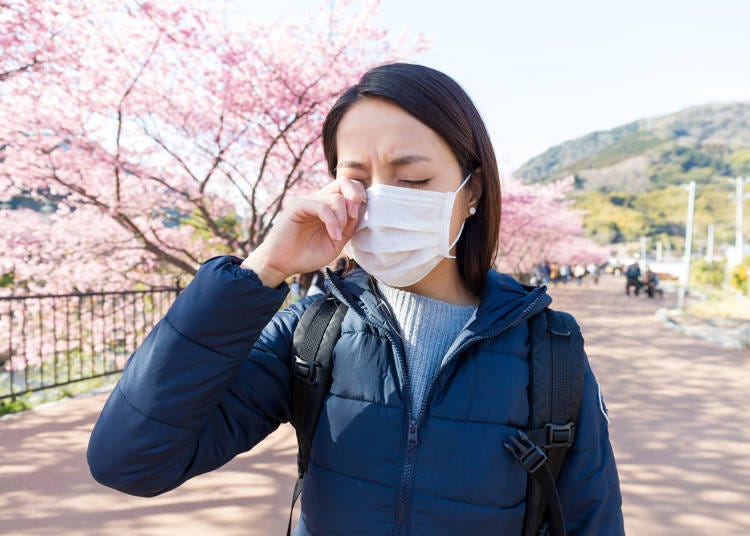
As beautiful as the blossoming flowers may be, they do have one very uncomfortable side effect: hay fever. Especially the Japanese cedar and the cypress, known as the main culprits of burning eyes, frequent sneezes, and running noses, among many other trees, flowers, and grasses. The majority of people react to the cedar, which is why it is in the focus of many hay fever reports every year. Blossoming between January and March, depending on the region, the most popular items at pharmacies are masks and hay fever medicine.
Boy's Festival: Tango No Sekku
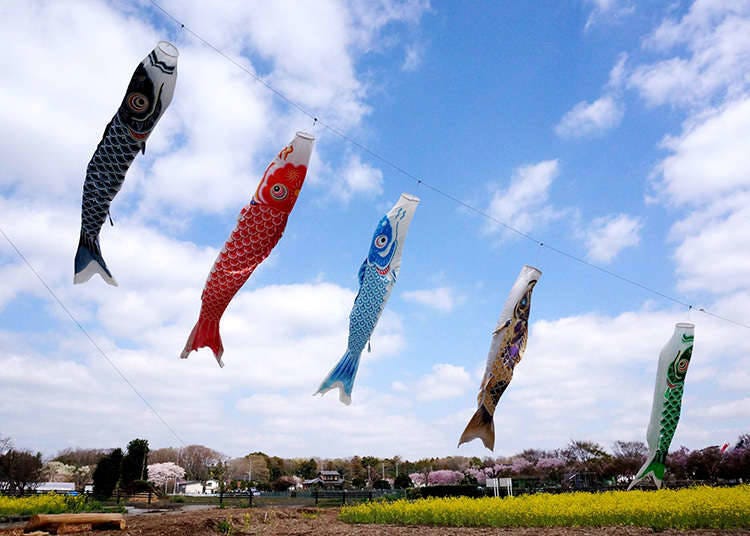
“Tango no Sekku,” a festival that was once called the Boy’s Festival but is now referred to as “Kodomo no Hi,” the Children’s Day. Taking place on the 5th of May, the festival is celebrated with various decorations, such as streamer carps and samurai dolls to pray for children all around to country to grow up healthy.
Golden Week
Between the end of April and early March is a holiday-studded week known as Golden Week with a whole handful of free days, one after another. April 29th is Showa Day, celebrating the birthday of Hirohito, the Showa Emperor, while the 3rd of May marks the Constitution Memorial Day. Greenery Day takes place on May 4th, and May 5th is the aforementioned Children’s Day. When there’s a so-called substitute holiday and a Sunday in between, Golden Week actually happens to be an entire week off. As many people use this time to travel, jammed highways and full trains are to be expected. Despite the holiday-hungry crowds enjoying their days off, these days are also filled with various fun festivals and events.
- Category
*Prices and options mentioned are subject to change.
*Unless stated otherwise, all prices include tax.
Popular Tours & Activitiess
Recommended places for you
-
Appealing
Rukku and Uohei
Izakaya
Sapporo / Chitose
-
ISHIDAYA Hanare
Yakiniku
Kobe, Sannomiya, Kitano
-
Kambei Sannomiyahonten
Yakiniku
Kobe, Sannomiya, Kitano
-

Kanzenkoshitsuyakinikutabehodai Gyugyu Paradise Sannomiya
Yakiniku
Kobe, Sannomiya, Kitano
-
Goods
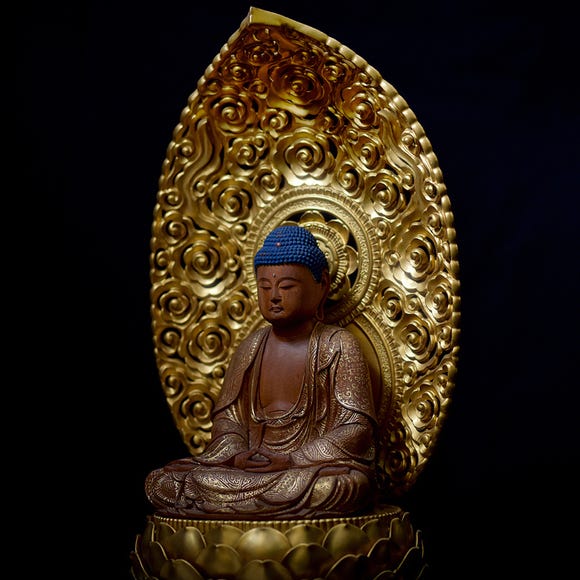
Yoshida Gennojo-Roho Kyoto Buddhist Altars
Gift Shops
Nijo Castle, Kyoto Imperial Palace
-
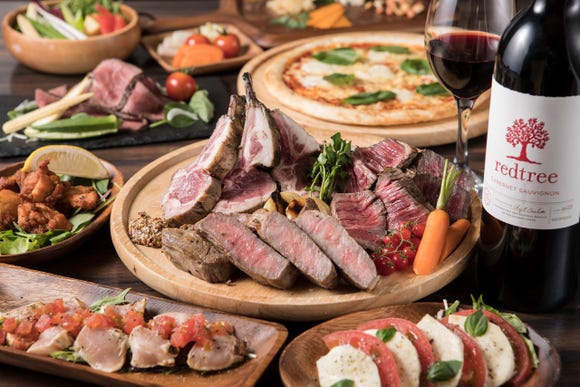
Jukuseiniku-to Namamottsuarera Nikubaru Italian Nikutaria Sannomiya
Izakaya
Kobe, Sannomiya, Kitano
-

This Spring, Taste Japan's Finest Sake in Tokyo! CRAFT SAKE WEEK Returns to Roppongi Hills
by: Timothy Sullivan
-
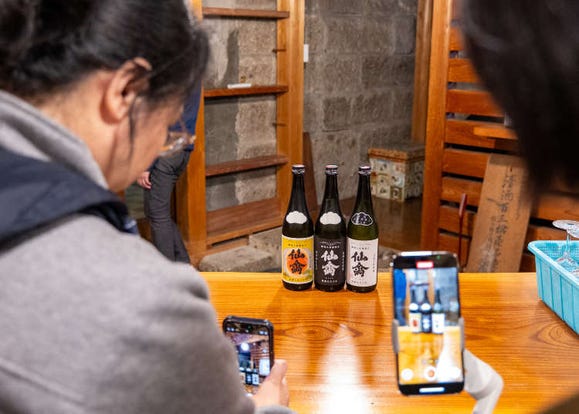
What is 'Craft Sake'? Learning Directly from Tochigi's Master Brewers
by: Timothy Sullivan
-
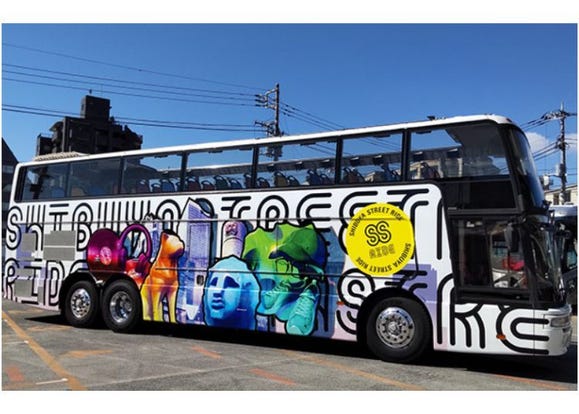
Feel Shibuya in a New Way! Enjoy A Cultural Ride on the Open-Top SHIBUYA STREET RIDE
by: Guest Contributor
-
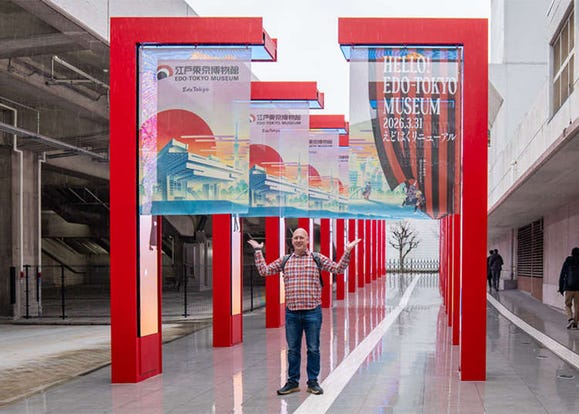
Grand Reopening! The Edo-Tokyo Museum Returns After 4 Years: New Highlights, Interactive Tech, and Limited-Edition Goods
-
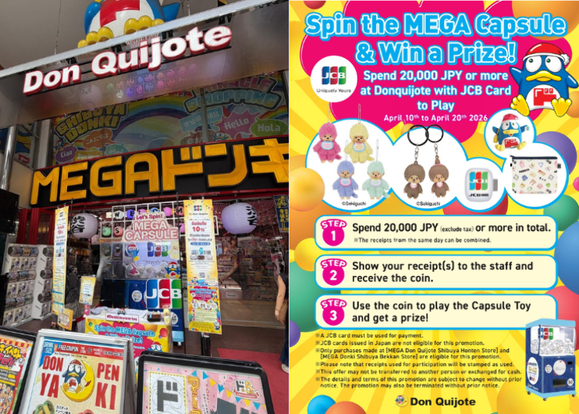
Giant Gacha Machine Appears at MEGA Don Quijote Shibuya! Shop with Your International JCB Card to Win Exclusive Prizes
-

Front-Row Seat by the Sea: Inside the Newly Opened La Vista Atami Terrace and Its Unique Everyday Escape
by: Yukiko Honda
-
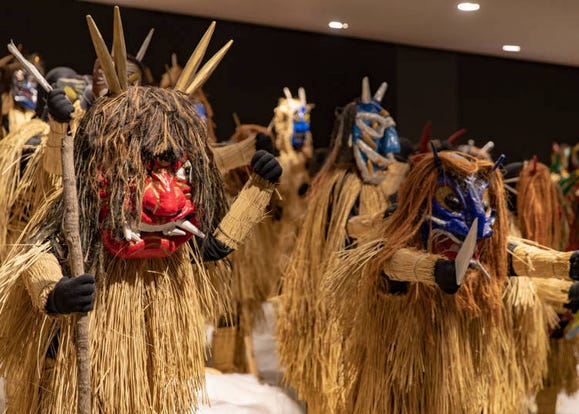
Akita Bucket List: 20 Best Things to Do in Akita Prefecture For Tourists (Attractions, Local Foods & Activities)
-
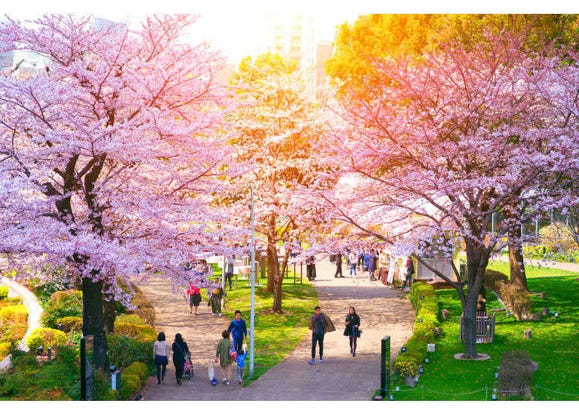
Cherry Blossoms in Tokyo 2026: Best Sakura Parks & Where to See Them
-
Takahan Ryokan: Enjoy Spectacular Hot Spring Views at Yuzawa's Premier Traditional Inn!
-
Shopping in Sendai: Best Outlet Malls, Tax-Free Stores & Souvenirs for Tourists
-
10 Breathtaking Places in Yamagata to See the Cherry Blossoms in 2026
by: Alexander Litz
-
Nara Cherry Blossom Guide 2026: 10 Spots for Sakura Viewing and Festival Dates
by: Guest Contributor
- #best sushi japan
- #what to do in odaiba
- #what to bring to japan
- #new years in tokyo
- #best ramen japan
- #what to buy in ameyoko
- #japanese nail trends
- #things to do japan
- #onsen tattoo friendly tokyo
- #daiso
- #best coffee japan
- #best japanese soft drinks
- #best yakiniku japan
- #japanese fashion culture
- #japanese convenience store snacks