









Japanese gardens combine elements of nature - plants, water and rocks - into a tranquil setting conducive to meditation. The result is often a magical setting alight with visual poetry, and punctuated by symbolism. Here we introduce the historical backgrounds and major architectural styles of Japanese gardens.
Brief history of Japanese gardens

It is said that the first formal Japanese garden was created more than 1,000 years ago, during a time when lush, ornate gardens were popular and many were built by those in power.
Later on in time, as visual aesthetic was contemplated through different materials and designs, plainer gardens were designed, their layouts and selected materials depicting different relationships with nature.
Karesansui garden (Japanese rock garden)

This type of Japanese garden depicts the ocean through composed arrangements of sand, stones and rocks - without any use of water - to express abstract landscapes which is even referred to as something beyond nature. Waves and other patterns are carefully drawn on the ground covered with sand and pebbles to maintain the atmosphere. It is often meant to be appreciated from the room inside.
Tea garden (Roji)

Tea gardens, also called roji (in Japanese kanji, it means an open field), were the basic model for later garden design. A tea garden is built in a space where the view can be enjoyed from the tea room inside. The sizes and forms of stepping-stones set on the ground are one of its characteristics.
While visually they may not appear as gorgeous as other garden styles, they nevertheless have a certain soothing allure. Plants and flowers with strong fragrance are avoided at tea gardens, so that they will not interfere with tea masters and their precious visitors, who would instead enjoy the aroma of flowers carefully arranged in tea rooms.
Shoin-zukuri garden

Shoin-zukuri gardens (architectural style developed in the 14th century) were built outside residences of samurai and other military families. The view of the garden from within the house was delicately designed.
Illumination

A more modern trend in certain gardens in Japan is to host illuminations after dark. Many are open to the public for a few hours after dusk settles, and usually in a particular season or occasion. Often these occasions coincide with a particular flower or tree, such as cherry blossoms in the spring or red/yellow leaves in the autumn, so that visitors can appreciate the scene in a manner different from during daylight.
- Category
*Prices and options mentioned are subject to change.
*Unless stated otherwise, all prices include tax.
Popular Tours & Activities
Recommended places for you
-
Goods
Yoshida Gennojo-Roho Kyoto Buddhist Altars
Gift Shops
Nijo Castle, Kyoto Imperial Palace
-

Geibikei Gorge
Rivers, Lakes & Canyons
Morioka, Hiraizumi And Hachimantai
-

Baeren Brewery Co., Ltd.
Other Sightseeing
Morioka, Hiraizumi And Hachimantai
-

ISHIDAYA Hanare
Yakiniku
Kobe, Sannomiya, Kitano
-
Appealing

Rukku and Uohei
Izakaya
Sapporo / Chitose
-

Jukuseiniku-to Namamottsuarera Nikubaru Italian Nikutaria Sannomiya
Izakaya
Kobe, Sannomiya, Kitano
-
Ad
Do’s and Don’ts: The Complete Guide to Sento Baths! Getting the Full Experience In Ueno’s Famous Kotobuki-yu
-

Seibu Group Launches New Chichibu Adventure Tourism Experience for International Travelers in 2026
by: Guest Contributor
-

5 Stationery Shops in Shinjuku: One Walking Route for Art Supplies, Suica Penguin Gifts, and More
-
Cracked Phone Screen in Japan? Smahospital Repair Guide: Keep Your Data, Fixed in 15 Min, Multilingual Support | Up to 10,000 Yen Off with LIVE JAPAN Coupon
-

BicCamera Tax Refund 2026: Refund Service Fee 0 Yen
-

Don Quijote (Donki) Tax Refund from Nov 1, 2026: No Refund Service Fee
-
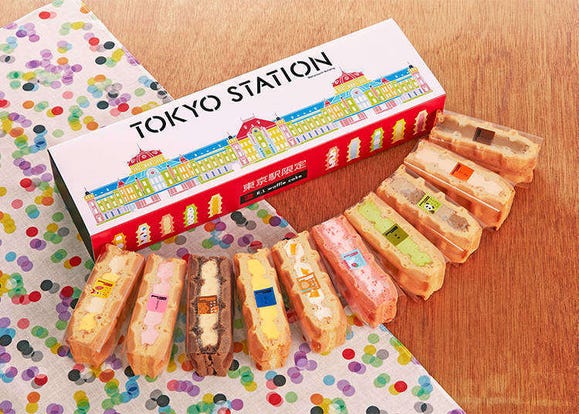
Tokyo Station Top 10 Sweets Ranking!
-
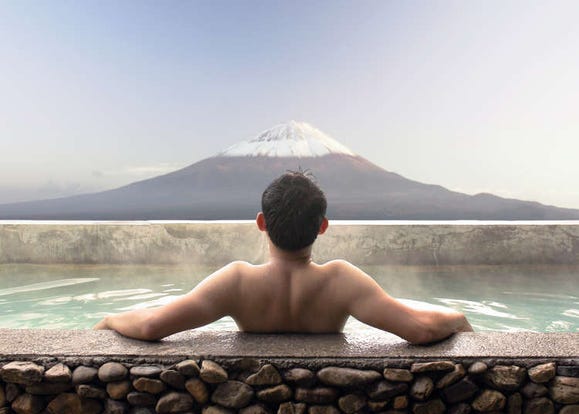
Japan's Bath Culture: Tips You Should Know!
-

Free Japanese Umbrella Rentals Are Back in Tokyo This Summer, and They Might Be the Most Photogenic Way to Beat the Heat
-

teamLab Takes Over a 400-Year-Old Edo Garden! Special Night Exhibition Arrives at Tokyo's Hama-rikyu
by: Alice Lee
-

Tokyo Roppongi: 5 Most Amazing Spots at Roppongi Hills and How to Make the Best of Them!
-

Day Trip from Sapporo to Otaru: Access, Itinerary & Food Guide
by: Guest Contributor
- #best sushi japan
- #what to do in odaiba
- #what to bring to japan
- #new years in tokyo
- #best ramen japan
- #what to buy in ameyoko
- #japanese nail trends
- #things to do japan
- #onsen tattoo friendly tokyo
- #daiso
- #best coffee japan
- #best japanese soft drinks
- #best yakiniku japan
- #japanese fashion culture
- #japanese convenience store snacks