



Motorcycle Riding in Japan: Licenses, Rentals, and Rules You Must Know
- Written by: LIVE JAPAN Editor
Tired of planning every day around crowded trains? In Japan, riding a motorcycle or scooter can be a refreshing way to escape the rails, reach rural areas, and enjoy the journey itself. That freedom comes with rules, though. For overseas visitors, Japan’s motorcycle system can feel complicated, from which licenses are accepted to engine size categories and strict passenger restrictions. Before you ride, it is essential to understand the local traffic rules and whether you need a valid driver's license. This guide breaks down rental requirements, legal basics, and key safety points so you can ride confidently and stay on the right side of the law while exploring Japan on two wheels.
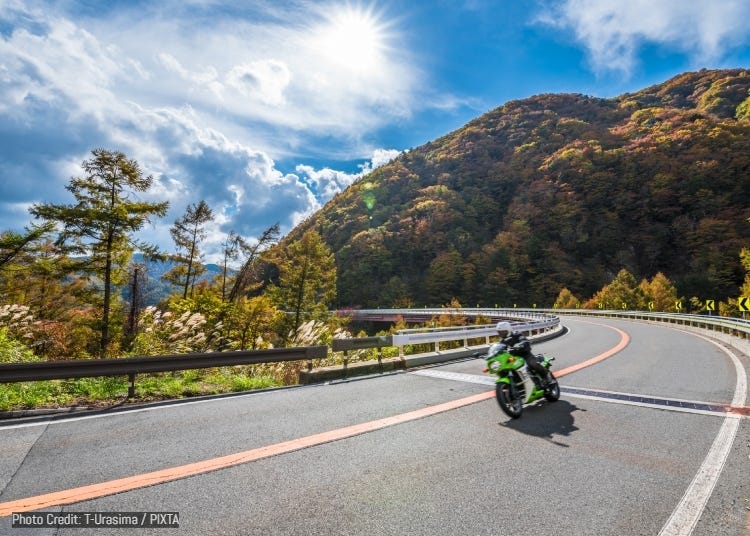
(Main image credit: PIXTA)
(This article contains affiliate links)

About Driver’s Licenses in Japan
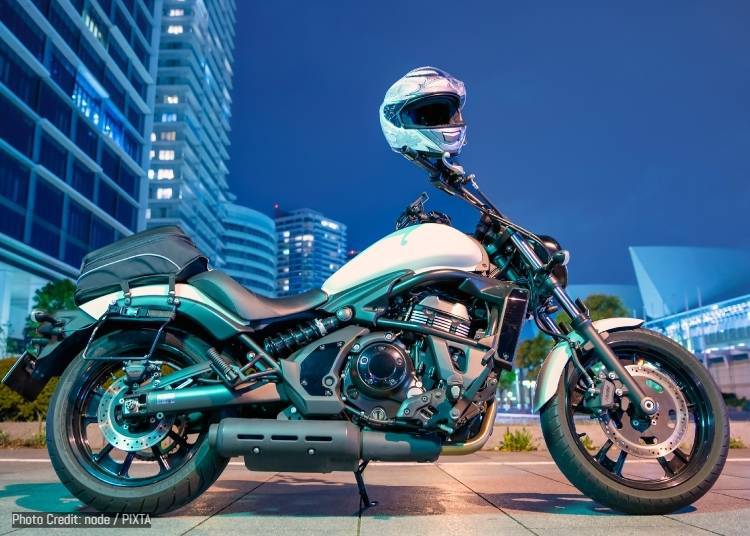
To legally ride a motorcycle in Japan, you must hold one of the following valid licenses:
・A Japanese driver’s license
・An International Driving Permit (IDP)
The IDP must be issued under the 1949 Geneva Convention. Please note that IDPs issued under other treaties, including the 1968 Vienna Convention, are not accepted in Japan.
・A foreign driver’s license plus an official Japanese translation
This option is currently limited to licenses issued in the following countries and regions: Taiwan, Hong Kong, Macau, Switzerland, Slovenia, Germany, France, Belgium, Monaco, Italy, Finland, Estonia, Australia, New Zealand, the United Kingdom, Ireland, and Canada.
Important Notice: Required Documents and Approved Translation Sources
No matter which country or region you are from, you must always carry both of the following documents when riding in Japan:
1. Your original driver’s license
2. An official Japanese translation of that license
Please note the Japanese translation must be issued by the Japan Automobile Federation (JAF) or an authorized official organization in your country.
Helmet Use and Riding Safety
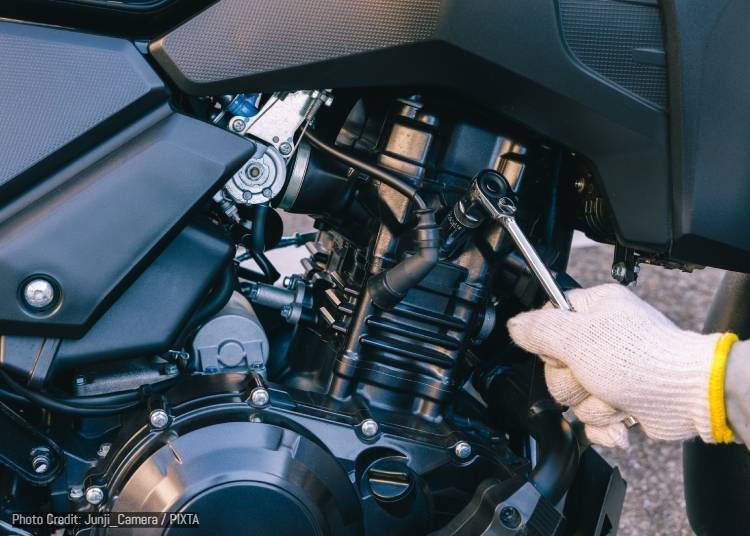
Unlike cars, motorcycles are smaller and more likely to be overlooked by other drivers. To stay safe on the road, following traffic laws is essential, but improving your visibility is just as important.
Riders are strongly encouraged to wear bright, highly visible clothing or use reflective gear to make themselves easier to spot. In Japan, wearing an approved helmet is a legal requirement for all motorcycles, regardless of engine size. Always make sure your helmet meets local standards and is properly fastened before riding.
About Riding with a Passenger
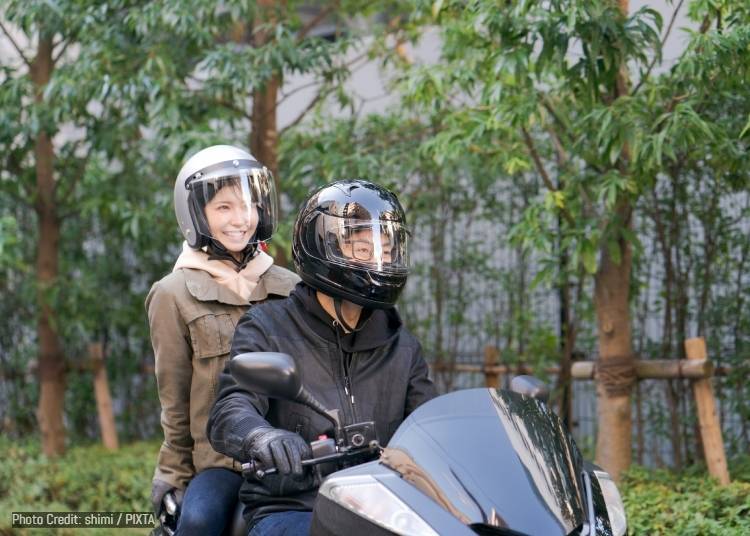
In Japan, a motorcycle may carry no more than two people at one time. Carrying more than one passenger in addition to the rider is illegal. Even when riding with a single passenger, the following strict conditions must be met.
Engine size and rider experience requirements
On regular roads, the motorcycle must have an engine displacement of over 50 cc, and the rider must have held the relevant license for at least one year.
Expressway rules are stricter. The motorcycle must be over 125 cc, the rider must be 20 years old or older, and must have held the license for at least three years. In addition, the motorcycle must be properly equipped for two riders, such as having rear footrests.
Be sure to pay close attention to roadside signs, as some roads or cities may prohibit riding with a passenger altogether. Always follow posted regulations carefully.
▼ Read More Articles About Driving in Japan ▼
About Legal Regulations and Dangerous Riding
Japan enforces strict rules regarding motorcycle condition and modifications. Alterations that create excessive noise, such as installing an illegal exhaust, or removing speed limiters are considered unlawful. Making license plates difficult to read, including bending or obscuring them, is also illegal.
Riding behavior is regulated just as strictly. Wearing earphones while riding, listening to music, or using a smartphone are all illegal and dangerous actions. Riders should also be aware that drunk driving is treated as a serious criminal offense in Japan, with extremely severe penalties. In addition, any form of speeding is strictly enforced. Always ride responsibly and follow traffic laws to ensure your safety and that of others.
About Renting a Motorcycle
If you plan to rent a motorcycle in Japan, booking online in advance is highly recommended. Many rental companies, especially in popular tourist areas, keep only a limited number of bikes available for overseas visitors, so early reservations are important.
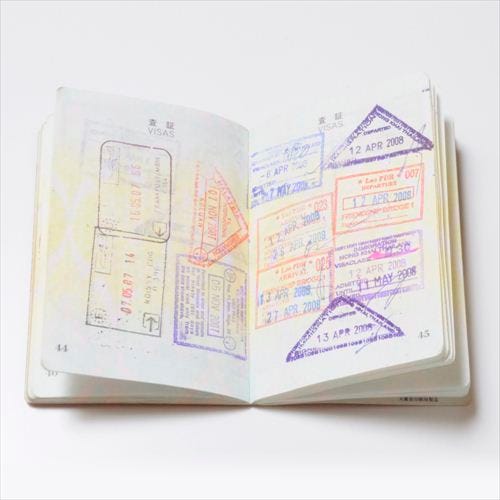
・Required documents and payment: When making a reservation, you will need three essential items: your passport, your original driver’s license, and an official Japanese translation of that license. Most rental companies also require a credit card for deposits or insurance payments, so do not rely solely on cash or debit cards.
・Age and vehicle restrictions: Some rental companies impose age limits for higher-displacement motorcycles, such as requiring riders to be 20 or 25 years old or above. Be sure to check the conditions in advance. As a general guide, renting a standard motorcycle typically costs around 8,000 to 15,000 yen per day.
・Insurance coverage: Rental fees usually include the minimum mandatory insurance. However, to ensure sufficient protection in case of an accident, it is strongly recommended to purchase additional optional coverage, such as vehicle damage insurance or passenger insurance.
About Parking and ETC Use
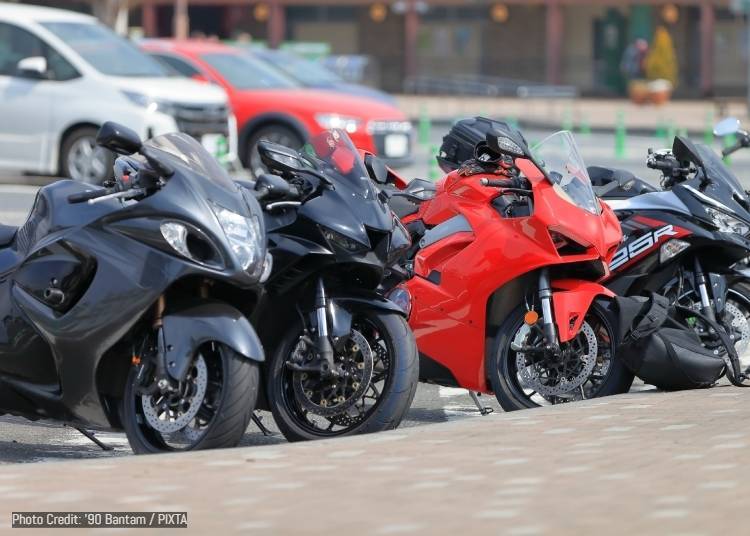
Motorcycle parking rules in Japan differ from those for cars, and finding a legal space can be especially challenging in large cities. When parking, be sure to look for designated parking areas or street spaces clearly marked for motorcycles (二輪車). Even small motorcycles are not allowed to park on sidewalks or in bicycle parking areas. Violations may result in fines or towing, so it is important to follow local rules carefully.
If you plan to ride long distances and use expressways, it is strongly recommended to ask the rental company whether an ETC card (electronic toll collection card) is available. Using ETC allows you to pass through toll gates more smoothly and makes highway travel more convenient and efficient. Please note that ETC cards are generally only available for motorcycles with an engine displacement of 125 cc or higher.
In short, riding a scooter or motorcycle in Japan is a fantastic way to experience the country’s scenic countryside and travel beyond the usual tourist routes, as long as you are fully prepared. Be sure to carry both your original driver’s license and its official Japanese translation, and confirm in advance that you meet the rental company’s age and credit card requirements. Most importantly, understand the key differences between 50 cc and 125 cc classes, including restrictions on carrying a passenger, speed limits, and right turns. By following local traffic laws and making good use of rental services, you can travel safely and freely on Japan’s roads. Leave the city crowds behind and get ready to enjoy your own two-wheeled adventure.


The LIVE JAPAN editorial team is a multinational group made up of native editors who have lived in Japan for over five years and Japanese editors who love to travel. Together, we share the best of Japan, offering cultural insights, historical context, event updates, and travel-friendly deals, to support your journey every step of the way.
- Category
*Prices and options mentioned are subject to change.
*Unless stated otherwise, all prices include tax.
Popular Tours & Activities
Recommended places for you
-
Sunflower terminal (Osaka) Terminal 1
Other Sightseeing
USJ, Nanko Port
-
Goods
Yoshida Gennojo-Roho Kyoto Buddhist Altars
Gift Shops
Nijo Castle, Kyoto Imperial Palace
-
Hachimantai Aspite Line
Landscapes
Morioka, Hiraizumi And Hachimantai
-
Appealing
Rukku and Uohei
Izakaya
Sapporo / Chitose
-
ISHIDAYA Hanare
Yakiniku
Kobe, Sannomiya, Kitano
-
Jukuseiniku-to Namamottsuarera Nikubaru Italian Nikutaria Sannomiya
Izakaya
Kobe, Sannomiya, Kitano
-
Ad
Pocket WiFi Rental in Japan 2026: Complete Price Comparison & Where to Get the Best Deal
-
Just 2 Hours from Tokyo! Escape to Yamanashi's NIPPONIA Kosuge, Where an Entire 700-Person Village Becomes Your Hotel
by: Alice Lee
-
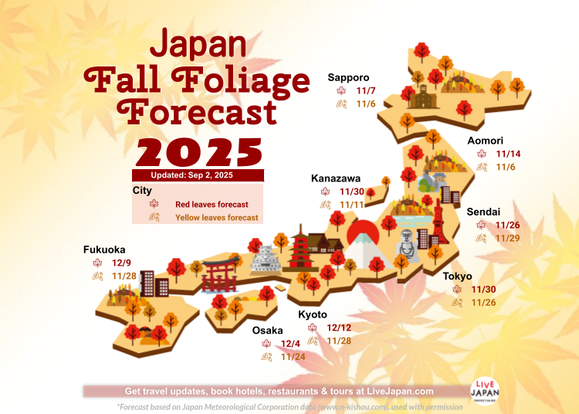
Autumn in Japan 2026: Fall Foliage Forecast & Where to Enjoy the Colorful Leaves (+Tour Info)
-

Seibu Group Launches New Chichibu Adventure Tourism Experience for International Travelers in 2026
by: Guest Contributor
-

Daikoku PA Car Meet: What Is JDM, and Why Do Enthusiasts Flock Here?
-

The Best Sumo Experiences in Tokyo: Morning Practices vs. Sumo Shows
-
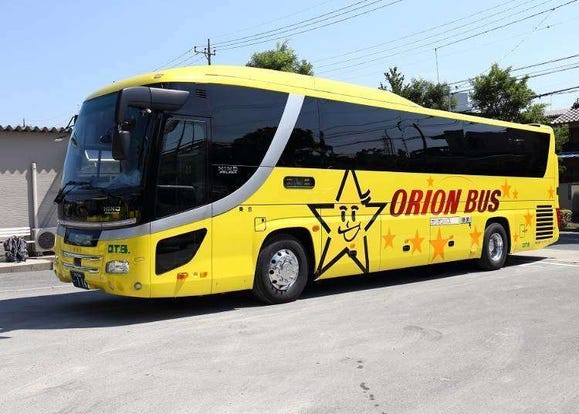
Sleep Your Way from Tokyo to Osaka: 5 Overnight Bus Options Reviewed (From $20!?)
by: WESTPLAN
-
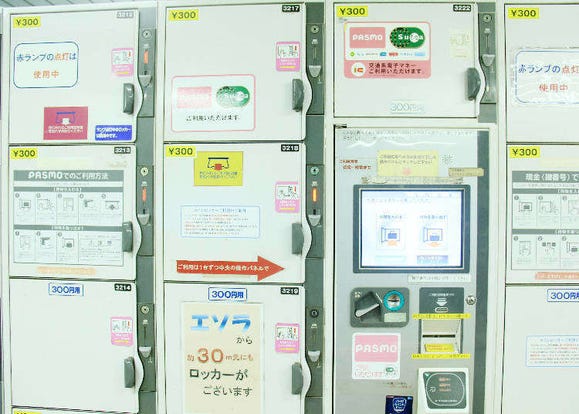
Coin Lockers in Japan: How to Use Them & Secret Spots!
-
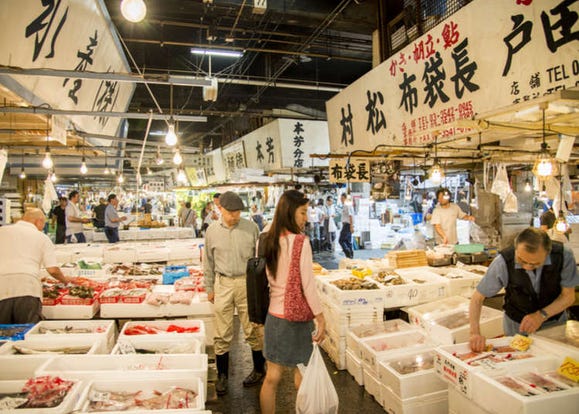
6 Fun Things to Do at Tokyo's World-Famous Tsukiji Outer Market!
-
Sannomiya Station Guide: Here's How to Get Around the Maze of Kobe's Train Hub!
by: WESTPLAN
-
Ad
Autumn 2024 Event: Experience Edo Culture in Tokyo's Nihonbashi and Ginza at the OH! Edo Tokyo Festival
-

Otaru Travel Guide: Inside Hokkaido's Leading Destination (Sightseeing, Food, and Shopping Tips)
- #best sushi japan
- #what to do in odaiba
- #what to bring to japan
- #new years in tokyo
- #best ramen japan
- #what to buy in ameyoko
- #japanese nail trends
- #things to do japan
- #onsen tattoo friendly tokyo
- #daiso
- #best coffee japan
- #best japanese soft drinks
- #best yakiniku japan
- #japanese fashion culture
- #japanese convenience store snacks