






Experience Tokyo Koenji Awa-Odori 2025: One of Tokyo's Most Joyful Festivals
- Written by: LIVE JAPAN Editor
The Koenji Awa-Odori, Festival, held every year on the last weekend of August in Koenji (few minutes from Shinjuku station), is one of the liveliest events you can have the chance to see in Tokyo!
- Table of Contents
Inside the Koenji Awa-Odori
Thanks to an initiative taken by Suginami City to expand cultural activities to foreign visitors, even in late winter, you have the chance to both see elements from this fabled fest – and even get to learn dance moves! It’s an experience not to be missed.
Thanks to them, this past summer I had the chance to participate in the festival, accompanied by other beginners but also dancers that came especially from Tokushima. But before jumping into the streets, we had a workshop to learn the basics!
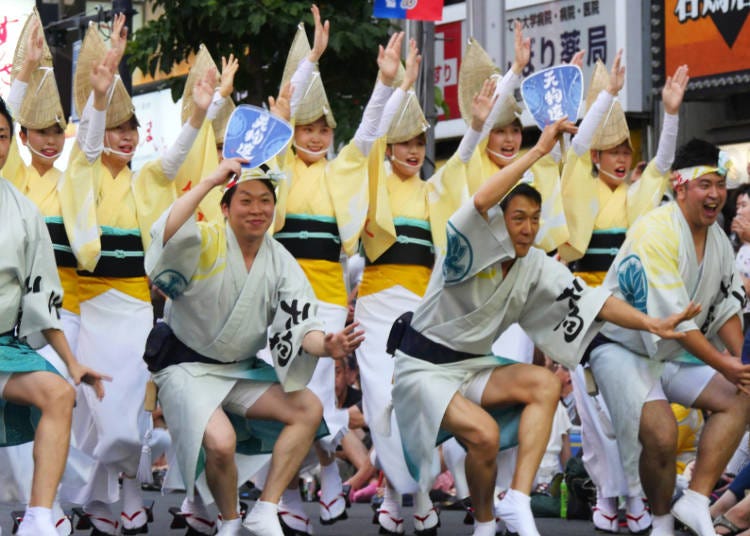
The Awa Odori originated in Tokushima prefecture more than four centuries ago. But the Koenji festival is a much more recent one. It first began in 1957, to revitalize the small shopping streets scattered throughout the town. Organizers were looking to which festival could be held in the narrow streets of Koenji, and Awa-Odori was one of the obvious choices.
The Basics: Female & Male Dance?
The Awa Odori is quite a unique dance in Japan, a country known for its numerous festivals that dot the year. Each dancing group, called ren, is unique. They differ by the number of dancers, the colors of their clothes or the dancing style. One of the dancers is usually dancing in the front by holding a big lantern called takahari, bearing the name of the group.
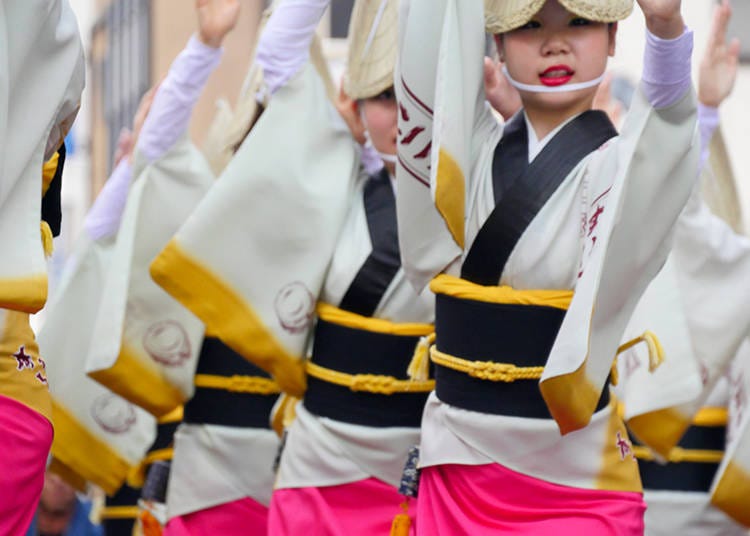
The dances are divided into two groups. First, the “onna odori,” or women’s dance. Its main characteristic is a strong focus on elegant gesturing. If you look closely, you can see that the dancers keep their hands above their heads at all time, while remaining on tiptoes poised on the tips of their geta sandals. This makes the posture particularly difficult to maintain. When many dancers are present, seeing them moving in perfect order and synchronized is an amazing sight.

The second is known as “otoko odori,” or men’s dance. Despite its name, everyone can dance it, including children and women. Otoko odori is known for its lively and dynamic moves. Dancers usually bend their knees, keep their bodies low and follow a two-beat rhythm. The basic step consists of alternating between the right and left foot, with the arms moving synchronously.

Even if it might look like it’s easy, a good deal of strength and coordination are required to make this look good. For the most trained dancers, some freestyle is usually part of the fun and easily attracts the cheers of the crowd.
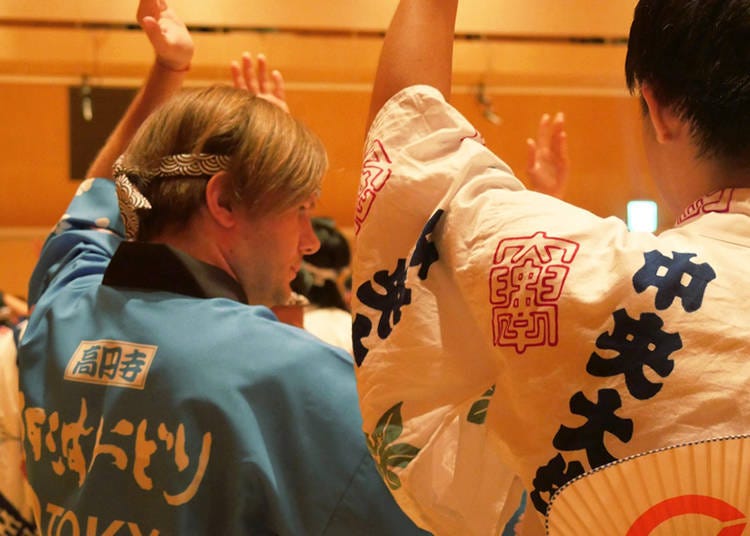
This was the dance that we would have to perform. After 30 minutes of practicing in small groups, we were lined up in pairs: one experienced dancer and one beginner. This was the form that our dance group would take.
Time to Perform Awa-Odori!

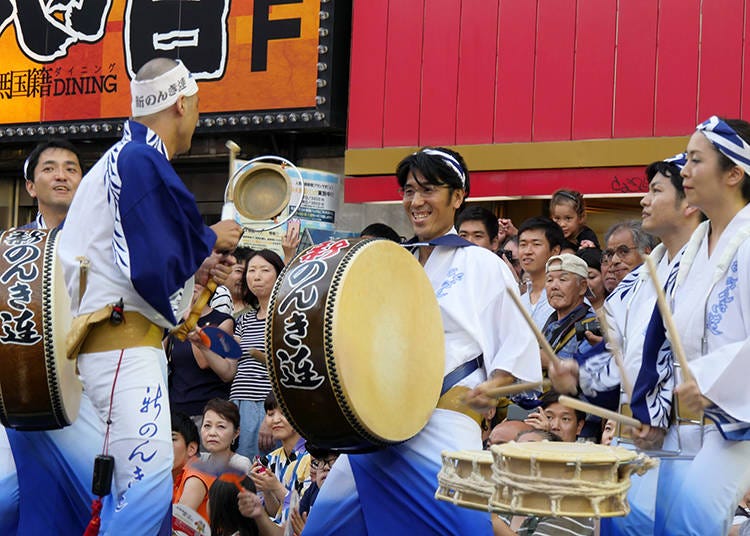
And then it’s time to do the real dancing! Walking in pairs, we started what is called nagashi odori, or dancing down the street in procession. What gives us the rhythm to follow are the musicians playing their instruments. Known as narimono, they include large and drums, flutes, shamisen, and bells.
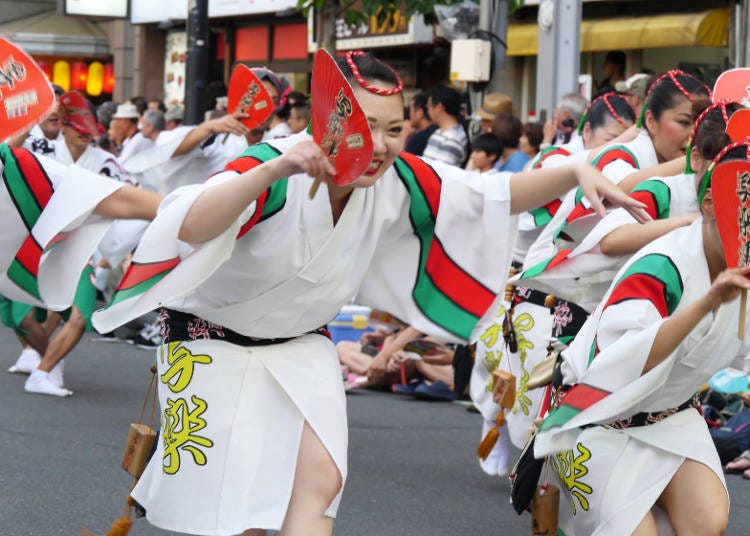
But the dancers don’t stay quiet either! During the performance, it is common to hear the phrase “yatto sa?” - a call to which we need to reply by shouting “a, yatto, yatto!” The origin of these shouts is still unclear, but they are done to encourage the dancers. Also, they add to the fun!

One of the most surprising things is how close the public is. This can easily be explained by how narrow the streets of Koenji are, but it is still quite an uncommon sight in Japan.
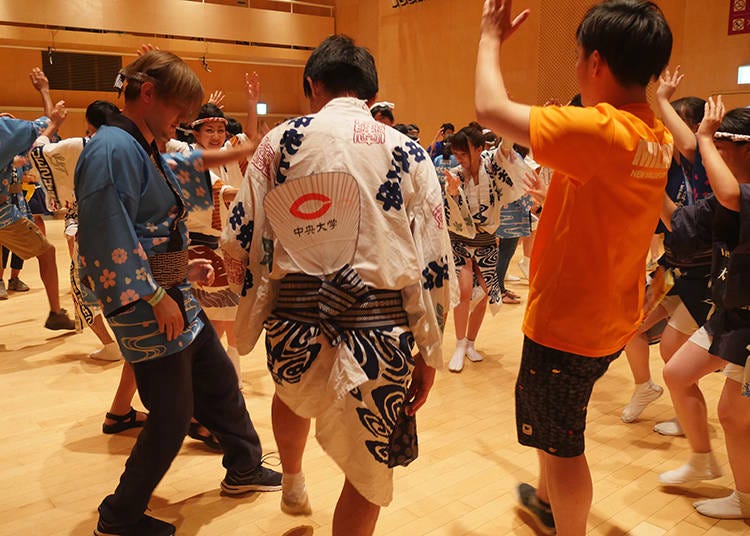
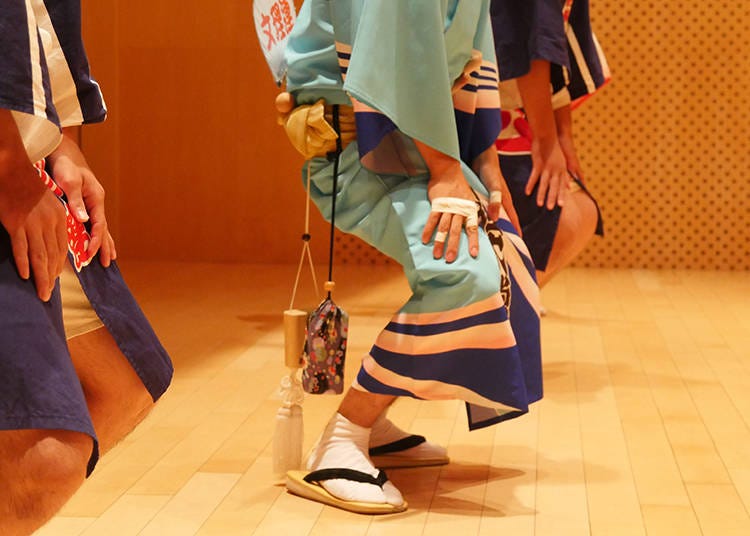
Keeping the pace is also not easy, and that’s where having experienced dancers in our group helped: by carefully watching them, you can imitate their moves and get back in the rhythm.
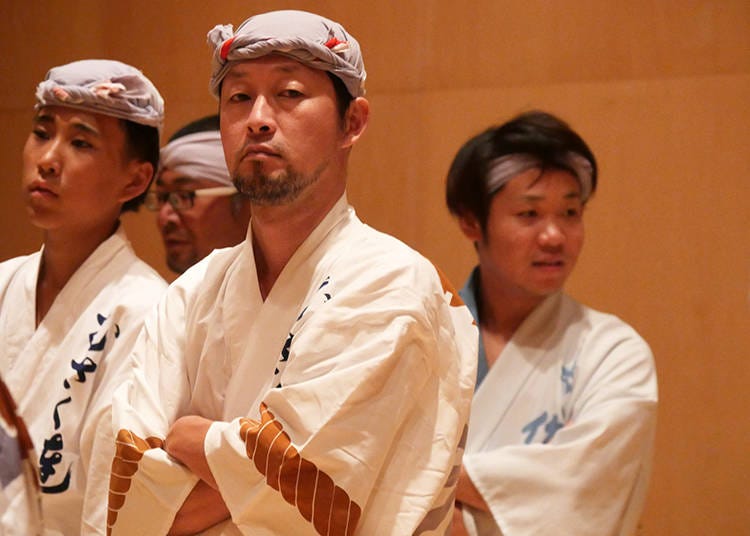
But once we got used to it, the difficult part began: the music picked up a much faster pace, and so did the dance. This is when the experienced dancers show the best of their skills with one goal in mind: attracting the cheers of the audience!

Dancing awa-odori is truly an amazing experience. For those who have the opportunity, it's definitely worth a try. Not only will you have a lot of fun, but you will also experience Japanese summer festivals culture directly from the inside!

When is the Koenji Awa-Odori 2025?
・Dates: August 23–24, 2025
・Time: 5 PM to 8 PM
・Location: Around JR Koenji Station and Tokyo Metro Shin-Koenji Station, including shopping streets and Konan-dori, across eight performance areas
・Participating Dance Troupes (Previous Year): Approximately 161 groups
・Attendance (Previous Year): Around 940,000 spectators
・For details, see the official website at https://www.koenji-awaodori.com/.
-
Kōenji Station高円寺駅
-
Address
4-chōme-48 Kōenjiminami, Suginami City, Tōkyō-to 166-0003
View Map
-
Address
4-chōme-48 Kōenjiminami, Suginami City, Tōkyō-to 166-0003


The LIVE JAPAN editorial team is a multinational group made up of native editors who have lived in Japan for over five years and Japanese editors who love to travel. Together, we share the best of Japan, offering cultural insights, historical context, event updates, and travel-friendly deals, to support your journey every step of the way.
- Area
- Category
*Prices and options mentioned are subject to change.
*Unless stated otherwise, all prices include tax.
Popular Tours & Activitiess
Recommended places for you

-

No More Getting Lost in Tokyo's Subways! The "Magic Translation Terminal" Appearing at All 171 Stations Will Revolutionize Your Journey
by: Guest Contributor
-

SILK AND ILY DONUT: Tokyo's New, Laid-Back Waterfront Shop Is A Real Treat
by: Timothy Sullivan
-

Snow Peak: Discover the Japanese Outdoor Brand That Became a Global Obsession (and Its Best Stores)
-

Japan's New Fine Dining Train 'vies' Launches in 2028: A New Era of Gourmet Rail Travel
by: Guest Contributor
-
Ad
Enjoy Tokyo's Hidden Gem! Katsushika: Where Anime, Kawaii Culture & Real Tokyo Vibes Meet (2026 Guide)
by: Yohei Kato
-

Front-Row Seat by the Sea: Inside the Newly Opened La Vista Atami Terrace and Its Unique Everyday Escape
by: Yukiko Honda
Inspiration for Accommodations
-

Family-Friendly Hotels with Free Shuttle to Disneyland: Convenient Access for a Magical Stay
-

Top Ranked Hakone Hotels with Mt. Fuji View: Enjoy Stunning Scenery from Your Private Space
-

Convenient Tokyo Hotels with Airport Shuttle: Ideal for Families and Heavy Luggage
-

9 Family-Friendly Hotels with Comfortable Family Rooms in Asakusa
-
10 Open-air bath Onsen Ryokans in Hakone for Ultimate Relaxation
-
Sanja Matsuri: Inside Guide to One of Tokyo’s Most Famous Festivals
-
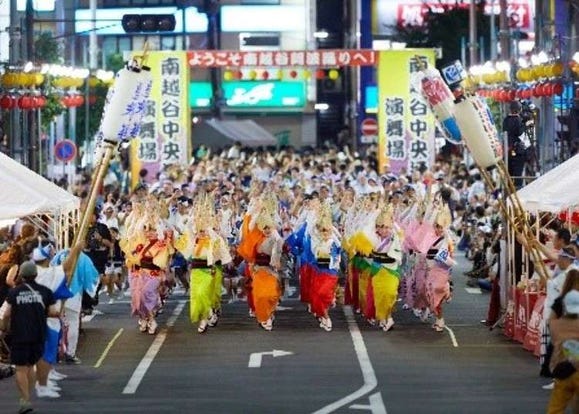
Awa Odori Comes to Shibuya June 21: Experience the Soul of Tokushima in the Heart of Tokyo
-
Ueno Station Area Guide: Fun Ways to Explore Tokyo's Popular Destination (Area Map & Sightseeing Tips)
-
Top Events & Festivals in Asakusa (Tokyo): Discover Year-Round Traditions and Fun
-

Atami 1-Day Itinerary: Exploring Japan's Castle & Hot Springs Resort Town Near Tokyo!
-
Asakusa Samba Carnival (August 30): Access, Tips, Best Photo Spots & More
by: Jiei Kurabayashi
- #best ramen tokyo
- #what to buy in ameyoko
- #what to bring to japan
- #new years in tokyo
- #best izakaya shinjuku
- #things to do tokyo
- #japanese nail trends
- #what to do in odaiba
- #onsen tattoo friendly tokyo
- #daiso
- #best sushi ginza
- #japanese convenience store snacks
- #best yakiniku shibuya
- #japanese fashion culture
- #best japanese soft drinks