



Japan's New Accommodation Tax (2026): What Travelers Should Know
- Written by: Shingo Teraoka
Like many major tourist destinations worldwide, several Japanese municipalities have implemented an "Accommodation Tax." The number of regions adopting this tax has been increasing recently. This guide answers common questions such as "Why is this tax becoming more common?" and "Is it mandatory to pay?"
- Table of Contents
-
- FAQ
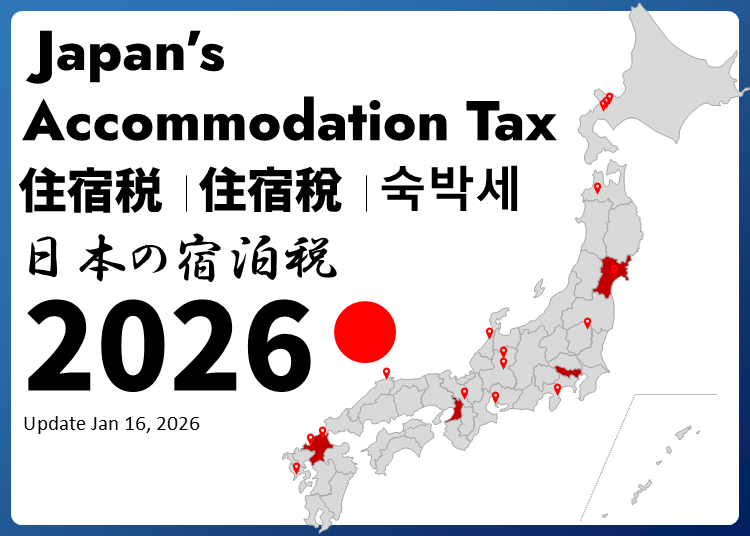
- Municipalities with Accommodation Tax (As of Apr 2026)
- Tokyo Metropolis | Implemented since October 2002
- Osaka Prefecture | Implemented since January 2017
- Kyoto City (Kyoto Prefecture) | Implemented since October 2018
- Kanazawa City (Ishikawa Prefecture) | Implemented since April 2019
- Fukuoka Prefecture / Fukuoka City / Kitakyushu City | Implemented since April 2020
- Nagasaki City (Nagasaki Prefecture) | Implemented since April 2023
- Tokoname City (Aichi Prefecture) | Implemented since January 2025
- Takayama City (Gifu Prefecture) | Implemented since October 2025
- Atami City (Shizuoka Prefecture) | Implemented since April 2025
- Gero City (Gifu Prefecture) | Implemented since October 2025
- Hirosaki City (Aomori Prefecture) | Implemented since December 2025
- Matsue City (Shimane Prefecture) | Implemented since December 2025
- Miyagi Prefecture / Sendai City | Implemented since January 2026
- Hiroshima Prefecture | Implemented since April 2026
- Gifu City (Gifu Prefecture) | Implemented since April 2026
- Yugawara Town (Kanagawa) | Implemented since April 2026
- Toba City (Mie) | Implemented since April 2026
- Hokkaido Prefecture| Implemented since April 2026
- Nagano Prefecture & Municipalities | Implemented since June 2026
- Kumamoto City | Implemented since July 2026
- Miyazaki City (Miyazaki Prefecture) | Implemented since July 2026
- Morioka City (Iwate Prefecture) | Scheduled for October 2026
- Nasu Town (Tochigi Prefecture) | Scheduled for implementation in October 2026
- Okinawa Prefecture | Scheduled for implementation in February 2027
- Shirahama Town (Wakayama) | Scheduled for implementation in March 2027
- Fujiyoshida City & Fujikawaguchiko Town (Yamanashi) | Starting April 2027
- [2026 Latest] Japan Accommodation Tax Guide: Rates & Rules by Municipality
- Municipalities Considering or Preparing for Accommodation Tax
- Accommodation Tax as an "Investment in the Future"
FAQ
First, let’s go over some of the most frequently asked questions regarding the accommodation tax.
Q. Why is the accommodation tax increasing?
A. While tourism supports local economies, it can also strain infrastructure through traffic congestion, crowded public transport, litter, and noise. In some areas, cultural and natural sites are also affected by improper visitor behavior. Addressing these challenges requires ongoing public investment. The accommodation tax helps ensure that these costs are shared by visitors who benefit from tourism, rather than being borne entirely by local residents through their taxes.
Q. What are the tax structures?
A. It can be a Flat Rate (e.g., 200 yen per person per night) or a Percentage Rate (e.g., 2% of the room rate).
Q. Is it mandatory?
A. Yes. It is a legal obligation for all travelers, regardless of nationality. Failure to pay may result in refusal of accommodation or legal penalties.
Q. How do I pay?
A. Like sales tax, the accommodation facility collects it. Note: Even if you prepay via an OTA (Online Travel Agency), you are often required to pay the accommodation tax separately on-site at the hotel.
Q. Do children also need to pay?
A. It depends on the municipality and the specific situation. Generally, most regions calculate the tax based on the room rate per person per night. However, some municipalities exempt elementary school students or those on organized school trips.
Q. Does the tax apply to vacation rentals (Minpaku/Airbnb)?
A. Yes, it applies in almost all municipalities that have implemented the tax. Since hosts may bill you separately, please be sure to check your messages when booking.
Q. I heard there are cases where the tax is paid twice. What does that mean?
A. Japan’s administration has a two-tier structure. There are 47 "Prefectures" (wide-area governments), within which there are 1,741 "Municipalities" (cities, towns, and villages). This is similar to the relationship between a "State" and a "City" in the U.S. Both Prefectures and Municipalities have the independent authority to implement an accommodation tax. Therefore, depending on where you stay, you may be charged the combined total of both taxes.
Municipalities with Accommodation Tax (As of Apr 2026)
We have summarized the municipalities that have implemented or are planning to introduce an accommodation tax. Since the criteria and categories for taxation vary by region, this guide provides a general overview. For specific details, please refer to the official website of each local government.
*Tax rates are calculated based on the room charge per person per night, excluding consumption tax. Generally, meal costs are not included in the room charge.
※*Data is based on information from local government websites and media reports as of April 2026.
Tokyo Metropolis | Implemented since October 2002
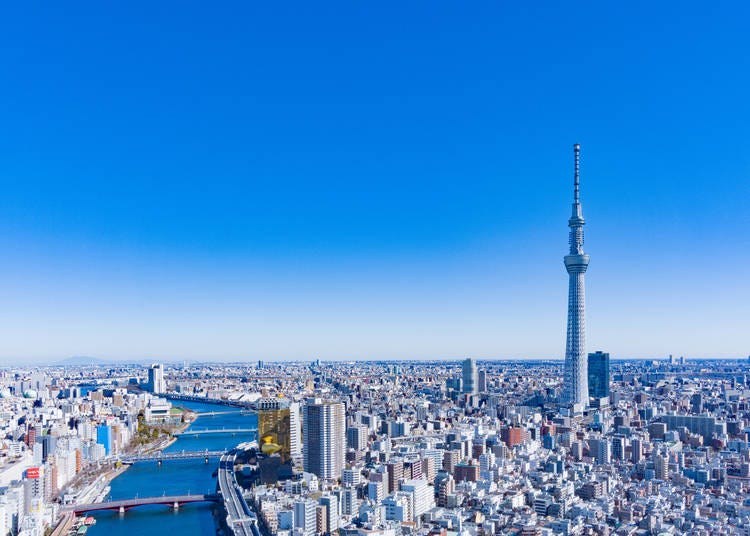
Tokyo is a city where cutting-edge urban infrastructure exists alongside traditions dating back to the Edo period, as well as a wide range of pop culture. Tokyo’s accommodation tax is used to improve the visitor environment, including the installation of public Wi-Fi and digital signage, and to support the establishment and operation of Tokyo Tourist Information Centers.
| Tokyo Metropolitan Accommodation Tax | |
|---|---|
| Room Rate (per person, per night, excluding tax) | Tax Amount |
| 10,000 JPY or more and less than 15,000 JPY | 100 JPY |
| 15,000 JPY or more | 200 JPY |
※ From April 1, 2027, the tax system will change from the current flat-rate system to a flat 3% rate system.
※ Accommodation with a room rate of less than 13,000 JPY per person per night is tax-exempt.
Osaka Prefecture | Implemented since January 2017
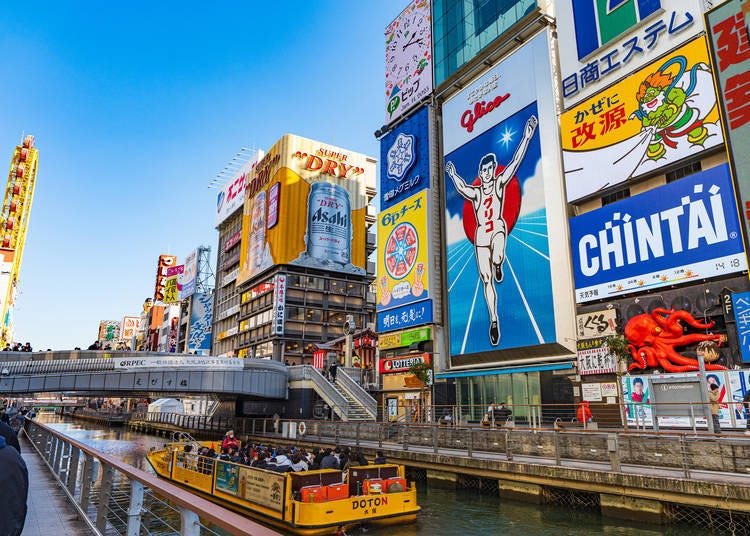
Osaka Prefecture is known for its rich food culture, often called the Kitchen of the World, and has recently drawn global attention as the host of Expo 2025. Osaka’s accommodation tax is used to strengthen safety measures for international travelers and to improve multilingual signage, helping ensure a comfortable stay.
| Osaka Prefecture Accommodation Tax | |
|---|---|
| Room Rate (per person, per night, excluding tax) | Tax Amount |
| 5,000 JPY or more and less than 15,000 JPY | 200 JPY |
| 15,000 JPY or more and less than 20,000 JPY | 400 JPY |
| 20,000 JPY or more | 500 JPY |
※ Accommodation with a room rate of less than 5,000 JPY per person per night is tax-exempt.
Kyoto City (Kyoto Prefecture) | Implemented since October 2018
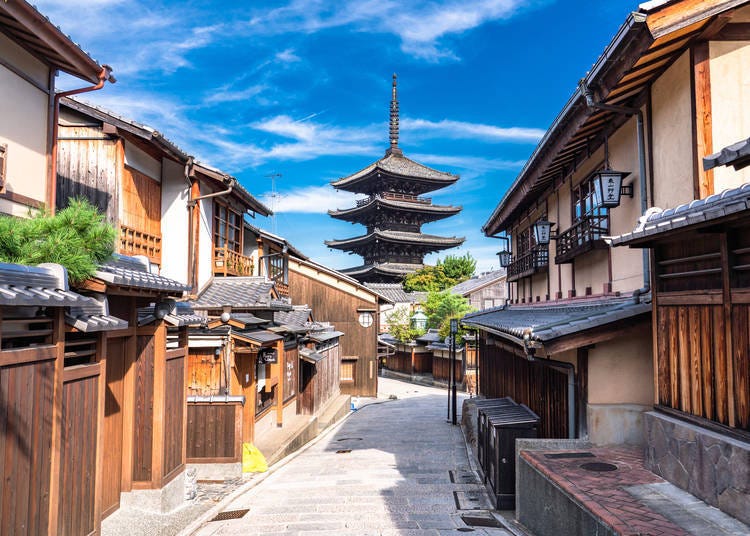
Kyoto City is home to numerous temples and shrines designated as World Cultural Heritage sites, where traditional arts and food culture cultivated over more than 1,200 years continue to thrive. Kyoto’s accommodation tax is used to preserve and pass on Kyomachiya (traditional townhouses) and to enhance historic streetscapes, including projects such as moving utility lines underground.
| Kyoto City Accommodation Tax | |
|---|---|
| Room Rate (per person, per night, excluding tax) | Tax Amount |
| Less than 6,000 JPY | 200 JPY |
| 6,000 JPY or more and less than 20,000 JPY | 400 JPY |
| 20,000 JPY or more and less than 50,000 JPY | 1,000 JPY |
| 50,000 JPY or more and less than 100,000 JPY | 4,000 JPY |
| 100,000 JPY or more | 10,000 JPY |
Kanazawa City (Ishikawa Prefecture) | Implemented since April 2019
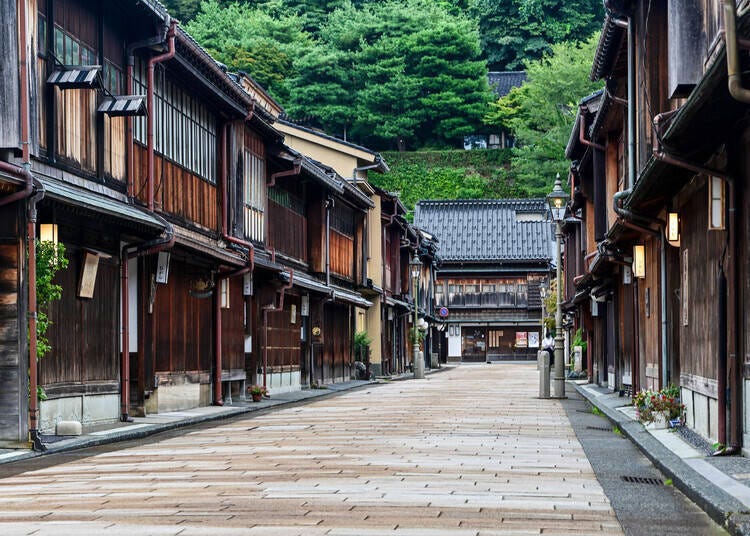
Kanazawa City is known for Kenrokuen, one of Japan’s three most beautiful gardens, the atmospheric Higashi Chaya District, and the 21st Century Museum of Contemporary Art. The accommodation tax is used to enhance the city’s distinctive appeal through its history, tradition, and culture, while promoting sustainable tourism that remains in harmony with everyday local life.
| Kanazawa City Accommodation Tax | |
|---|---|
| Room Rate (per person, per night, excluding tax) | Tax Amount |
| 5,000 JPY or more and less than 20,000 JPY | 200 JPY |
| 20,000 JPY or more | 500 JPY |
※ Accommodation with a room rate of less than 5,000 JPY per person per night is tax-exempt.
Fukuoka Prefecture / Fukuoka City / Kitakyushu City | Implemented since April 2020
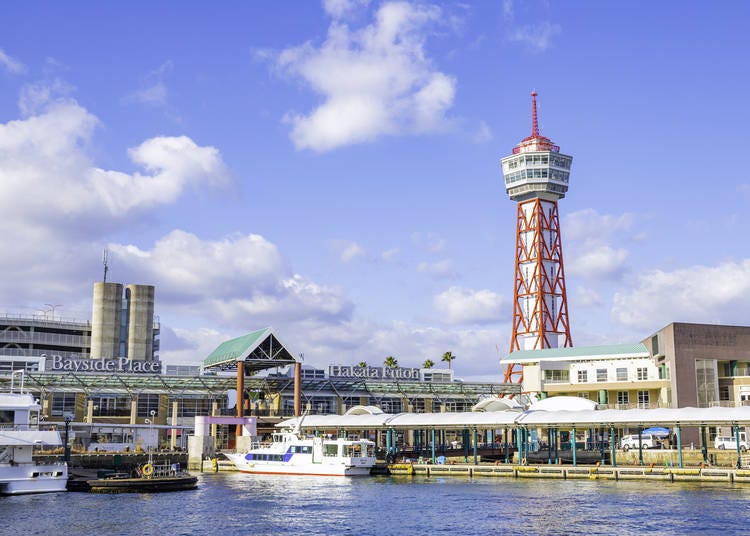
Combined Prefectural & Municipal Taxes
In the following cities, the prefectural and municipal (or town) taxes are managed as a set and collected together as a single total at the accommodation facility.
| Fukuoka Prefecture, Fukuoka City, and Kitakyushu City Accommodation Tax | |
|---|---|
| Target Area / Room Rate (per person, per night, excluding tax) | Tax Amount |
| 【Fukuoka City】Less than 20,000 JPY | 200 JPY (Includes 50 JPY prefectural tax) |
| 【Fukuoka City】20,000 JPY or more | 500 JPY (Includes 50 JPY prefectural tax) |
| 【Kitakyushu City】Per person, per night | 200 JPY (Includes 50 JPY prefectural tax) |
| 【Fukuoka Prefecture (Excluding Fukuoka & Kitakyushu Cities)】Per person, per night | 200 JPY |
Nagasaki City (Nagasaki Prefecture) | Implemented since April 2023
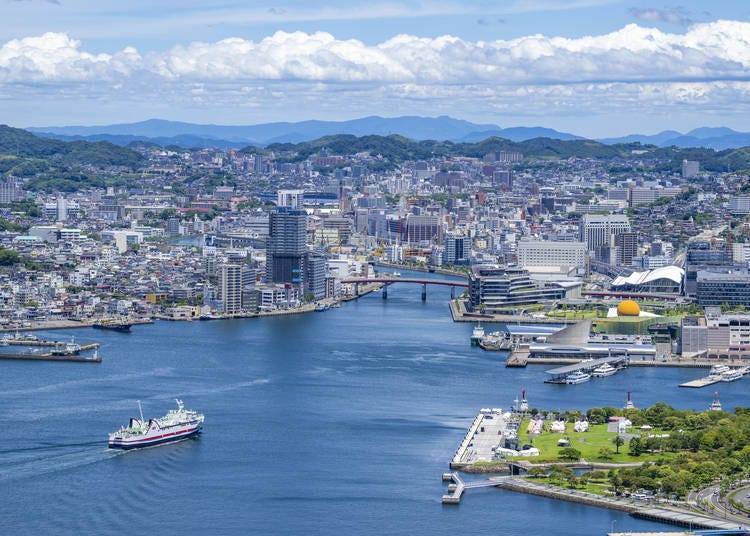
Nagasaki City is a scenic port city where historic sites blending Japanese and Western influences, such as Glover Garden and Dejima, exist alongside a night view ranked among the World’s New Three Greatest Night Views. The accommodation tax is used to improve convenience for visitors, enhance overall traveler satisfaction, and encourage repeat visits.
| Nagasaki City Accommodation Tax | |
|---|---|
| Room Rate (per person, per night, excluding tax) | Tax Amount |
| Less than 10,000 JPY | 100 JPY |
| 10,000 JPY or more and less than 20,000 JPY | 200 JPY |
| 20,000 JPY or more | 500 JPY |
Tokoname City (Aichi Prefecture) | Implemented since January 2025
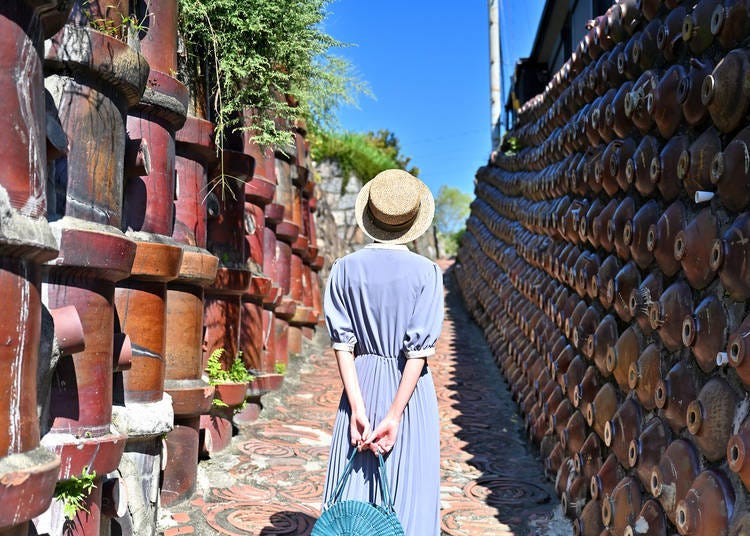
Tokoname City is a distinctive destination where international infrastructure, including Chubu Centrair International Airport and Aichi Sky Expo, exists alongside the 1,000-year history of Tokoname-yaki pottery. The accommodation tax is used to improve tourist facilities and to support promotional activities both within Japan and overseas.
| Tokoname City Accommodation Tax | |
|---|---|
| Room Rate (per person, per night, excluding tax) | Tax Amount |
| Per person, per night | 200 JPY |
Takayama City (Gifu Prefecture) | Implemented since October 2025
Takayama City preserves the architectural beauty of the Edo period, most notably in the Old Town area, and is home to the Takayama Festival, which is registered as a UNESCO Intangible Cultural Heritage. The accommodation tax is used to build on Hida Takayama’s tourism strengths, supporting urban development and sustainable regional growth.
| Takayama City Accommodation Tax | |
|---|---|
| Room Rate (per person, per night, excluding tax) | Tax Amount |
| Less than 10,000 JPY | 100 JPY |
| 10,000 JPY or more and less than 30,000 JPY | 200 JPY |
| 30,000 JPY or more | 300 JPY |
Atami City (Shizuoka Prefecture) | Implemented since April 2025
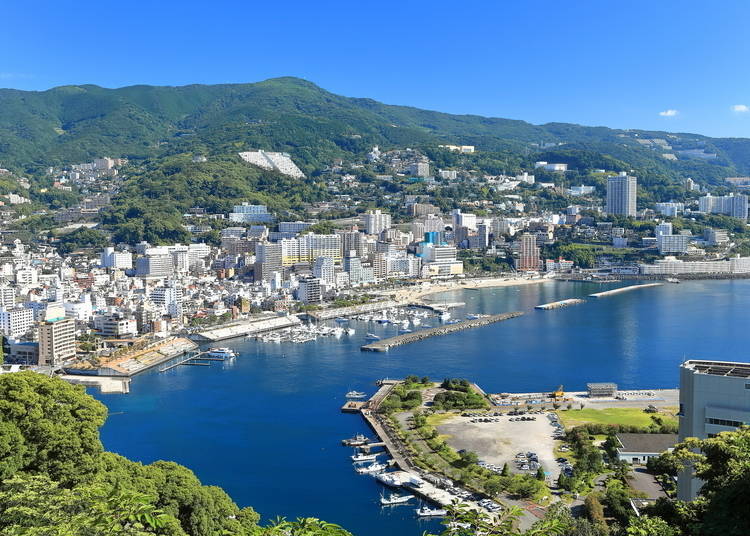
Easily accessible from Tokyo by Shinkansen, Atami is a popular resort city known for its views of Sagami Bay, abundant hot springs, and its role as a gateway to Mt. Fuji. The accommodation tax is used to improve tourist attractions, support events such as fireworks festivals, and enhance the overall visitor environment.
| Atami City Accommodation Tax | |
|---|---|
| Room Rate (per person, per night, excluding tax) | Tax Amount |
| Per person, per night | 200 JPY |
Gero City (Gifu Prefecture) | Implemented since October 2025
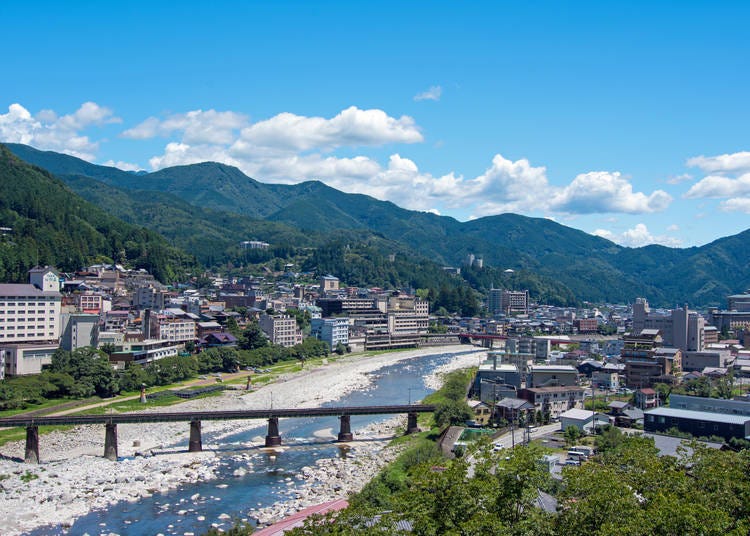
Gero City is a well-known hot spring resort, home to one of Japan’s Three Famous Springs and celebrated for its skin-beautifying waters. The accommodation tax is used to improve station facilities, maintain scenic landscapes, and support initiatives that promote sustainable tourism.
| Gero City Accommodation Tax | |
|---|---|
| Room Rate (per person, per night, excluding tax) | Tax Amount |
| Less than 5,000 JPY | 100 JPY |
| 5,000 JPY or more | 200 JPY |
Hirosaki City (Aomori Prefecture) | Implemented since December 2025
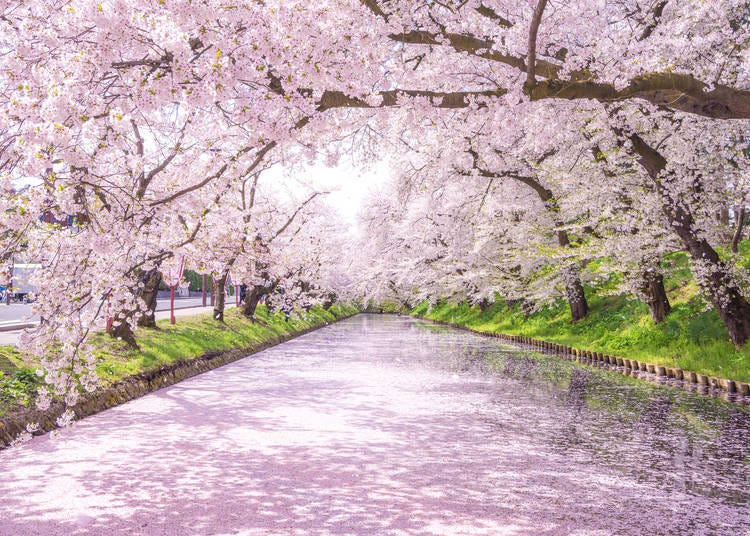
Hirosaki City is known for the cherry blossoms of Hirosaki Park, the Hirosaki Neputa Festival, and a distinctive food culture centered on apples. The accommodation tax is used to highlight and enhance Hirosaki’s natural assets, history, culture, and long-standing local traditions.
| Hirosaki City Accommodation Tax | |
|---|---|
| Room Rate (per person, per night, excluding tax) | Tax Amount |
| Per person, per night | 200 JPY |
Matsue City (Shimane Prefecture) | Implemented since December 2025
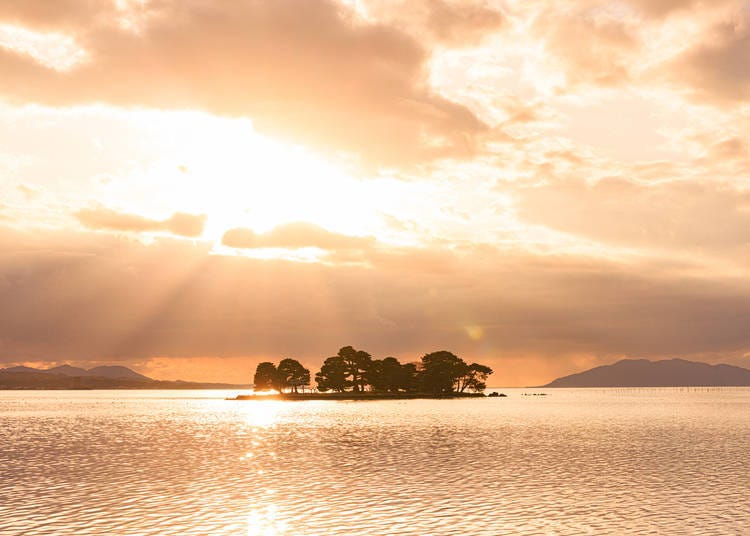
Known as the City of Water, Matsue City is home to the national treasure Matsue Castle and is celebrated for the sunsets over Lake Shinji. The accommodation tax is used to strengthen Matsue’s appeal as an International City of Culture and Tourism, while supporting its long-term sustainability as a travel destination.
| Matsue City Accommodation Tax | |
|---|---|
| Room Rate (per person, per night, excluding tax) | Tax Amount |
| 5,000 JPY or more | 200 JPY |
※ Accommodation with a room rate of less than 5,000 JPY per person per night is tax-exempt.
Miyagi Prefecture / Sendai City | Implemented since January 2026
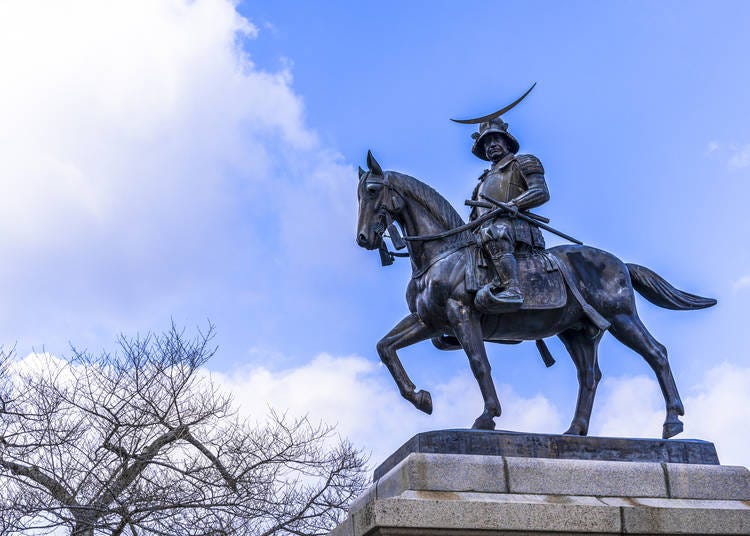
Combined Prefectural & Municipal Taxes
In the following cities, the prefectural and municipal (or town) taxes are managed as a set and collected together as a single total at the accommodation facility.
| Miyagi Prefecture and Sendai City Accommodation Tax | |
|---|---|
| Target Area / Room Rate (per person, per night, excluding tax) | Tax Amount |
| 【Sendai City】6,000 JPY or more | 300 JPY (Includes 200 JPY prefectural tax) |
| 【Miyagi Prefecture (Excluding Sendai City)】6,000 JPY or more | 300 JPY |
Hiroshima Prefecture | Implemented since April 2026
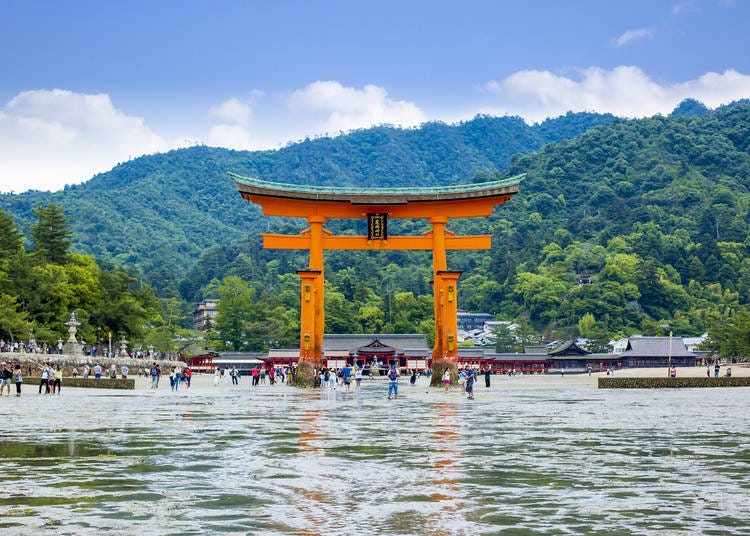
Hiroshima Prefecture draws visitors from around the world to iconic sites such as the floating torii gate of Itsukushima Shrine and the Atomic Bomb Dome. The accommodation tax is used to encourage travel throughout the prefecture and to support the sustainable growth of the local tourism industry.
| Hiroshima Prefecture Accommodation Tax | |
|---|---|
| Room Rate (per person, per night, excluding tax) | Tax Amount |
| 6,000 JPY or more | 200 JPY |
※ Accommodation with a room rate of less than 6,000 JPY per person per night is tax-exempt.
Gifu City (Gifu Prefecture) | Implemented since April 2026
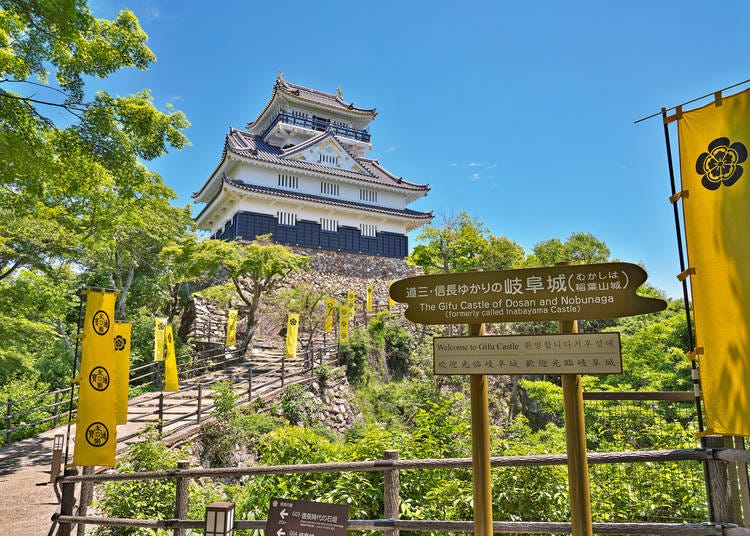
Gifu City is known for Gifu Castle and Mt. Kinka, as well as the traditional practice of cormorant fishing on the Nagara River. The accommodation tax is used to strengthen the city’s appeal and to encourage visits and cultural exchange among both domestic and international travelers.
| Gifu City Accommodation Tax | |
|---|---|
| Room Rate (per person, per night, excluding tax) | Tax Amount |
| Per person, per night | 200 JPY |
Yugawara Town (Kanagawa) | Implemented since April 2026
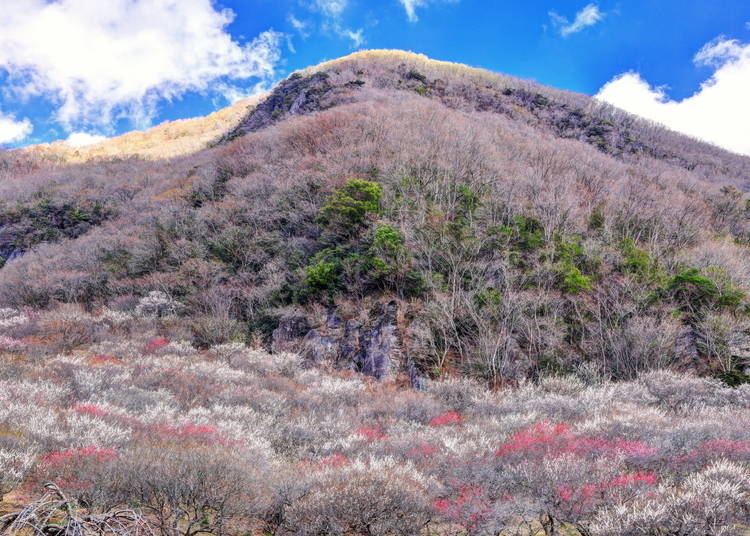
Yugawara Town in Kanagawa Prefecture is a long-established hot spring resort favored by literary figures and known for the Yugawara Plum Grove, where around 4,000 plum trees come into bloom each year. The accommodation tax is used to support initiatives that highlight the town’s distinctive character and to improve the environment for welcoming visitors.
| Yugawara Town Accommodation Tax | |
|---|---|
| Room Rate (per person, per night, excluding tax) | Tax Amount |
| Less than 50,000 JPY | 300 JPY |
| 50,000 JPY or more | 500 JPY |
Toba City (Mie) | Implemented since April 2026

Toba City in Mie Prefecture is known as the birthplace of cultured pearls and offers a mix of natural and cultural attractions, from sea otters at Toba Aquarium to encounters with traditional Ama, female free divers. The accommodation tax is used to preserve and make effective use of the distinctive landscapes and regional resources of Ise-Shima National Park.
| Toba City Accommodation Tax | |
|---|---|
| Room Rate (per person, per night, excluding tax) | Tax Amount |
| Per person, per night | 200 JPY |
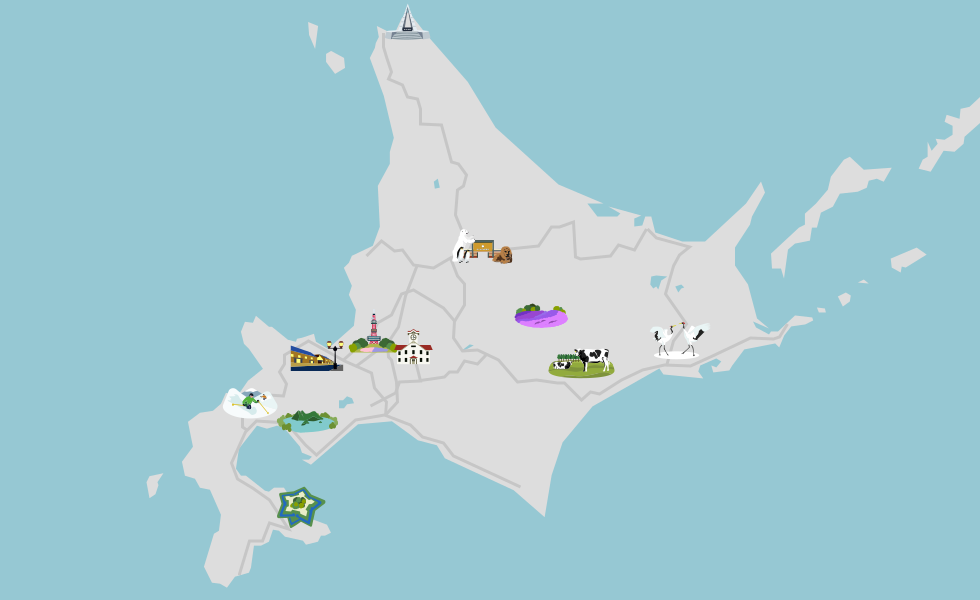
Hokkaido Prefecture| Implemented since April 2026
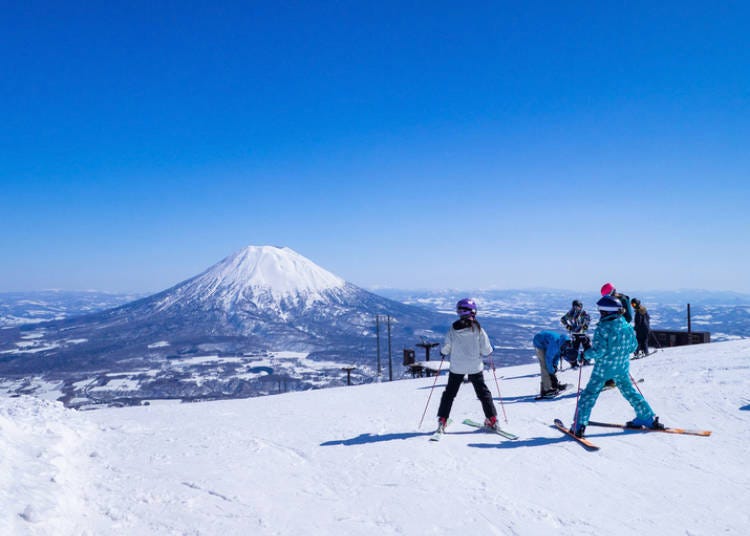
Hokkaido consists of 179 municipalities. In addition to the Hokkaido Prefectural Accommodation Tax, several specific municipalities also levy their own local accommodation taxes. These taxes are operated as a set, so please be aware that both may apply simultaneously.
Municipalities with additional local taxes:
●Central Hokkaido Area: Sapporo, Otaru, Kutchan, Niseko, Akaigawa, Rusutsu, Shimukappu
●Southern Hokkaido Area: Hakodate
●Northern Hokkaido Area: Asahikawa, Furano
●Eastern Hokkaido Area: Kitami, Abashiri, Obihiro, Otofuke, Shintoku, Kushiro
For more detailed information on Hokkaido's accommodation tax system, please refer to our dedicated guide here.
The introduction of an accommodation tax is also planned in the following municipalities.
Nagano Prefecture & Municipalities | Implemented since June 2026
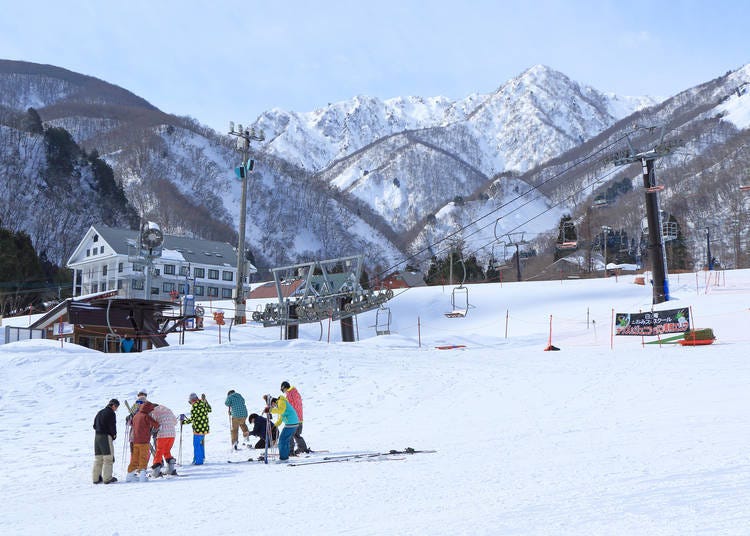
Nagano Prefecture is home to world-class ski resorts known for some of the finest powder snow in the world. Nagano Prefecture, along with Matsumoto City, Karuizawa Town, Achi Village, and Hakuba Village, plans to introduce an accommodation tax starting in June 2026.
| Nagano Prefecture and Related Municipalities Accommodation Tax | |
|---|---|
| Target Area / Room Rate (per person, per night, excluding tax) | Tax Amount |
| 【Nagano Prefecture (Excluding the municipalities below)】 Per person, per night | 200 JPY |
| 【Matsumoto City】 Per person, per night | 200 JPY (Includes 100 JPY prefectural tax) |
| 【Karuizawa Town】 6,000 JPY or more and less than 10,000 JPY | 200 JPY (Includes 100 JPY prefectural tax) |
| 【Karuizawa Town】 10,000 JPY or more and less than 100,000 JPY | 250 JPY (Includes 100 JPY prefectural tax) |
| 【Karuizawa Town】 100,000 JPY or more | 700 JPY (Includes 100 JPY prefectural tax) |
| 【Achi Village】 Per person, per night | 300 JPY (Includes 100 JPY prefectural tax) |
| 【Hakuba Village】 6,000 JPY or more and less than 20,000 JPY | 200 JPY (Includes 100 JPY prefectural tax) |
| 【Hakuba Village】 20,000 JPY or more and less than 50,000 JPY | 400 JPY (Includes 100 JPY prefectural tax) |
| 【Hakuba Village】 50,000 JPY or more and less than 100,000 JPY | 900 JPY (Includes 100 JPY prefectural tax) |
| 【Hakuba Village】 100,000 JPY or more | 1,900 JPY (Includes 100 JPY prefectural tax) |
※ The accommodation tax for Nagano Prefecture, Matsumoto City, Karuizawa Town, Achi Village, and Hakuba Village is scheduled to be raised in June 2029.
Kumamoto City | Implemented since July 2026
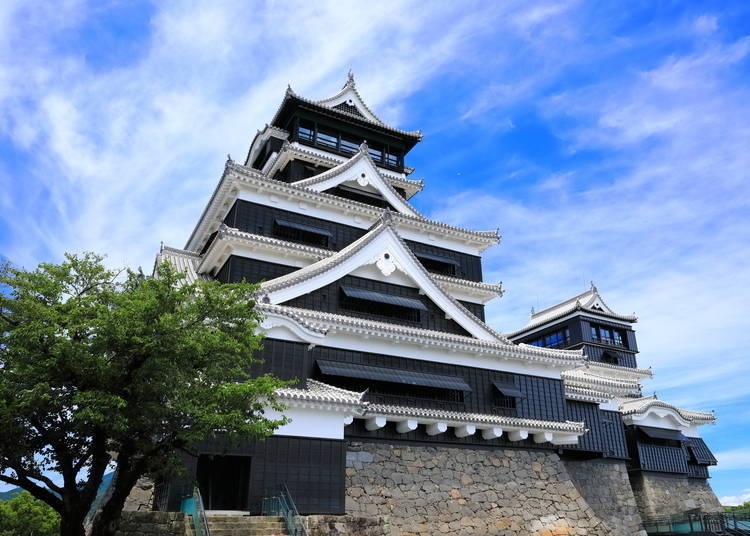
Kumamoto City in Kumamoto Prefecture is home to Kumamoto Castle, a symbol of resilience following its restoration after the major earthquake, as well as the traditional Japanese garden Suizenji Jojuen. The accommodation tax is used to enhance the appeal of the city’s tourism resources and to create a more comfortable environment for visitors.
| Kumamoto City Accommodation Tax | |
|---|---|
| Room Rate (per person, per night, excluding tax) | Tax Amount |
| Per person, per night | 200 JPY |
Miyazaki City (Miyazaki Prefecture) | Implemented since July 2026
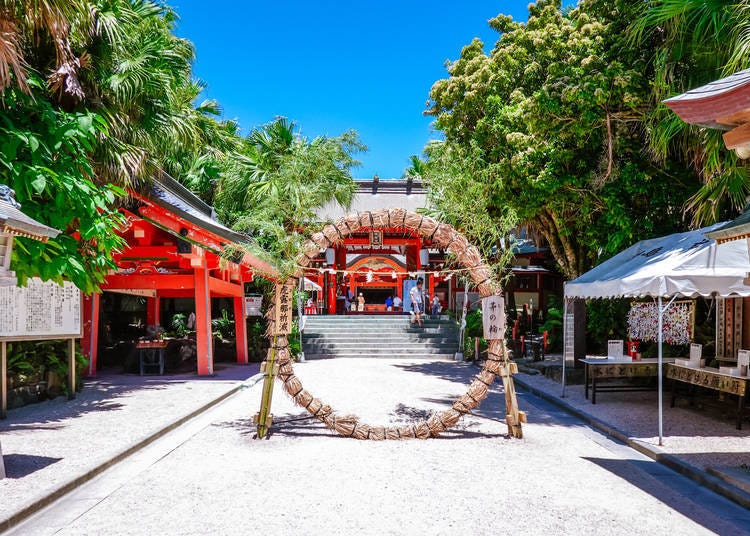
Miyazaki City in Miyazaki Prefecture is known as a cradle of Japanese mythology and is home to landmarks such as Aoshima Shrine, which appears to float on the blue sea. The accommodation tax is used to improve the visitor environment and to further develop the city’s distinctive tourism resources.
| Miyazaki City Accommodation Tax | |
|---|---|
| Room Rate (per person, per night, excluding tax) | Tax Amount |
| Per person, per night | 200 JPY |
Morioka City (Iwate Prefecture) | Scheduled for October 2026
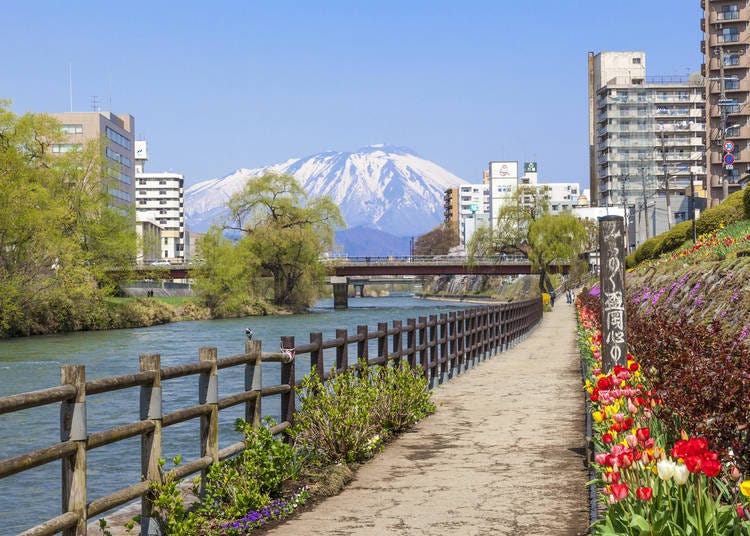
Morioka City in Iwate Prefecture has been praised by the New York Times for its compact charm, where Western-style architecture from the Meiji and Taisho eras and abundant natural scenery can all be enjoyed within walking distance. The accommodation tax is used to further develop the city’s distinctive tourism resources and to enhance the overall visitor experience.
| Morioka City Accommodation Tax | |
|---|---|
| Room Rate (per person, per night, excluding tax) | Tax Amount |
| Per person, per night | 200 JPY |
Nasu Town (Tochigi Prefecture) | Scheduled for implementation in October 2026
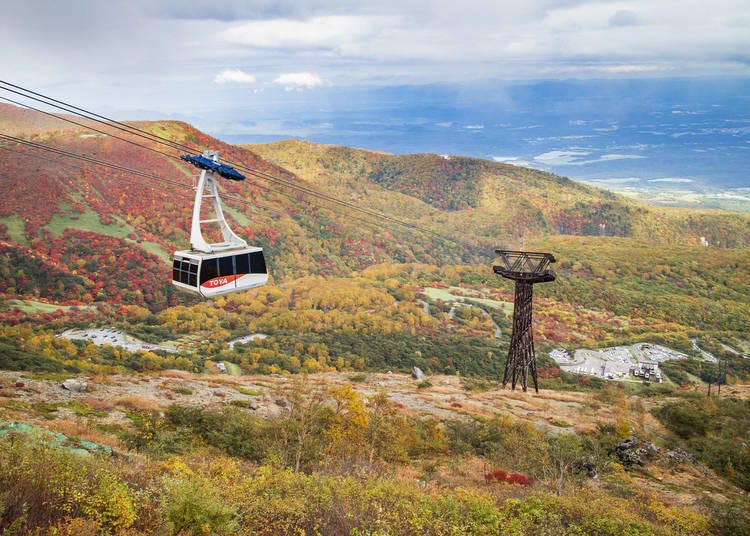
Nasu Town in Tochigi Prefecture is home to the Imperial Villa, where members of the Imperial Family come to rest. Known as a Royal Resort, the area features elegant streetscapes and the natural beauty of the Nasu Mountain Range. The accommodation tax is used to protect the town’s highland landscapes and to maintain hiking trails with improved multilingual guidance.
| Nasu Town Accommodation Tax | |
|---|---|
| Room Rate (per person, per night, excluding tax) | Tax Amount |
| Less than 10,000 JPY | 100 JPY |
| 10,000 JPY or more and less than 20,000 JPY | 300 JPY |
| 20,000 JPY or more and less than 30,000 JPY | 500 JPY |
| 30,000 JPY or more and less than 50,000 JPY | 800 JPY |
| 50,000 JPY or more and less than 100,000 JPY | 1,500 JPY |
| 100,000 JPY or more | 3,000 JPY |
Okinawa Prefecture | Scheduled for implementation in February 2027
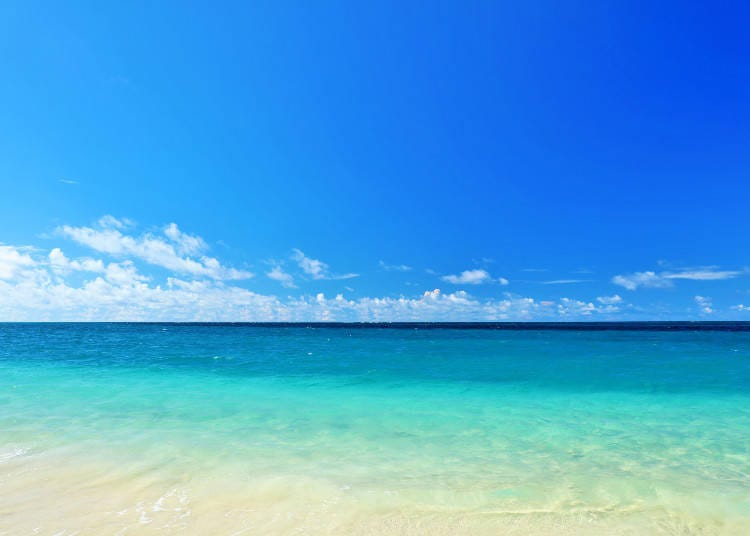
Okinawa is one of Japan’s premier resort destinations, captivating travelers from around the world with its stunning emerald-green seas, lush nature, and unique Ryukyuan culture.
The Okinawa Accommodation Tax will be used to preserve our precious natural environment and historic landscapes, improve tourism infrastructure, and create a comfortable, sustainable destination for everyone.
| Okinawa Prefecture Accommodation Tax | |
|---|---|
| Room Rate (per person, per night, excluding tax) | Tax Rate / Tax Amount |
| Per person, per night | Flat rate of 2% (※ Maximum 2,000 JPY) |
※ When staying in the target municipalities (Nago City, Motobu Town, Onna Village, Chatan Town, Miyakojima City, Ishigaki City), the total tax rate (2%) and the maximum amount (2,000 JPY) paid by the traveler remain the same.
※ The breakdown of the collected 2% is "Municipal tax: 1.2%" and "Okinawa Prefecture tax: 0.8%".
Shirahama Town (Wakayama) | Scheduled for implementation in March 2027
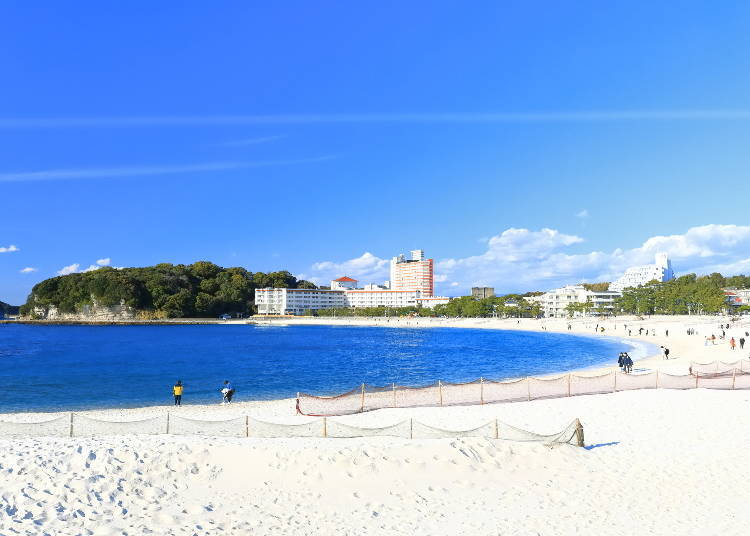
Shirahama in Wakayama Prefecture is one of the Kansai region's premier beach resorts, famous for Shirarahama Beach with its white sand and emerald-green waters, the historic Shirahama Onsen, and popular theme parks.
The Shirahama Accommodation Tax will be used to improve traveler facilities, enhance our appeal as a sustainable international destination, and ensure safety and disaster preparedness.
| Shirahama Town Accommodation Tax | |
|---|---|
| Room Rate (per person, per night, excluding tax) | Tax Amount |
| Less than 10,000 JPY | 200 JPY |
| 10,000 JPY or more and less than 20,000 JPY | 300 JPY |
| 20,000 JPY or more and less than 50,000 JPY | 500 JPY |
| 50,000 JPY or more | 1,000 JPY |
Fujiyoshida City & Fujikawaguchiko Town (Yamanashi) | Starting April 2027
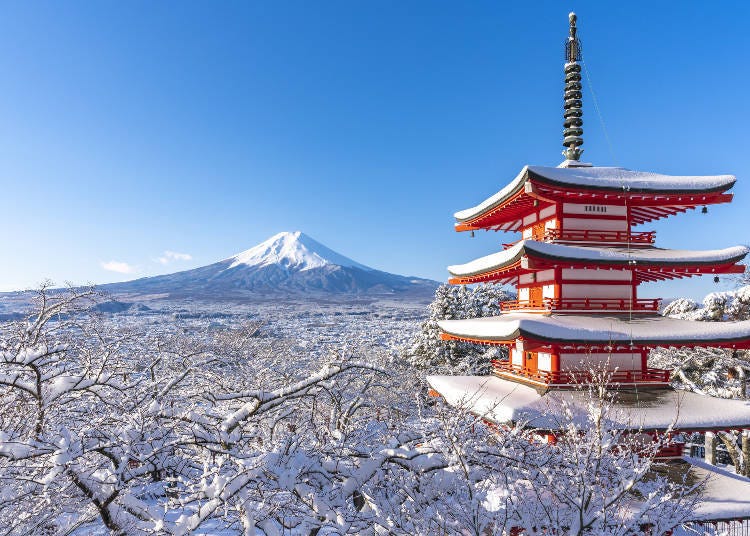
Fujiyoshida City and Fujikawaguchiko Town in Yamanashi Prefecture captivate travelers from around the world with their majestic views of Mount Fuji and the stunning natural beauty of the surrounding Fuji Five Lakes.
The accommodation tax introduced by both municipalities will be used to manage heavy crowding (overtourism) around Mount Fuji, promote tourist etiquette, preserve the environment, and enhance multilingual visitor services.
| Fujiyoshida City and Fujikawaguchiko Town Accommodation Tax | |
|---|---|
| Room Rate (per person, per night, excluding tax) | Tax Amount |
| Per person, per night | 200 JPY |
[2026 Latest] Japan Accommodation Tax Guide: Rates & Rules by Municipality
| Municipality | Implementation Date | Room Rate (per person, per night, excluding tax) | Tax Amount |
|---|---|---|---|
| Tokyo | Oct 2002※Revision scheduled for Apr 2027 | 10,000 JPY or more and less than 15,000 JPY | 100 JPY |
| 15,000 JPY or more | 200 JPY | ||
| Osaka Prefecture | Jan 2017 | 5,000 JPY or more and less than 15,000 JPY | 200 JPY |
| 15,000 JPY or more and less than 20,000 JPY | 400 JPY | ||
| 20,000 JPY or more | 500 JPY | ||
| Kyoto City (Kyoto Prefecture) | Oct 2018※Revised Mar 2026 | Less than 6,000 JPY | 200 JPY |
| 6,000 JPY or more and less than 20,000 JPY | 400 JPY | ||
| 20,000 JPY or more and less than 50,000 JPY | 1,000 JPY | ||
| 50,000 JPY or more and less than 100,000 JPY | 4,000 JPY | ||
| 100,000 JPY or more | 10,000 JPY | ||
| Kanazawa City (Ishikawa Prefecture) | Apr 2019 | 5,000 JPY or more and less than 20,000 JPY | 200 JPY |
| 20,000 JPY or more | 500 JPY | ||
| Fukuoka Prefecture (Entire area) (Including Fukuoka City and Kitakyushu City) |
Apr 2020 | 【Fukuoka City】 Less than 20,000 JPY | 200 JPY※Includes 50 JPY prefectural tax |
| 【Fukuoka City】 20,000 JPY or more | 500 JPY※Includes 50 JPY prefectural tax | ||
| 【Other areas in pref. & Kitakyushu City】 Per person, per night | 200 JPY※Includes 50 JPY prefectural tax | ||
| Nagasaki City (Nagasaki Prefecture) | Apr 2023※Increase under consideration for 2027 | Less than 10,000 JPY | 100 JPY |
| 10,000 JPY or more and less than 20,000 JPY | 200 JPY | ||
| 20,000 JPY or more | 500 JPY | ||
| Tokoname City (Aichi Prefecture) | Jan 2025 | Per person, per night | 200 JPY |
| Atami City (Shizuoka Prefecture) | Apr 2025 | Per person, per night | 200 JPY |
| Takayama City (Gifu Prefecture) | Oct 2025 | Less than 10,000 JPY | 100 JPY |
| 10,000 JPY or more and less than 30,000 JPY | 200 JPY | ||
| 30,000 JPY or more | 300 JPY | ||
| Gero City (Gifu Prefecture) | Oct 2025 | Less than 5,000 JPY | 100 JPY |
| 5,000 JPY or more | 200 JPY | ||
| Hirosaki City (Aomori Prefecture) | Dec 2025 | Per person, per night | 200 JPY |
| Matsue City (Shimane Prefecture) | Dec 2025 | 5,000 JPY or more | 200 JPY |
| Miyagi Prefecture (Entire area) (Including Sendai City) |
Jan 2026 | 【Sendai City】 6,000 JPY or more | 300 JPY※Includes 200 JPY prefectural tax |
| 【Miyagi Prefecture (Excluding Sendai City)】 6,000 JPY or more | 300 JPY | ||
| Hiroshima Prefecture | Apr 2026 | 6,000 JPY or more | 200 JPY |
| Gifu City (Gifu Prefecture) | Apr 2026 | Per person, per night | 200 JPY |
| Yugawara Town (Kanagawa Prefecture) | Apr 2026 | Less than 50,000 JPY | 300 JPY |
| 50,000 JPY or more | 500 JPY | ||
| Toba City (Mie Prefecture) | Apr 2026 | Per person, per night | 200 JPY |
| Hokkaido (Some municipalities including Sapporo City, Otaru City, Niseko Town) |
Apr 2026 | Prefectural and municipal taxes applied together | See separate article |
| Nagano Prefecture (Entire area) | Jun 2026※Increase scheduled for 2029 | Per person, per night | 200 JPY |
| ┣ Matsumoto City | Per person, per night | 200 JPY※Includes 100 JPY prefectural tax | |
| ┣ Karuizawa Town | 6,000 JPY or more and less than 10,000 JPY | 200 JPY※Includes 100 JPY prefectural tax | |
| 10,000 JPY or more and less than 100,000 JPY | 250 JPY※Includes 100 JPY prefectural tax | ||
| 100,000 JPY or more | 700 JPY※Includes 100 JPY prefectural tax | ||
| ┣ Achi Village | Jun 2026 | Per person, per night | 300 JPY※Includes 100 JPY prefectural tax |
| ┗ Hakuba Village | Jun 2026※Increase scheduled for 2029 | 6,000 JPY or more and less than 20,000 JPY | 200 JPY※Includes 100 JPY prefectural tax |
| 20,000 JPY or more and less than 50,000 JPY | 400 JPY※Includes 100 JPY prefectural tax | ||
| 50,000 JPY or more and less than 100,000 JPY | 900 JPY※Includes 100 JPY prefectural tax | ||
| 100,000 JPY or more | 1,900 JPY※Includes 100 JPY prefectural tax | ||
| Kumamoto City (Kumamoto Prefecture) | Jul 2026 | Per person, per night | 200 JPY |
| Miyazaki City (Miyazaki Prefecture) | Jul 2026 | Per person, per night | 200 JPY |
| Morioka City (Iwate Prefecture) | Oct 2026 (Planned) | Per person, per night | 200 JPY |
| Nasu Town (Tochigi Prefecture) | Oct 2026 (Planned) | Less than 10,000 JPY | 100 JPY |
| 10,000 JPY or more and less than 20,000 JPY | 300 JPY | ||
| 20,000 JPY or more and less than 30,000 JPY | 500 JPY | ||
| 30,000 JPY or more and less than 50,000 JPY | 800 JPY | ||
| 50,000 JPY or more and less than 100,000 JPY | 1,500 JPY | ||
| 100,000 JPY or more | 3,000 JPY | ||
| Okinawa Prefecture (Entire area) (Including Nago City, Onna Village, Miyakojima City, etc.) |
Feb 2027 (Planned) | Per person, per night | Flat rate of 2%※Maximum 2,000 JPY |
| Shirahama Town (Wakayama Prefecture) | Mar 2027 (Planned) | Less than 10,000 JPY | 200 JPY |
| 10,000 JPY or more and less than 20,000 JPY | 300 JPY | ||
| 20,000 JPY or more and less than 50,000 JPY | 500 JPY | ||
| 50,000 JPY or more | 1,000 JPY | ||
| Fujiyoshida City and Fujikawaguchiko Town (Yamanashi Prefecture) | Apr 2027 (Planned) | Per person, per night | 200 JPY |
Municipalities Considering or Preparing for Accommodation Tax
At the prefectural level, reports indicate that Okinawa and Kagawa have begun discussions. At the municipal level, several areas are reportedly preparing or considering introduction, including Yuzawa (Niigata), Shirahama (Wakayama), Motobu, Onna, Chatan, Miyakojima, Ishigaki (Okinawa), Fujiyoshida, Kawaguchiko (Yamanashi), Okayama, Kurashiki (Okayama), Shodoshima (Kagawa), Kochi (Kochi), and Kagoshima (Kagoshima).
Accommodation Tax as an "Investment in the Future"
The taxes you pay are reinvested into the community—improving Wi-Fi, multilingual signage, preserving historic landscapes, and supporting traditional arts. We appreciate your cooperation in building a sustainable future for tourism in Japan.
《画像出典》pixta

Deputy General Manager
LIVE JAPAN
From Chiba Prefecture, he works extensively with Japan's Tourism Agency and local governments to promote the country's appeal worldwide, frequently traveling across Japan. His diverse achievements include the comprehensive production of a Japanese cuisine event at the National Treasure Geihinkan Akasaka Palace and delivering seminar lectures for the Tokyo Olympic and Paralympic Games Preparation Bureau. Drawing from past experiences, he developed a multilingual information system to assist foreign tourists during major disasters. Recognized by the Japan Institute of Information Technology as an "exceptional professional in IT-related fields," he brings a wealth of expertise to his work. In his free time, he enjoys visiting onsen, exploring cities, and savoring good drinks. Driven by the philosophy of "striving for the 1%," he oversees service operations, aiming to create truly valuable experiences.
*Prices and options mentioned are subject to change.
*Unless stated otherwise, all prices include tax.
Popular Tours & Activities
Recommended places for you
-
Jukuseiniku-to Namamottsuarera Nikubaru Italian Nikutaria Sannomiya
Izakaya
Kobe, Sannomiya, Kitano
-
Goods
Yoshida Gennojo-Roho Kyoto Buddhist Altars
Gift Shops
Nijo Castle, Kyoto Imperial Palace
-
ISHIDAYA Hanare
Yakiniku
Kobe, Sannomiya, Kitano
-
Niseko Village Ski Resort
Skiing & Snowboarding
Niseko / Rusutsu
-
Aquamarine Fukushima
Zoos, Aquariums & Botanical Gardens
Fukushima, Koriyama And Iwaki
-
Appealing
Rukku and Uohei
Izakaya
Sapporo / Chitose
-
28 Best Things to Do in Odaiba (2026 Updated): Tokyo's Entertainment Island
-

Haneda Airport Duty-Free Shopping Guide: What to Buy, How to Save & Where to Eat Before Your Flight
by: Guest Contributor
-
Just 2 Hours from Tokyo! Escape to Yamanashi's NIPPONIA Kosuge, Where an Entire 700-Person Village Becomes Your Hotel
by: Alice Lee
-

Seibu Group Launches New Chichibu Adventure Tourism Experience for International Travelers in 2026
by: Guest Contributor
-
ANA’s Chiikawa Jet Is Taking Off—Here’s Everything You Need to Know About Exclusive Goods, In‑Flight Fun & Travel Tips
by: Guest Contributor
-
Cracked Phone Screen in Japan? Smahospital Repair Guide: Keep Your Data, Fixed in 15 Min, Multilingual Support | Up to 10,000 Yen Off with LIVE JAPAN Coupon
-

Oga Aquarium GAO Guide: Fish, Polar Bears and...Godzilla?
-
This Spring, Taste Japan's Finest Sake in Tokyo! CRAFT SAKE WEEK Returns to Roppongi Hills
by: Timothy Sullivan
-
3 Famous Ramen Shops in Yamagata - Japan's "Ramen Prefecture"!
-
Osaka Travel Service Center: So Many Incredibly Convenient Services - in English!
by: WESTPLAN
-
Transparent Bathrooms?! You Won't Believe What Tokyo Just Did With Its Public Toilets
-
YOKAI Festival 2026 at Uzamasa Kyoto Village: 4 Must-See Yokai Shows, Spooky Sweets & More
by: Wemmy Chau
- #best sushi japan
- #what to do in odaiba
- #what to bring to japan
- #new years in tokyo
- #best ramen japan
- #what to buy in ameyoko
- #japanese nail trends
- #things to do japan
- #onsen tattoo friendly tokyo
- #daiso
- #best coffee japan
- #best japanese soft drinks
- #best yakiniku japan
- #japanese fashion culture
- #japanese convenience store snacks