



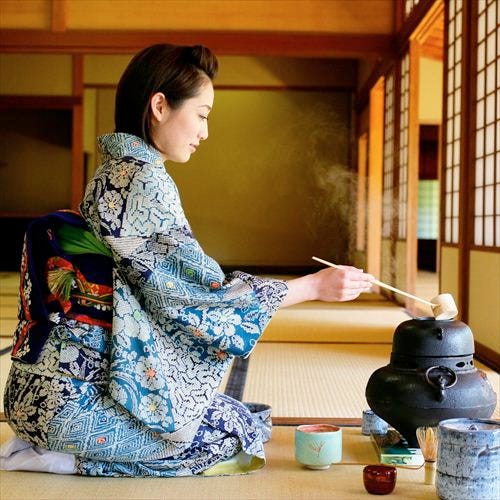

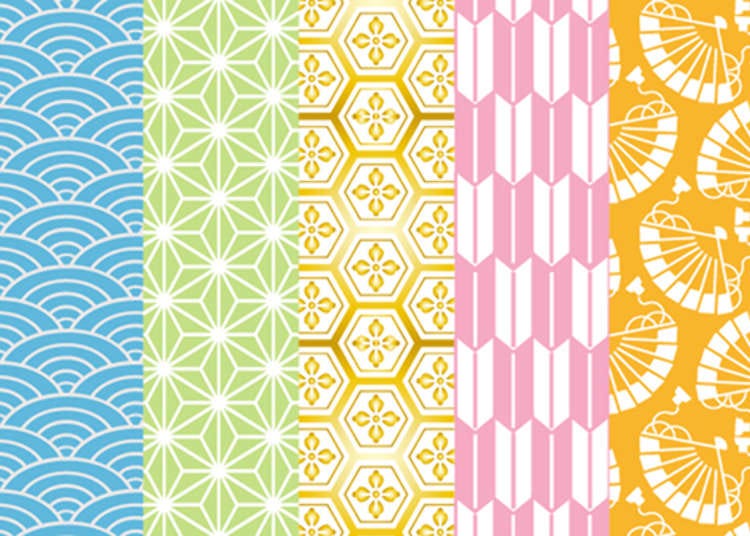
Did you know that Japan’s traditional designs, known as Wagara, are not just beautiful but also packed with meaning? These classic Japanese patterns are everywhere—from kimono to packaging—and they each carry a special significance. Let’s uncover the deeper meanings behind some popular Wagara patterns!
1. Wave Crest - Seigaiha
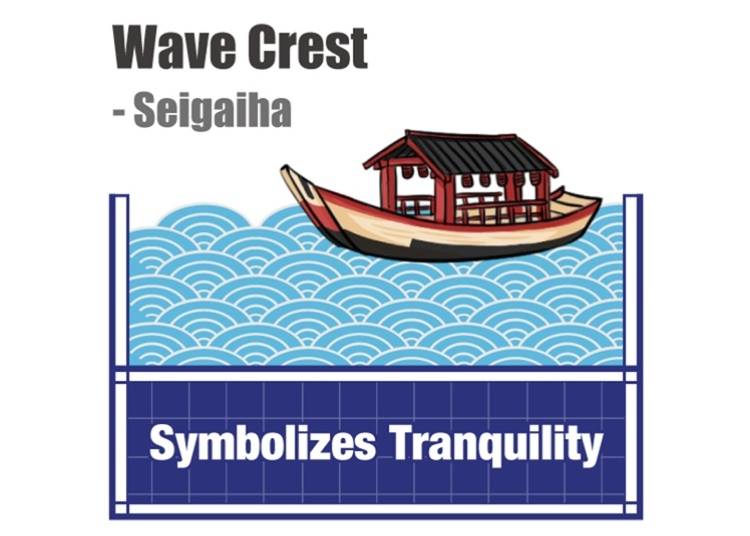
This fan-shaped pattern resembles gentle ocean waves, symbolizing a wish for peace and a calm, harmonious life. It’s a popular choice for items meant to bring serenity and positivity.
2. Hemp Leaf - Asanoha

Shaped like hemp leaves, this pattern represents growth and resilience. It’s often associated with children’s health and well-being, as hemp is known for its durability and rapid growth.
3. Tortoise Shell - Kikkou

With a pattern that mimics tortoise shells, Kikkou symbolizes longevity. Since tortoises are considered a symbol of a long life in Japan, this design is a wish for health and endurance.
4. Fletching - Yagasuri
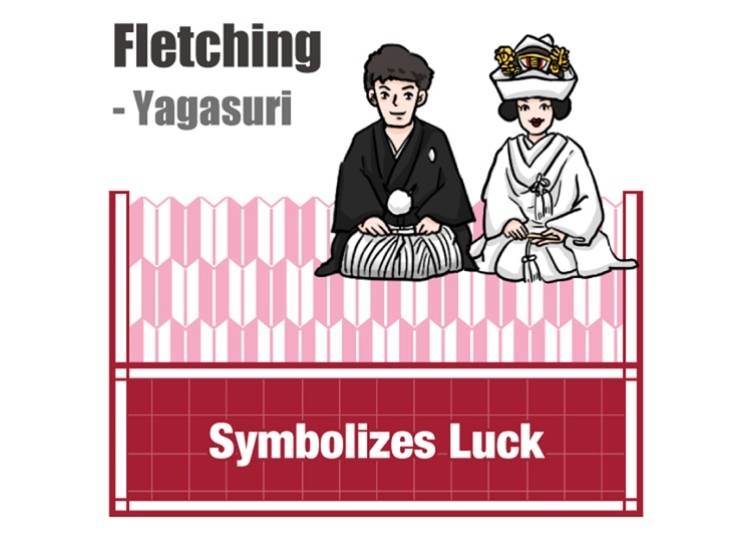
This pattern is inspired by the fletching (feathers) on arrows and is thought to bring good fortune, especially at weddings. In Japan, there’s a saying that once an arrow is fired, it doesn’t return, symbolizing commitment and forward momentum.
5. Folding Fan - Uchiwa
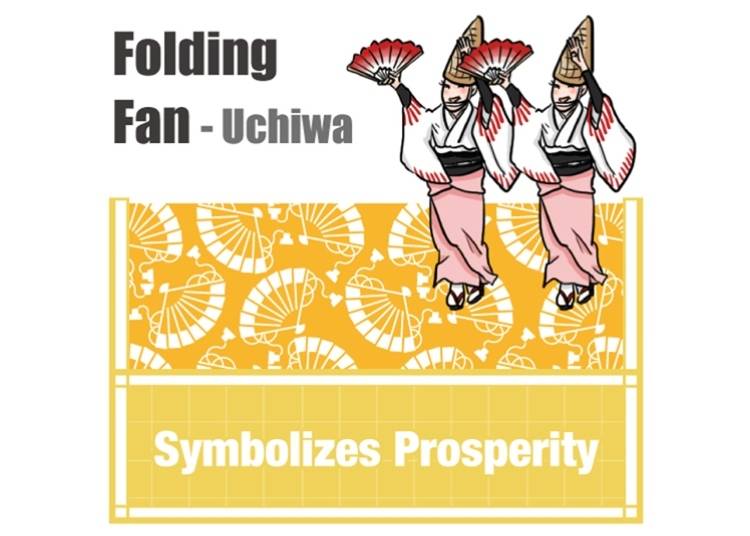
This design looks like an opened fan, which stands for growth, development, and prosperity. The pattern suggests that life, like a fan, can open up to wonderful new opportunities.
If you’re looking for a meaningful souvenir, consider a wrapping cloth or a towel featuring one of these traditional patterns—your friends will love learning about the symbolism behind it! Next time you’re in Japan, keep an eye out for these charming designs and see which Wagara pattern resonates with you!
Illustrations courtesy of Manga de Japan
*Prices and options mentioned are subject to change.
*Unless stated otherwise, all prices include tax.
Popular Tours & Activities
Recommended places for you
-
Goods
Yoshida Gennojo-Roho Kyoto Buddhist Altars
Gift Shops
Nijo Castle, Kyoto Imperial Palace
-
Appealing
Rukku and Uohei
Izakaya
Sapporo / Chitose
-
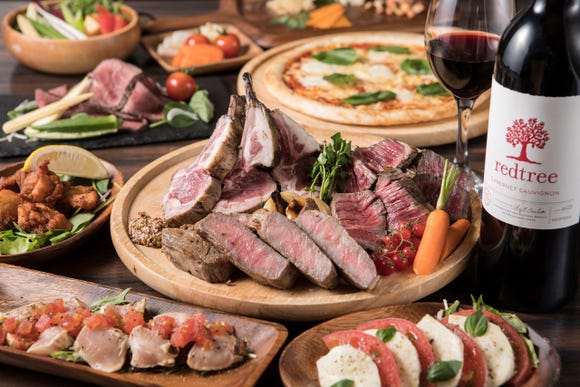
Jukuseiniku-to Namamottsuarera Nikubaru Italian Nikutaria Sannomiya
Izakaya
Kobe, Sannomiya, Kitano
-
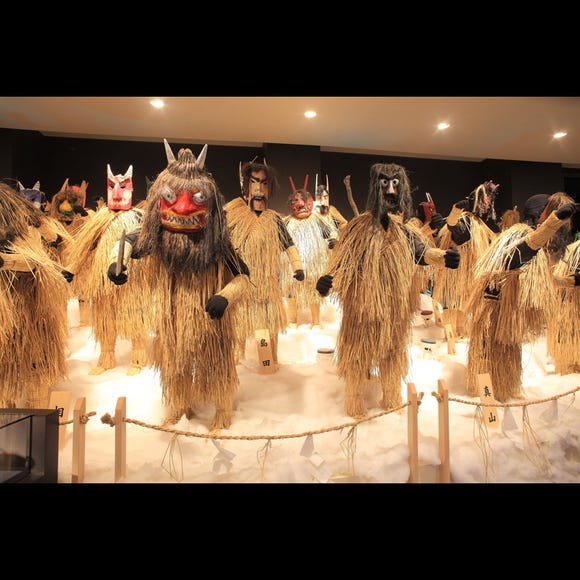
Namahage Museum
Other Museums
Surrounding Areas Of Akita
-
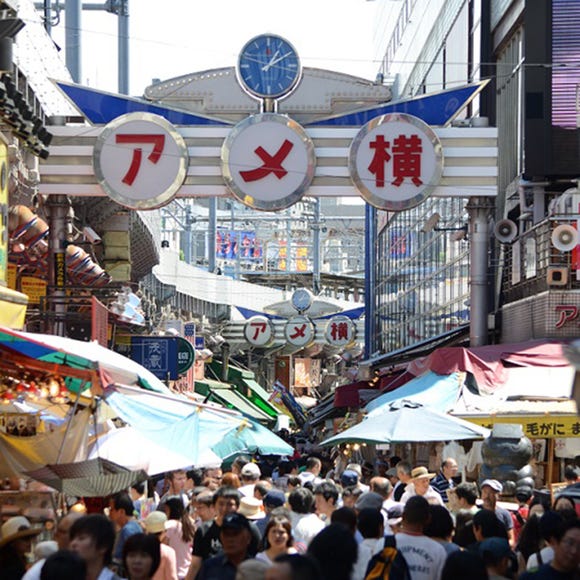
Ameyoko Shopping Street
Old Towns (Shitamachi)
Ueno
-
ISHIDAYA Hanare
Yakiniku
Kobe, Sannomiya, Kitano
-
Pocket WiFi Rental in Japan 2026: Complete Price Comparison & Where to Get the Best Deal
-

Daikoku PA Car Meet: What Is JDM, and Why Do Enthusiasts Flock Here?
-
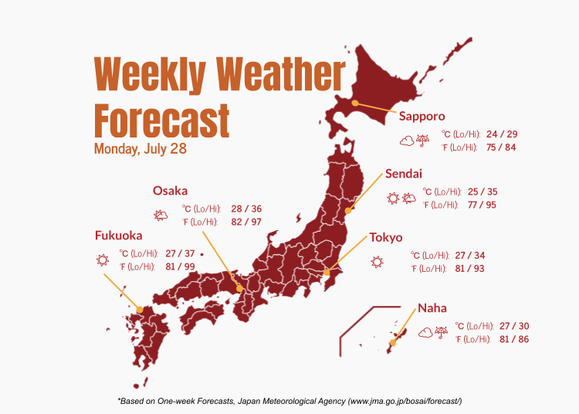
7-Day Japan Weather Forecast: Tokyo, Osaka, Sapporo, Sendai, Fukuoka, Naha – Plan & Pack Smart for Your Trip
-

The Best Sumo Experiences in Tokyo: Morning Practices vs. Sumo Shows
-
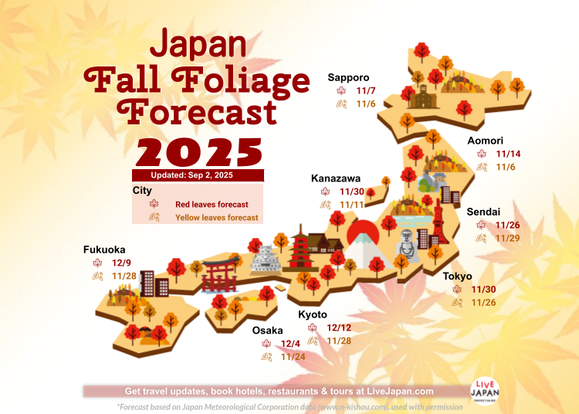
Autumn in Japan 2026: Fall Foliage Forecast & Where to Enjoy the Colorful Leaves (+Tour Info)
-

ANA’s Chiikawa Jet Is Taking Off—Here’s Everything You Need to Know About Exclusive Goods, In‑Flight Fun & Travel Tips
by: Guest Contributor
-
Ad
Discover Timeless Beauty: Kimono-en, a Web Magazine Exploring the Spirit of Kimono
-
Ikebukuro Station Area Guide: Top 15 Spots When You Escape the Station's Maze!
-

Experience Ainu Culture at Upopoy National Ainu Museum and Park
-

Geisha in Kyoto Struggle to Protect Traditions in Face of Coronavirus
by: Cassandra Lord
-
Takahan Ryokan: Enjoy Spectacular Hot Spring Views at Yuzawa's Premier Traditional Inn!
-
What is a Goshuin? All About Traditional Japanese Shrine Seals (and why you'll be addicted to collecting them!)
by: Lucio Maurizi
- #best sushi japan
- #what to do in odaiba
- #what to bring to japan
- #new years in tokyo
- #best ramen japan
- #what to buy in ameyoko
- #japanese nail trends
- #things to do japan
- #onsen tattoo friendly tokyo
- #daiso
- #best coffee japan
- #best japanese soft drinks
- #best yakiniku japan
- #japanese fashion culture
- #japanese convenience store snacks