




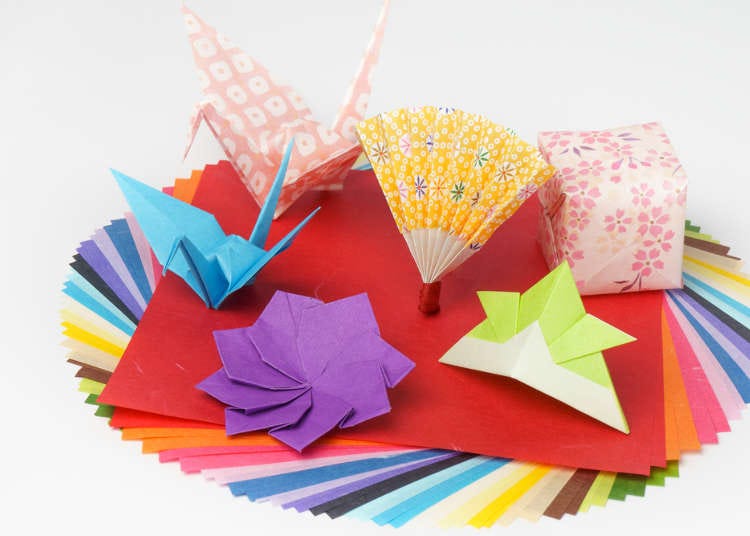
In Japan, the tradition of folding square-shaped paper to make various shapes is known as origami. This form of paper artwork can range from simple to complex. Cranes, hats, animals, flowers, and shuriken are among the most common and traditional origami creations you may come across.
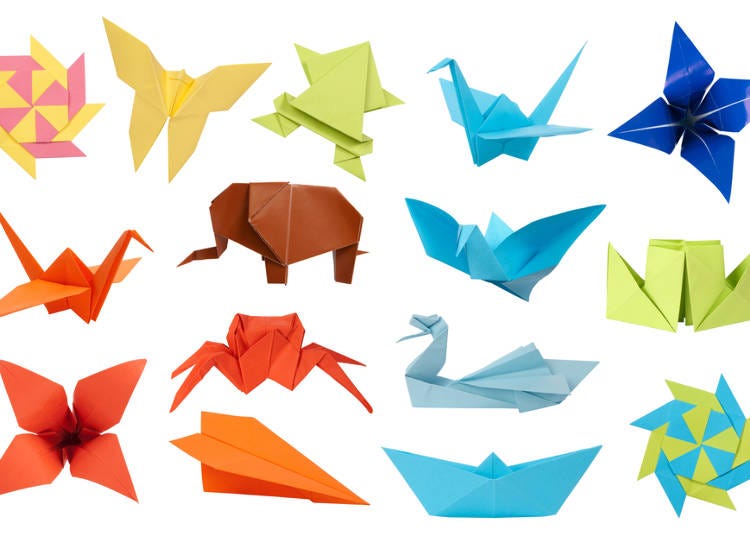
The main keys to remember when doing origami is to fold not only in the correct places, but also in the proper order.
A Skill Learned from Childhood
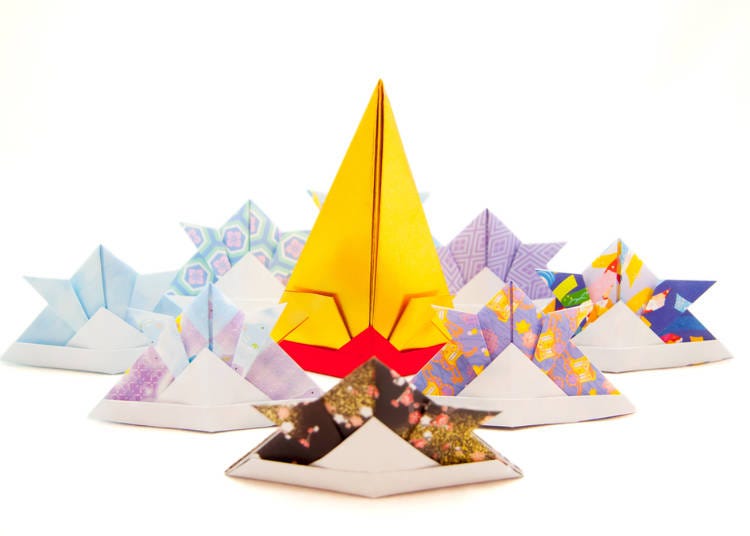
It is very common for Japanese children to learn origami at kindergarten age, starting with simple figures, and moving on to the more complex as they improve their skills. A person who is skilled at origami can make a crane in just a few short minutes, and a kabuto (helmet) in as little as 30 seconds.
Lucky Origami
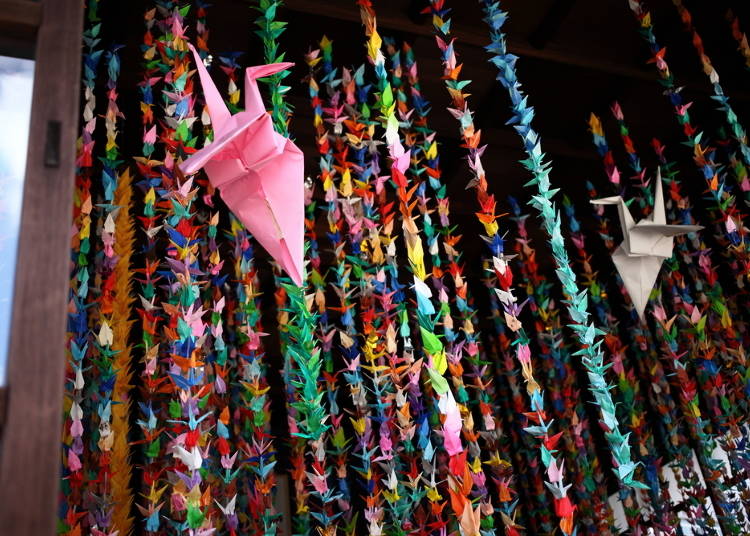
It is believed that string of 1,000 paper cranes is a symbol of longevity. It is also traditional to give this to people who are ill or hospitalized, as a way to wish for their recovery and a long, healthy life.
Chiyogami
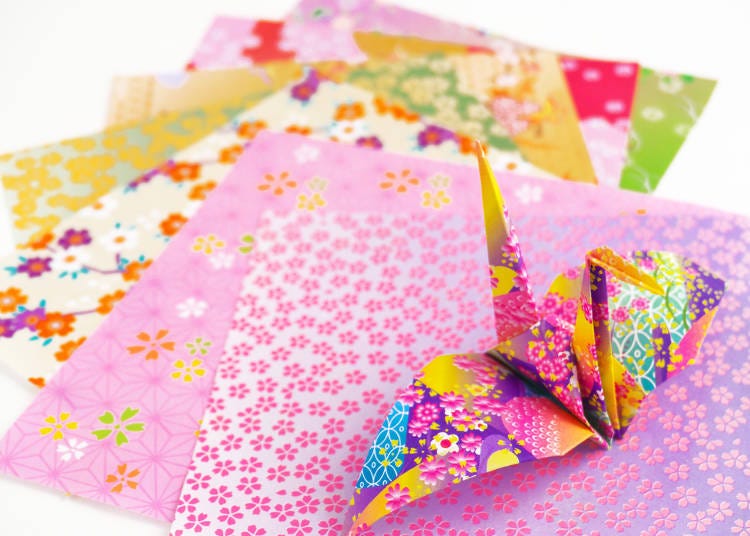
Originally, origami was always folded with a colorful type of Japanese paper called ‘chiyogami.’ During the early days of origami, the craft itself was actually referred to by this name as well. Even today, chiyogami can be seen in souvenir shops in Japan.
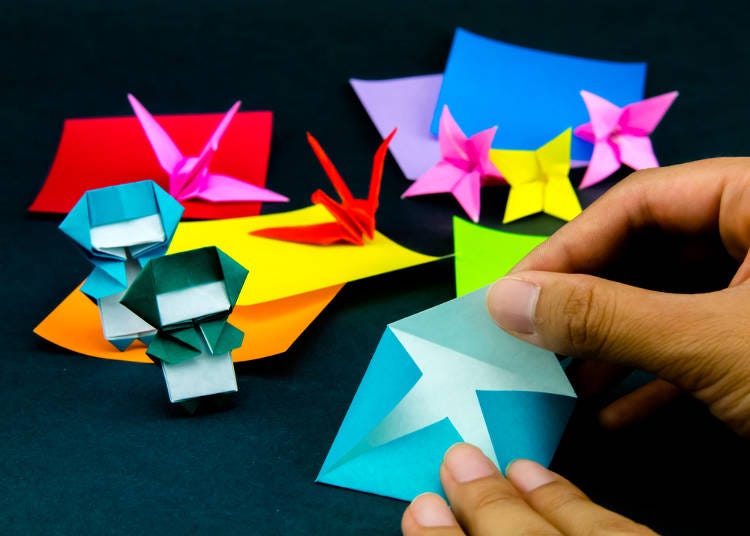
Why not try your hand at making some origami for yourself?
*Prices and options mentioned are subject to change.
*Unless stated otherwise, all prices include tax.
Popular Tours & Activities

Recommended places for you
-
Appealing

Kanemori Red Brick Warehouse
Shopping Malls
Hakodate
-
Appealing
Rukku and Uohei
Izakaya
Sapporo / Chitose
-
Niseko Village Ski Resort
Skiing & Snowboarding
Niseko / Rusutsu
-

LakeAkan
Rivers, Lakes & Canyons
Abashiri
-
Appealing

Shirogane Blue Pond (Aoiike)
Rivers, Lakes & Canyons
Furano / Biei / Sounkyo
-

Former Hokkaido Government Office Building (Red Brick Office)
Other Historic Sites
Sapporo / Chitose
-
Exploring Tokyo’s Neon Subculture: A Tourist’s Guide to the Iconic Love Hotel MAP
by: Guest Contributor
-
Explore Tokyo and Kanagawa to the Fullest! A Seamless Journey with the Odakyu Digital 1-Day All-Line Pass
by: Guest Contributor
-

Explore Everyday Tokyo in 3 Hours from Haneda Airport! A New Travel Style Using the HANEDALL Digital Pass
by: Guest Contributor
-
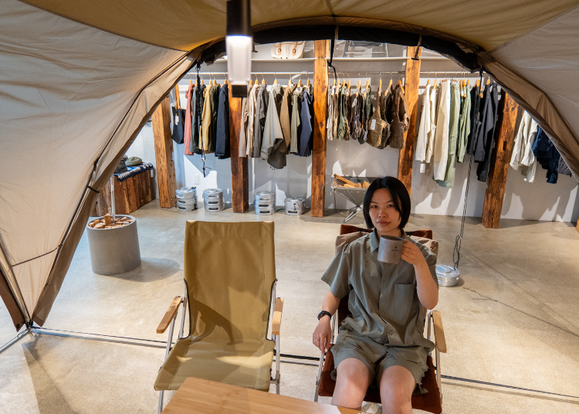
Coffee, Curry, and Titanium Gear: We Check Out Snow Peak LAND STATION TOKYO
-
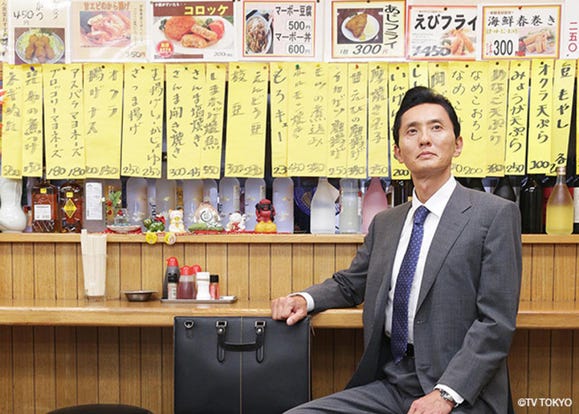
Eat Like Goro! "Taya" in Jujo, Tokyo (Solitary Gourmet Season 2, Epsode 10)
by: Shingo Teraoka
-
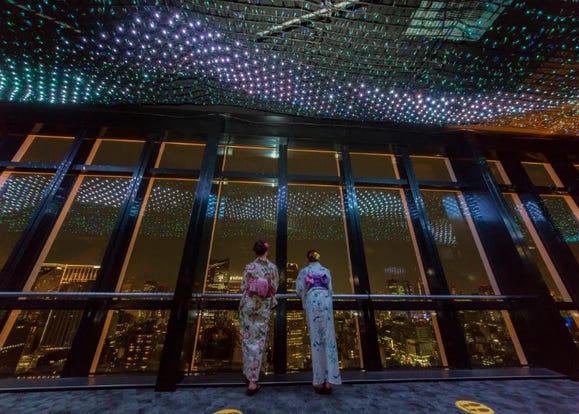
Tokyo Tower's Milky Way Illumination 2026 Returns! See 30,000 Lights Transform Tokyo's Skyline This Summer
by: Guest Contributor
-

5-Day Hokkaido Road Trip Itinerary for Spectacular Sights in Spring/Summer
-
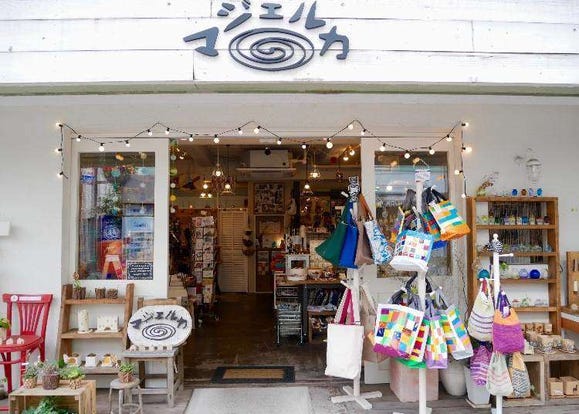
Kichijoji – Explore Tokyo’s Top-Rated Stylish Suburb in Half a Day!
-
Ad

Shopping in Sapporo: Ultimate Guide To Sapporo's Best Shops & Shopping Areas
by: Tiffany YU
-
3 Sapporo Restaurants With Scenic Views of Dreamy Autumn Foliage
-
The Best of Japan: 11 Major Cities Every Traveler Should Visit
-

Sapporo Station Food: Top 10 'Hokkaido Ekiben' Bento Boxes You Must Try Before Riding the Rails!
- #best sushi hokkaido
- #things to do hokkaido
- #best ramen sapporo
- #what to bring to japan
- #new years in tokyo
- #what to buy in ameyoko
- #japanese nail trends
- #what to do in odaiba
- #onsen tattoo friendly tokyo
- #daiso
- #best sweets otaru
- #japanese fashion culture
- #best nature furano
- #japanese convenience store snacks
- #best japanese soft drinks