



Naha Cruise Terminal Guide: Easy Transfers, Travel Tips, and Crowd Advice
- Written by: LIVE JAPAN Editor
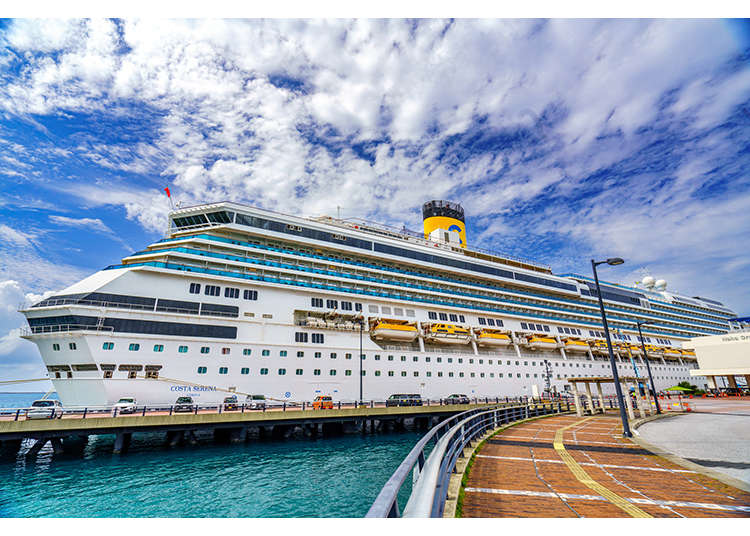
Naha Cruise Terminal is a major maritime gateway where many international cruise ships from Asia frequently stop. You can easily access the city center as soon as you step off the exotic luxury ships. In this guide, we will provide detailed information regarding Naha Cruise Terminal, smooth transportation methods to the city center, and the best seasons and crowd levels for planning your Okinawa trip.
Main image: PIXTA
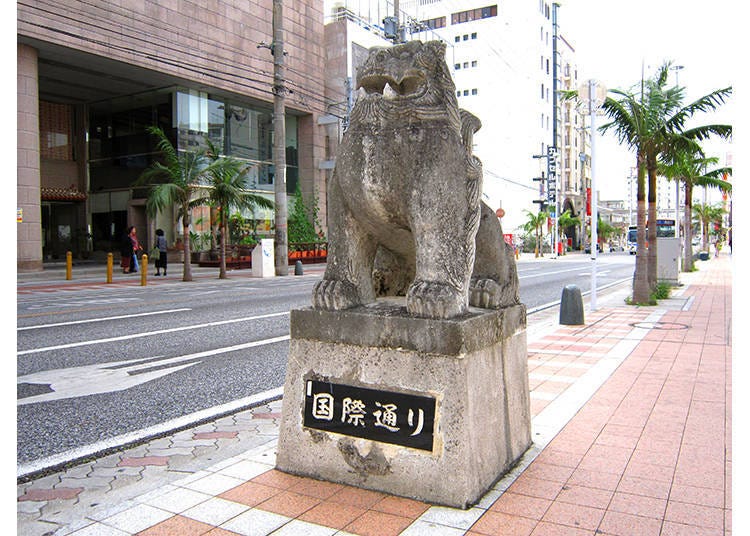
Okinawa's maritime gateway: Naha Cruise Terminal’s convenience and disadvantages
Naha Cruise Terminal is a key maritime gateway where many international cruise ships stop. Its greatest appeal lies in the excellent access to the Naha city center, including major sightseeing spots like the shopping hub Kokusai-dori Street and the World Heritage site, Shuri Castle.
However, the terminal frequently receives luxury cruise ships from China, Hong Kong, Taiwan, Europe, and the US. This is why there may be congestion as thousands of people get off the ships at the same time, and public transportation may not always be available.
Challenges during cruise ship arrivals
While there are immigration facilities near the dock, the area lacks large terminal buildings and passenger waiting areas. This is why the following issues frequently occur, especially on days when cruise ships dock at the terminal.
・Long lines of people waiting for taxis
・Traffic congestion on surrounding roads due to private buses
To avoid congestion after arriving at the terminal, it is essential to secure transportation in advance.
Services within the terminal
Naha Cruise Terminal offers various services to support tourists, including a tourist information center, which provides assistance in Chinese and other languages. It also offers services necessary to start sightseeing, such as currency exchange.
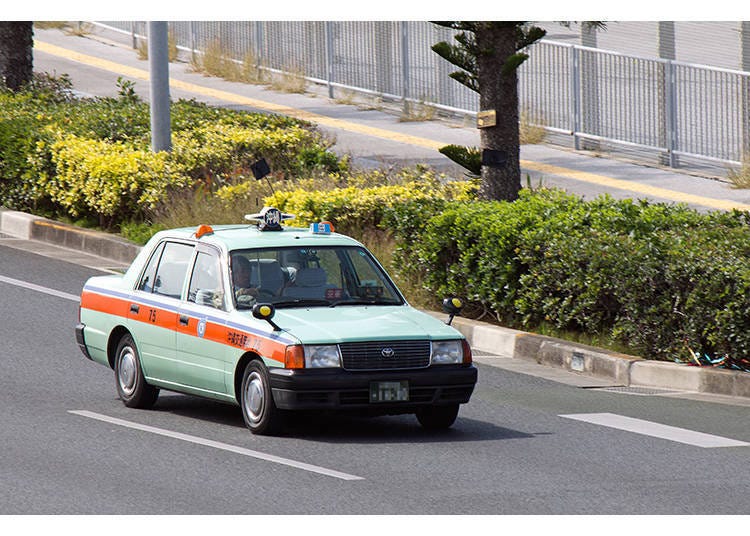
Shuttle buses: A cost-effective and reliable option to access Kokusai-dori Street
From Naha Cruise Terminal, it takes about 20 minutes on foot to reach Kokusai-dori Street in central Naha. While taking a stroll can be a pleasant option, those with heavy luggage or wishing to save time can use taxis or shuttle buses.
However, while taxis will be waiting for cruise ship arrivals at the terminal, the long lines caused by the high number of passengers arriving simultaneously will make it difficult to catch one.
Noteworthy: Naha Cruise Terminal shuttle bus trial service
To address the issue regarding intermodal transportation, a shuttle bus trial service connecting Naha Cruise Terminal and the Naha city center is currently underway.
This shuttle bus is a special service operating only on days when cruise ships arrive in port to improve convenience for passengers and crew. The trial service is confirmed through March 31, 2026, and runs between Naha Cruise Terminal and Kokusai-dori Street (Bank of Okinawa Head Office side/Kencho-mae) at approximately 30-minute intervals. The one-way fare is 240 yen for adults and 120 yen for children. Please pay the fare when boarding the bus.
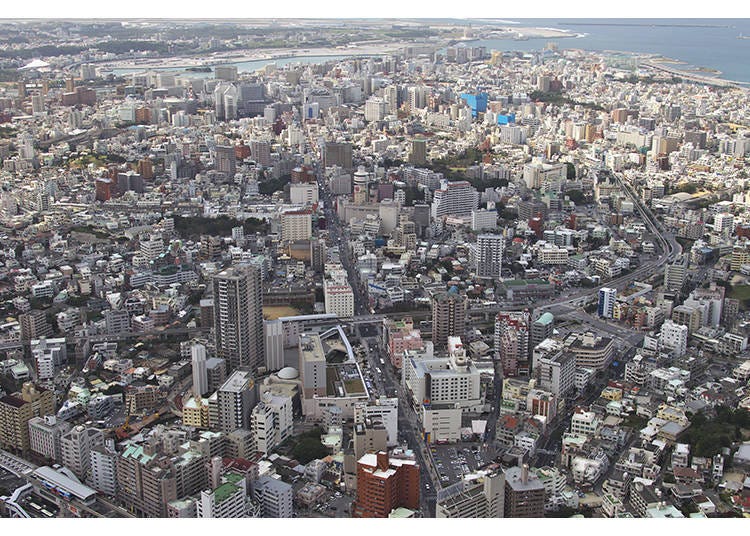
Why we recommend the shuttle bus
Use the shuttle bus for a cost-effective, reliable way to reach Kokusai-dori Street directly from Naha Cruise Terminal. It is easier than waiting for a taxi, and the large buses have a capacity of over 70 seats, allowing you to reach central Naha quickly.
However, please note that this service is still in trial, which means that it will be irregular and based on requests from cruise lines. Please contact the cruise line you are using for confirmation.
Best periods to travel to Okinawa and how to avoid crowds
Once you’ve secured transportation to the Naha city center, the next thing you should consider is when to travel to Okinawa, as travel costs, crowd levels, and available activities vary significantly by time of year.
Events and peak seasons to keep in mind
During summer vacation in July and August, when aquatic activities are most popular, as well as during Japan's major holidays like Golden Week and the Year-End/New Year holidays, Okinawa travel costs skyrocket, and sightseeing spots and roads become extremely crowded.
The number of people traveling with their families is especially high during the Obon holidays (around August 13-16), leading to car rental shortages and severe traffic congestion. Those planning a trip during this period should purchase their airplane tickets, accommodations, and rental cars early. Additionally, from July to September, the risk of typhoons increases, so it is crucial to stay up to date with the latest information.
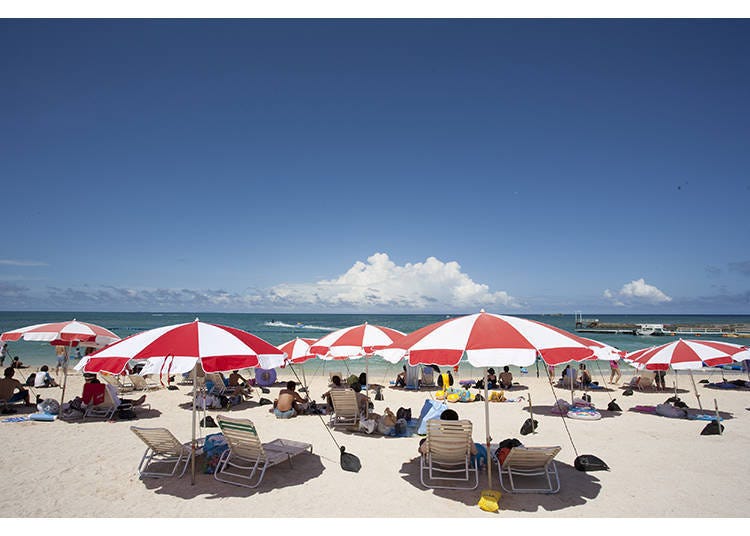
August peak season (Obon) and typhoon season
August is Okinawa’s biggest peak season, as it is the best time to enjoy the blue sea and white sandy beaches. Rental car shortages are especially expected during the Obon vacation.
Typhoon season in Okinawa occurs from July to September, with August experiencing the highest number of typhoons. There are usually two or three typhoons approaching the island each year, and they sometimes affect public transportation and flights, making it crucial to stay updated on the latest weather information.
The region's biggest traditional event: Naha Great Tug-of-War Festival (October)
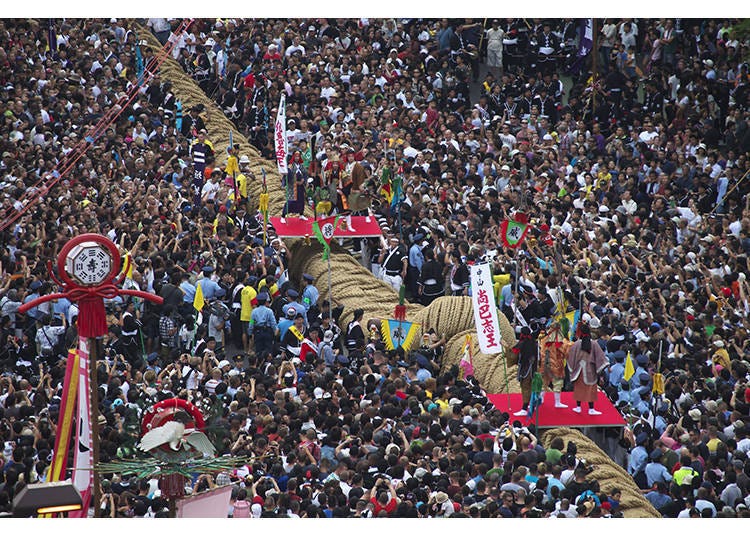
Every October, Okinawa brings together locals and tourists during one of its largest traditional events, the Naha Great Tug-of-War Festival. The rope used for this event was recognized by the Guinness World Records. Large crowds gather on the day of the festival, often causing congestion on the surrounding roads. As the festival coincides with Japan's national holidays, the city center can get very crowded, with tourists and locals gathering in the same areas for events like fireworks displays on Saturday and Sunday nights.
We recommend traveling in the off-season to avoid the crowds and enjoy Okinawa at a great value.
Mid-May to early July: Tourist numbers are much lower after Golden Week and until the rainy season ends. We especially recommend traveling in early July after the rainy season ends to enjoy the sea before the crowds arrive.
October to November (especially October): The most comfortable time of year to visit, when typhoons are less likely to occur, and rainfall decreases significantly. The sun’s low intensity makes it easier to enjoy sightseeing and delicious cuisine.
January to mid-April (excluding the New Year holidays): Travel costs are relatively low, and crowds are smaller, especially before March.
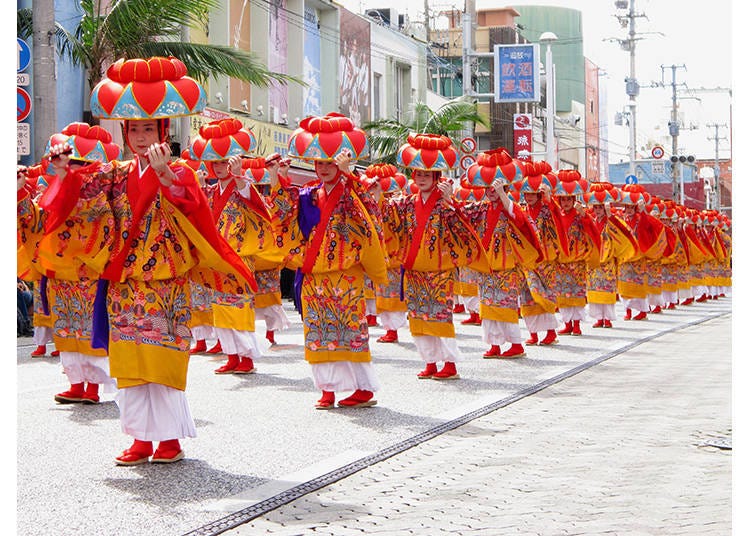
Have the best experience in Okinawa through cruises and travel on land
Naha Cruise Terminal is the best starting point to enjoy everything Okinawa has to offer. Make use of convenient bus shuttles to avoid congestion at the terminal, so that you can smoothly reach different sightseeing spots like Kokusai-dori Street and Shuri Castle.
Taking peak-season information in Okinawa into consideration when planning your trip can also help you save money and enjoy a more comfortable trip. Be sure to use this information to make your Okinawa cruise journey the best experience possible.
- Area
- Category
*Prices and options mentioned are subject to change.
*Unless stated otherwise, all prices include tax.
Popular Tours & Activitiess
-
Ad

Looking for a Top-Tier Japanese Tattoo in Tokyo? KAGEROU in Asakusa Makes It Easy
-

Legends Return to the Skies! ANA Launches Three “Pokémon Jets” in 2026
by: Guest Contributor
-

Snow Peak: Discover the Japanese Outdoor Brand That Became a Global Obsession (and Its Best Stores)
-
Japan’s Luxury Rail Journey: Explore Hiroshima, Miyajima & Iwakuni on the "Hanaakari"
by: Guest Contributor
-
Ad

Vegetarian Dining in Saga: 8 Recommended Restaurants for Pizza, Pasta, and So Much More
-
Ad

Celebrate the Arrival of Spring at Tokyo Midtown Hibiya with HIBIYA BLOSSOM 2026
-
Japan's Bath Culture: Tips You Should Know!
-
Shibuya Crossing: Getting the Best View from the Deck at Magnet by Shibuya109!
-

Two-Hour Tour of Suidobashi (Tokyo): Sightseeing Before Checking-in
-
Coin Lockers in Japan: How to Use Them & Secret Spots!
-
Tokyo Station Top 10 Sweets Ranking!
-

Best Views in Tokyo: Top 5 Spots for Seeing Tokyo's Iconic Skyline in 1 Day
- #best ramen tokyo
- #what to buy in ameyoko
- #what to bring to japan
- #new years in tokyo
- #best izakaya shinjuku
- #things to do tokyo
- #japanese nail trends
- #what to do in odaiba
- #onsen tattoo friendly tokyo
- #daiso
- #best sushi ginza
- #japanese convenience store snacks
- #best yakiniku shibuya
- #japanese fashion culture
- #best japanese soft drinks