




Starting at Naha Airport: How to Explore Okinawa Main Island's Tropical Highlights
- Written by: LIVE JAPAN Editor
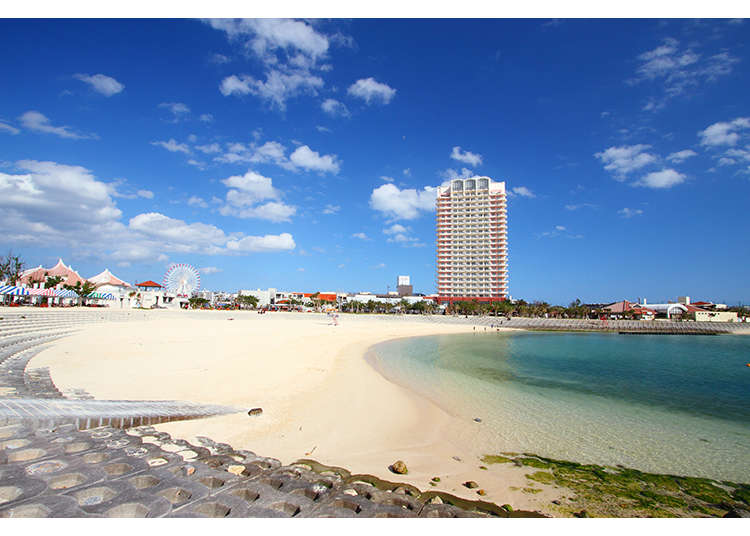
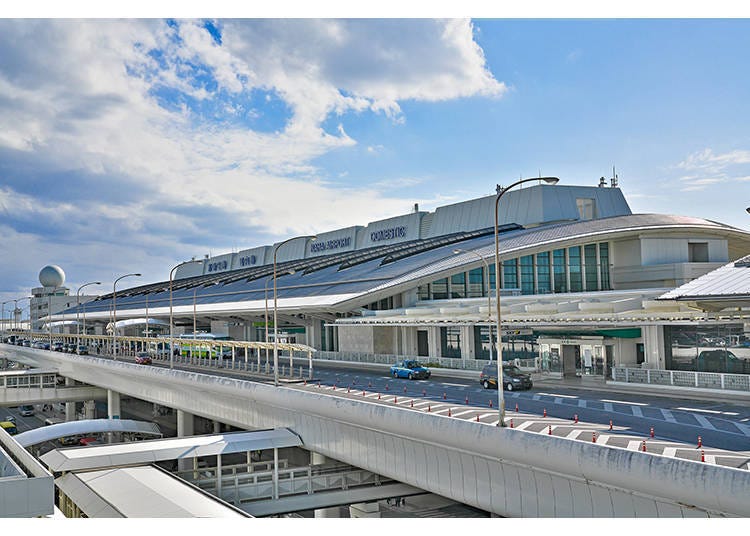
Okinawa Island is home to emerald green seas and unique history and culture. Located very close to the Naha city center, the international Naha Airport is the gateway to the island and the base for sightseeing.
In this guide, we will provide detailed and convenient information on how to enjoy Okinawa Island to the fullest, starting from Naha Airport, including access to popular tourist destinations in northern Okinawa, how to get to the new JUNGLIA OKINAWA theme park, and convenient and cost-effective sightseeing passes for international visitors.
Main image:© Okinawa Prefectural
Smooth access from Naha Airport to central Okinawa Island
There are tourist information centers in both the domestic and international terminals of Naha Airport, and they offer services in Japanese, English, Chinese, Korean, and other languages. Here, you can also receive guidance on how to access specific sightseeing destinations, arrange accommodations, as well as event information.
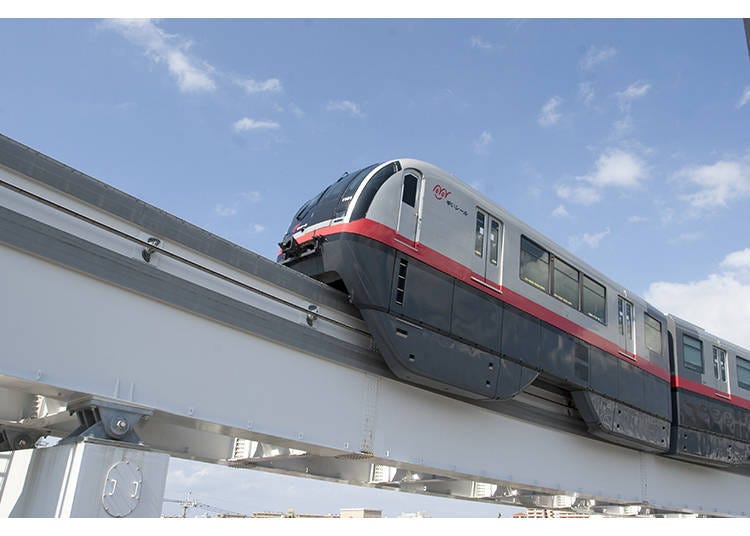
Using the Yui Rail to get around Naha
The Yui Rail is the easiest option for getting around Naha, as it is unaffected by traffic congestion on roads. It is the main means of transportation to connect to Naha Airport, the Naha city center, and Shuri Castle, a World Heritage site.
Chatan Gateway, an access hub for the central area
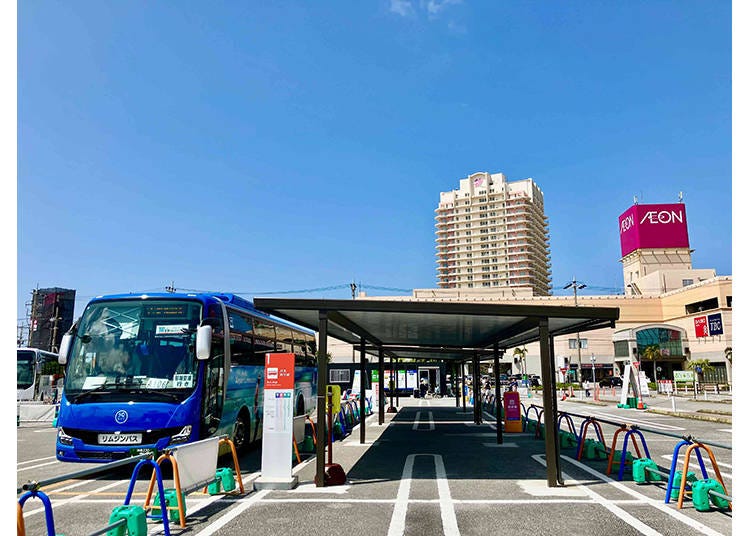
To travel beyond Naha toward central and northern Okinawa, we recommend using the bus connecting to Chatan Gateway in the island’s central area in about 50 minutes without transfers. This allows quick travel to the area while avoiding congestion around the airport.
From Chatan Gateway, a free shuttle bus operates around the popular Mihama American Village area. Shared bicycles (e-bikes), car-sharing services, and taxi stands are also available.
Events and peak seasons to keep in mind
During summer vacation in July and August, when aquatic activities are most popular, as well as during Japan's major holidays like Golden Week and the Year-End/New Year holidays, Okinawa travel costs skyrocket, and sightseeing spots and roads become extremely crowded.
The number of people traveling with their families is especially high during the Obon holidays, leading to car rental shortages and severe traffic congestion. Those planning a trip during this period should purchase their airplane tickets, accommodations, and rental cars early. Additionally, from July to September, the risk of typhoons increases, so it is crucial to keep yourself updated on the latest information.
August peak season (Obon) and typhoon season
August is Okinawa’s biggest peak season, as it is the best time to enjoy the blue sea and white sandy beaches. Rental car shortages are especially expected during the Obon vacation.
The typhoon season in Okinawa runs from July to September, with August experiencing the highest number of typhoons. There are usually two or three typhoons approaching the island each year, and they can affect public transportation and flights, making it crucial to stay up to date on the latest weather information.
The region's biggest traditional event: Naha Great Tug-of-War Festival (October)
Every October, Okinawa brings together locals and tourists during one of its largest traditional events, the Naha Great Tug-of-War Festival. The rope used for this event was recognized by the Guinness World Records. Large crowds gather on the day of the festival, often causing congestion on the surrounding roads. As the festival coincides with Japan's national holidays, the city center can get very crowded, with tourists and locals gathering in the same areas for events like fireworks displays on Saturday and Sunday nights.

We recommend traveling in the off-season to avoid the crowds and enjoy Okinawa at a great value.
Mid-May to early July: Tourist numbers are much lower after Golden Week and until the rainy season ends. We especially recommend traveling in early July after the rainy season ends to enjoy the sea before the crowds arrive.
October to November (especially October): The most comfortable time of year to visit, when typhoons are less likely to occur, and rainfall decreases significantly. The sun’s low intensity makes it easier to enjoy sightseeing and delicious cuisine.
January to mid-April (excluding the New Year holidays): Travel costs are relatively low, and there are fewer crowds, especially before March.
Traveling to northern Okinawa: Churaumi Aquarium and JUNGLIA
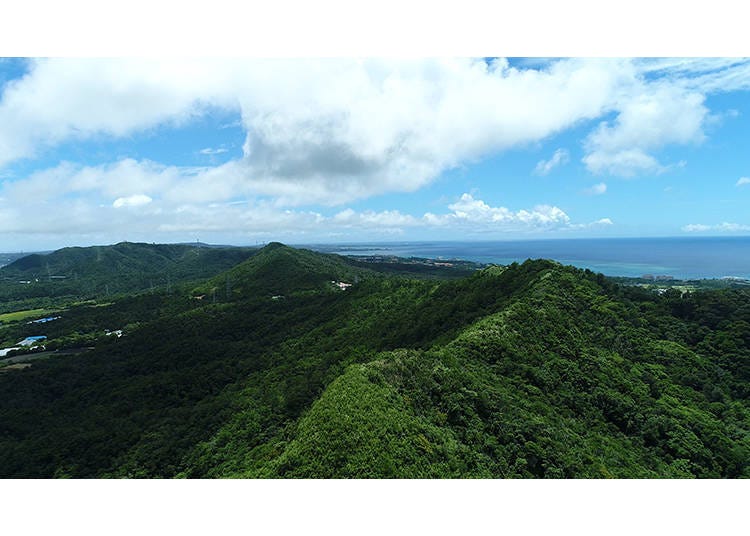
There is quite a distance between southern Okinawa, where Naha Airport is located, and northern Okinawa, where Nakijin Village in Kunigami District, home to the Churaumi Aquarium and the new theme park JUNGLIA OKINAWA, is located. It is essential to choose efficient means of transportation.
Access to Okinawa Churaumi Aquarium
The Okinawa Churaumi Aquarium, a popular tourist destination in northern Okinawa, is located inside Ocean Expo Park, about 100 km from Naha Airport.
Take the Expressway Bus (Route 117)
The Churaumi Direct Bus (Expressway Bus Route 117) runs from Naha Airport to Churaumi Aquarium’s nearest bus stop, Kinen Koen-mae (Ocean Park Expo), without any transfers. It takes approximately 2 to 2.5 hours, but delays may occur depending on traffic conditions.
Other buses, such as the Yanbaru Express Bus and the Okinawa Airport Shuttle, are available, so choose the one that best suits your travel plans. Please check the Ocean Expo Park website for more information.
JUNGLIA OKINAWA access
The main route to access the popular theme park JUNGLIA OKINAWA in Nakijin Village is the JUNGLIA EXPRESS direct bus from Naha Airport. Reservations are generally required. It takes about two hours from Naha Airport to the park.
You can also take the Yanbaru Express Bus, or any other city bus from Naha Airport to Nago City Hall, then transfer to the Jungle Express. This will take about 2 hours and 30 minutes.
Convenient and cost-effective transportation tickets for international visitors
In Okinawa Island, a cost-effective sightseeing pass is available for tourists (especially short-term visitors from outside the prefecture) to use on public transportation.
Okinawa Route Bus Sightseeing Pass
This ticket allows unlimited rides on the regular route buses operated by Ryukyu Bus, Naha Bus, Okinawa Bus, and Toyo Bus on Okinawa Island. Available as a 1-day pass (2,900 yen for adults) or a 3-day pass (5,800 yen for adults), it offers extensive travel without worrying about fares. Please note that some routes using expressways (Routes 111 and 117), limousine buses, and scheduled sightseeing buses are not covered.
Additionally, there is a discounted ticket combining the above route bus pass with a convenient one-day pass for the Yui Rail within Naha City. Please check the website for more information.
Enjoy smooth and cost-effective travel in Okinawa
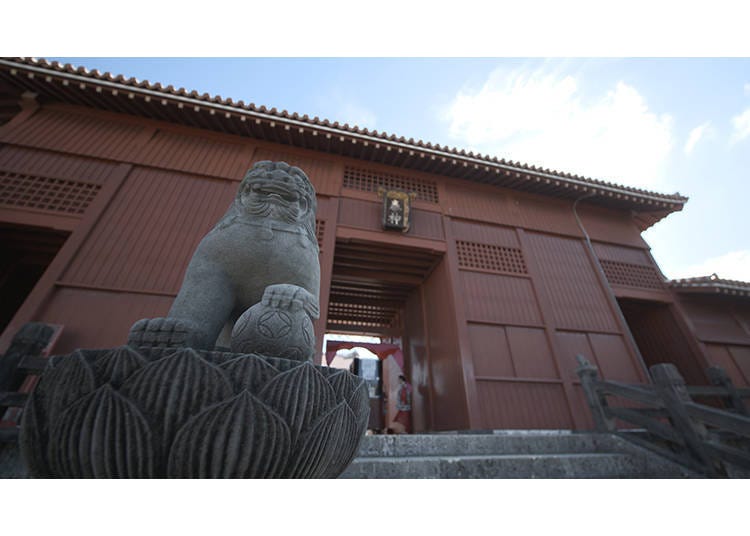
Naha Airport serves as a convenient gateway for exploring Okinawa Island. You can use the Yui Rail for smooth travel around Naha. As for access to the central region, we recommend using the convenient direct bus to Chatan Gateway.
For traveling to northern Okinawa, you can use the express bus, which is convenient for visiting the Churaumi Aquarium and theme park. Additionally, the Okinawa Route Bus Sightseeing Pass is a cost-effective option to enjoy the island's many attractions extensively without renting a car. Make use of this transportation information to plan an unforgettable trip to this eternal summer paradise.
- Area
- Category
*Prices and options mentioned are subject to change.
*Unless stated otherwise, all prices include tax.
Popular Tours & Activitiess
-

Legends Return to the Skies! ANA Launches Three “Pokémon Jets” in 2026
by: Guest Contributor
-
Ad

Vegetarian Dining in Saga: 8 Recommended Restaurants for Pizza, Pasta, and So Much More
-

SILK AND ILY DONUT: Tokyo's New, Laid-Back Waterfront Shop Is A Real Treat
by: Timothy Sullivan
-
2026 Japan Cherry Blossom Report: Tokyo Beginning Bloom
-
Japan’s Luxury Rail Journey: Explore Hiroshima, Miyajima & Iwakuni on the "Hanaakari"
by: Guest Contributor
-
Ad

Looking for a Top-Tier Japanese Tattoo in Tokyo? KAGEROU in Asakusa Makes It Easy
-
Seiyudo Ginza: Inside Japan's Largest Seller of Antique Katana Swords
-
Kichijoji – Explore Tokyo’s Top-Rated Stylish Suburb in Half a Day!
-

Their First Kimono Experience in Asakusa: A Kimono Transformation in Only 20 Minutes!
-
10 Important Japanese Phrases to Know Before You Enter a Japanese Convenience Store
by: Teni Wada
-

Be ready for more than sightseeing: Tokyo Metropolitan Government's disaster preparedness event for foreigners in Japan
by: Lucio Maurizi
-
Tokyo Station Top 10 Sweets Ranking!
- #best ramen tokyo
- #what to buy in ameyoko
- #what to bring to japan
- #new years in tokyo
- #best izakaya shinjuku
- #things to do tokyo
- #japanese nail trends
- #what to do in odaiba
- #onsen tattoo friendly tokyo
- #daiso
- #best sushi ginza
- #japanese convenience store snacks
- #best yakiniku shibuya
- #japanese fashion culture
- #best japanese soft drinks