Wish upon the matchmaking deity for success in love
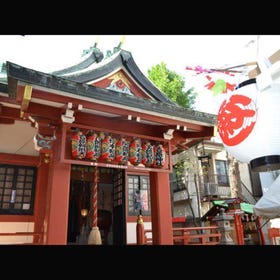
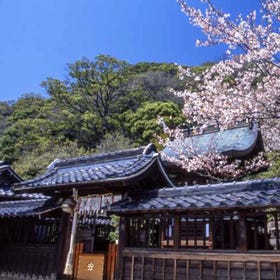
Benzaiten, one of the seven lucky gods of Asakusa, is enshrined, and is said to bring benefits such as business success
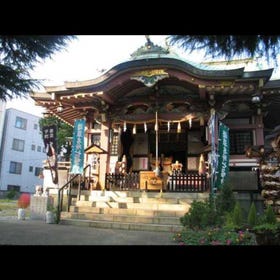
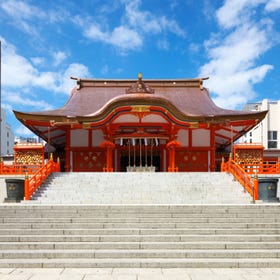
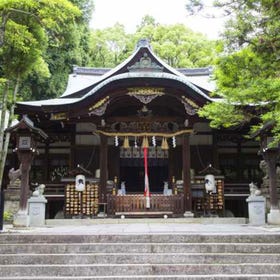
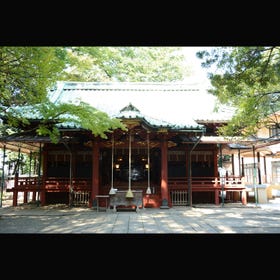
Hanazono-jinja Shrine in Shinjuku, loved by many as an urban oasis.
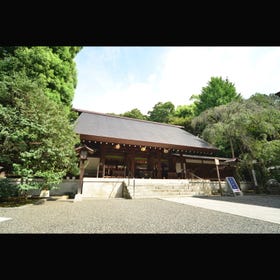
Nogi Shrine is a shrine where Nogi Maresuke (1849 - 1912), a general in the Imperial Japanese army during the Meiji period (1868-1912), and his wife are enshrined.
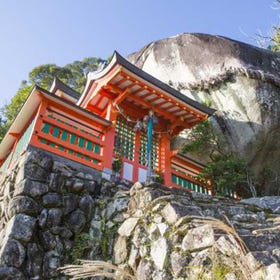
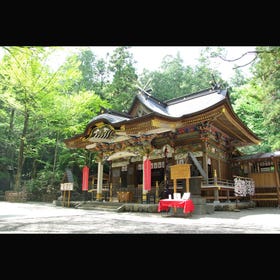
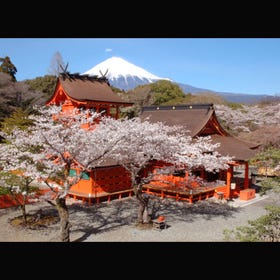
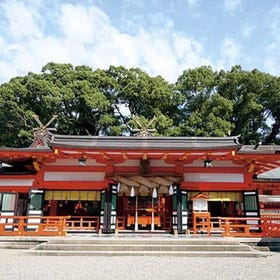
Formerly Kumano Hayatama Taisha Shrine, this shrine is located on the grounds where Kumano’s three deities descended
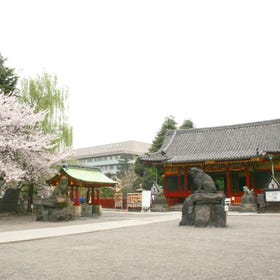
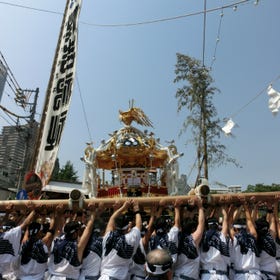
A shrine that has a beautiful vermilion-lacquered shrine pavilion from the Edo period. It is also called Sanja Gongen (in honor of three men who founded the temple), and the Sanja Matsuri held in May is one of the Three Great Festivals of Edo (now Tokyo).
Having many children themselves, rabbits symbolize safe child-rearing here
This is an auspicious shrine because of the kanji characters that are used for writing its name Hodosan can also be read as ”climbing a mountain of treasures.” The deities who protect people from fire, thefts, and other disasters are enshrined there.
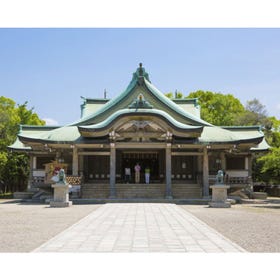
A sacred place connected to Hideyoshi
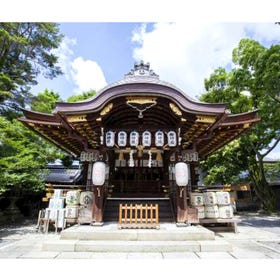
Encounter a god of matchmaking in a busy district
A shinto shrine enshrining Mount Fuji, the symbol of Japan, worshiped by a large number of people.
The traditional god of learning
This is a popular shrine for enmusubi-mairi, praying for a good marriage match. Weathered, miniature Shinto shrines on the shrine grounds invite your profound interest.
A shrine where the god for safe sea travel is enshrined has been respected by people. Many important cultural properties of the ward are preserved in the shrine ground.
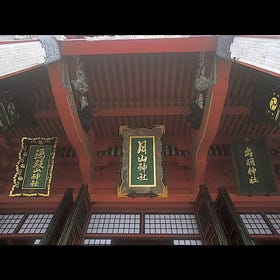
The centerpiece of the sacred Dewa Sanzan
The head of Japan’s Kumano shrines—famous for matchmaking
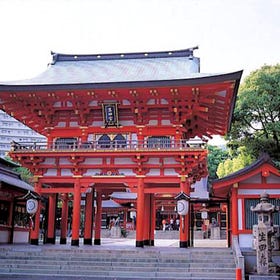
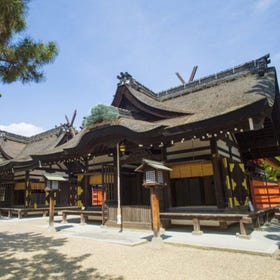
The main shrine hall is a national treasure with droves of people lining up for the New Year’s shrine visit at “Sumiyossan”
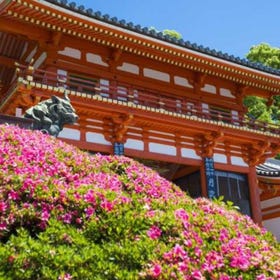
A famous shrine that plays a central role in the Gion Festival
A shrine to visit for breaking bad habits or starting good ones
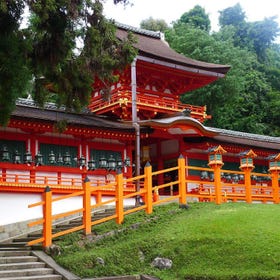
The head shrine of all the Kasuga-jinja shrines all over Japan, it is located on Mt. Mikasa, which has been treated as a sacred area since ancient times. In 2018, the shrine commemorated its 1,250th anniversary.