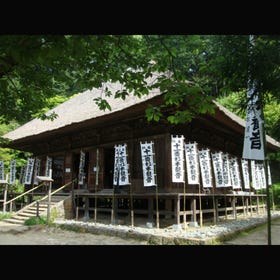
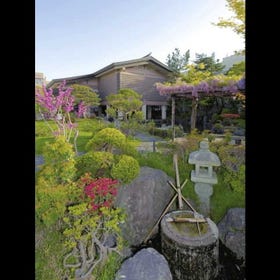
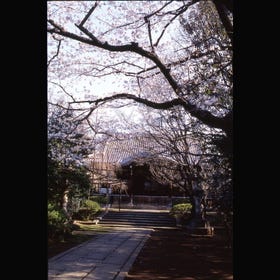
The temple is the oldest one in Kamakura, founded by a high priest called Gyoki. Its principal image of worship is the three figures of eleven-faced Kan'non, and the temple ground is covered with various flowers throughout the seasons.
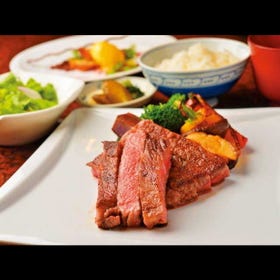
Lick your lips over the steak of superb quality, the flavor of which immediately spreads throughout your mouth
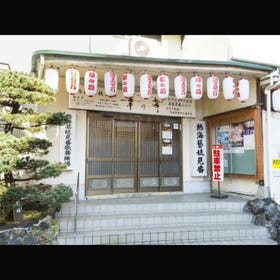
Live performances of Atami’s traditional music and dances
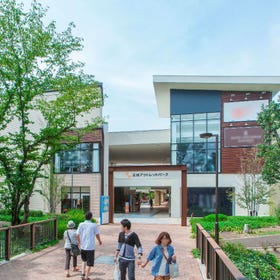
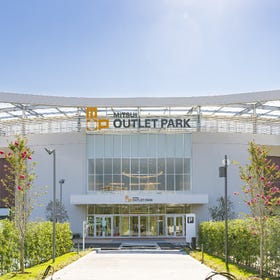
Just a 3-minute walk from the station! One of the largest outlet malls in the Chugoku region; enjoy shopping and sight seeing, in the nearby famous Kurashiki Bikan Historical Quarter.
The furniture decorations made of Nambu iron blend with the classical European style
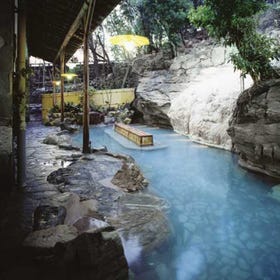
A hot spring resort where you can play and relax as you please at an affordable price
Immerse yourself in the superb relaxing moment with a quaint Japanese atmosphere
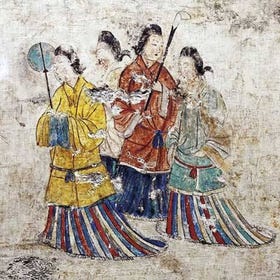
A wall painting of a beautiful woman was discovered here
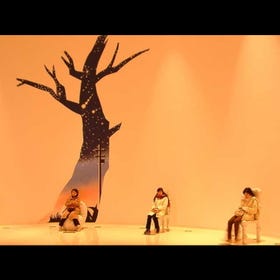
Feel the world of fantasy
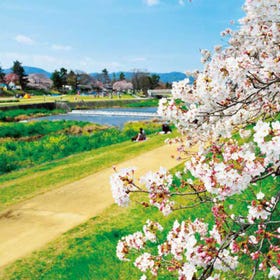
A pink tunnel that’s pleasant with greenery and water
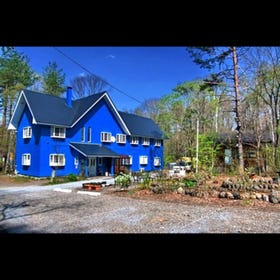
Experience the Earth. A guest house where children’s talents are cultivated.
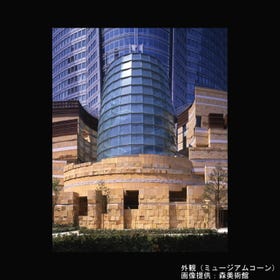
A museum located on the 53rd floor of the Roppongi Hills Mori Tower connected directly to Roppongi Station. You can enjoy a panoramic view of Tokyo from the observation deck on the 52nd floor.
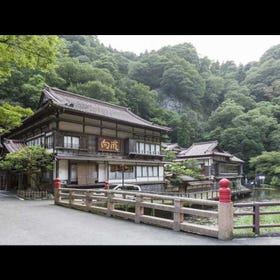
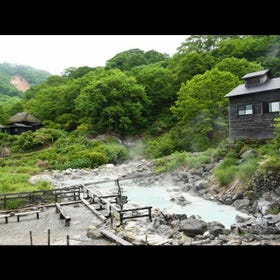
An isolated inn with a mysterious atmosphere, located deep in the mountains
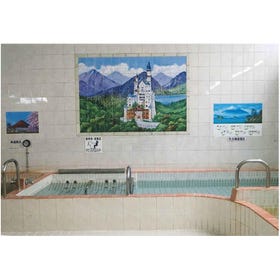
Traditional Japanese bathhouses(SENTO).
A resort outlet where you can enjoy shopping and various activities that take advantage of the waterfront environment, offering an extraordinary experience.
A museum telling all about Aomori's own master of art
A unique, symmetrical building
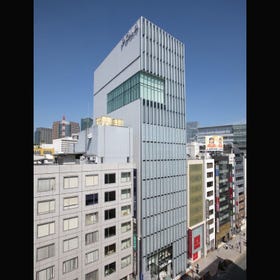
This is an admission-free art gallery opened in the Ginza district by Pola Group, which is expanding its cosmetics business, to make this facility the information-dissemination center for art and culture.
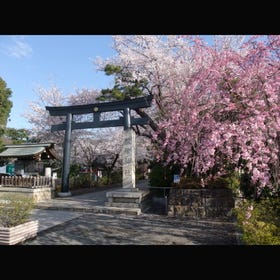
Known as the shinto shrine related to Yoshida Shoin, a samurai clan member of the Choshu Domain who had enormous influence on the movement to topple the Edo Shogunate during the mid-19th century. Now deified, he has become popular as a god of academic success.
A Nichiren Buddhist temple housing Kishimojin (Hariti), the deity of easy childbirth. Steeped in nature, Kishimojin-do has been a popular site for viewing cherry blossoms since the Edo period (1603-1868).