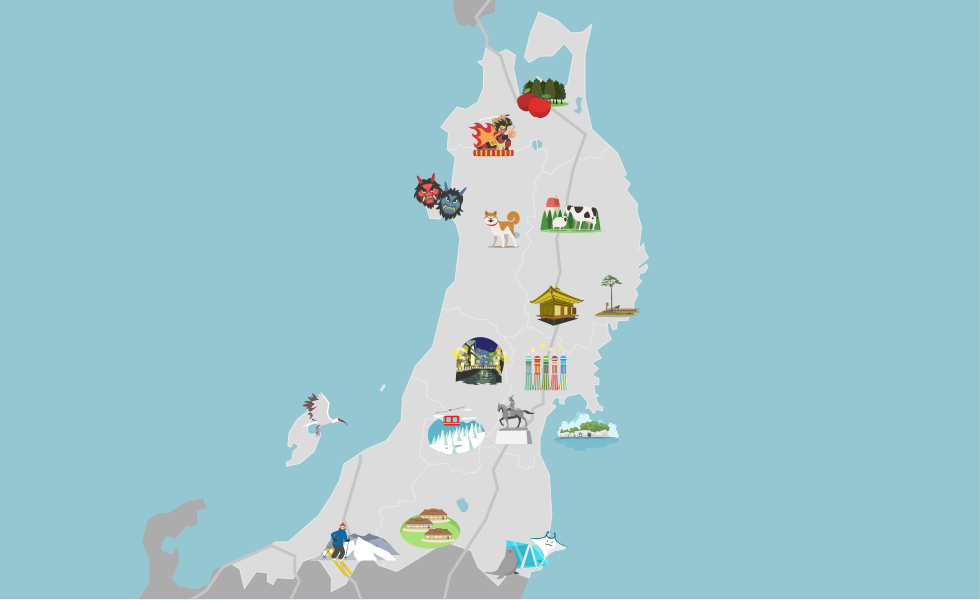
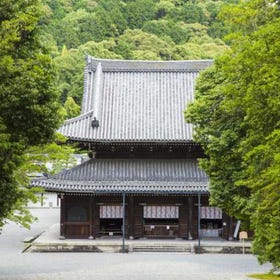
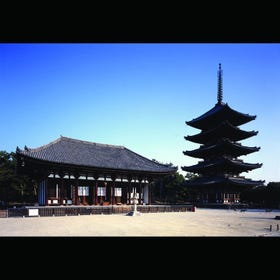
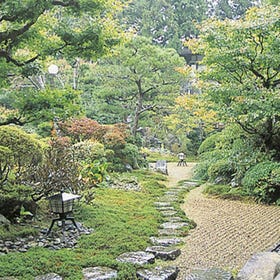
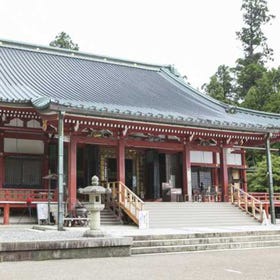
A mortuary temple for the imperial household
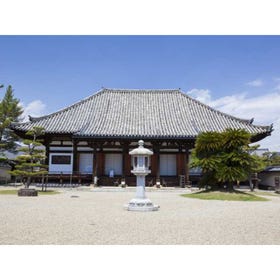
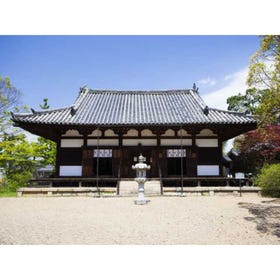
A large temple in Nara featuring many structures that illustrate the culture from the Tempyo Period. It is designated as a UNESCO World Heritage Site.
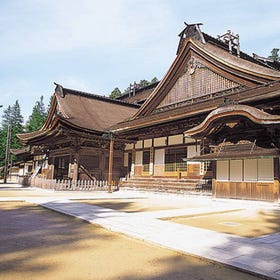
A grand temple complex established on Mount Koya some 900 years ago
This ancient temple was erected by Empress Komyo
A temple that has long protected Arima Onsen
The nation’s head Koyasan Shingon-shu temple
The graceful standing statue of Gigeiten is a must-see attraction
The Matsuchiyama Shoden Honryu-in Temple close to Senso-ji Temple, is recognized as a ”power spot” by the common people. On this spot they pray for the material benefits in this world. With Y-shaped daikon radishes and kinchaku (Japanese traditional style pouch) people pray for finding a suitable marriage partner and for matrimonial happiness.
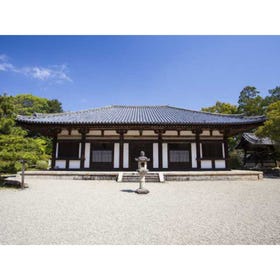
Beloved Buddha artifacts inside the school of Heijo Palace
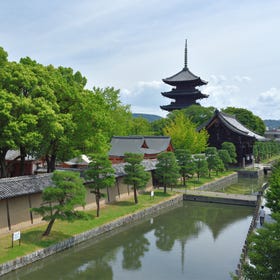
The main training center for Shingon Esoteric Buddhism with its iconic five-story pagoda, the key landmark of Kyoto's scenery. The temple is known as ”Daishi's temple.”
Famous for a painted fusuma from Tohaku Hasegawa
Don't miss seeing the resting place for Shinsengumi members, Mibu-zuka
Tie your prayers under the branches of the willow trees
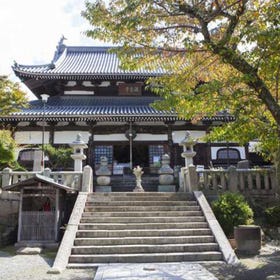
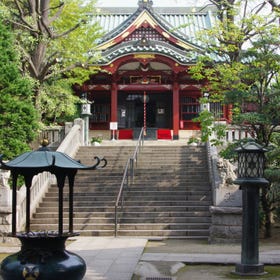
This is a temple erected at the wish of Keishoin, the real mother of Shogun Tsunayoshi Tokugawa. The main hall, remaining in its original state from the Genroku period, has been designated as a National Important Cultural Property.
An ancient temple supported by common people
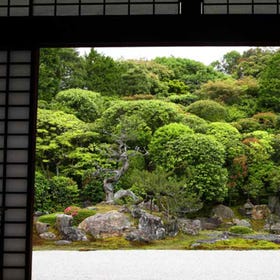
Famous for its tea room, ”Hasso-no-seki”
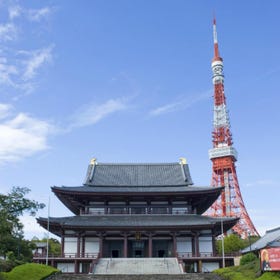
Zojo-ji is one of the seven Daihonzan (head temples) of Jodo-shu Buddhism and contains many designated Cultural Properties. It is also where the souls of the Tokugawa clan are mourned.
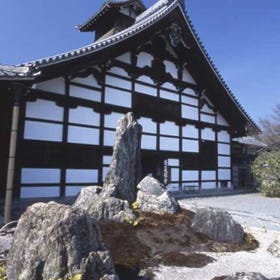
A majestic temple and garden with beautiful Arashiyama in the background
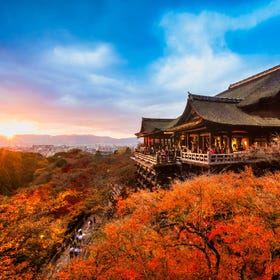
One of Kyoto's most renowned temples, located on the side of Mt. Otowa in the Higishiyama Range. It has been designated as a UNESCO World Heritage site.
Several hundred structures are scattered across Mt. Hiei