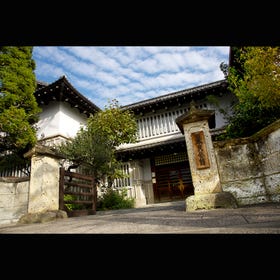
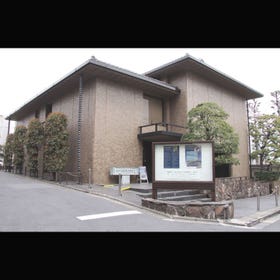
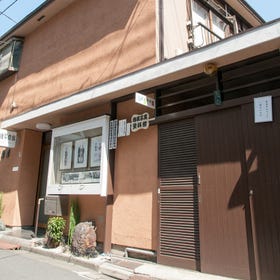
Daimyo Tokei Hakubutsu-kan, or Daimyo Clock Museum, is the museum of the Edo period's art and craftwork, daimyo clocks (Japanese clocks), and is located in the popular Yanaka area in the shitamachi (the geographically lower side) of Tokyo.
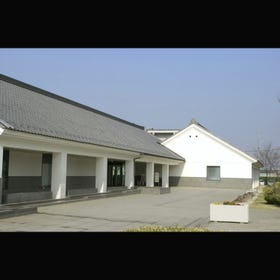
This is a museum built on the site where the Kawagoe Castle used to stand. Through various exhibitions, the museum explains how the people in the castle town lived.
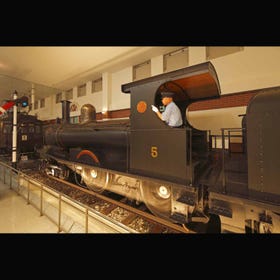
This is a hands-on train museum that is enjoyable for both adults and children. An operation simulator that uses an actual operator's seat is popular.
The museum displays valuable handicrafts and folk crafts, mainly Japanese antique ceramics and dyed or woven textiles that were selected by Japanese philosopher Yanagi Muneyoshi, collected from Japan and overseas.
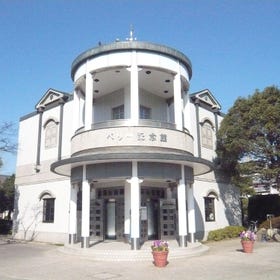
The Perry Memorial Hall is a museum that illustrates the Perry Expedition (1853-1854), which paved the way to the opening of Japan, and the history leading to it through dioramas and historical documents.
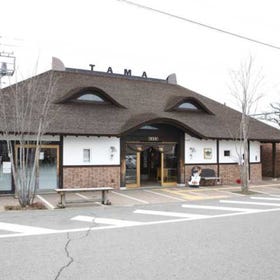
Meet the two famous cats that manage the station
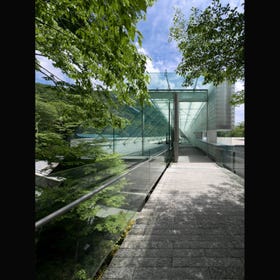
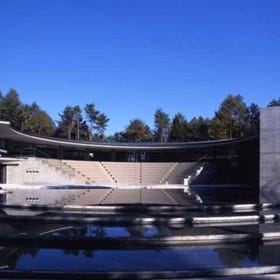
Pola Museum of Art, built in the forests of Hakone, is a glass-encased space where you can enjoy art and nature together.
This museum is dedicated to ukiyo-e. It houses one of the largest collections in the world.
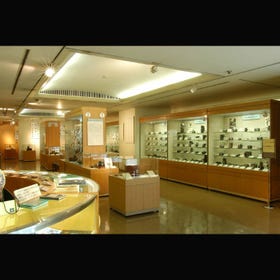
Nippon Camera Hakubutsu-kan or the JCII Camera Museum is a museum operated by the Japan Camera Industry Institute, and you can have fun learning and familiarizing yourself with cameras by looking at and touching cameras. There are more than 300 cameras on display.
*Currently closed
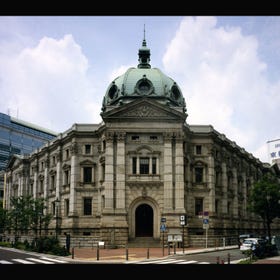
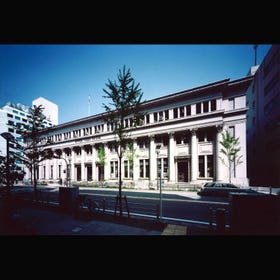
It is a museum where the Japanese maritime history can be learned from videos and valuable displays. The NYK Maritime Museum widely introduces the history of marine vessels along with the history of Nippon Yusen as a company. (NYK stands for Nippon Yusen Kaisha, a shipping company.)
Established in accordance with the wishes of the business tycoon, Kaichiro Nezu, after his death. Antique works of art from Japan and the rest of Asia can be enjoyed here. It also has a Japanese garden with tea houses.
A museum relaunched in spring 2021 integrates the activities of the Hara Museum of Contemporary Art (closed in 2021) and its annex Hara Museum ARC
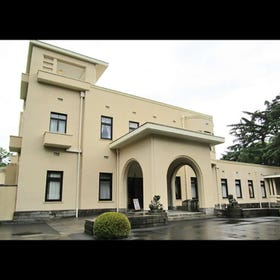
This art museum, which opened its doors in 1983, is out of ordinary among other museums in Tokyo. Located in the middle of the city, the museum harmonizes its art exhibitions, which utilize the former official residence of Asaka-no-miya (a branch of the Japanese Imperial Family) constructed in the early Showa period employing an Art Deco style, and the lushly green garden. After improvement of the old building, and an extension for a gallery and a cafe was added, the museum was re-opened in November 2014. In front of the art museum, there is a wide spread of lawn. You can put down a mat and eat your meal on this lawn.
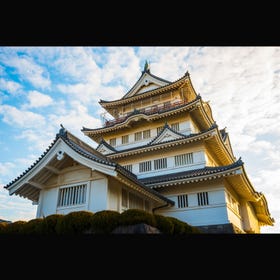
It is a historical museum where you can learn about the Chiba clan, who made the foundation and historical contribution to Chiba City. From the observation deck, you can see a magnificent view of Chiba City.
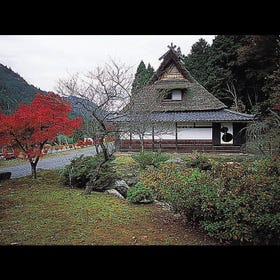
Artworks that blend in well with traditional Japanese houses are displayed
A history museum featuring precious cultural artifacts from the Kamakura Era.
Sharing a new art culture from Aomori
The Sumo Photography Museum is placed in the parking area of a photo studio. There are many items on display, including photographs of successive generations of great sumo wrestlers, references, and sumo wrestlers' ornamental aprons.
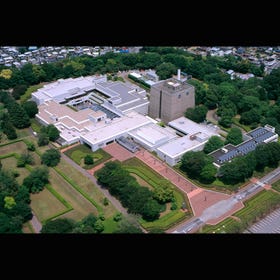
This is a grand-scale building that stands on a corner of the land where the Sakura Castle used to be. The museum's exhibition is presented so that visitors can easily understand Japanese history.