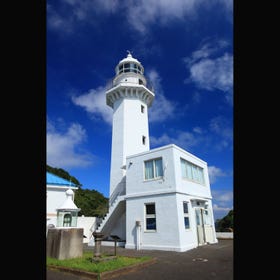
Kannonzaki is a cape protruding into the Tokyo Bay. The cape area is a park with a Western-style lighthouse, a nature museum, and an art museum. You can definitely spend an entire day here.
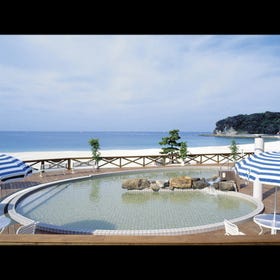
This open-air bath is right next to Shirahama Beach. Since you can wear a swimsuit while soaking in this pool-like bathtub, it's convenient to visit after a day at the beach. The hot water that springs from its own source is constantly replenished, ensuring the water is always fresh. During the non-summer seasons, it's used as a footbath instead.
This museum was established in March 2003 with 3 designers, Issei Miyake (fashion designer), Taku Sato (graphic designer), and Naoto Fukazawa (product designer) as its directors and Noriko Kawakami, a journalist and editor, as its associate director. Not only does it offer exhibitions, but it also offers various programs such as talks and workshops with a concept of ”becoming a venue where day-to-day perspectives and views can be proposed.” The building with a symbolic roof created with an image of ”one sheet of fabric” was designed by Tadao Ando, an architect.
If you come to Shibamata, the Tora-san Museum is an absolute must-visit. As explained earlier, it is all about the film series Otoko wa Tsurai yo that revolves around the wandering salesman Tora-san and his sheer eternal story of his unsuccessful love life. Running between 1969 and 1995, it holds the world record for the world’s longest-running movie series starring a single actor. As such, Otoko wa Tsurai yo and its endearing main protagonist, played by Kiyoshi Atsumi, has a large fandom not only in Japan. The museum itself was opened in 1997. Even if you have never heard of this show up until now, the Tora-san Museum is well-worth the visit. The dumpling store and print shop of the series have been faithfully recreated, offering not only a nostalgic paradise for fans of Otoko wa Tsurai yo but also a very authentic glimpse into Tokyo’s 60s and 70s. Other parts of the museum take you even further back: beautiful dioramas show how Shibamata has looked back in the 1930s when Tora-san was a child. There even is a life-sized wagon of a man-powered tramway as it was used decades ago! For fans of Otoko wa Tsurai yo, we highly recommend also visiting the Yoji Yamada Museum, dedicated to the director of the series and many other movie masterpieces – it’s right next to the Tora-san Museum.
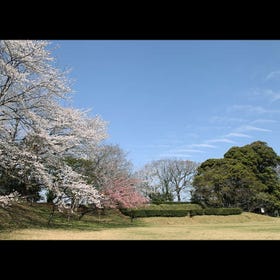
Sakura Castle was also used as the government office of the Sakura Domain during the Edo period. What was built in this site of greenery and history was the Sakura Castle Ruins Park. Castle remains can be found in the park such as parts of old towers and dry moats. There are also many large trees such as the Mokkuku Couple evergreen trees which are around 400 years old and have been designated a natural monument by Chiba Prefecture. It is also a place where around 48 varieties of around 1,100 cherry blossom trees proudly blossom during spring. The park hosts tea gatherings for the general public on Sundays and national holidays at the tea room called Sankeitei.
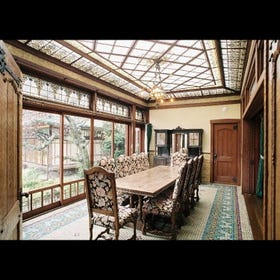
Built in 1919 as a private villa, the former Japanese inn Kiunkaku is one of the Three Great Villas of Atami. Around thirty years later, in 1947, it was turned into a ryokan, meaning a traditional Japanese inn, highly valued and loved by many creative minds such as novelists Osamu Dazai and Junichiro Tanizaki. Nowadays, it is open to the public as one of Atami’s designated tangible cultural assets. The main building in the lush and vast garden is built in a distinctive Japanese style, while mosaics on the walls and stained glass windows are reminiscent of Western aesthetics, creating a wonderful, historical fusion between East and West.
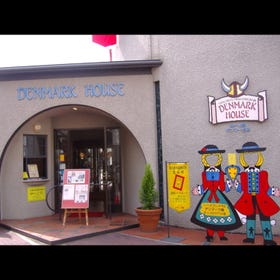
This attraction features a half-size replica of a Viking ship and exhibits related to the children's book author Hans Christian Andersen. Delightful goods made in Denmark are also for sale.
This museum is linked to the Yotsuya Fire Department. Here you can see exhibits of actual equipment, including the first fire engine introduced to Japan in 1917, as well as the helitack first brought into the Tokyo Fire Department. In addition, you can sit in the helitack set up outside. Why not try considering some disaster prevention?
Ozu Washi in Nihonbashi is a washi seller that was established in 1653. In a corner of the shop with various papers on display is the Handmade Washi Experience Studio where you can experience making paper. You can learn the process of making paper in about an hour. There is no minimum number of people for the experience, but reservations take priority. You can keep the paper you make!
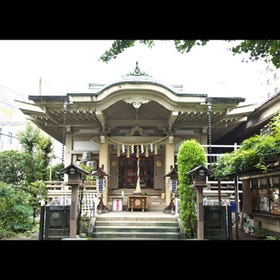
Tokugawa Iemitsu, the third shogun of the Tokugawa family in the Edo period, established Sanjusangen-do for the peace in the country, national security, and tempering martial arts. The hall built after the manner of ones in Kyoto became the beginning of Yasaki-inari. The name Yasaki also came from ”yumi” (a bow) and ”ya” (an arrow). Fukurokuju (god of happiness, wealth, and long life) of the seven deities is placed at the right side of the worship hall in front of the main building.
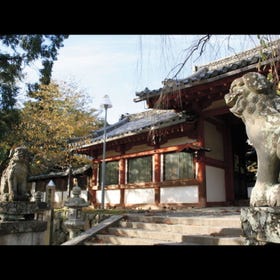
During the Nara Period, the guardian deity of the hiike (pond where ice used in the Imperial court was made) and the himuro (storeroom for ice), which were built in the Kasugano field beside Yoshiki-gawa River, was enshrined in the shrine. It was later moved to the current location. On May 1 every year, a festival called Kenpyosai takes place in which workers at companies that make and sell ice pray for success in business. The current shrine pavilion is said to have been reconstructed in the Edo Period. Also, the weeping cherry trees in the shrine grounds are very beautiful.
Located just north of Hokke-do in the Todai-ji Temple complex, Nigatsu-do is known as a place where Shuni-e (Omizu-tori or Sacred Water-drawing Festival) takes place every March. Nigatsu-do was named so since Shuni-e was held in February (nigatsu in Japanese) in the old calendar. Fire destroyed it in 1667, but two years later the current building was reconstructed exactly as it was before the fire. The building's design features a cascading style of architecture, and provides a commanding view of the roof of the Great Buddha Hall and Nara city. The principal image is the Juichimen Kannon, which is never shown to the public.
Sun Beach with palm trees, which many people visit for swimming during summer, has an atmosphere that makes you feel as if you were in a tropical country. The sandy beach is lit up at night, making visitors enjoy a view like a tropical resort. The beach is opened for swimmers every year from the second Saturday of July to August 31. Swimming is allowed from 9:00 a.m. to 5:00 p.m. during the above-mentioned swimming period. The beach is lit up every night from the sunset to 10:00 p.m.
The Dotombori-gawa River slices right through the Minami district of Osaka, and it is from the river's Ebisubashi Bridge that you can view the famous Glico neon billboard up close. The riverside promenade called Tombori River Walk exudes a tasty atmosphere. Tombori River Cruise, in which you can enjoy the scenery of Dotombori from the river, is open for an only limited time.
Adachi Fireworks Festival is held in the summer, and it is crowded with many people.