A restaurant that serves freshly caught river fish can also be found, and the area is characterized by the friendly atmosphere of the traditionally commercial, working-class neighborhood.
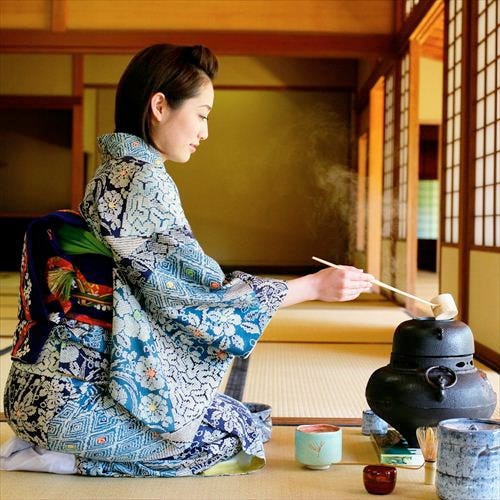
Sakura Castle was also used as the government office of the Sakura Domain during the Edo period. What was built in this site of greenery and history was the Sakura Castle Ruins Park. Castle remains can be found in the park such as parts of old towers and dry moats. There are also many large trees such as the Mokkuku Couple evergreen trees which are around 400 years old and have been designated a natural monument by Chiba Prefecture. It is also a place where around 48 varieties of around 1,100 cherry blossom trees proudly blossom during spring. The park hosts tea gatherings for the general public on Sundays and national holidays at the tea room called Sankeitei.
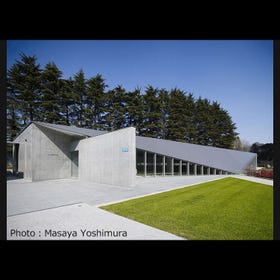
This museum was established in March 2003 with 3 designers, Issei Miyake (fashion designer), Taku Sato (graphic designer), and Naoto Fukazawa (product designer) as its directors and Noriko Kawakami, a journalist and editor, as its associate director. Not only does it offer exhibitions, but it also offers various programs such as talks and workshops with a concept of ”becoming a venue where day-to-day perspectives and views can be proposed.” The building with a symbolic roof created with an image of ”one sheet of fabric” was designed by Tadao Ando, an architect.
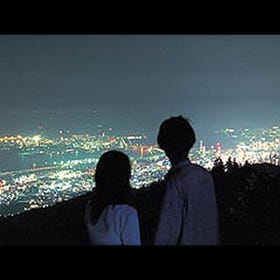
Towering about 700 meters high, Mt. Maya lies in the central part of Rokko mountain range. The night view of Kobe seen from Kikuseidai near the mountaintop is famous as one of new three best night views in Japan. Legend has it that the name comes from the fact that Kobo-Daishi enshrined the statue of Shaka’s mother, Maya, on the mountain.
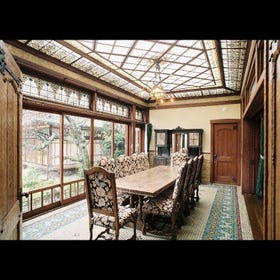
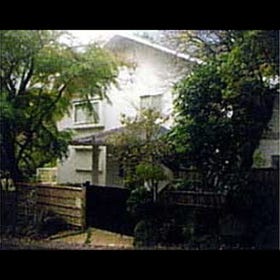
Built in 1919 as a private villa, the former Japanese inn Kiunkaku is one of the Three Great Villas of Atami. Around thirty years later, in 1947, it was turned into a ryokan, meaning a traditional Japanese inn, highly valued and loved by many creative minds such as novelists Osamu Dazai and Junichiro Tanizaki. Nowadays, it is open to the public as one of Atami’s designated tangible cultural assets. The main building in the lush and vast garden is built in a distinctive Japanese style, while mosaics on the walls and stained glass windows are reminiscent of Western aesthetics, creating a wonderful, historical fusion between East and West.
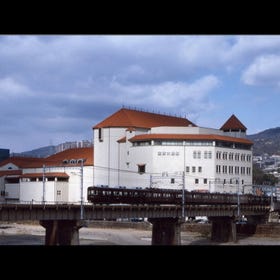
This is the home theater of the Takarazuka Revue, which enthralls its audiences with fantastic stage performances. These spectacular theatrical plays and shows are conducted in turn by one of the five troupes: Flower, Moon, Snow, Star, and Cosmos; each troupe has a top star called otoko yaku (a male role). The plays performed range widely from original plays to overseas musicals to revues. This grand theater is exclusive to the Takarazuka Revue and comes with a history stretching back over 100 years. The live orchestra accompanying performances is one of the big attractions of these shows in the grand theater.
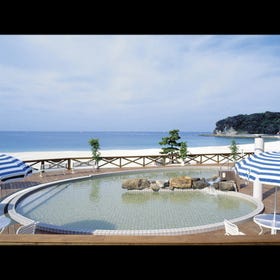
This open-air bath is right next to Shirahama Beach. Since you can wear a swimsuit while soaking in this pool-like bathtub, it's convenient to visit after a day at the beach. The hot water that springs from its own source is constantly replenished, ensuring the water is always fresh. During the non-summer seasons, it's used as a footbath instead.
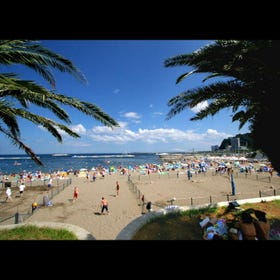
Sun Beach with palm trees, which many people visit for swimming during summer, has an atmosphere that makes you feel as if you were in a tropical country. The sandy beach is lit up at night, making visitors enjoy a view like a tropical resort. The beach is opened for swimmers every year from the second Saturday of July to August 31. Swimming is allowed from 9:00 a.m. to 5:00 p.m. during the above-mentioned swimming period. The beach is lit up every night from the sunset to 10:00 p.m.
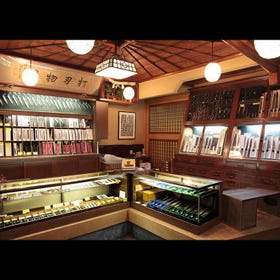
Ubukeya is a ”Uchi Hamono” shop established in 1783 in Osaka. It was located in Edo during the Bakumatsu period, and is still around now. The store name came from the praises that their products ”can cut your ubuke (soft hair), can cut and remove”. They sell a range of products, from tweezers to Japanese knives, to scissors, western knives and other knives. If you take care of them meticulously, they can even be passed on to your grandchildren's generation. Apart from that, you may also find it interesting to see the wooden, quirky architecture of the shop.
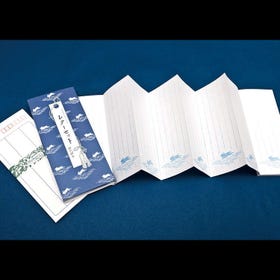
Haibara is a washi shop in Nihonbashi that has been around for over 200 years. They sell various types of washi, from letters sets to kazari fans and paper products. The shop is also for the fact that Takehisa Yumeji, an artist famous for drawing beautiful women in the Taisho period (1912 - 1926) designed many of the patterns for this shop's letter writing sets, envelopes and uchiwas. The ”Jabara (rickrack/zigzag) letter writing set” is the shop's most popular item, with dotted lines at every folding point, and you can just tear off the part you need to use.
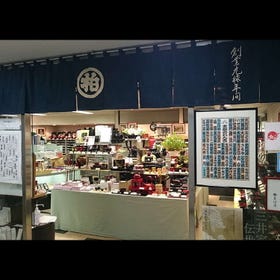
Beautiful lacquerware with black and vermillion is a traditional craft which represents Japan. ”Kuroeya” which has been operating in Nihonbashi since 1689 is a shop famous for lacquerware. The shop displays lacquerware from all over Japan, as well as their own original products. Apart from the standard bowls and chopsticks, there are spoons, forks and wine glasses that will match a western table setting too. There are also hand-mirrors and accessories that would be great as a gift to yourself or someone else.
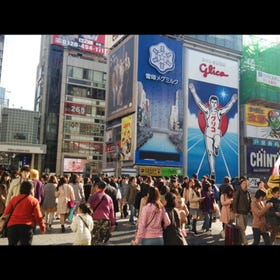
The Dotombori-gawa River slices right through the Minami district of Osaka, and it is from the river's Ebisubashi Bridge that you can view the famous Glico neon billboard up close. The riverside promenade called Tombori River Walk exudes a tasty atmosphere. Tombori River Cruise, in which you can enjoy the scenery of Dotombori from the river, is open for an only limited time.
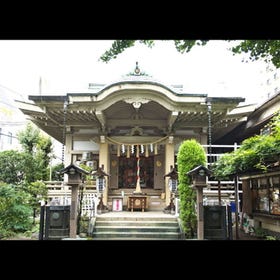
Tokugawa Iemitsu, the third shogun of the Tokugawa family in the Edo period, established Sanjusangen-do for the peace in the country, national security, and tempering martial arts. The hall built after the manner of ones in Kyoto became the beginning of Yasaki-inari. The name Yasaki also came from ”yumi” (a bow) and ”ya” (an arrow). Fukurokuju (god of happiness, wealth, and long life) of the seven deities is placed at the right side of the worship hall in front of the main building.
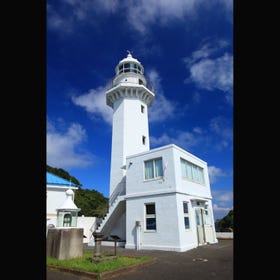
Kannonzaki is a cape protruding into the Tokyo Bay. The cape area is a park with a Western-style lighthouse, a nature museum, and an art museum. You can definitely spend an entire day here.
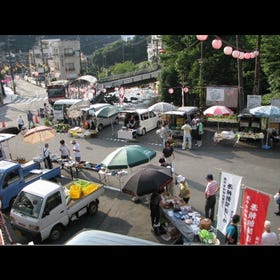
Held early every Sunday morning in front of Yugawara Tourist Hall. Naturally you can find produce unique to the seas and mountains around Yugawara as well as goods you can only buy directly from the producers or manufacturers at bargain prices. Enjoy haggling with the stall owners and maybe you will get a great discount or a little something extra. Held every Sunday Business hours: 6:00 to 9:00 a.m. (cancelled during stormy weather) Venue: The open area in front of Yugawara Tourist Hall Products available: local specialties, dried fish, vegetables, tangerines, seafood, accessories, home-made bread, pickles, and many other things Access: From Yugawara Station, take the bus headed to Okuyugawara or Fudo-Taki for about 10 minutes. We are right next to the Ochiaibashi bus stop.
A hall built in remembrance of Mamoru Shigemitsu, a former foreign minister who was the government representative who signed the Japanese Instrument of Surrender on the US battleship Missouri. It showcases his career as a diplomat and politician, using photos, videos and other materials. Access: From Yugawara Station, take the bus headed to Okuyugawara or Fudo-Taki for about 20 minutes We are a five-minute walk from the Okuyugawara bus stop
Itabashi Fireworks Festival is held in the summer, and it is crowded with many people.
Adachi Fireworks Festival is held in the summer, and it is crowded with many people.
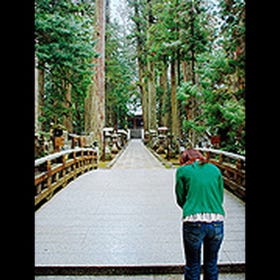
Mt. Koya is a sacred mountaintop site founded by Kobo-Daishi Kukai in 816, and Okuno-in, which holds the Gobyo (mausoleum) of Kukai is the holiest place on the mountain. Surrounded by thick cedar trees, the approach stretches about two kilometers from Ichinohashi (Obashi) to Torodo and Gobyo, lined with about 200,000 graves and memorial towers including those of historical figures such as Sengoku Daimyo (feudal lords). Crossing Gobyobashi Bridge over the Tama-gawa River leads to the Gobyo of Kukai, who died in 835, and Torodo. In Torodo, you'll encounter a sacred lantern called Hinnyo no Itto or Choja no Mando (Shirakawatou) as well as another 20,000 votive lanterns glowing together to create a fantastic spectacle.