It is the main street of Ura-Harajuku (the Harajuku back street) along which stylish stores stand. There are cafes and some general stores on the street, so taking a stroll on the back street is fun as well.
This studio has started offering a new experience called the Maiko Location Photo Plan, where you can take a photo in front of a Kyo-machiya (townhouse in Kyoto) or in the Higashiyama area. To experience being a maiko, you can choose from a variety of gorgeous attire and wear traditional Japanese makeup using face powder and a water-soluble lipstick. Other popular plans include Couple Plan where you can take a photo with your partner wearing a kimono, and the Kids Maiko Plan for children aged five and over (height: 100 centimeters or more).
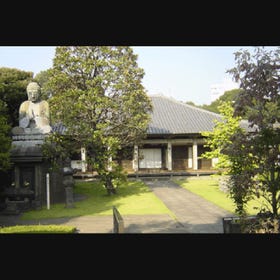
This is an old temple that is said to have been built in the Kamakura period (1192 to 1333). During the Edo period (1603 to 1868), it became known for the tomi-kuji lottery and was called Edo-santomi (three shrines selling lotteries).
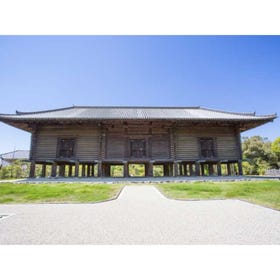
A vault of many national cultural artifacts from the Nara period
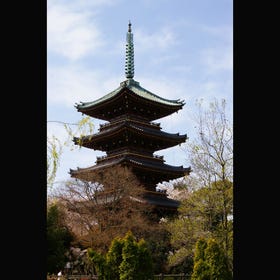
A five-story traditional Japanese building, towering in the lush woods, you are sure to find while walking in Ueno Park. It is a National Important Cultural Property.
One of the coasts representing the Shonan area (southwestern Kanagawa Prefecture). Also known as the setting for Soseki Natsume's novel ”Kokoro.”
The principal object of worship at Ennoji Temple is Enma Daio. It also enshrines the Ten Judges of Hell. You can experience an ancient view of the afterlife here.
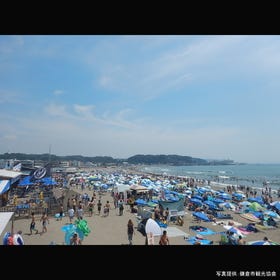
A bathing beach in Kamakura with a shallow sandy beach and calm waves. It is also popular among surfers. It was selected as one of the 88 best bathing beaches in Japan.
This historical building saw the development of Hokkaido
The well-trimmed lawns and glass sides of the large Japanese building that is home to the beautiful TAKAO 599 MUSEUM can be found by continuing from Takaosanguchi Station to the Kiyotaki cable car station, crossing the intersection, and going along the road that heads to the shrine. The museum presents the incredible ecosystem of Mt. Takao from a fresh perspective, and is a renovation of the former Takao Natural Science Museum. It opened its doors as a place that preserved the elements of a museum, and added the comfortable atmosphere of a park. There is no charge for admission.
Only 30min from the Gotemba interchange! Snow Town Yeti is in a superb location, close to Tokyo, where you can ski and snow board with Mt. Fuji in the backdrop.
The panoramic ski area where in 360 degrees you can see from the magnificent northern Alps to the foot of Mt. Hakuba. Popular with everyone from families to boarders.
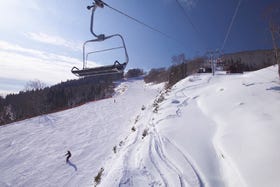
It proudly boats fluffy powder snow!! Though it is a little hard to reach, you will be absolutely satisfied.
It has outstanding accessibility. The ski resort is 1 hour from Itsukushima Shrine, a World heritage site, by car and it is also only 2 km from the Yoshiwa IC on the Chugoku Expressway. One-day ski trip is recommended during your Hiroshima sightseeing stay! It is a casual ski resort with an Onsen hot spring and annexed accommodation.
An enjoyable 5 courses for beginners to experts and a full snow park are facilitated! Stay at a beautiful log cottage!
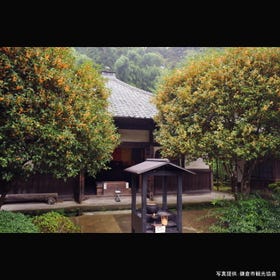
With ancient living and meditation quarters
Offer a prayer to Japan's largest Buddha statue in its oldest temple
Seasonal blossoms can be enjoyed along the paths running past the park’s streams and ponds, providing a chance to take a relaxed stroll while savoring the season. We also offer casual nature experiences, such as observing the ecosystems living in streams, viewing seasonal plants and flowers, and bird-watching. There is also an obstacle course located near the park entrance and we are the starting point for various hiking trails. From early February to mid-March, the entire mountain side erupts in plum blossom, filling the park with its sweet fragrance. BBQ can be enjoyed from April to October. Access: From Yugawara Station, take the bus headed to Makuyama Koen for about 20 minutes We are located right next to the Makuyama Koen bus stop
Nitta Jinja, or the Nitta Shrine, represents a god who is believed to keep people's good fortune and guide them to happiness and is known as a shrine where hamaya (a ceremonial arrow used to drive off evils) originated.