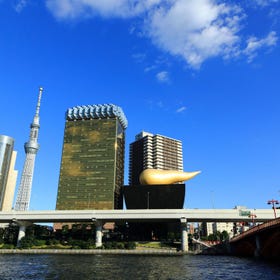
The facade of the Asahi Group's headquarter building was designed in the image of a beer mug.
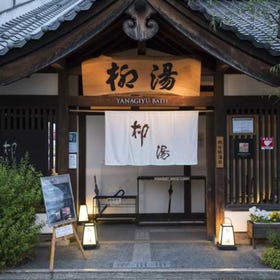
A bathhouse exuding old-fashioned charm
A convenient gateway to Shizuoka’s nature and cuisine, with close-up views of Mt. Fuji.
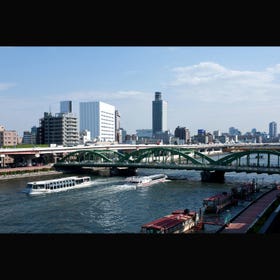
The bridge carrying traffic from Kasuga-dori Street over the Sumida River. One of the viewing areas for the fireworks festival is near this bridge.
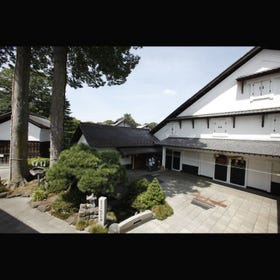
Ishikawa Brewery is where numerous traditional Japanese-style warehouses stand. It also has restaurants where you can enjoy sake and local beer.
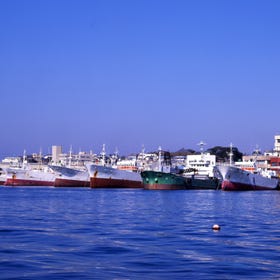
A fishing port at the tip of Miura Peninsula in Kanagawa famous for landing tuna. A great place to enjoy tuna dishes.
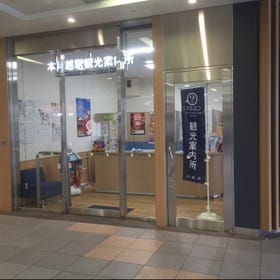
The Tourist Information Office located on the first floor of Honkawagoe PePe . We assist tourists visiting Koedo Kawagoe.
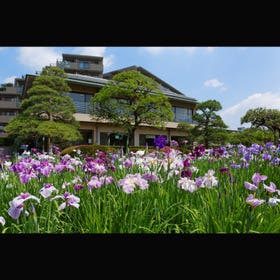
This is a time-honored iris garden with wide varieties, 200 cultivars, and 6,000 bulbs of irises blooming in a genuine Japanese garden.
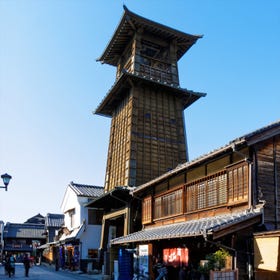
This chime keeps telling time and is a symbol of Kawagoe, a warehouse town brimming with Edo-era atmosphere.
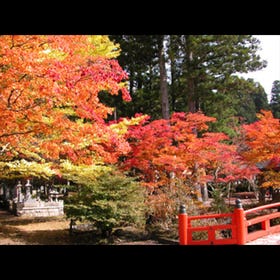
Founded by Kobo-Daishi Kukai, this is a sacred place of Shingon Esoteric Buddhism, boasting a history of 1,200 years. Scattered across the mountain at approximately 900 meters above sea level are 117 temples, including Kongobu-ji Temple, forming a large religious town. With Danjogaran and Okuno-in at its core, this sacred territory has been visited by large number of Kukai's followers. Since the town is surrounded by forests, Mt. Koya is a great place to enjoy some hiking while visiting the temples.
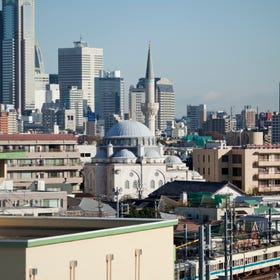
It is one of the largest mosques in Japan. The interior of the building is furnished with beautiful decorations, including stained glass mounted windows.
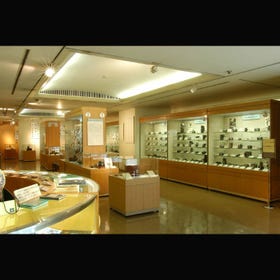
Nippon Camera Hakubutsu-kan or the JCII Camera Museum is a museum operated by the Japan Camera Industry Institute, and you can have fun learning and familiarizing yourself with cameras by looking at and touching cameras. There are more than 300 cameras on display.
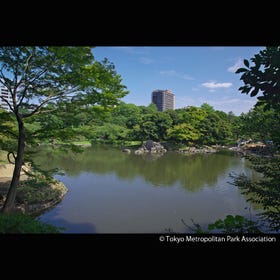
The Koishikawa Korakuen Garden is designated as a National Special Historic Site and Special Place of Scenic Beauty. Highlights of the garden include a lake, a hill, a river, and a pastoral scenery that resembles the scenic beauty from various places in Japan.
It is guaranteed that beginners and mid level skiers will be satisfied with the slopes. 80% of courses are gentle or mid-level slopes and wide.
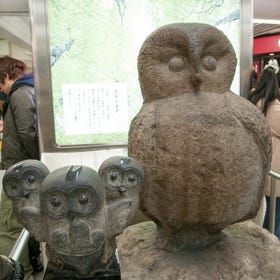
It is a stone statue of an owl that was made into a landmark in the yard of the Ikebukuro Station when the JR (Japan Railways) was launched.
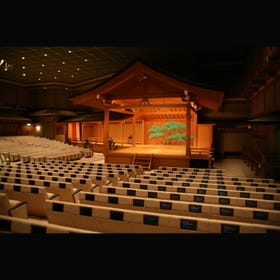
Specializing in Nogaku (Noh and Kyogen), a traditional Japanese performing art.
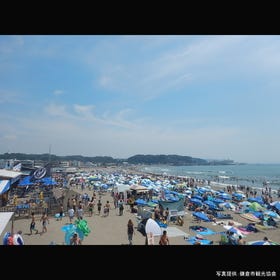
A bathing beach in Kamakura with a shallow sandy beach and calm waves. It is also popular among surfers. It was selected as one of the 88 best bathing beaches in Japan.
One of the coasts representing the Shonan area (southwestern Kanagawa Prefecture). Also known as the setting for Soseki Natsume's novel ”Kokoro.”
The principal object of worship at Ennoji Temple is Enma Daio. It also enshrines the Ten Judges of Hell. You can experience an ancient view of the afterlife here.
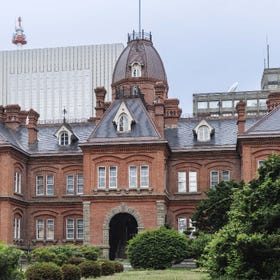
This historical building saw the development of Hokkaido