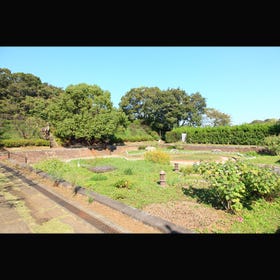
Jindai Botanical Garden, located in Chofu city, boasts 100,000 trees from 4,800 species.
Enjoy nature all through the seasons! A whole family can enjoy the day camping and outing by the riverbank.
This park is one of the most famous sites for cherry blossom viewing in Japan and is also popular among foreign visitors. Other than cherry blossoms, the park offers its appeals any time of the year. There are festivals held in summer, tree leaves change colors in autumn, and peonies blooming in winter.
Founded by Kobo-Daishi Kukai, this is a sacred place of Shingon Esoteric Buddhism, boasting a history of 1,200 years. Scattered across the mountain at approximately 900 meters above sea level are 117 temples, including Kongobu-ji Temple, forming a large religious town. With Danjogaran and Okuno-in at its core, this sacred territory has been visited by large number of Kukai's followers. Since the town is surrounded by forests, Mt. Koya is a great place to enjoy some hiking while visiting the temples.
The Tumulus cluster dates back to the latter of the Kofun (tumulus) period (250 - 538). Excavations unearthed horse tack like bits for horses, Sue ware (type of unglazed pottery made from the middle of the Kofun era through the Heian era), Haji ware (plain, unglazed, reddish-brown Japanese pottery made from the Kofun era through the Heian era), and haniwa (clay figures from the Kofun period).
100% powder snow and a long season from the beginning of season to spring skiing.
A small alley teeming with traditional izakayas (Japanese-style bars). A place to enjoy a the Showa Retro atmosphere while in Shibuya.
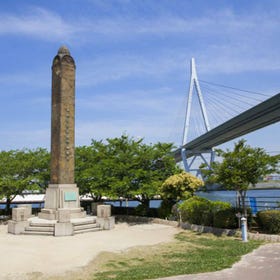
A seaside park with great views
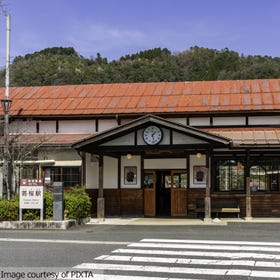
Experience the history of Japan's nostalgic railways and the serene, beautiful ambiance of a mountain castle town.
Takarazuka is a revue composed solely of unmarried women, and it has been popular since its first performance in 1914. This theater acts as its base in Tokyo.
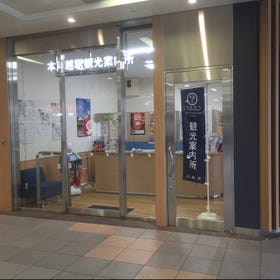
The Tourist Information Office located on the first floor of Honkawagoe PePe . We assist tourists visiting Koedo Kawagoe.
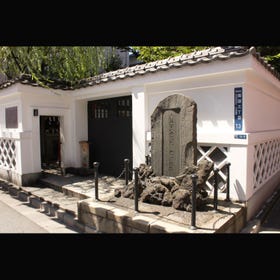
This is the site where the revenge of the 47 Ronin (Ako-roshi) took place. On the same property is Matsuzaka-inari shrine, which enshrines Kira and the well said to have been used to clean his head.
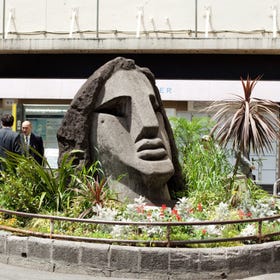
The Moyai statue is well-known as a meeting place at the Shibuya Station. It is a unique stone sculpture that has different faces carved on the front and the back.
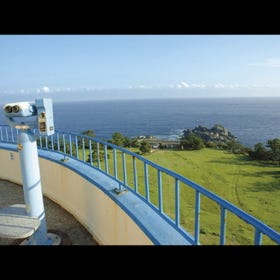
This observation deck lies at the southern tip of Shionomisaki. The seventh and eighth floors, which are 100 meters above sea level, are observation galleries, commanding a magnificent view of the Pacific Ocean. On a fine day, the vista even takes in the distant Mt. Nachi. On entering the deck, you'll receive a certificate for visiting the southernmost point of Japan's main island as proof of your visit to Shionomisaki. The grasslands at the tip of the cape, called “Boro no Shiba,” stretch out over 100,000 square meters. A restaurant there serves a variety of dishes using locally sourced ingredients.
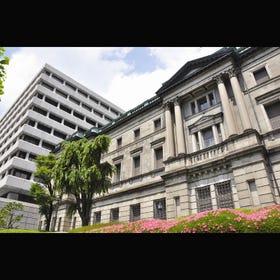
The central bank in Japan. The public can visit the Main Building (Old Building), designated as a National Important Cultural Property, as well as part of the New Building. (Photo provided by: Bank of Japan)
Ski family let's ski.
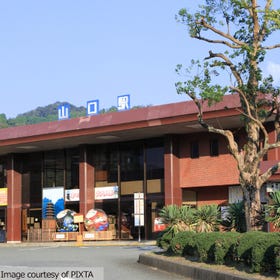
Your base for discovering the history and culture of Yamaguchi, known as the Kyoto of the West.
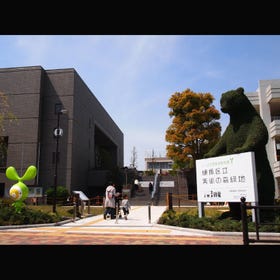
Holds many exhibitions and shows by artists connected to Nerima. A community-based art museum beloved by locals.
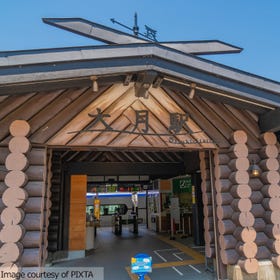
The ideal starting point for Mt. Fuji sightseeing and for enjoying historic landmarks and majestic views.
Museum with vast premises covering some 30 hectares. Nature that makes you the feel the season, rooms that match the exhibitions, and the buildings themselves are all worth checking out.