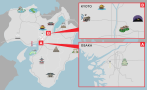
Famous for being one of Japan's Three Most Sacred Places
A gorgeous gorge that changes with the seasons
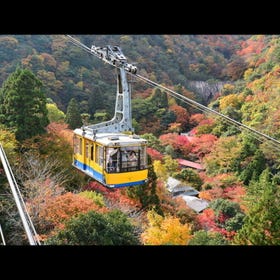
The Rokko Arima Ropeway takes about 12 minutes to travel between Rokko Sancho Station, where Rokko Garden Terrace provides a sweeping vista of urban Kobe and Osaka Bay, and Arima Onsen Station, where clouds of white steam drift upward from one of Japan's three most famous hot springs. While gliding through sky, you can savor the superb view of the majestic nature of Mt. Rokko with scenery that changes with the seasons. What's more, there are attractions dotted across the mountain to enjoy at your leisure such as the Rokko Alpine Botanical Gardens and Rokkosan Country House. After unwinding in an onsen, take the ropeway back to Mt. Rokko.
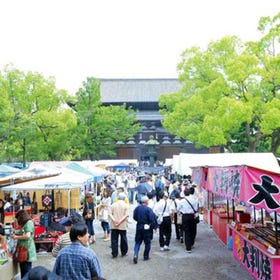
This market is completely packed with over 100,000 visitors
The museum displays valuable handicrafts and folk crafts, mainly Japanese antique ceramics and dyed or woven textiles that were selected by Japanese philosopher Yanagi Muneyoshi, collected from Japan and overseas.
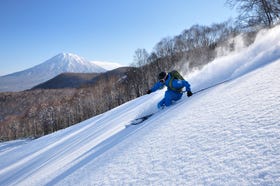
Niseko HANAZONO Resort is an enjoyable destination for families and advanced skiers with plenty of great experiences to enjoy.
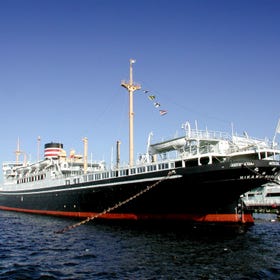
Hikawa Maru, an ocean liner of Nippon Yusen (NYK Line or Japan Mail Shipping Line), is one of the historical cargo-passenger ships and was built in 1930 for the purpose of running a regular route to Seattle. Today, the liner is open to the public and the visitors can enter the guestroom, the dining room, wheelhouse, the engine room, and other areas.
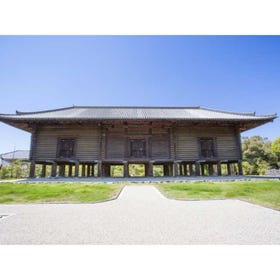
A vault of many national cultural artifacts from the Nara period
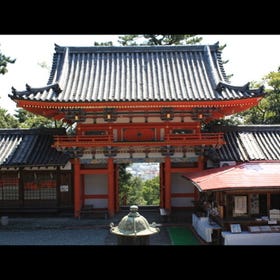
Built in the Gongen-zukuri style, this shrine was founded by the lord of the Kishu domain, Yorinobu Tokugawa, in 1621 to enshrine his father Ieyasu. Similar to Nikko Tosho-gu Shrine, the magnificent shrine pavilion is surrounded by sculptures by Jingoro Hidari and wall paintings by Tanyu Kano. Seven shrine structures including the Haiden, the Honden, and the vermillion Romon Gate, are designated as national Important Cultural Properties. At the shrine, Mikoshitogyo, which is one of the great festivals called Wakamatsuri, takes place where men carry mikoshi (portable shrine carried in festivals) and courageously descend 108 steps, followed by a parade of 1,000 people.
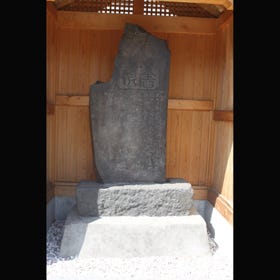
It is a poetic monument of the Namagumi Incident also known as the Richardson Affair, which took place in 1862, retelling the story of the death of an Englishman.
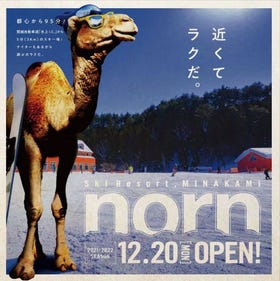
100 minutes from Tokyo and 3km from the Minakami interchange on the Kanetsu highway! Late night skiing and free parking everday! !
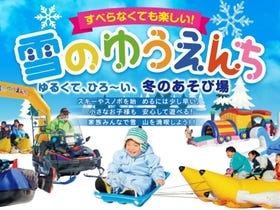
It is guaranteed that beginners and mid level skiers will be satisfied with the slopes. 80% of courses are gentle or mid-level slopes and wide.
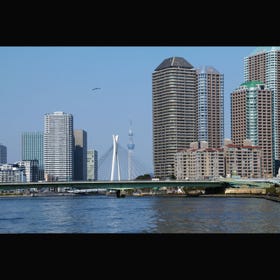
A bridge built over the Sumida River after World War II with a panoramic view of skyscrapers in Tokyo.
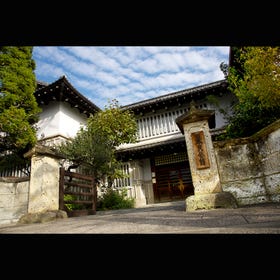
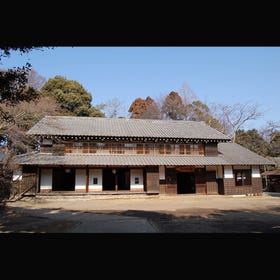
The former Wada residence―Kurosuke no ie― is a traditional folk house built over 100 years ago.
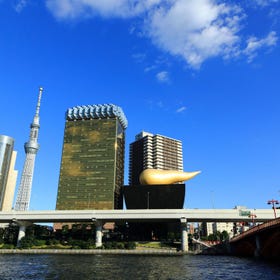
The facade of the Asahi Group's headquarter building was designed in the image of a beer mug.
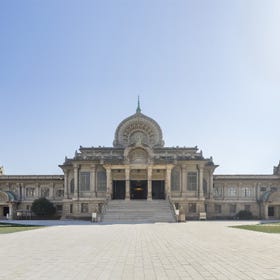
It is a Buddhist temple in Tsukiji. The exterior of the main worship hall is a stone construction in the ancient Indian style, and the interior of the hall is arranged in the traditional Shinshu-sect temple design and layout.
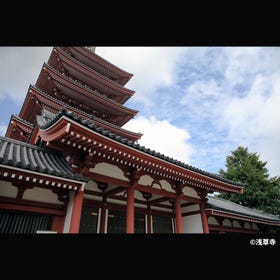
A soaring five-story pagoda at Senso-ji Temple in Asakusa with magnificent nighttime illumination.
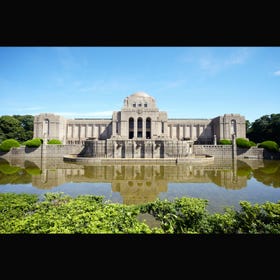
This is an art gallery established in 1926, located in the Meiji Jingu Gaien Park. About 80 masterpieces of Japanese and Western paintings are displayed in chronological order.
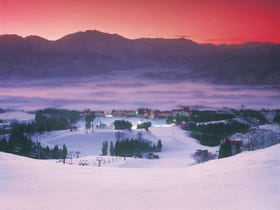
One of the largest ski resorts in Japan. Enjoy your wonderful snow life in the vast resort that consists of 4 zones.
This is an interactive museum where you can enjoy the world of Anpanman. It is very popular among both children and adults.