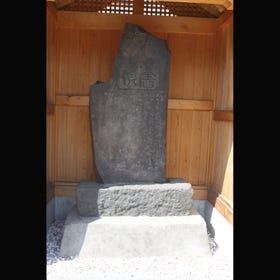
It is a poetic monument of the Namagumi Incident also known as the Richardson Affair, which took place in 1862, retelling the story of the death of an Englishman.
Start your Asakusa trip here! From strolling through historic streets to traveling to the Tsukuba area, move comfortably with Nippon Rent-A-Car!
Pick up your items at the airport counter upon arrival in Japan.
The main gate of Sensoji Temple. Its huge, impressive paper lantern with ”Kaminarimon” written in kanji is a landmark of Asakusa.
A good old-fashioned shopping district with 70 older shops and a shitamachi (downtown) atmosphere.
Currently under renovation, and plans to reopen in the autumn of 2016. One of the few museums worldwide focusing on photography and film.
It is the main street of Ura-Harajuku (the Harajuku back street) along which stylish stores stand. There are cafes and some general stores on the street, so taking a stroll on the back street is fun as well.
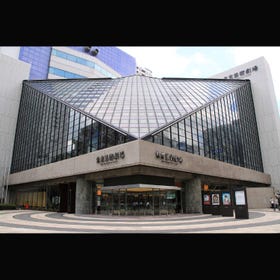
This is an art and cultural facility that possesses a pipe organ of the world's largest class. You can appreciate various artworks throughout the year.
A place where you can take fantastic pictures of the sea and Enoshima
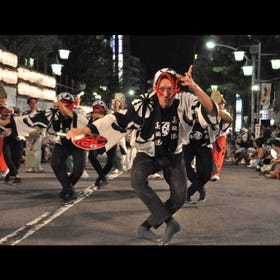
Watch Performers Dancing to the Beat of Drums and Shamisens in Koenji’s Streets
The snow park where you can take your grandchildren. Lots of snow activities. Fun for all the family!
A temple of flowers, with a circuit-style garden
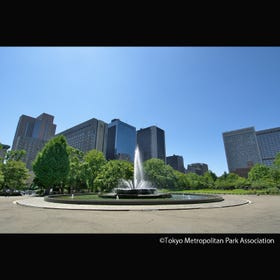
Hibiya Park is Japan's first modern, Western-style park with a large symbolic fountain. It provides an oasis for the business people who work in the Ginza or Kasumigaseki business districts.
The large scale ski area! High quality snow and the rich variation of trails are amongst the many attractions.
Start your Hokkaido trip here! Explore the vast northern land full of highlights with Nippon Rent-A-Car!
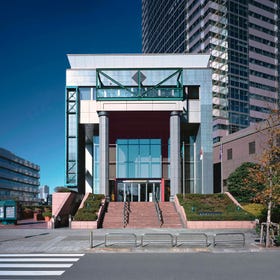
Yokohama Museum of Art is considered a symbol of the Minato Mirai 21 area. It consists of seven exhibition rooms and has a collection of over 110,000 books. It is one of the largest museums in Japan.
The Hakone Ropeway operates for about 4km from Tougendai station, facing Lake Ashi via Ubako and Owakudani stations, to Sounzan station. Opened in 1959, currently over 2 million people ride it each year. On the route going through Hakone mountains, you can view the nature which changes by seasons, such as cherry blossoms, azaleas, hydrangeas, and red and yellow leaves, as well as allowing you to view Mount Fuji in the distance on a sunny day. From Sounzan Station, the terminal station, you can change trains to Hakone Tozan cable cars and go to Gora Onsen (hot springs) and further down to the Hakone Open-Air Museum by Hakone Tozan Railway.
Founded as a private garden and created by notable writers and artists during the Edo period (1603–1868). The garden's biggest draw is its 30-meter tunnel lined with bush clover.
This is a natural monument-designated wind cave surrounded by the Aokigahara Jukai Forest.
The Iroha-zaka Slopes refer to two mountain roads with a total of 48 hairpin turns. The roads are famous for their great views.