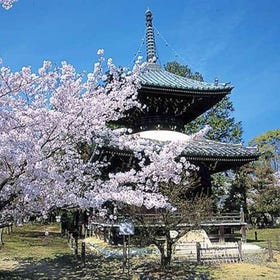
The mountain villa of Minamoto no Toru, the model for Hikaru Genji
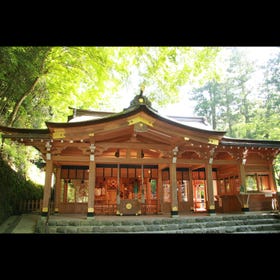
A guardian deity of water with miraculous virtue worshipped since ancient times. The shrine has been worshipped for better luck marriage by countless people through the ages, including nobles.
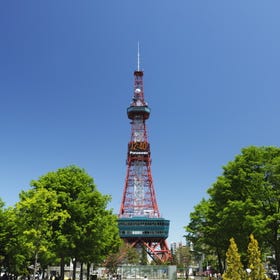
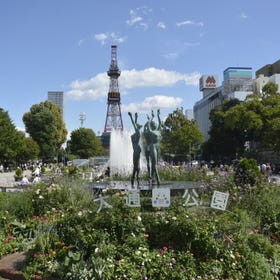
A broadcasting tower standing 147.2 m tall at the eastern edge of Odori Park with a panoramic view of the city of Sapporo from an observation deck about 90 m above ground.
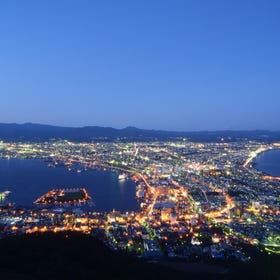
Offering a panoramic view of Hakodate City from the peak of Mt. Hakodate at 334 m above sea level. This spot is known for its million-dollar night view.
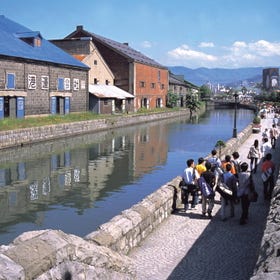
Historic stone warehouses and gaslit water make Otaru's canal one of Hokkaido's most atmospheric evening strolls
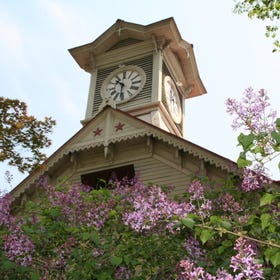
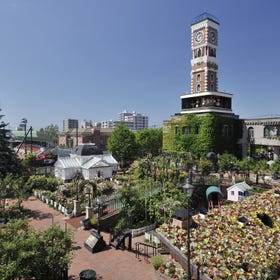
One of Sapporo's three main tourist attractions. Built over 140 years ago, this clock tower is the oldest in Japan to use a pendulum, and continues to keep time.
The long band of greenery that is Odori Park spans about 1.5 km from east to west through the center of Sapporo. The park is dotted with monuments and fountains.
Shiroi Koibito is the must-get gift to take home from Hokkaido. This theme park is the perfect place to see, taste, and experience all sorts of sweets.
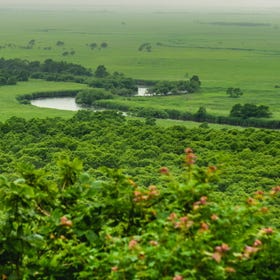
Japan's largest marshland, viewed from observatories on its east and west sides — home to red-crowned cranes and sika deer
Japan's northernmost zoo is a drawcard thanks to its unique enclosures where you can see the animals living naturally.
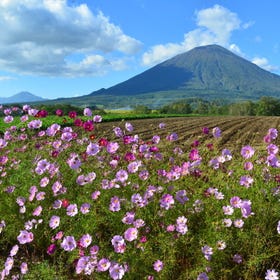
Mt. Yotei is also called Yezo Fuji for its resemblance to Mt. Fuji. There are plenty of activities to enjoy at the base of the mountain throughout the year.
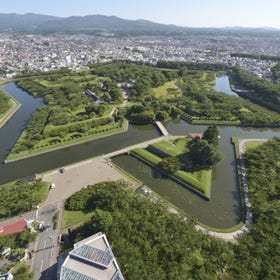
A star-shaped fort with the first French-style fortifications in Japan. The Battle of Hakodate took place here, and it's now open to the public as a park.
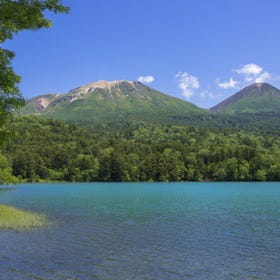
A caldera lake formed by an eruption from Mt Oakan, Lake Akan rests among a rich natural environment and is famous for the marimo growing in it.
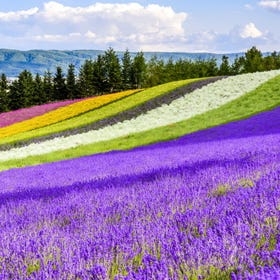
A tourist farm featuring expansive fields with lavender and other flowers. The farm receives many visitors in mid-July when the lavender is in full bloom.
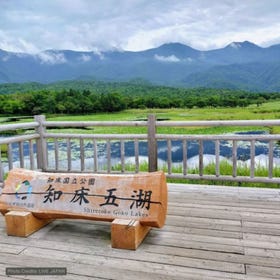
Five mystical lakes cradled in primeval forest, the symbol of UNESCO World Heritage Shiretoko — explore via a free boardwalk or a seasonal guided trek.
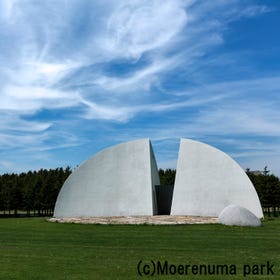
A park designed by the sculptor Isamu Noguchi. The whole area is an artistic space with enormous sculptures interspersed throughout the park.
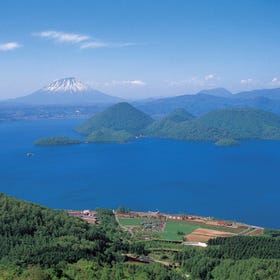
Lake Toya is the second largest caldera lake in Japan, having a circumference of about 40 km. Enjoy a walk along the lakeside or take a cruise on one of the pleasure boats.
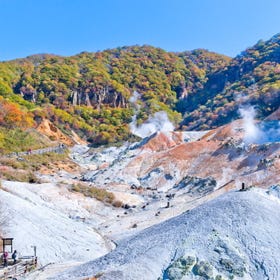
Noboribetsu is a historic onsen (hot spring) area opened in the Edo period that uses the steaming Jigokudani as its source. The area hosts plenty of attractions besides Jigokudani.
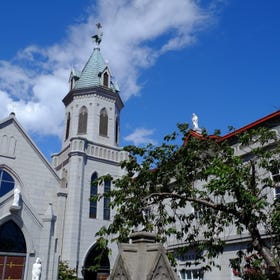
Motomachi Roman Catholic Church has one of the longest histories of any church in Japan. A large octagonal tower characterizes the church, which was rebuilt in 1924.
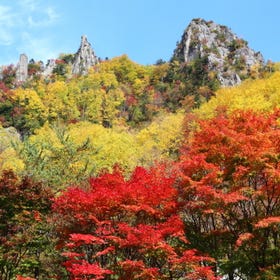
Sounkyo is a 24-km ravine scoured through the base of the Daisetsuzan Volcanic Group. It is well known as one of Hokkaido's best onsen areas as well as a famous spot for viewing autumn leaves.