A world-class suspension bridge recognized by Guinness
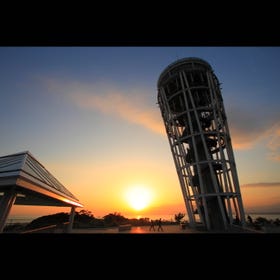
A lighthouse with an observation platform that is affectionately considered a symbol of Shonan. Its distinctive features are a majestic view of the ocean and illumination that changes color with the seasons.
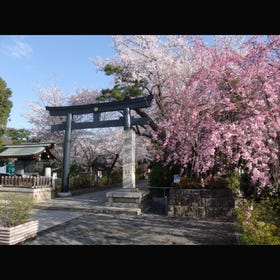
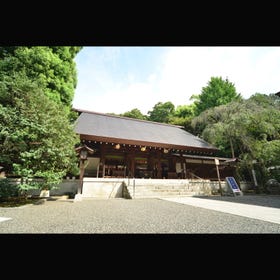
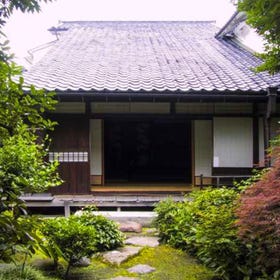
Known as the shinto shrine related to Yoshida Shoin, a samurai clan member of the Choshu Domain who had enormous influence on the movement to topple the Edo Shogunate during the mid-19th century. Now deified, he has become popular as a god of academic success.
A trekking spot surrounded by mother nature
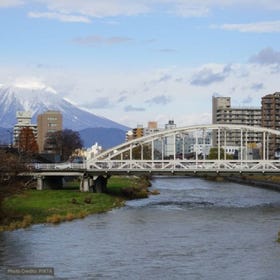
A white arch bridge 5 minutes from Morioka Station, framing the Kitakami River and Mt. Iwate in one classic shot
Traditional Japanese bathhouses(SENTO).
Dresses available for commemorative photos
It succeeds in recreating the model of railway trains down to the last detail by utilizing authentic railway technology. The museum of Nobutaro Hara's model railway and his collection.
Tokyo City i is a General Tourist Information Center which provides tourist information and various arrangements by one-stop way.
Fully equipped to accommodate international visitors. Offers cashless payment options, towel rentals, and discount coupons specifically for travelers from abroad.
A 14km streamside trail past moss-covered rocks and waterfalls, changing beautifully with every season
Enjoy the four seasons of Osaka from the river's surface
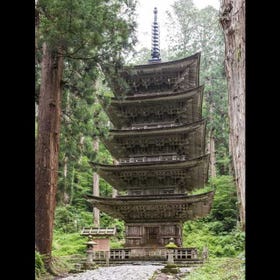
Symbolizing the sacred mountain Haguro
Shitenno-ji Temple is the oldest state-built Buddhist temple in Japan, established in 593 by Prince Shotoku. The architectural structures seen today are faithful reproductions of the temple's original appearance.
Nogi Shrine is a shrine where Nogi Maresuke (1849 - 1912), a general in the Imperial Japanese army during the Meiji period (1868-1912), and his wife are enshrined.
Learn about the defenses of this castle town and building fireproofing
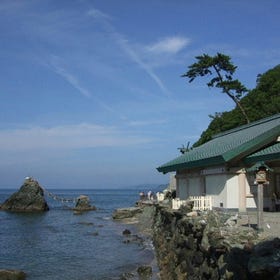
A shrine famous for its ”Wedded Rocks”
A nature park offering a panoramic view of Sagami Bay, with flowers all year round
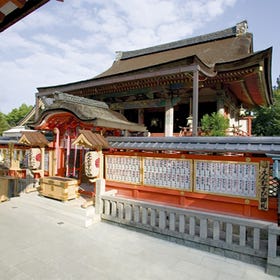
The shrine to the north of the main hall of Kiyomizu-dera Temple, whose spirit is worshipped as a deity of marriage. A pair of guardian stones in the grounds known as ”Koi uranai-no-Ishi” dates back to the Jomon period.